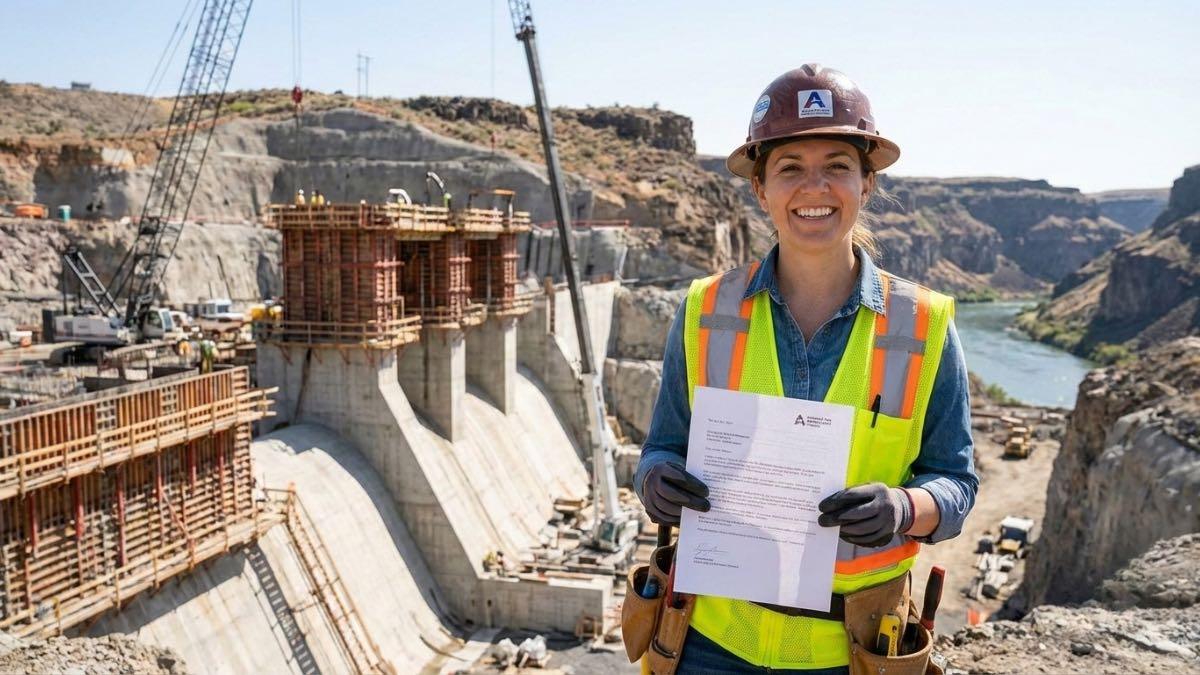
Understanding contractor license requirements by state is one of the most important steps for any construction professional planning to operate legally in the United States. Unlike some industries that are regulated mainly at the federal level, construction licensing in the U.S. is largely controlled by state governments and, in some cases, by local jurisdictions such as counties and municipalities. This creates a complex regulatory landscape where requirements can vary significantly depending on where a contractor plans to work.
For builders, remodelers, general contractors, and specialty trade professionals, knowing the licensing requirements of each state is essential not only for legal compliance but also for protecting business reputation and financial stability. Many states impose strict rules that govern who can perform construction work, what level of experience is required, and how contractors must demonstrate competence before receiving authorization to operate.
Another important factor is that contractor licensing requirements often depend on the type of work being performed. A general contractor overseeing full construction projects may face different licensing standards than a specialty contractor focusing on electrical work, plumbing, roofing, or HVAC installations. These distinctions exist to ensure that individuals performing technically complex work possess the necessary training and experience.
Finally, contractors planning to expand their business into multiple states must carefully study licensing rules before accepting projects. Operating without the proper license can lead to fines, project shutdowns, lawsuits, and the inability to legally enforce payment agreements. Because of this, understanding contractor license requirements by state is not simply an administrative step—it is a critical part of building a compliant and sustainable construction business in the United States.
Why contractor license requirements vary across states
One of the defining characteristics of the American construction industry is the decentralized nature of its regulatory system. Unlike countries where construction licensing may be controlled by a national authority, the United States allows each state to establish its own rules regarding contractor licensing. This structure reflects the broader legal principle that states have primary authority over professional licensing and construction regulation.
As a result, contractor licensing requirements can differ widely from one state to another. Some states operate comprehensive statewide licensing programs administered by dedicated contractor licensing boards. In these states, contractors must apply for licenses directly with the state government and meet detailed requirements regarding experience, exams, insurance, and financial responsibility.
Other states follow a more localized model, where contractor licensing is handled at the city or county level. In these jurisdictions, contractors may not need a statewide license but must instead comply with local permit requirements and municipal regulations. This can create additional complexity for contractors who operate across multiple cities within the same state.
The differences in licensing frameworks reflect variations in economic activity, population size, construction demand, and political priorities. Highly populated states with large construction markets often implement stricter licensing systems in order to protect consumers and ensure high industry standards.


States with strict statewide contractor licensing systems
Several U.S. states maintain highly structured contractor licensing systems that apply statewide. These systems typically require contractors to complete a series of regulatory steps before they can legally perform construction work.
States known for strong contractor licensing frameworks include:
California;
Florida;
Arizona;
Nevada;
North Carolina;
South Carolina;
Louisiana.
In these states, contractor licensing boards oversee the application process and enforce regulations that protect both property owners and the integrity of the construction industry. Contractors usually must demonstrate multiple years of experience, pass technical and business law exams, and provide proof of insurance coverage before obtaining a license.
For example, California operates one of the most comprehensive contractor licensing systems in the country. The state requires applicants to document at least four years of relevant experience and pass examinations covering both trade knowledge and business law.
Florida similarly requires contractors to meet strict experience qualifications and pass licensing exams before receiving authorization to operate statewide. These licensing programs aim to ensure that contractors possess the knowledge required to manage complex construction projects safely and professionally.
States with local contractor licensing systems
Not every state regulates contractors through a centralized statewide licensing board. Some states rely primarily on local licensing and permit systems, where cities and counties establish their own requirements for contractors.
Texas is a well-known example of this approach. The state does not issue a general contractor license at the state level. Instead, licensing and registration requirements are typically handled by local governments depending on the type of construction work being performed.
In these states, contractors must carefully research the regulations of each municipality where they plan to operate. This may include obtaining city contractor registrations, meeting local insurance requirements, and securing permits for specific types of work.
Although these systems may appear less restrictive at the state level, they can still involve significant administrative complexity. Contractors working across multiple jurisdictions within a single state may need to maintain multiple registrations and comply with varying local regulations.
Experience and qualification requirements for contractors
One of the most consistent elements of contractor licensing across states is the requirement for professional experience. Most states expect applicants to demonstrate several years of hands-on construction work before applying for a license.
Typically, contractor licensing boards require between two and four years of documented experience. This experience may include working as a construction supervisor, project manager, foreman, or skilled trades professional.
Applicants must usually submit documentation verifying their experience, which may include employment records, references from licensed contractors, or affidavits confirming the applicant’s work history. These requirements help ensure that licensed contractors possess the practical knowledge needed to manage construction projects responsibly.
In addition to experience requirements, many states require contractors to pass licensing examinations that evaluate knowledge of construction practices, building codes, safety standards, and business management principles.

Insurance and financial requirements
Contractor licensing requirements often include proof of insurance coverage designed to protect both workers and clients. The most common forms of insurance required for contractor licensing include general liability insurance and workers’ compensation insurance.
General liability insurance protects property owners and project stakeholders in the event that construction work causes property damage or injury. Workers’ compensation insurance, on the other hand, provides financial protection for employees who may be injured on the job.
Some states also require contractors to obtain license bonds. These bonds serve as financial guarantees that contractors will comply with state laws and contractual obligations. If a contractor fails to meet these obligations, the bond may provide financial recourse for affected parties.
These financial safeguards are designed to promote professionalism and accountability throughout the construction industry.
The importance of researching licensing requirements before starting projects
For contractors operating in multiple states or expanding their business into new regions, researching licensing requirements is essential before accepting construction projects. Each state’s licensing framework contains specific rules governing who can legally perform construction work and under what conditions.
Failing to obtain the proper license can result in significant consequences. Contractors may face fines, stop-work orders, legal disputes, and damage to their professional reputation. In some states, unlicensed contractors may even lose the ability to legally collect payment for work performed.
Because of these risks, construction professionals should always verify licensing requirements through official state contractor licensing boards before beginning any project. Careful compliance with licensing regulations not only protects contractors from legal issues but also strengthens trust with clients and industry partners.
Builder Inteligence

FAQ – Contractor license requirements by state
8. What happens if a contractor works without the required license?