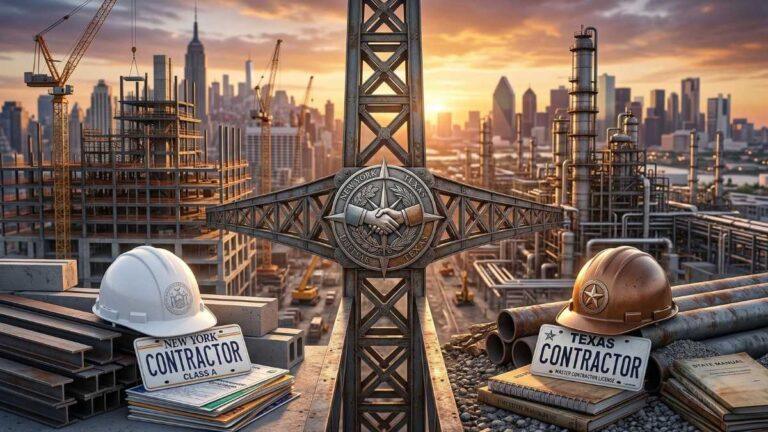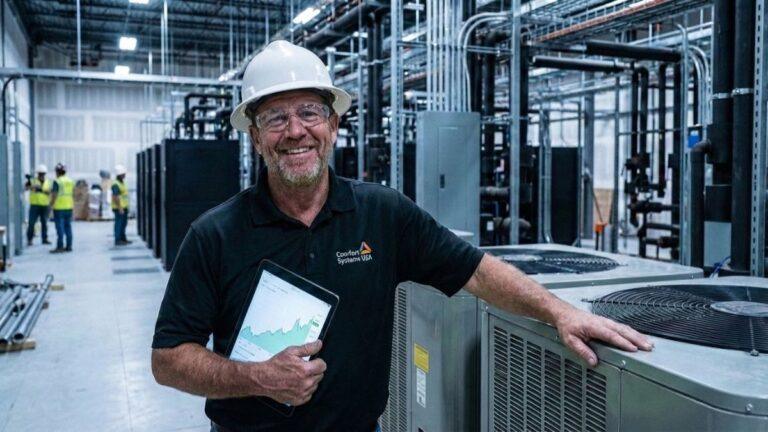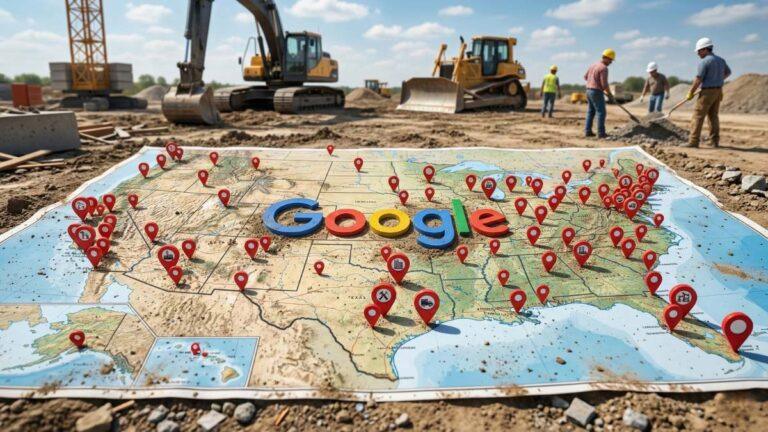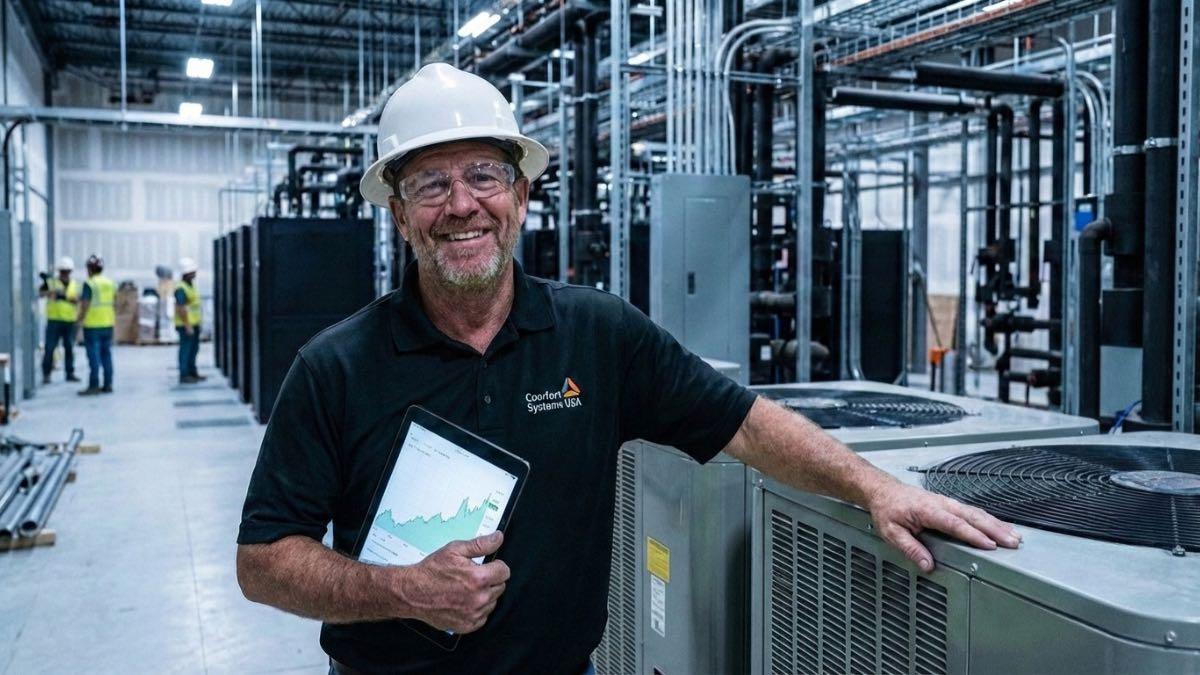
Comfort Systems USA has reached record stock highs in early 2026, driven by accelerating demand for HVAC and electrical services tied directly to the data center construction boom across the United States. While broader construction markets continue to navigate interest rate pressure, labor shortages, and affordability constraints, specialized contractors positioned in high-growth infrastructure segments are outperforming. The surge in Comfort Systems USA is not just a company-specific milestone. It reflects a structural shift in where construction capital is flowing.
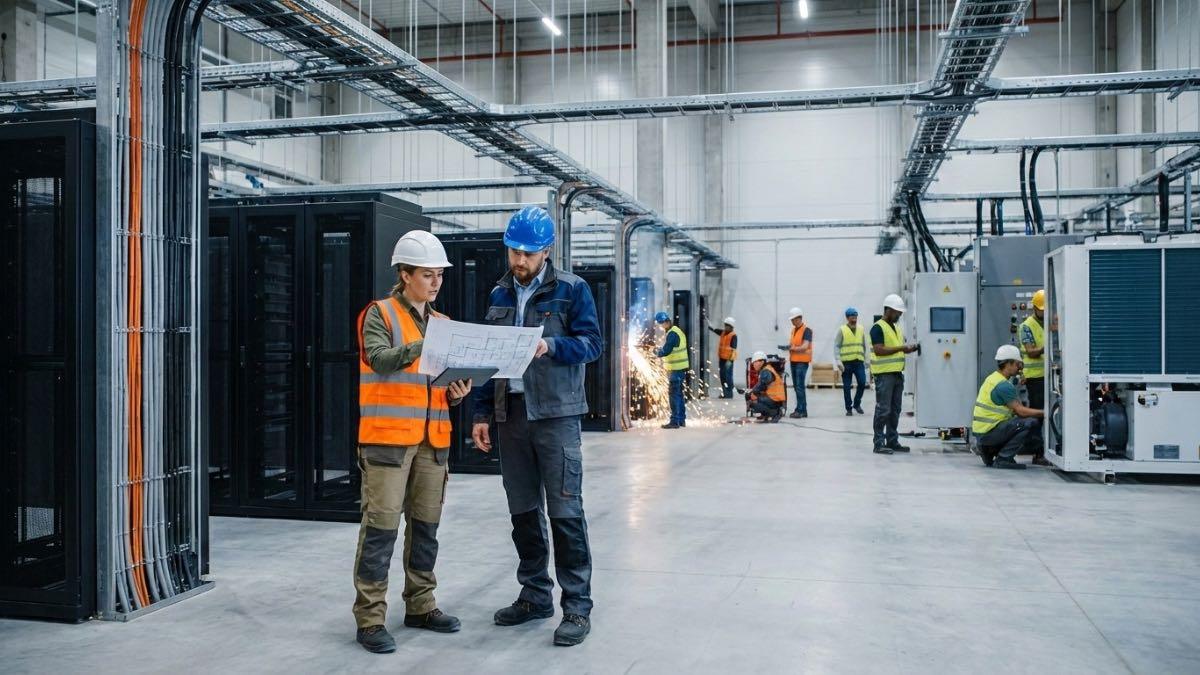
Data center expansion, fueled by artificial intelligence, cloud computing, digital infrastructure modernization, and enterprise demand for secure processing capacity, is reshaping nonresidential construction pipelines. Hyperscale campuses, colocation facilities, and edge computing nodes require highly specialized mechanical and electrical expertise. Unlike traditional commercial construction, data centers demand precision climate control, redundant power systems, and long-term performance reliability. Companies capable of delivering these systems at scale are capturing disproportionate growth.
Investors recognize this positioning advantage. Specialty contractors embedded in data center ecosystems are benefiting from predictable backlog growth, higher-margin service packages, and long-term maintenance contracts. In an environment where volatility impacts traditional real estate segments, targeted exposure to digital infrastructure offers resilience. The capital markets response to Comfort Systems USA signals that strategic specialization in construction is becoming a competitive moat.
For builders, general contractors, and specialty trades nationwide, this rally offers a lesson. Growth in 2026 is not evenly distributed across all segments. It is concentrated where structural demand drivers align with long-term technology investment. Data center construction represents one of the clearest examples of this realignment.
Builder Inteligence

Why data center construction is redefining specialty contracting
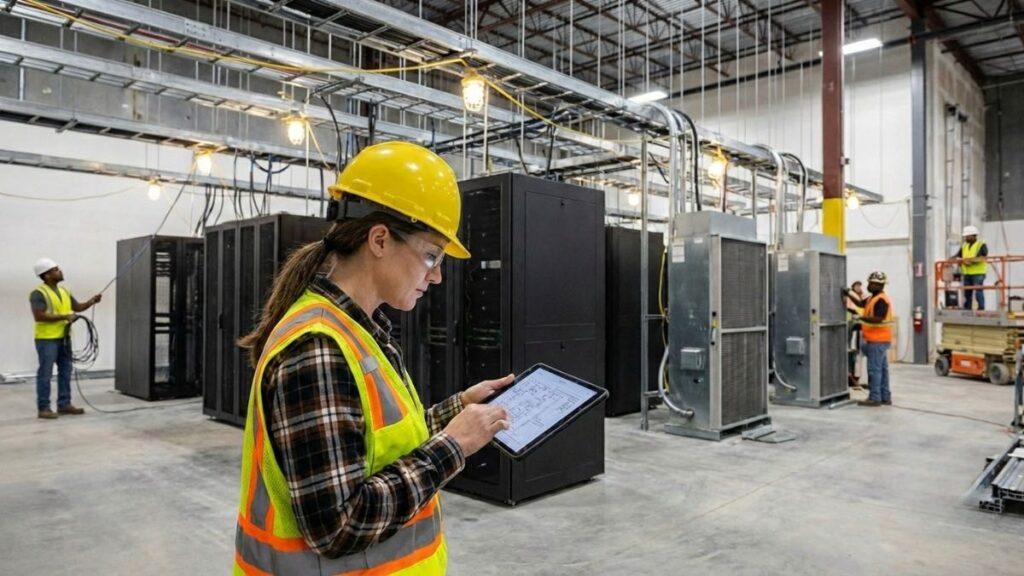
Data centers are no longer niche facilities. They are critical infrastructure underpinning the U.S. digital economy. Artificial intelligence processing, machine learning workloads, streaming services, financial systems, and enterprise cloud migration all require expanded physical server capacity. This translates directly into increased demand for advanced HVAC systems, power distribution networks, and complex electrical engineering.
Unlike standard commercial buildings, data centers operate under strict uptime requirements. Temperature control, humidity stability, and energy efficiency are mission-critical. Contractors specializing in mechanical and electrical systems capable of meeting these standards command premium pricing. Comfort Systems USA’s positioning within this environment explains why investors perceive durable growth rather than cyclical momentum.
The scale of new data center campuses in states such as Texas, Virginia, Arizona, and Ohio is reshaping regional labor and subcontractor demand. Projects often exceed hundreds of millions of dollars in value and require multi-phase development. Specialty contractors embedded in these pipelines gain long-term backlog visibility that traditional retail or office projects cannot provide in 2026.
Capital markets favor specialization over general exposure
The surge in Comfort Systems USA stock performance highlights a broader capital allocation trend. Investors increasingly favor construction firms aligned with structural growth sectors rather than broad exposure to volatile segments. Residential construction may experience rate-driven swings. Office construction remains uneven. Industrial logistics is moderating. But digital infrastructure continues expanding aggressively.
Specialty contracting companies focused on HVAC, electrical systems, power redundancy, and mission-critical installations are benefiting from this strategic capital shift. Public equity performance influences financing conditions, acquisition opportunities, and competitive positioning. Strong stock valuations provide access to capital for expansion, equipment upgrades, and workforce scaling.
This differentiation matters. Contractors positioned in high-demand verticals enjoy stronger negotiation leverage and pricing discipline. In contrast, companies competing in oversupplied markets face margin compression. The data center boom demonstrates how aligning services with macro-level technology investment trends enhances financial stability.
Workforce and operational implications
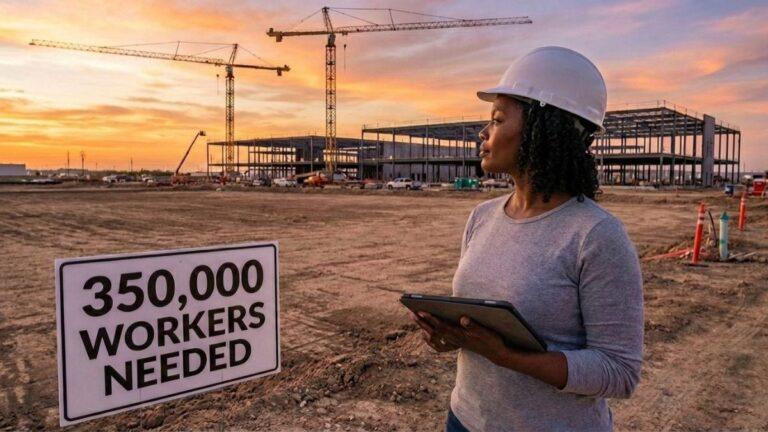
The growth in data center construction intensifies demand for skilled electricians, HVAC technicians, controls specialists, and commissioning professionals. Workforce competition is escalating in high-growth states, creating upward wage pressure and training requirements. Specialty contractors must invest in talent pipelines to maintain execution capacity.
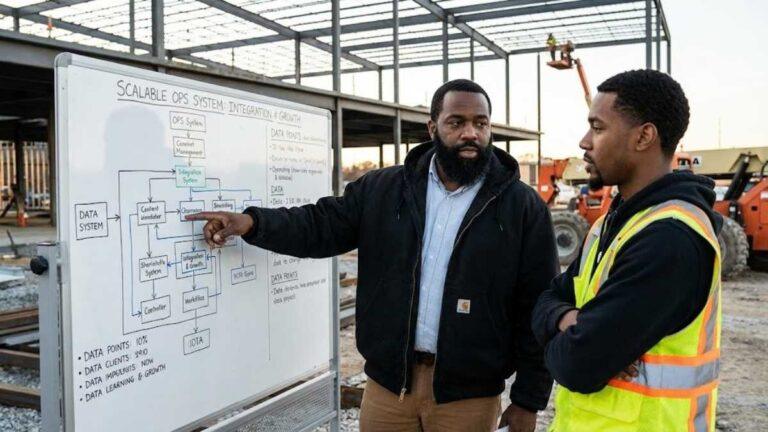
Operational complexity also increases. Data center projects require coordination between mechanical, electrical, and IT infrastructure systems. Contractors unable to manage integrated delivery models risk exclusion from future bids. Firms that build strong project management systems and performance documentation capabilities gain reputational advantages.
The ripple effects extend beyond specialty firms. General contractors, suppliers, and engineering firms participating in data center ecosystems experience elevated activity. However, entry barriers remain high. Technical requirements and reliability standards limit participation to firms with demonstrated expertise.
Strategic lessons for contractors in 2026
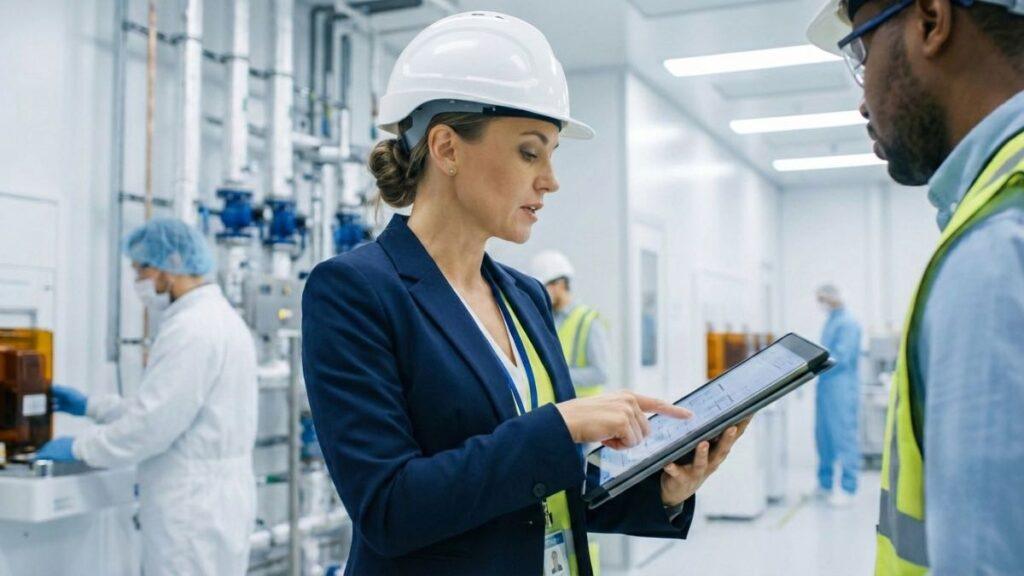
Comfort Systems USA’s performance illustrates a core principle: growth concentrates where structural demand is strongest. Contractors seeking momentum in 2026 should evaluate sector alignment rather than broad expansion. Identifying infrastructure-driven niches—such as data centers, semiconductor facilities, renewable energy plants, and advanced manufacturing—can yield more stable pipelines than traditional segments.
This does not imply abandoning diversified portfolios. Instead, it suggests reallocating strategic focus toward segments with long-term capital backing. Digital transformation, artificial intelligence expansion, and enterprise data security needs are unlikely to reverse in the near term. Contractors positioned to serve these trends benefit from durable tailwinds.
The broader construction industry can learn from this example. Market outperformance often comes from targeted expertise rather than generalized capability. As capital markets reward specialization, operational discipline and sector knowledge become primary growth drivers.
More from Builder Inteligence

Frequently Asked Questions
1. Why is Comfort Systems USA benefiting so strongly from data center construction?
Comfort Systems USA specializes in HVAC and electrical services critical to data center operations. As hyperscale facilities expand nationwide, demand for mission-critical climate control and power infrastructure increases. This specialized alignment provides strong backlog visibility and investor confidence.
While no segment is entirely risk-free, data center demand is driven by long-term digital infrastructure needs rather than short-term consumer cycles. Artificial intelligence growth and cloud expansion create durable capital investment trends supporting relative stability.
General contractors involved in data center ecosystems benefit from larger project volumes and multi-phase developments. However, they must coordinate specialized trades effectively and meet strict performance standards to remain competitive.
Skilled labor shortages intensify as electricians and HVAC professionals become increasingly sought after. Contractors must invest in training, recruitment, and retention to avoid capacity constraints that could limit growth opportunities.