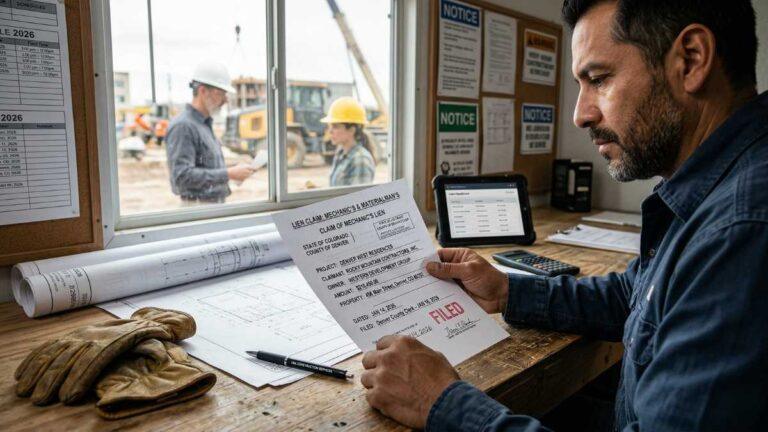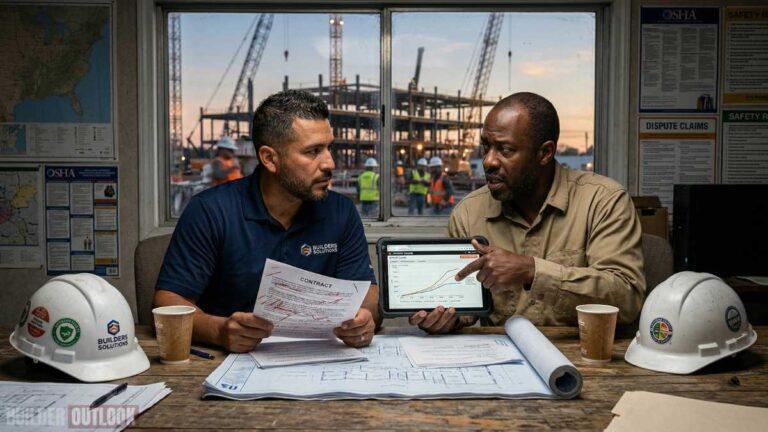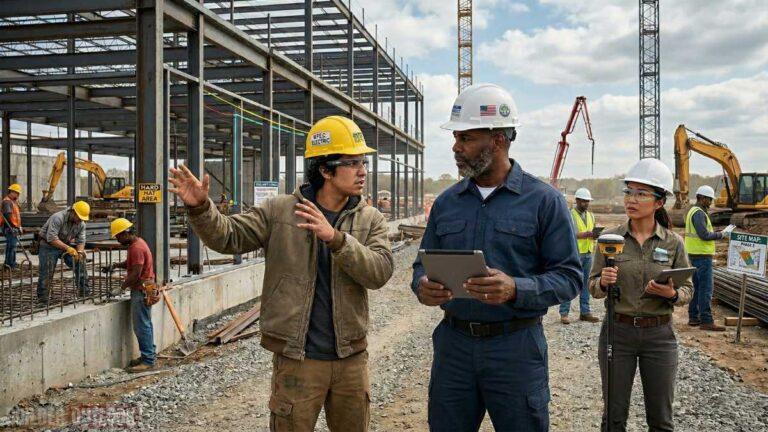
Hiring in construction has fundamentally changed. In 2026, the companies struggling to fill crews are often not failing because of weak HR processes, but because of weak market positioning. Labor shortages have exposed a reality many contractors resisted for years. Workers choose employers the same way clients choose contractors. Visibility, clarity, reputation, and trust now drive hiring outcomes more than internal recruiting workflows alone.
This shift has turned hiring into a front-end marketing problem. Contractors who rely solely on job boards, referrals, or word-of-mouth are competing in an increasingly crowded and transparent labor market. Skilled workers are not passively waiting for offers. They actively compare companies, assess leadership credibility, and filter out employers who look unstable or disorganized before any conversation happens.
How the construction labor market became visibility-driven
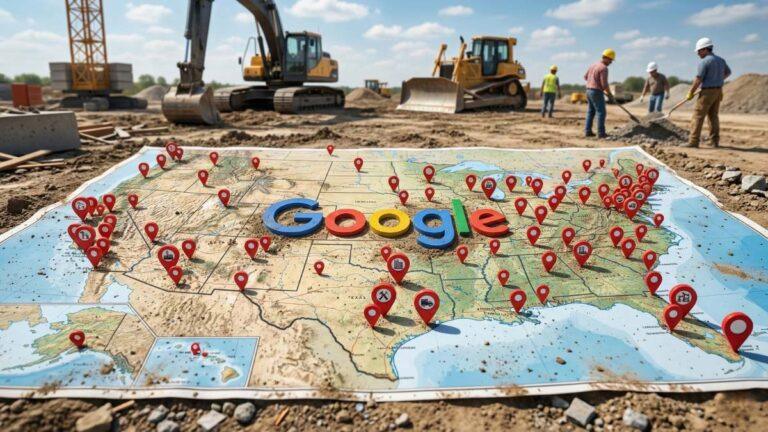
The modern construction worker has access to information that did not exist a decade ago. Google reviews, social media, project photos, and even employer branding videos shape perception instantly. A contractor’s online footprint now acts as the first interview, often determining whether a worker will apply at all.
In this environment, invisibility equals irrelevance. Contractors without a clear digital presence are assumed to be outdated, chaotic, or financially unstable. Even excellent companies lose candidates simply because they fail to communicate professionalism and structure online. Marketing now determines who enters the hiring funnel long before HR is involved.
This is especially true in competitive metro areas across the United States, where skilled labor has options. Workers gravitate toward companies that look organized, consistent, and intentional. Marketing signals operational maturity, which workers associate with predictable schedules, fair pay practices, and safer jobsites.


Why HR alone cannot solve hiring failures anymore
HR departments are designed to process applicants, not generate demand. When applicant flow dries up, the issue is rarely internal screening. It is external perception. Contractors who blame HR for empty pipelines are misdiagnosing the problem and wasting time fixing downstream symptoms.
Marketing controls upstream awareness. It defines how the company is perceived before a job listing is ever read. When marketing fails, HR receives fewer applicants, lower-quality candidates, and higher churn. When marketing succeeds, HR operates efficiently because the right people self-select into the process.
This shift requires contractors to integrate hiring strategy with branding, content, and local visibility. Recruiting campaigns without supporting marketing infrastructure rarely perform consistently in 2026, especially for specialized trades.
The role of employer messaging in attracting the right crews
Employer messaging is not about slogans. It is about clarity. Workers want to understand what type of work the company does, how leadership communicates, what standards are enforced, and how predictable the workflow is. Vague messaging creates hesitation. Clear positioning creates confidence.
Marketing content that highlights real projects, real crews, and real processes builds credibility. Workers are not impressed by perfection. They respond to transparency. Showing how the company operates day to day filters candidates more effectively than generic hiring ads.
This messaging also reduces turnover. When workers know exactly what they are joining, fewer surprises occur after onboarding. Marketing that aligns expectations protects both hiring outcomes and long-term workforce stability.
Why contractors who ignore marketing lose the labor war
In 2026, the labor market rewards companies that look prepared. Contractors who treat marketing as optional discover that hiring costs rise while retention falls. They spend more time reacting to shortages instead of building sustainable pipelines.
Marketing is no longer a growth luxury. It is a workforce defense mechanism. Contractors who invest in visibility, employer branding, and GEO-targeted presence control their labor narrative instead of being judged by silence.
The companies winning the labor war are not always the highest payers. They are the clearest communicators. They understand that hiring begins with perception, not paperwork.
More from Builder Inteligence



FAQ – Why hiring is now a marketing problem, not just an HR problem
1. Why is hiring considered a marketing problem in construction today?
Because workers evaluate companies before applying, using online presence, reviews, and reputation. Marketing shapes perception at the top of the funnel, determining whether HR ever receives an application.
2. Can HR alone fix construction hiring shortages?
No. HR can optimize processes, but cannot create demand. Without strong employer branding and visibility, HR teams receive fewer and lower-quality candidates regardless of internal efficiency.
3. How does marketing affect construction labor retention?
Marketing sets expectations. When messaging aligns with reality, workers stay longer. Misaligned or vague messaging leads to early exits caused by disappointment rather than performance issues.
4. What marketing assets matter most for hiring crews?
A clear website, Google Business profile, real project content, consistent branding, and visible leadership communication matter more than paid job ads alone.
5. Is this shift happening nationwide or only in major cities?
It is nationwide. Rural and suburban markets are also affected because workers now compare employers regionally, not just locally, using digital tools.
6. Do skilled trades really avoid companies with weak online presence?
Yes. Weak or outdated online presence signals instability. Workers associate it with late payments, poor planning, and unsafe jobsites.
7. How does GEO marketing support hiring?
Local SEO ensures workers searching for jobs in specific cities find the company. GEO visibility connects employer branding with regional labor demand.
8. What is the biggest mistake contractors make when hiring in 2026?
Treating hiring as an internal problem only. The real issue is often external perception and lack of visibility, which marketing must address first.