A bad hire in construction rarely shows its full cost on day one. The damage unfolds slowly, spreading across productivity, safety, morale, scheduling, and client trust. By the time leadership acknowledges the problem, the financial impact has already multiplied far beyond wages or onboarding costs. In 2026, when labor pressure remains high, contractors cannot afford to treat hiring mistakes as isolated HR issues.
Most contractors underestimate how deeply one wrong hire disrupts operations. A single underqualified or misaligned worker increases supervision load, slows crews, raises rework rates, and creates friction inside teams. These effects compound, especially on tight schedules where coordination matters more than headcount.
The real cost of a bad hire is not replacement. It is the operational drag created while the person remains on site, often longer than they should, because companies fear restarting the hiring process.
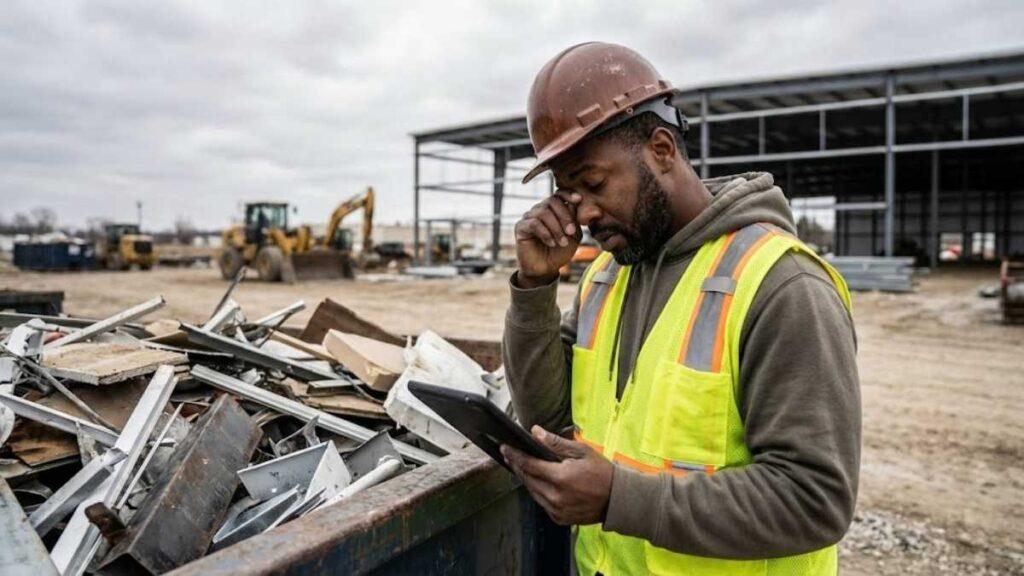
Where the hidden costs actually accumulate
The first hidden cost appears in productivity. Crews adjust their pace to accommodate the weakest link, which lowers output across the board. This drag is subtle but persistent, affecting daily production targets and schedule reliability.
The second cost is rework. Mistakes caused by lack of skill, attention, or accountability rarely stay contained. They force corrections that consume labor hours from skilled workers, not just the person who caused the issue.
The third cost is cultural erosion. High performers become frustrated when they must compensate for poor hires. Over time, this drives turnover among the very workers contractors need most, amplifying the original mistake.
Why contractors keep bad hires longer than they should
Labor scarcity creates hesitation. Contractors fear that removing a bad hire will leave crews understaffed, even if that worker contributes less than expected. This mindset prioritizes headcount over effectiveness.
There is also a sunk cost bias. Time invested in onboarding, training, and paperwork creates resistance to admitting the hire was wrong. Leaders delay action, hoping performance improves.
Finally, unclear performance metrics make it harder to justify decisions. When expectations are not clearly defined, poor performance becomes subjective, prolonging the problem.
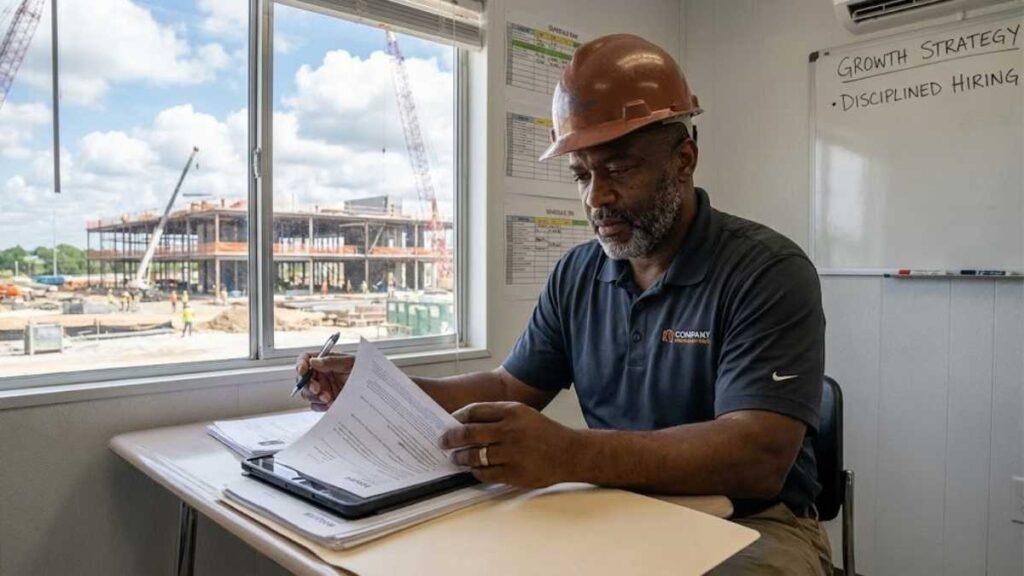
How top contractors cut the cost in Half
High-performing contractors focus on faster detection, not perfect hiring. They define clear performance indicators for the first 30, 60, and 90 days, making misalignment visible early.
They also redesign onboarding to test real job conditions quickly. Instead of extended orientation, new hires are evaluated through supervised execution, revealing gaps before damage accumulates.
Most importantly, they build a continuous recruiting pipeline. When replacement is always possible, leaders act faster and reduce the duration of costly mistakes.
Why hiring discipline is now a growth strategy
In 2026, workforce stability determines scalability. Contractors who reduce hiring errors protect margins, schedules, and reputation simultaneously.
Owners notice consistency. Fewer mistakes, smoother coordination, and stable crews signal operational maturity, increasing trust and repeat work.
Cutting the cost of bad hires is not about perfection. It is about speed, clarity, and systems that prevent small mistakes from becoming structural damage.

FAQ – The cost of a bad hire in construction (and how to cut it in half)
1. What is the average cost of a bad hire in construction?
The true cost often reaches several times the worker’s annual pay when productivity loss, rework, supervision time, safety exposure, and crew disruption are fully accounted for.
2. Why do bad hires stay employed for so long?
Labor shortages, sunk costs, and lack of clear performance benchmarks delay decisions even when issues are visible early.
3. How fast should contractors evaluate new hires?
The first 30 to 60 days are critical, with defined output, behavior, and reliability metrics guiding decisions.
4. Does replacing a bad hire always improve performance?
Yes, when replacement restores crew balance and reduces drag, even temporarily understaffed teams often perform better.
5. How can small contractors reduce hiring risk?
By standardizing onboarding, using trial periods, and maintaining an always-active recruiting pipeline.
6. Is rework strongly linked to hiring quality?
Yes. Poor hiring decisions directly correlate with higher error rates and downstream corrections.
7. Why do high performers leave after repeated bad hires?
Because constant compensation for others increases stress, frustration, and perceived unfairness.
8. How does hiring discipline affect long-term growth?
It stabilizes operations, protects margins, and builds credibility with clients and crews alike.