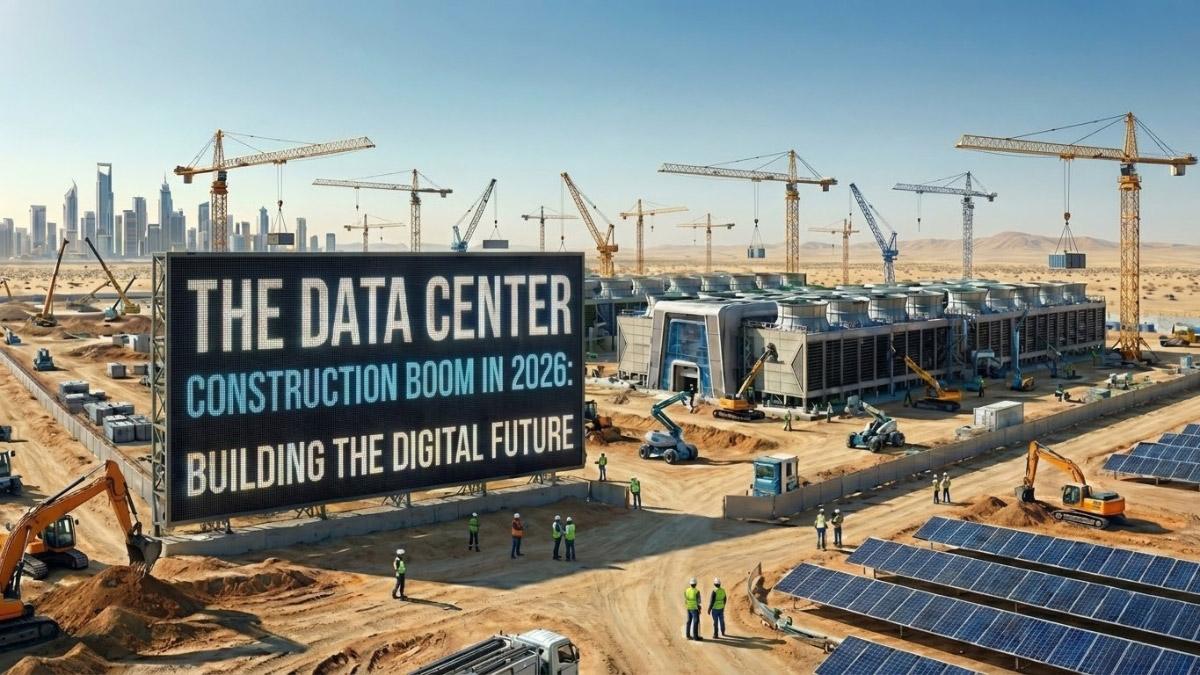
The data center construction boom in 2026 is reshaping the U.S. construction industry
The U.S. construction industry is not growing evenly in 2026.
It is concentrating.
And one sector stands clearly above the rest:
Data center construction.
Across the United States, massive data center projects are breaking ground, expanding, and multiplying at a pace rarely seen before. While some construction segments face slower growth, tighter budgets, or delayed investments, data centers continue to attract billions of dollars, long-term contracts, and specialized construction demand.
This is not a short-term trend.
This is a structural transformation of the construction market.
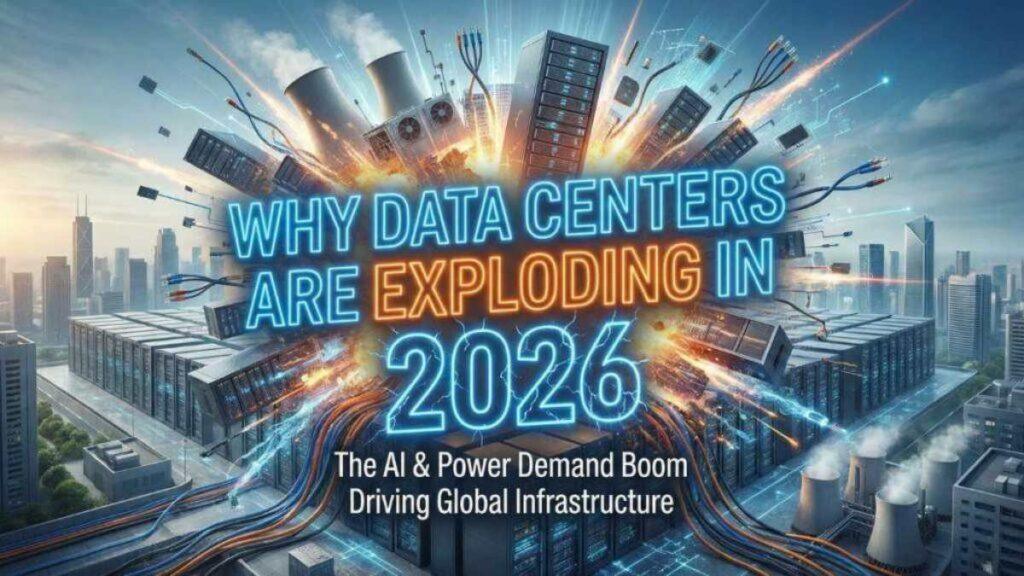
Why data centers are exploding in 2026
The demand for data centers is directly tied to how the world now operates.
Cloud computing, artificial intelligence, remote work, streaming platforms, digital payments, cybersecurity, logistics systems, smart cities, and even healthcare are all powered by data infrastructure.
And data infrastructure requires physical buildings.
Massive ones.
The main drivers behind the boom:
* Artificial intelligence workloads consuming exponential computing power
* Cloud providers expanding regional coverage
* Hyperscalers reducing latency by building closer to users
* Government and defense data storage requirements
* Corporate data sovereignty regulations
* Energy-efficient modernization of older facilities
Every new AI model, platform, and digital service increases the need for secure, scalable, and energy-optimized data centers.
Data centers are not just “buildings”
This is where many contractors misunderstand the opportunity.
A data center is not just another commercial structure.
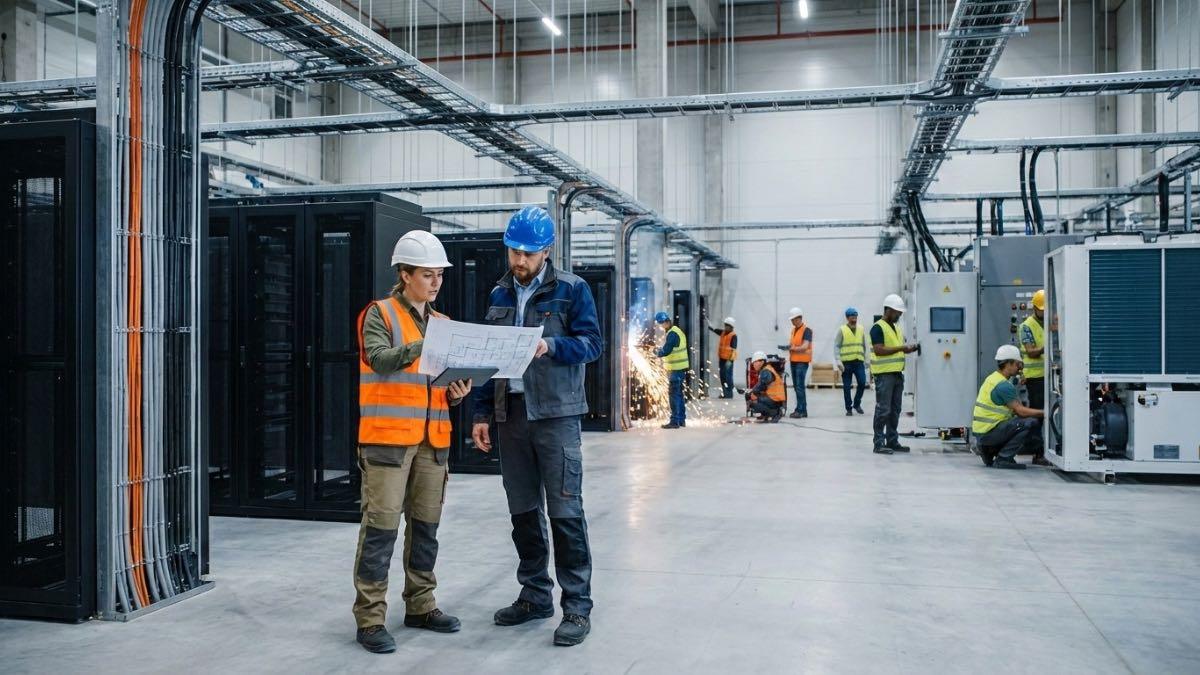
It is a highly specialized asset that demands:
* Precision construction
* Advanced electrical infrastructure
* Redundant power systems
* Cooling and airflow engineering
* Structural resilience
* Compliance with strict safety standards
* Coordination between multiple technical disciplines
In short:
Not every contractor can build a data center.
And that is exactly why this sector is so valuable.
More from Builder Inteligence
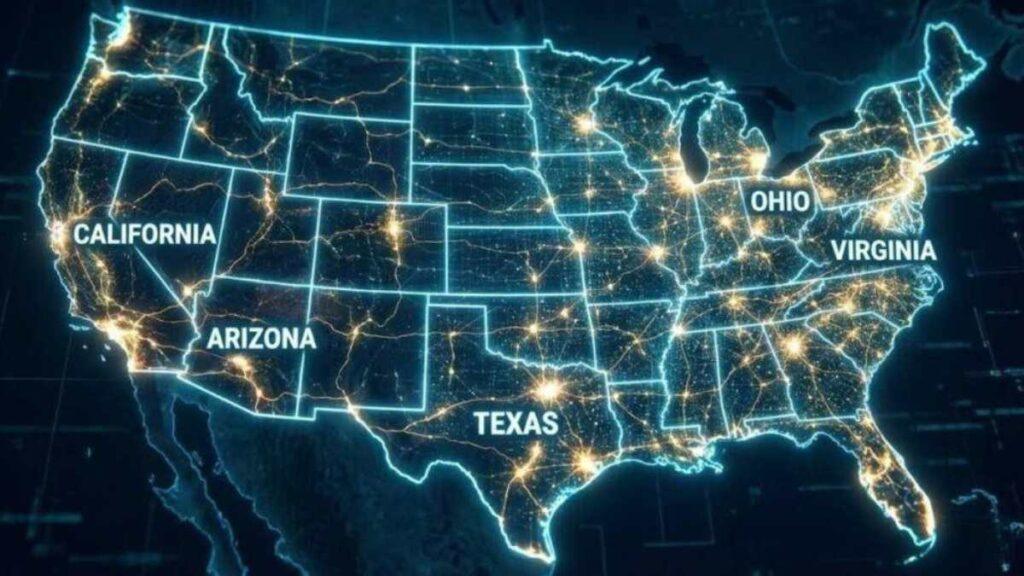
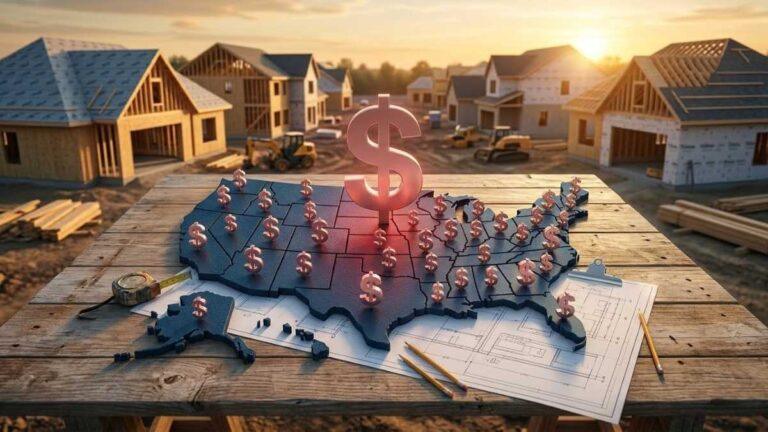
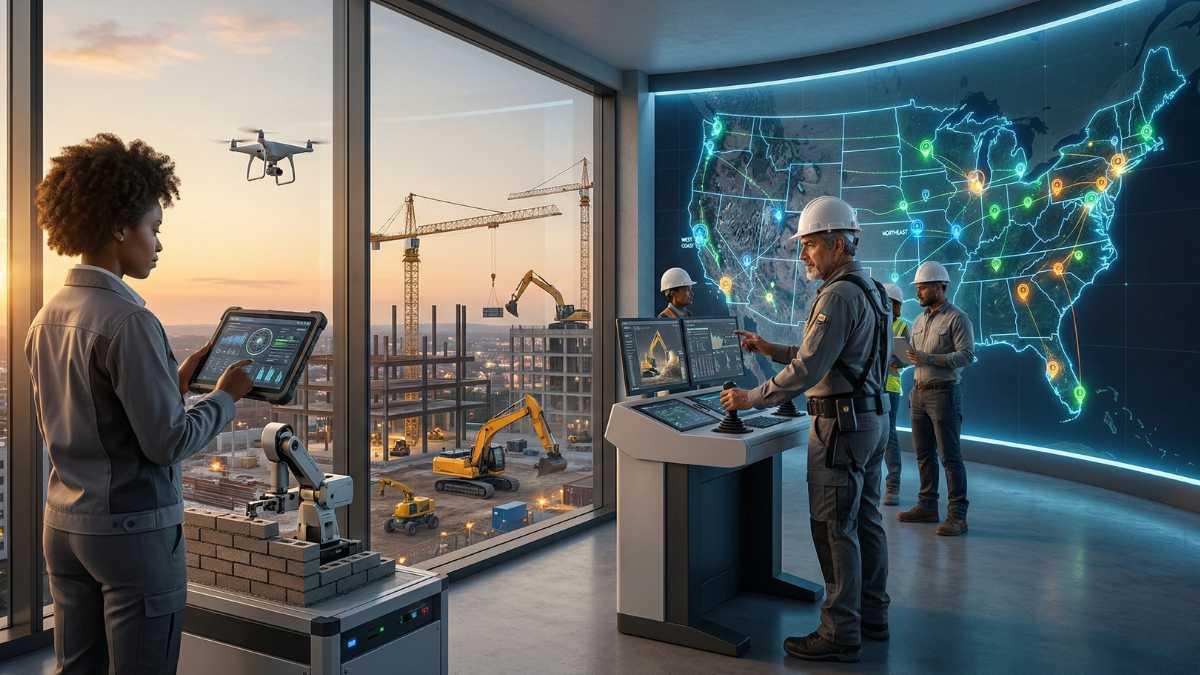
The states leading data center construction
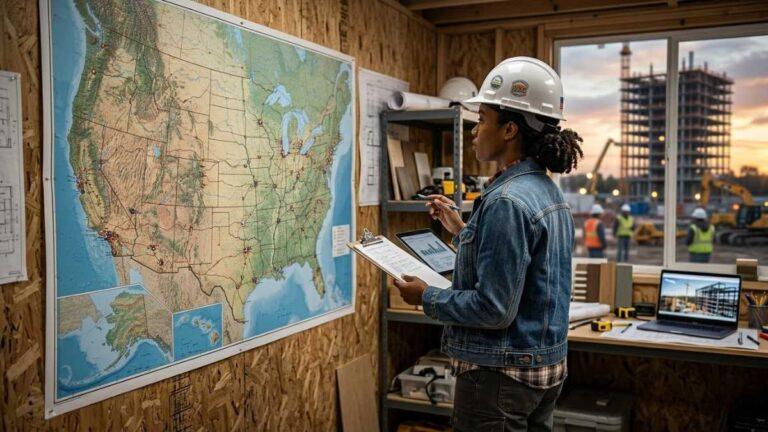
While data center projects exist nationwide, growth is heavily concentrated in strategic regions.
Top data center construction markets in 2026:
* Texas
* Virginia
* Arizona
* Georgia
* Ohio
* California
* North Carolina
* Nevada
These states combine favorable tax policies, available land, energy infrastructure, and proximity to major population or business hubs.
For contractors operating in or near these regions, the opportunity is not theoretical — it is active and expanding.
The role of energy in data center construction
Energy availability has become the single biggest constraint for data center growth.
Modern data centers consume enormous amounts of power. Some facilities rival small cities in energy demand.
As a result:
* Power grid coordination is critical
* Renewable energy integration is increasing
* On-site power generation is becoming more common
* Cooling efficiency is now a competitive differentiator
Construction companies involved in energy systems, electrical installation, HVAC, and infrastructure planning are seeing exceptional demand.
Labor shortages meet specialized construction
The U.S. construction industry already faces a labor shortage.
Data center construction intensifies this challenge.
Why?
Because it requires highly skilled labor, not general construction crews.
* Specialized electricians
* Mechanical systems experts
* Structural engineers
* Project managers with data center experience
* Safety and compliance professionals
This is pushing wages up, accelerating training programs, and forcing contractors to become more professionalized and structured.
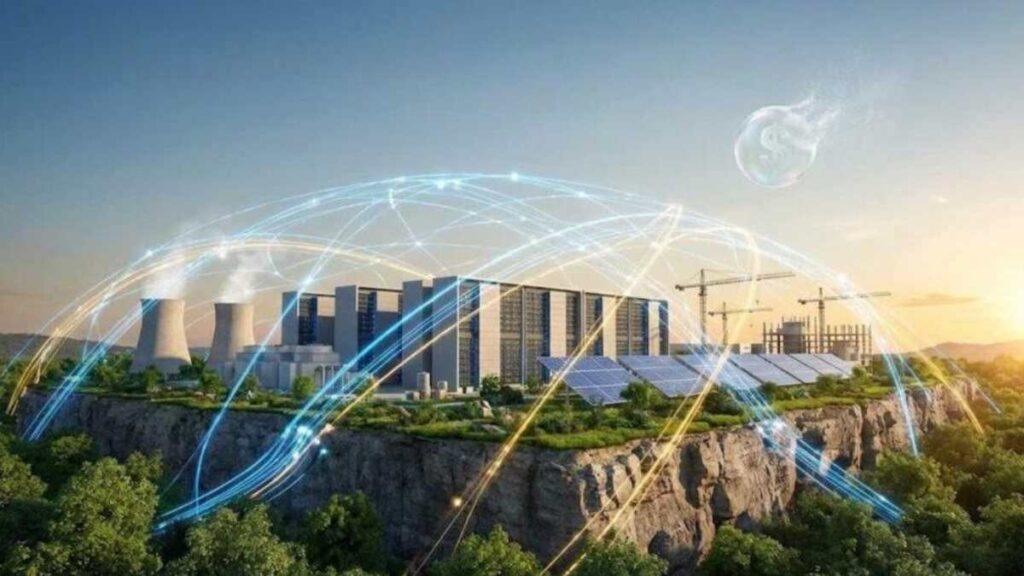
Why this boom is not a bubble (Despite Concerns)
Some analysts warn of a potential oversupply of data centers.
But the reality is more nuanced.
While speculative projects exist, most large-scale developments are:
* Pre-leased
* Backed by long-term cloud contracts
* Supported by enterprise demand
* Driven by AI growth curves that are still accelerating
Even conservative projections show continued expansion well beyond 2026.
This is not a hype cycle.
It is infrastructure catching up to reality.
What this means for construction companies
This boom is separating construction companies into two groups:
– Those who adapt
– Those who stay invisible
Data center developers do not hire based on price alone.
They look for:
* Proven experience
* Professional presentation
* Strong technical positioning
* Clear digital presence
* Credibility and authority
If your company looks unprepared online, you are not even considered.
The digital reality of winning data center contracts
Here is the uncomfortable truth:
Many construction companies capable of executing complex projects lose opportunities before the first meeting.
Why?
Because their digital presence does not reflect their real capacity.
Developers, investors, and partners research online before making contact.
They evaluate:
→ Website clarity
→ Project presentation
→ Brand authority
→ Technical credibility
→ Visual identity
→ Case studies
→ Online consistency
If your online presence feels outdated, improvised, or unclear, trust is lost immediately.
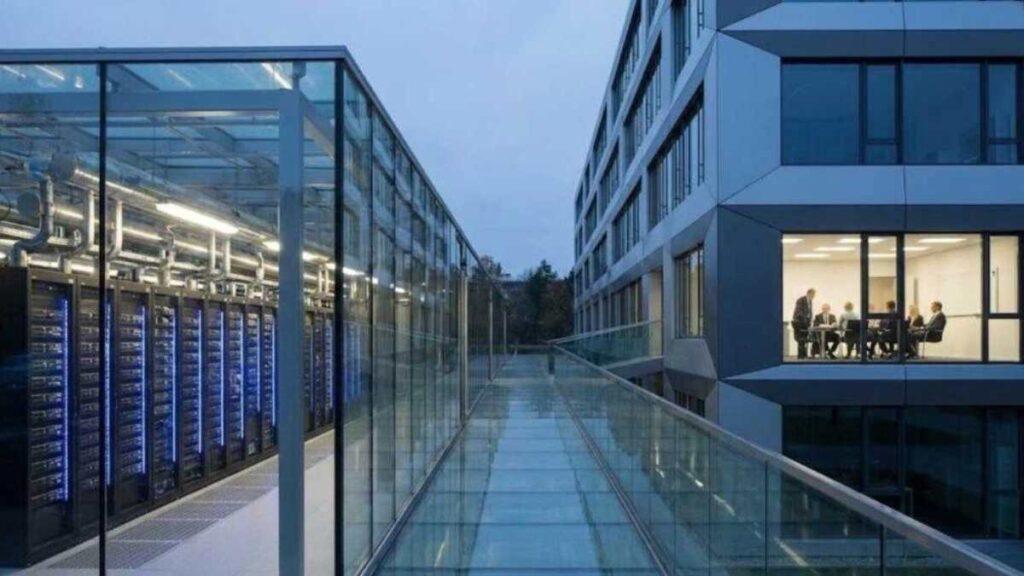
Data centers demand structured companies
This sector does not tolerate improvisation.
Developers want partners who operate with:
* Clear processes
* Organized communication
* Strong documentation
* Professional branding
* Reliable digital systems
Your website, branding, and online communication are not “marketing fluff”.
They are risk indicators.
Why marketing for data center contractors is different
Traditional construction marketing does not work here.
This audience is not looking for:
* Loud slogans
* Cheap ads
* Generic content
They look for signals of competence.
That means:
* Clean, fast, authoritative websites
* Technical language used correctly
* Visual consistency
* Clear positioning
* Proof of specialization
Marketing becomes a trust-building system, not a sales trick.
The contractors winning in 2026 are doing this
The companies benefiting most from the data center boom are:
→ Investing in rebranding
→ Updating outdated websites
→ Structuring their online presence
→ Publishing authoritative content
→ Presenting real projects clearly
→ Aligning brand with technical reality
They are not guessing online.
They are operating with structure.
What happens if you ignore this shift
Ignoring this transformation has a cost.
* Missed bids
* Fewer invitations
* Lower perceived value
* Price-based competition
* Reduced margins
In a sector where contracts reach hundreds of millions, presentation matters.
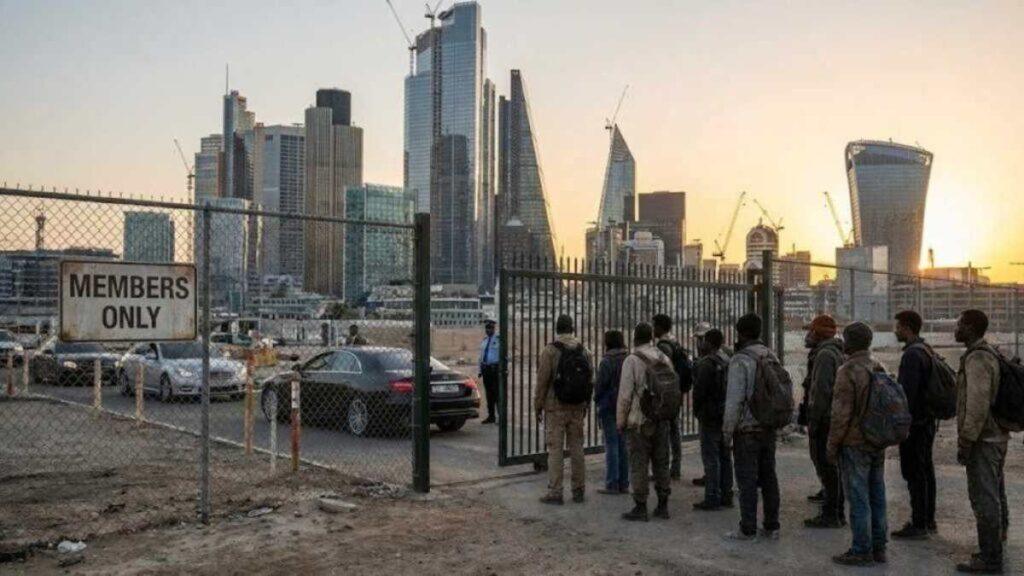
The boom is real — but access is selective
The data center construction boom is not slowing.
But access to it is selective.
Only companies that look prepared, structured, and credible will participate consistently.
This is not about hype.
This is about positioning.
2026 is not forgiving unprepared companies.
Data centers are being built.
Contracts are being signed.
Decisions are being made.
The question is simple:
When they look you up — what do they see?
Builder Inteligence
Frequently Asked Questions
1 – Why is data center construction growing so fast in the United States in 2026?
Data center construction is expanding rapidly in the U.S. due to the growth of artificial intelligence, cloud computing, digital services, and data sovereignty requirements. These technologies demand physical infrastructure, driving large-scale construction projects nationwide.
2 – Which U.S. states are leading data center construction projects in 2026?
The leading states for data center construction include Texas, Virginia, Arizona, Georgia, Ohio, California, North Carolina, and Nevada. These regions offer strong energy infrastructure, favorable regulations, available land, and proximity to major business hubs.
3 – Is data center construction concentrated in specific regions of the U.S.?
Yes. Growth is heavily concentrated in the Southeast, Midwest, Southwest, and parts of the West Coast. These regions provide scalable power grids, logistics access, and workforce availability, making them attractive for hyperscale and enterprise data center developments.
4 – What types of construction companies are hired for data center projects?
Data center projects require specialized construction companies with experience in electrical systems, HVAC, cooling infrastructure, power redundancy, structural resilience, and compliance with strict safety and operational standards.
5 – Why is energy infrastructure so important for data center construction?
Data centers consume massive amounts of electricity. Construction planning must account for grid capacity, renewable energy integration, backup power systems, and cooling efficiency, making energy infrastructure one of the most critical project constraints.
6 – Does the data center construction boom create new job opportunities in the U.S.?
Yes. Data center construction is increasing demand for skilled labor, including electricians, mechanical specialists, engineers, and project managers. This trend is intensifying competition for qualified workers across the U.S. construction industry.
7 – Is the data center construction boom a bubble or a long-term trend?
Most large data center projects are backed by long-term cloud and enterprise contracts. While speculative developments exist, demand driven by AI and digital infrastructure suggests sustained growth well beyond 2026.
8 – How do developers choose contractors for data center construction projects?
Developers prioritize experience, technical credibility, operational structure, safety compliance, and professional presentation. Contractors with clear digital presence, documented case studies, and specialized positioning gain a competitive advantage.
9 – Why does online presence matter for data center construction companies?
Developers, investors, and partners research contractors online before making contact. A professional website, clear branding, and consistent communication signal reliability and reduce perceived risk in high-value infrastructure projects.
10 – How does GEO optimization help construction companies targeting data center projects?
GEO optimization helps construction companies appear in location-based searches such as “data center construction Texas” or “data center contractors Virginia.” This improves visibility among developers seeking regional expertise and local partners.
11 – What role does marketing play in winning data center construction contracts?
Marketing for data center construction is not promotional—it is credibility-driven. Clear positioning, technical language, and authoritative presentation help companies demonstrate readiness for complex, high-stakes projects.
12 – How does Caldas Marketing support construction companies targeting data center projects?
Caldas Marketing builds structured branding, websites, SEO, GEO strategies, and digital positioning for construction companies. The goal is to help contractors look credible, prepared, and competitive in specialized infrastructure markets.