Housing shortage in the United States: why the country still cannot build enough homes
The housing shortage in the United States has become one of the most important structural challenges affecting the construction industry, the broader economy, and millions of American families. Despite strong demand for housing and significant increases in construction activity during the past decade, the country continues to face a persistent deficit of available homes. This shortage has contributed to rising home prices, increased rental costs, and intense competition for available housing across many metropolitan areas.
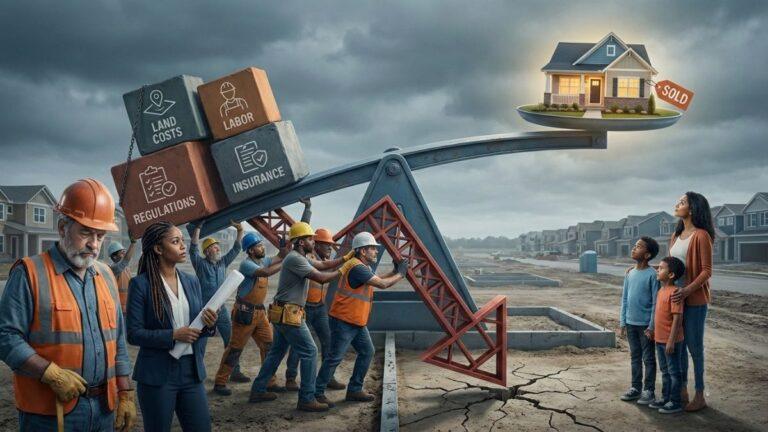
For builders, developers, and construction companies, the housing shortage represents both a major opportunity and a complex operational challenge. Demand for new homes continues to grow as population increases, household formation accelerates, and migration patterns shift toward rapidly expanding regions. At the same time, builders must navigate regulatory barriers, labor shortages, rising material costs, and land availability constraints that make it difficult to build housing at the scale required to meet demand.
Understanding the causes of the housing shortage is essential for anyone working in the construction industry. Contractors who understand the structural forces behind housing demand are better positioned to identify profitable markets, evaluate development opportunities, and anticipate long-term industry trends.
The scale of the housing shortage in the United States
Multiple economic studies have concluded that the United States faces a significant housing supply deficit. The shortage did not develop overnight; rather, it reflects more than a decade of underbuilding following the housing market crash of 2008. During the years after the financial crisis, home construction slowed dramatically as developers, lenders, and builders reduced risk exposure. While construction activity eventually recovered, the pace of new housing development did not fully keep up with population growth and demographic demand.
According to housing market research conducted by the National Association of Realtors, the United States currently faces a housing supply gap estimated in the millions of units. This gap represents the difference between the number of homes that exist today and the number of homes required to meet demand from households across the country.
National Association of Realtors – housing supply research
This shortage is particularly visible in rapidly growing metropolitan areas where population growth has significantly outpaced housing construction. Cities in states such as Texas, Florida, Arizona, Colorado, and North Carolina have experienced strong population inflows during the past decade, creating intense demand for new residential construction.
Population growth and demographic demand
One of the primary drivers of housing demand in the United States is demographic change. Population growth, household formation, and generational trends all influence the demand for housing units.
Millennials, who represent one of the largest generations in American history, have entered the housing market in large numbers during the past decade. Many millennials delayed homeownership during the years following the financial crisis due to student debt, employment instability, and rising housing costs. As this generation has matured and achieved greater financial stability, demand for homes has increased substantially.
At the same time, migration patterns have shifted within the United States. Many households have relocated from expensive coastal regions to more affordable states in the south and west. This migration has intensified demand for housing in states such as Florida, Texas, and Tennessee, where population growth has accelerated.
These demographic forces mean that the need for new housing construction will likely remain strong for many years.
Advertising

Zoning laws and regulatory barriers
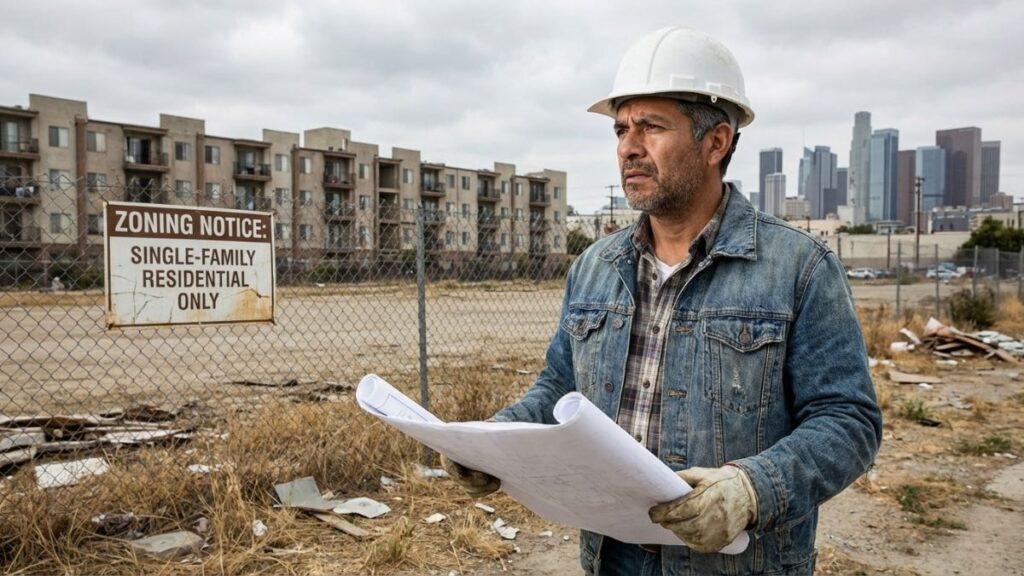
While demand for housing is strong, the ability to build new homes is often constrained by regulatory factors. Zoning laws, permitting processes, land use restrictions, and environmental regulations can significantly limit the speed at which housing projects are approved and constructed.
In many metropolitan areas, local zoning regulations restrict the types of housing that can be built. For example, large portions of urban land may be designated exclusively for single-family homes, preventing the development of multi-family housing such as apartments or townhouses. These restrictions reduce housing density and limit the number of homes that can be constructed within growing cities.
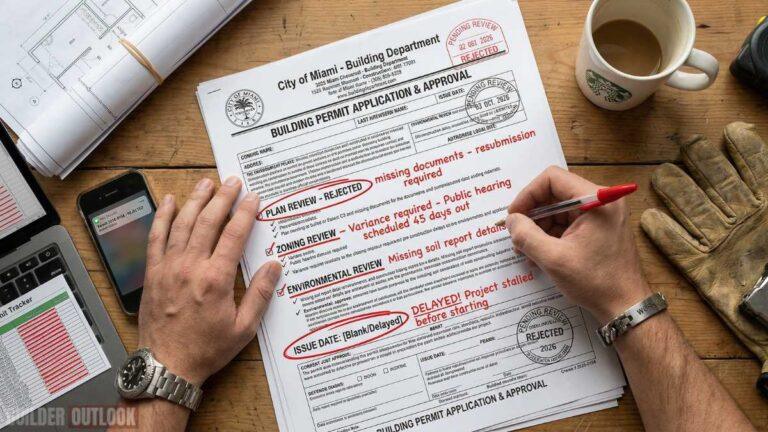
Permitting processes can also delay construction projects. Builders must obtain multiple approvals before beginning construction, including site plans, environmental reviews, building permits, and infrastructure approvals.
Urban Institute – housing regulation analysis
Lengthy approval timelines increase development costs and reduce the number of projects that developers are willing to pursue.
Labor shortages in the construction industry
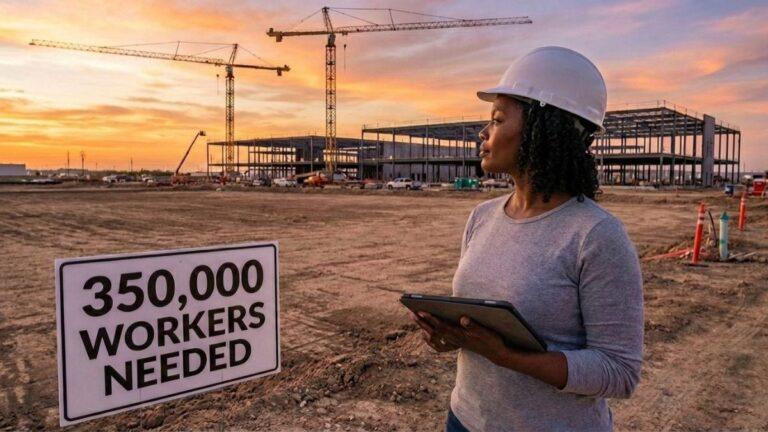
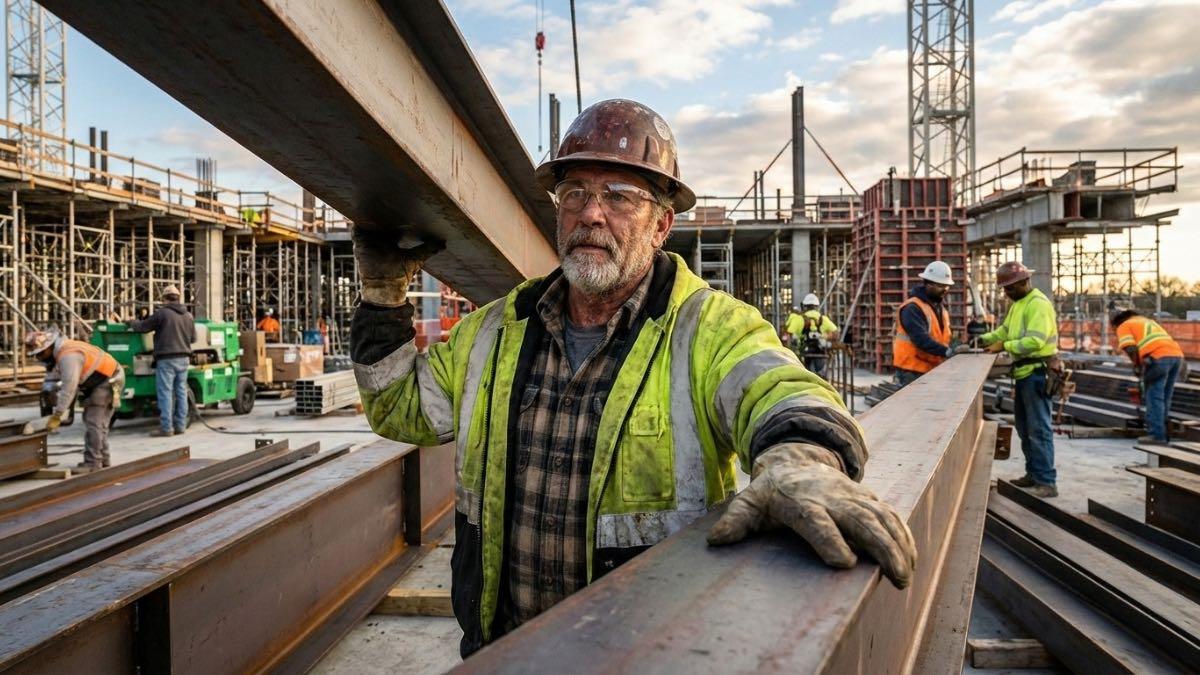
Another major factor contributing to the housing shortage is the shortage of skilled construction workers. The construction workforce has struggled to grow quickly enough to meet the demand for new housing development.
Many experienced construction workers retired during the years following the financial crisis, and fewer young workers entered the skilled trades during that period. As construction demand recovered, contractors faced increasing difficulty recruiting carpenters, electricians, plumbers, and other specialized trades.
Associated Builders and Contractors – workforce shortage report
When builders cannot assemble enough crews to complete projects efficiently, housing production slows and project timelines extend. This labor constraint limits the number of homes that can be built each year.
Rising construction costs
Construction costs have increased significantly during the past decade due to multiple economic pressures. Rising material costs, supply chain disruptions, and labor shortages have all contributed to higher project expenses.
Materials such as lumber, steel, concrete, and electrical components experienced significant price increases during the years following the COVID-19 pandemic. Although some of these costs have stabilized, construction materials remain more expensive than they were during previous housing cycles.
Higher costs create challenges for developers attempting to build affordable housing. Projects that would have been financially viable several years ago may no longer generate acceptable profit margins due to increased construction expenses.
As a result, some housing developments are delayed or canceled, further contributing to the overall housing shortage.
Opportunities for builders and contractors
Despite the challenges associated with the housing shortage, the situation also presents major opportunities for construction companies. Builders who understand housing demand trends can identify markets where new development is urgently needed.
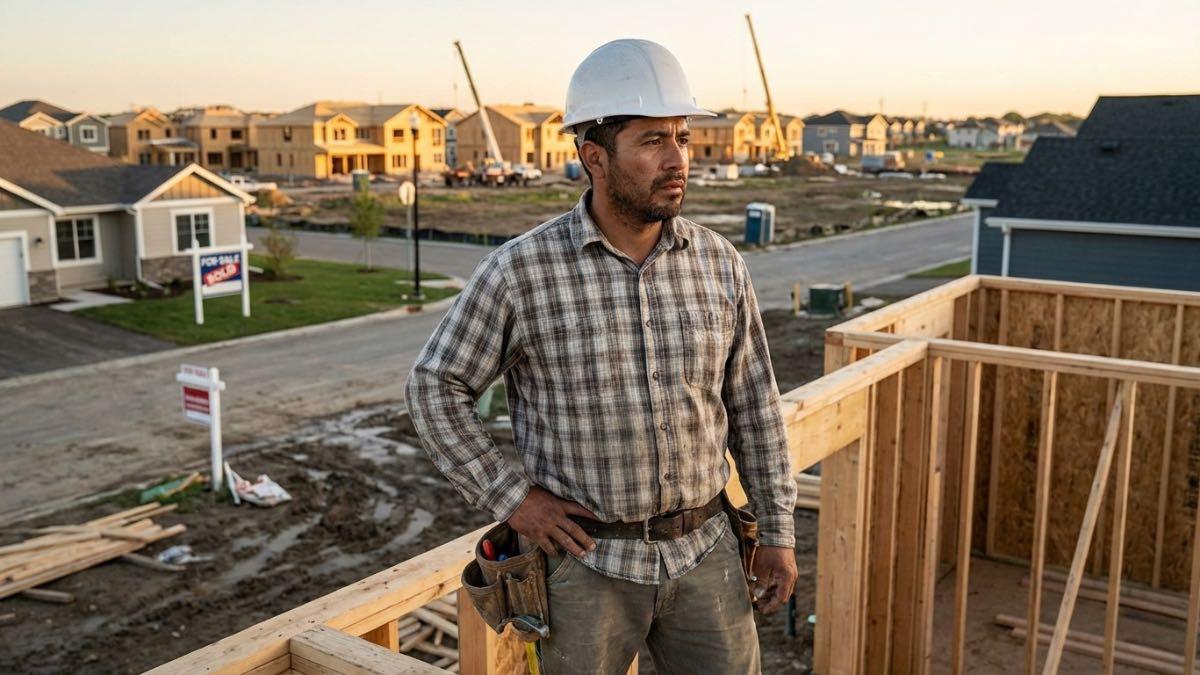
States experiencing rapid population growth offer particularly strong opportunities for residential construction. Builders operating in regions such as Florida, Texas, Arizona, and North Carolina often benefit from strong demand for both single-family and multi-family housing.
Contractors who specialize in residential construction, land development, and infrastructure projects supporting new communities may experience sustained growth opportunities as the housing supply gap gradually narrows.
Developers who build efficient construction systems, strong subcontractor networks, and reliable supply chains will be best positioned to succeed in this environment.
More from Builder Inteligence
Advertising

FAQ – Housing shortage in the united states: why the country still cannot build
enough homes
1. Why does the united states have a housing shortage?
The housing shortage developed after the 2008 financial crisis when home construction slowed dramatically. Population growth and household formation continued while housing development lagged behind demand for many years.
2. How many homes are missing in the united states housing market?
Several economic studies estimate that the United States housing market lacks millions of housing units. This shortage varies by region but is particularly severe in rapidly growing metropolitan areas.
3. Which states have the largest housing shortages?
States with strong population growth such as Texas, Florida, Arizona, and Colorado often experience significant housing shortages due to migration and economic expansion.
4. How do zoning laws affect housing construction?
Zoning laws restrict the types of buildings that can be constructed in certain areas. These restrictions can limit housing density and slow the development of new residential projects.
5. How does the construction workforce shortage affect housing supply?
When construction companies cannot recruit enough skilled workers, projects take longer to complete and fewer homes are built each year.
6. Do high construction costs contribute to the housing shortage?
Yes. Rising material prices and labor costs increase development expenses, which can make some housing projects financially unviable.
7. Can builders benefit from the housing shortage?
Builders can benefit from strong demand for housing, particularly in regions experiencing population growth and economic expansion.
8. Will the housing shortage be solved soon?
Most analysts believe the housing shortage will take many years to resolve because housing construction must increase significantly to close the supply gap.