Obtaining a contractor license in the United States usually involves more than submitting an application and verifying experience. In many states, contractors must also pass one or more licensing exams before they are legally authorized to perform construction work. These exams are designed to ensure that construction professionals possess the knowledge necessary to manage projects safely, comply with building regulations, and operate construction businesses responsibly.
Contractor licensing exams play a crucial role in maintaining professional standards across the construction industry. Because construction work directly affects public safety, property integrity, and structural reliability, regulators require contractors to demonstrate technical competence before allowing them to supervise projects or perform specialized work. These exams help confirm that contractors understand construction practices, building codes, safety standards, and the legal responsibilities associated with managing construction operations.
Another reason contractor licensing exams are important is that construction projects often involve complex coordination between multiple trades, building inspectors, engineers, and local authorities. Licensed contractors must be capable of interpreting construction plans, complying with local regulations, and ensuring that work meets industry standards. Licensing exams help verify that applicants possess the knowledge needed to handle these responsibilities.
For many contractors, licensing exams represent one of the final steps before launching or expanding a construction business. Understanding how these exams work—and how to prepare for them—can significantly increase the chances of passing on the first attempt and obtaining a contractor license more efficiently.
Types of contractor licensing exams
Most states that require contractor licenses also require applicants to pass one or more exams. These exams typically fall into two main categories: trade knowledge exams and business or law exams.
Trade knowledge exams evaluate a contractor’s understanding of construction techniques, building materials, project management practices, and technical standards related to the specific license classification. For example, a general contractor exam may cover topics such as structural framing, concrete work, roofing systems, and project scheduling.
Specialty contractors, such as electricians or plumbers, usually take trade-specific exams that focus on their particular area of expertise. These exams test knowledge of installation procedures, safety protocols, and relevant building codes associated with the trade.
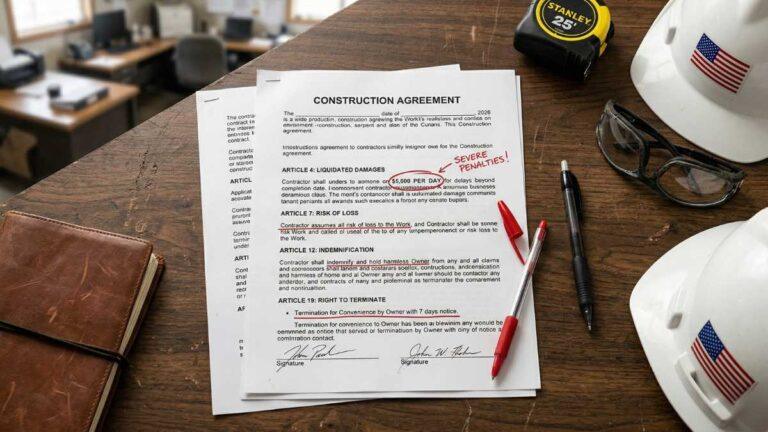
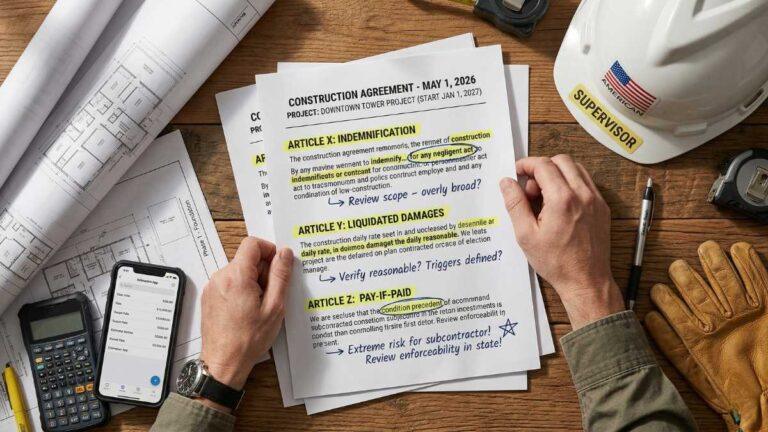
Business and law exams, on the other hand, focus on the legal and administrative aspects of running a construction business. Topics may include contract law, construction regulations, licensing rules, labor laws, and financial management. These exams ensure that contractors understand the regulatory environment in which they operate.
Many states require contractors to pass both types of exams before issuing a license.
Topics commonly covered in contractor licensing exams
Although the exact exam content varies by state and license classification, contractor licensing exams typically include several core subject areas that reflect the responsibilities of licensed construction professionals.
One of the most important topics is construction safety. Contractors must understand occupational safety standards, hazard prevention practices, and workplace safety procedures. This knowledge is essential for protecting workers and ensuring compliance with safety regulations.
Another major topic is building codes and construction regulations. Licensing exams often test a contractor’s ability to interpret building codes, understand permit requirements, and comply with inspection procedures. Because building codes vary between jurisdictions, contractors must demonstrate knowledge of the regulations that govern construction work.
Exams may also include questions about construction project management, including scheduling, estimating, budgeting, and coordination of subcontractors. These skills are critical for managing construction projects efficiently and delivering quality work.
Finally, contractors may be tested on business practices, including contract administration, dispute resolution, and financial management. These topics ensure that contractors can manage their businesses responsibly and maintain professional relationships with clients.
Advertising

How contractor licensing exams are administered
Contractor licensing exams are typically administered through authorized testing providers contracted by state licensing boards. These testing organizations operate secure examination centers where applicants complete their exams under supervised conditions.
Most contractor exams are computer-based and consist of multiple-choice questions. Depending on the state and license classification, exams may include between 80 and 150 questions and may take several hours to complete.
In some states, contractors must pass separate exams for each portion of the licensing process. For example, an applicant might take one exam covering technical construction knowledge and another exam covering business law and regulatory compliance.
Applicants usually receive their exam results shortly after completing the test. If a contractor does not pass, most states allow applicants to retake the exam after a waiting period.
Preparing for contractor licensing exams
Preparing for contractor licensing exams is an important step in the licensing process. Because these exams cover a wide range of topics, many contractors choose to study using preparation guides, online courses, or training programs designed specifically for licensing exams.
Exam preparation materials often include practice tests, study guides, and explanations of common exam topics. These resources help applicants become familiar with the types of questions that may appear on the exam and identify areas where additional study may be needed.
Some contractors also participate in exam preparation courses offered by professional training providers or construction industry organizations. These courses provide structured instruction and guidance on topics that frequently appear in licensing exams.
Proper preparation can significantly increase the likelihood of passing contractor licensing exams on the first attempt. For contractors planning to build long-term careers in the construction industry, investing time in exam preparation is a valuable step toward obtaining a license and establishing professional credibility.
What happens after passing the licensing exam
Passing the contractor licensing exam is a major milestone, but it does not always complete the licensing process. After passing the exam, applicants typically must submit additional documentation before receiving their contractor license.
This may include proof of insurance coverage, contractor license bonds, business registration documents, and licensing fees. Once these requirements are satisfied, the state licensing board will issue the contractor license and authorize the applicant to perform construction work within that jurisdiction.
Licensed contractors must also remain aware of renewal requirements. Many states require contractors to renew their licenses periodically and complete continuing education programs to maintain professional standards.
Passing the licensing exam therefore represents both an achievement and a responsibility. It confirms that contractors have the knowledge necessary to operate legally and professionally within the construction industry.
Builder Inteligence

FAQ – Contractor license exams explained
3. What topics are covered in contractor license exams?
7. How can contractors prepare for contractor licensing exams?
8. What happens after passing a contractor licensing exam?