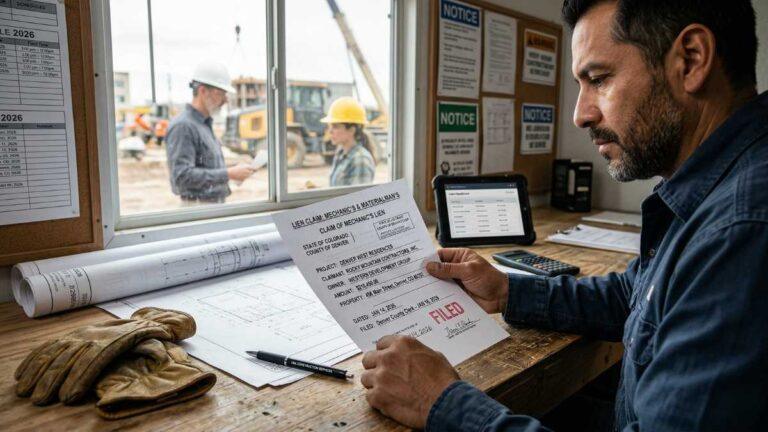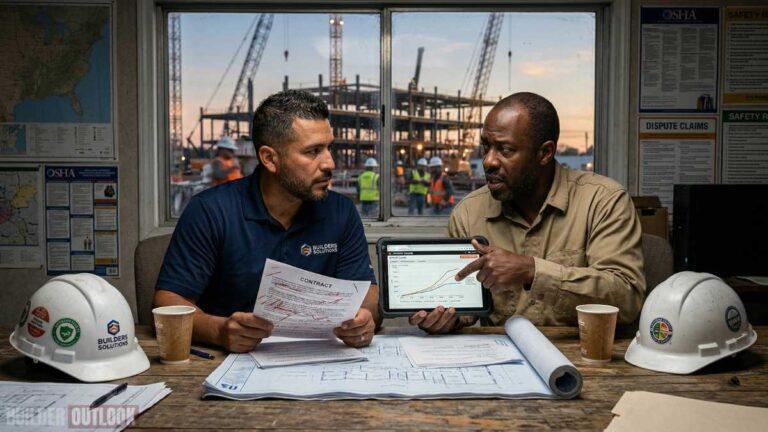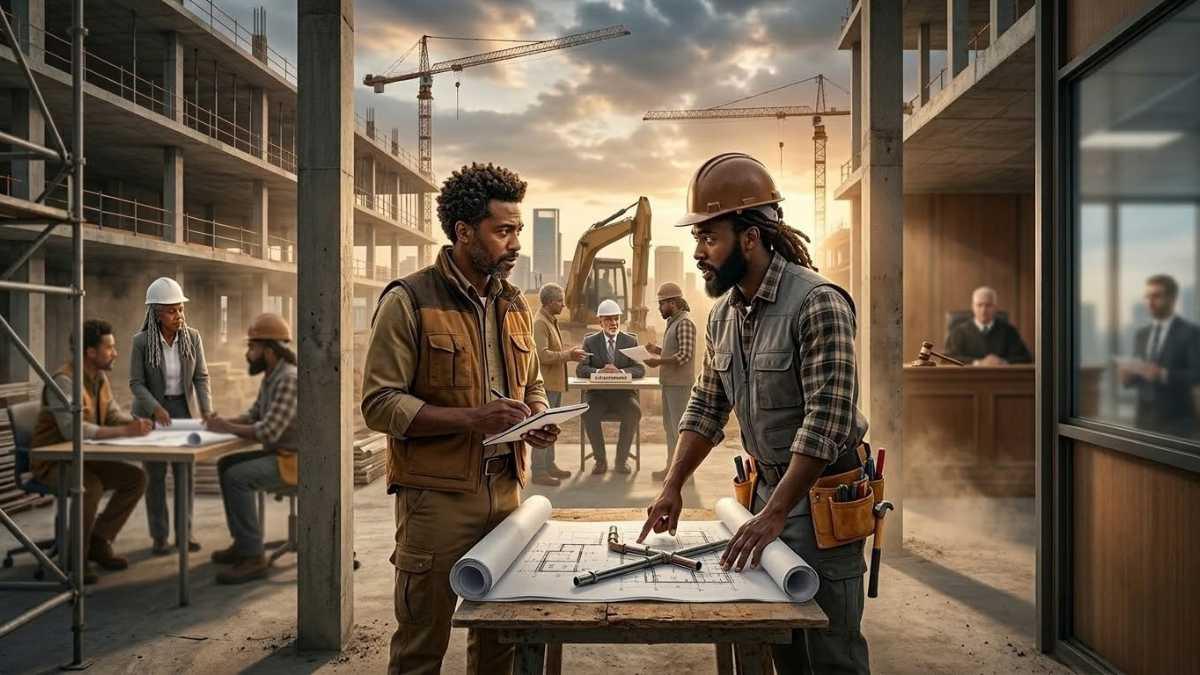
Disputes are an unavoidable reality within the construction industry. Construction projects involve large financial commitments, complex technical requirements, multiple subcontractors, and extended project timelines. Even when all parties act in good faith, disagreements can arise regarding payment terms, schedule delays, design interpretations, defective work claims, or contract scope disputes. Because these conflicts can disrupt project progress and create financial risk for everyone involved, construction contracts typically include dispute resolution clauses designed to define how disagreements will be handled.
Dispute resolution clauses establish the procedures that the parties must follow when conflicts arise. Instead of leaving the resolution process undefined, these clauses provide a structured path for addressing disputes through mechanisms such as mediation, arbitration, or litigation. Each of these mechanisms offers different advantages in terms of speed, cost, confidentiality, and enforceability.
For contractors working in the United States construction industry, understanding dispute resolution provisions is essential. The clause selected in the contract can determine whether a dispute will be resolved quickly through negotiation or escalate into prolonged legal proceedings that may take years to conclude. Contractors who fail to evaluate these provisions carefully may unknowingly agree to procedures that significantly increase legal costs and delay dispute resolution.
Dispute resolution clauses also influence project relationships. Construction projects often depend on long-term collaboration among owners, contractors, architects, engineers, and subcontractors. When disputes occur, the chosen resolution mechanism can either preserve working relationships or intensify adversarial conflict.
Because of these factors, contractors must treat dispute resolution clauses as strategic provisions within construction contracts rather than routine legal language. Understanding how mediation, arbitration, and litigation function allows contractors to evaluate risk more effectively and negotiate contract terms that protect their operational and financial interests.
Why dispute resolution clauses are essential in construction contracts
Construction projects involve numerous decisions and interpretations throughout the life of the contract. Architectural drawings, engineering specifications, construction schedules, and field conditions often require interpretation by multiple stakeholders. Even when documentation is detailed, differences in interpretation can arise during project execution.
When disagreements occur, the absence of a clear dispute resolution framework can cause conflicts to escalate quickly. Parties may resort immediately to lawsuits, creating delays that halt construction progress and increase project costs. Dispute resolution clauses help prevent this outcome by defining a step-by-step process for resolving disagreements before litigation becomes necessary.
Many construction contracts use a tiered dispute resolution structure, which requires the parties to attempt negotiation or mediation before proceeding to arbitration or litigation. This approach encourages early problem-solving and often resolves disputes before they escalate into costly legal battles.
For contractors, these clauses also create predictability. Instead of wondering how a conflict will be handled, the contract clearly defines the procedures that must be followed. This clarity helps reduce uncertainty and provides a roadmap for managing disputes when they arise.
Mediation as a first step in dispute resolution
Mediation is often the first stage in construction dispute resolution processes. Mediation involves a neutral third party who facilitates negotiations between the disputing parties. The mediator does not impose a decision but instead helps the parties communicate more effectively and explore potential settlement options.
One of the main advantages of mediation is its collaborative nature. Unlike litigation, which places parties in adversarial roles, mediation encourages cooperative problem-solving. Because the process is confidential and non-binding, parties may feel more comfortable discussing potential compromises.
For contractors, mediation can be an effective way to resolve disputes without damaging long-term business relationships. Construction companies frequently work with the same owners, developers, or subcontractors on multiple projects. A mediated settlement can allow both parties to move forward without the hostility that often accompanies court proceedings.
Mediation is also relatively fast and inexpensive compared to formal legal proceedings. Disputes that might take years to resolve through litigation can sometimes be settled in a single mediation session lasting only a few days.
However, mediation does have limitations. Because the mediator cannot impose a decision, the process only succeeds if both parties are willing to compromise. If negotiations fail, the dispute may proceed to arbitration or litigation as specified in the contract.
Arbitration in construction disputes
Arbitration is another common dispute resolution mechanism used in construction contracts. Unlike mediation, arbitration results in a binding decision issued by an arbitrator or arbitration panel. The arbitrator acts similarly to a judge, reviewing evidence and arguments before issuing a final ruling.
Many construction contracts require arbitration rather than litigation because arbitration can be faster and more specialized. Arbitrators with expertise in construction law or engineering can better understand the technical aspects of construction disputes than a general court judge.
Arbitration proceedings are typically private, which can be beneficial for contractors who wish to avoid public litigation that might damage their reputation. Confidential proceedings also prevent sensitive project details from becoming part of the public record.
However, arbitration also has disadvantages. The cost of arbitration can still be substantial, particularly for complex disputes involving expert testimony and extensive documentation. In addition, arbitration decisions are usually final and difficult to appeal. If the arbitrator makes an unfavorable ruling, the parties may have limited options for challenging the decision.
For this reason, contractors should carefully review arbitration provisions in construction contracts and understand the rules governing the arbitration process.
Builder Inteligence


Litigation in construction disputes
Litigation refers to resolving disputes through the court system. While many construction contracts attempt to avoid litigation through mediation or arbitration requirements, some disputes ultimately end up in court.
Litigation offers several advantages compared to arbitration. Court procedures provide formal rules of evidence and discovery, allowing parties to gather extensive documentation and testimony. Judges also have authority to enforce procedural rules and ensure fairness in the legal process.
In some situations, contractors may prefer litigation because court decisions can be appealed. If a contractor believes the court made an incorrect ruling, the appellate process provides an opportunity for review.
However, litigation is often the slowest and most expensive method of resolving construction disputes. Court cases can take several years to reach a final decision, during which project stakeholders may face ongoing financial uncertainty.
Because of these factors, many construction contracts attempt to limit litigation by requiring mediation or arbitration before lawsuits can be filed.
Choosing the right dispute resolution method
Selecting the appropriate dispute resolution mechanism depends on several factors, including project size, complexity, and the relationship between the parties involved. Smaller projects may benefit from simpler dispute resolution procedures, while large commercial projects often require more formal mechanisms.
Contractors should evaluate dispute resolution clauses carefully during contract negotiations. Issues such as arbitration rules, mediator selection procedures, and governing law can significantly influence the outcome of future disputes.
Another important consideration is location. Construction contracts often specify the jurisdiction where disputes must be resolved. Contractors working on projects in unfamiliar regions should verify whether local laws affect dispute resolution procedures.
By carefully reviewing these provisions before signing contracts, contractors can avoid unexpected legal complications if disputes arise.
Why contractors must understand dispute resolution risk
Dispute resolution clauses determine how conflicts will be handled when construction projects encounter problems. These provisions can influence project timelines, legal costs, and the overall impact of disputes on contractor operations.
Contractors who understand dispute resolution mechanisms are better equipped to evaluate contract risk and negotiate fair terms. By selecting dispute resolution procedures that balance efficiency, cost, and fairness, contractors can reduce the likelihood that disputes will disrupt their businesses.
In an industry where complex projects and multiple stakeholders make disagreements inevitable, effective dispute resolution provisions serve as essential tools for maintaining project stability and protecting contractor interests.
Ultimately, contractors who approach dispute resolution strategically can manage conflicts more effectively and maintain stronger professional relationships across the construction industry.
More from Builder Inteligence

Frequently Asked Questions
1. What is a dispute resolution clause in a construction contract?
A dispute resolution clause defines the process that must be followed when disagreements arise during a construction project. These clauses typically outline steps such as negotiation, mediation, arbitration, or litigation.
2. Why do construction contracts include mediation requirements?
Mediation encourages parties to resolve disputes through negotiation before escalating to formal legal proceedings. This approach often saves time, reduces legal expenses, and preserves working relationships between contractors and owners.
3. What is the difference between arbitration and litigation?
Arbitration is a private dispute resolution process where an arbitrator issues a binding decision. Litigation involves resolving disputes in court through formal legal procedures overseen by a judge.
4. Is arbitration faster than litigation?
In many cases, arbitration can resolve disputes faster than court litigation. However, complex arbitration cases may still require significant time and expense.
5. Are arbitration decisions final?
Most arbitration decisions are binding and difficult to appeal. This finality can provide faster resolution but may limit opportunities to challenge unfavorable outcomes.
6. Can construction disputes be resolved without lawyers?
While some disputes may be resolved through negotiation or mediation without extensive legal involvement, complex disputes involving large financial stakes typically require legal representation.
7. Why is mediation often required before arbitration or litigation?
Many contracts require mediation as a first step because it encourages settlement without the cost and complexity of formal legal proceedings.
8. How can contractors reduce the risk of construction disputes?
Clear contracts, detailed documentation, proactive communication, and structured dispute resolution clauses can significantly reduce the likelihood of serious disputes.