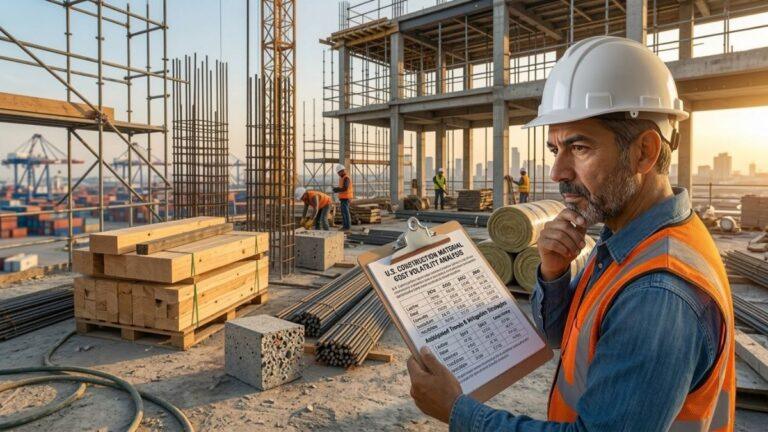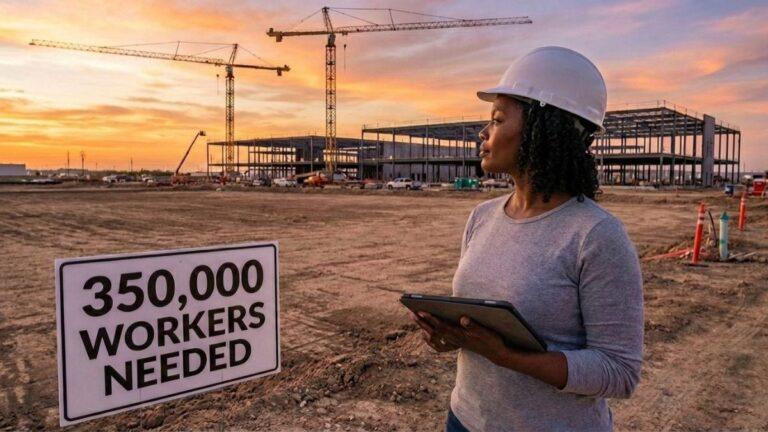
The construction industry in the United States is changing — not slowly, but structurally.
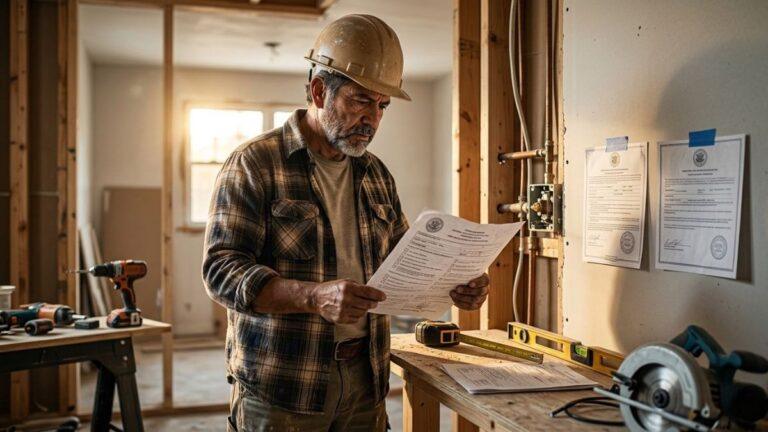
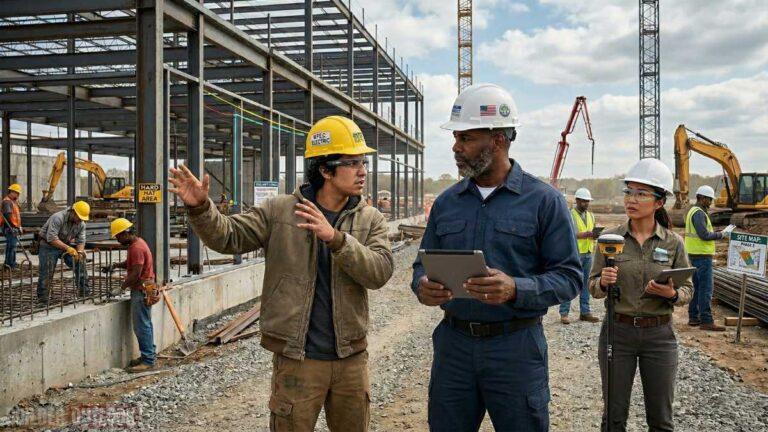
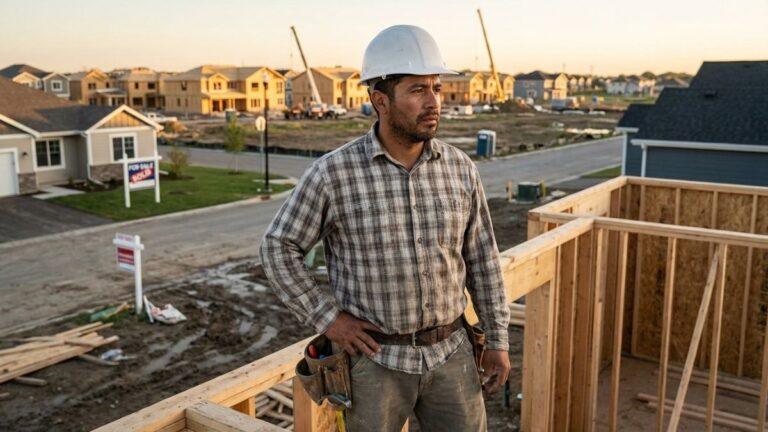
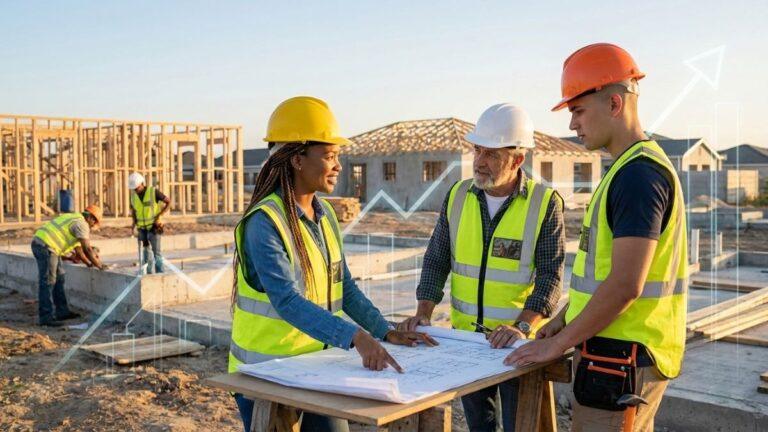
Across states like Texas, Florida, California, and Arizona, a new generation of Hispanic construction entrepreneurs is building the future of the U.S. These are not newcomers to the jobsite. They are experienced workers, supervisors, foremen, and specialists who spent years mastering the craft before deciding to build something of their own.
What’s different now is not talent.
It’s access, mindset, and opportunity.
Recent initiatives focused on empowering Hispanic construction workers to become business owners reflect a deeper reality: the U.S. construction industry increasingly depends on Latino leadership, entrepreneurship, and long-term vision.
This is not a trend.
It’s a shift.
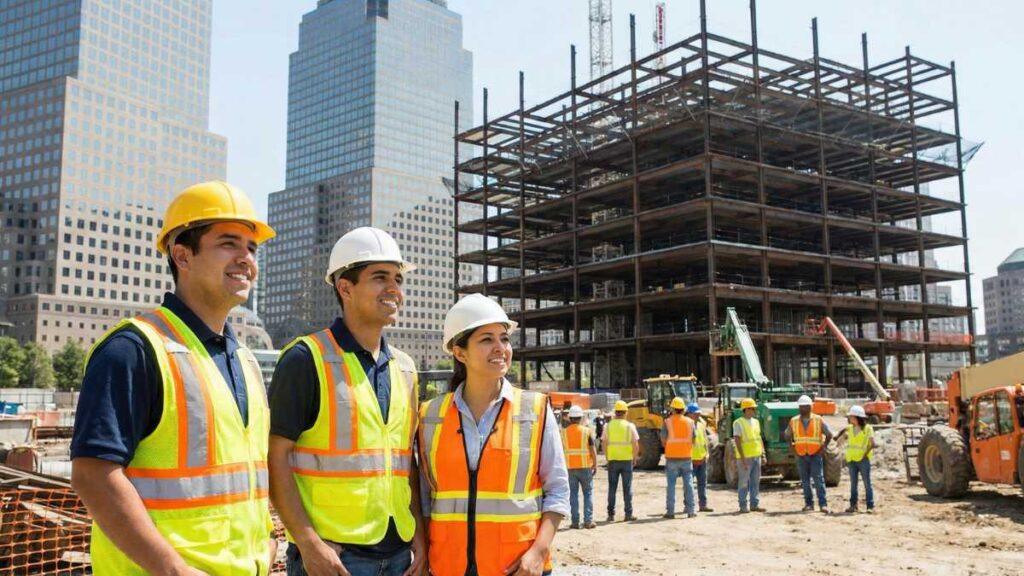
Hispanic professionals are the backbone of construction
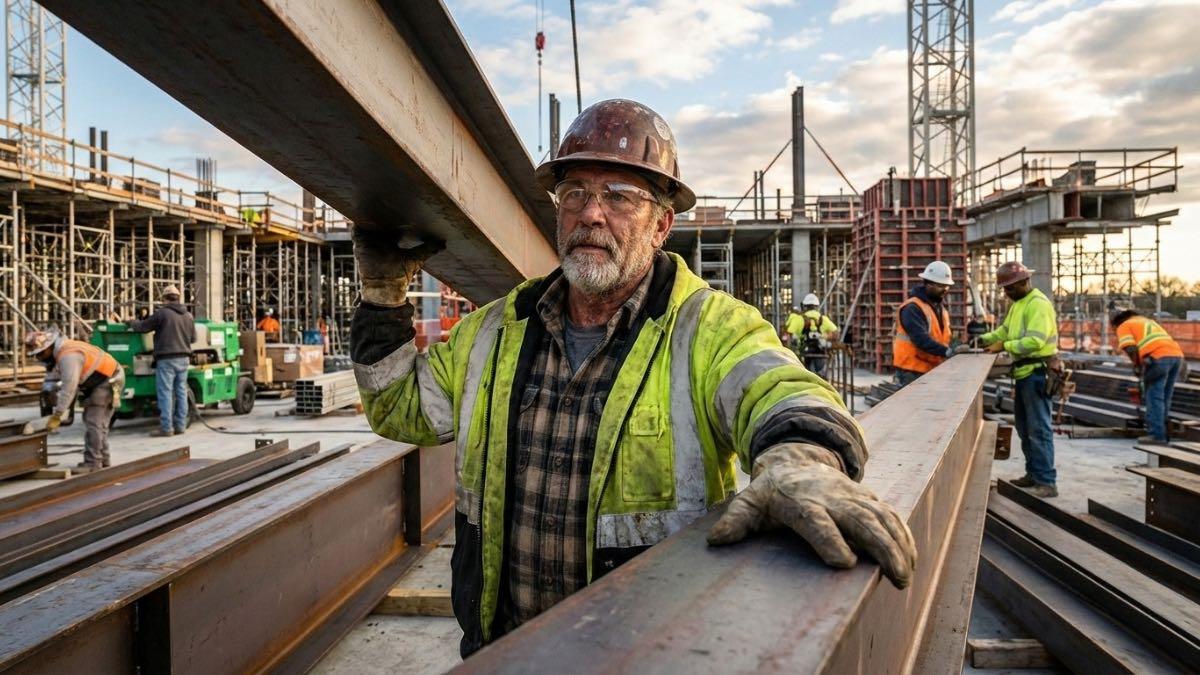
Hispanic workers represent one of the fastest-growing segments of the U.S. construction workforce. In many regions, they are already the majority on jobsites.
But for decades, that contribution stayed mostly behind the scenes.
Skilled labor built projects.
Ownership stayed concentrated elsewhere.
Today, that dynamic is changing.
More hispanic professionals are asking a different question:
“Why keep building someone else’s company if I can build my own?”
And they are right to ask.
From skilled worker to business owner
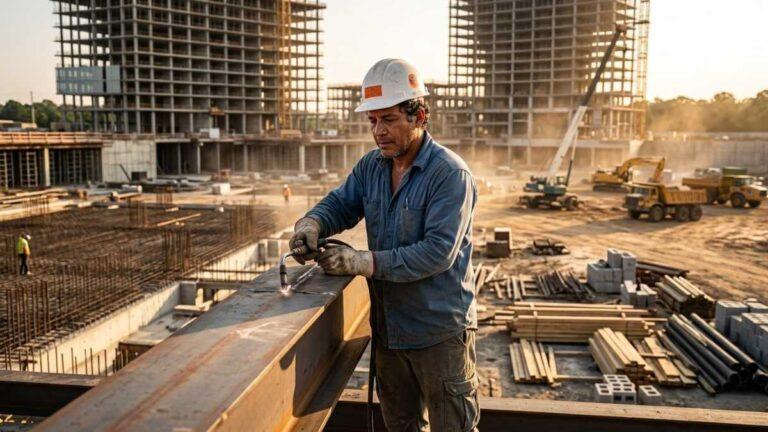
Becoming a construction entrepreneur is not just about technical ability. In fact, most Hispanic workers who take this step already have the hardest part covered: they know the work.
What usually stands in the way is everything else:
• Business structure
• Legal setup
• Financial planning
• Equipment acquisition
• Branding and visibility
• Sales and marketing
This is where many promising construction businesses fail — not because the work is bad, but because the operation is fragile.
The gap between “great builder” and “successful company” is not skill.
It’s structure.
Why this moment matters
Several forces are converging:
• A national labor shortage in construction
• Rising demand for residential and commercial projects
• Generational turnover in established companies
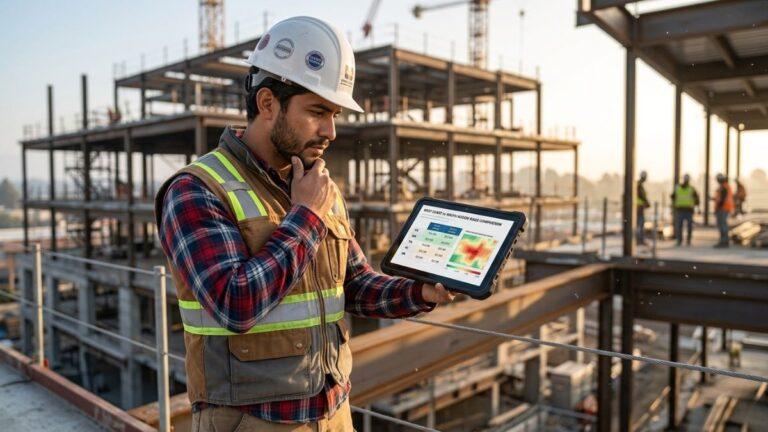
• Technology lowering barriers to entry
• Communities actively supporting minority entrepreneurship
Together, these factors create a rare window.
But windows close.
Those who act with clarity and strategy now will be the companies leading the next decade.
Builder Inteligence
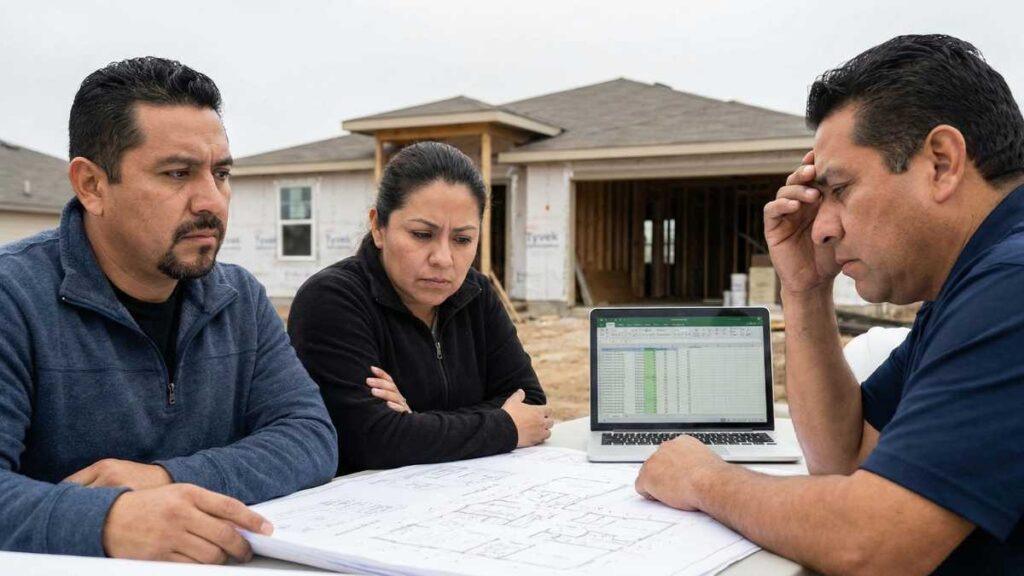
The real challenges hispanic construction entrepreneurs face
Opportunity is not enough — strategy is required
Support initiatives that provide coaching, equipment access, and funding are powerful. They open doors.
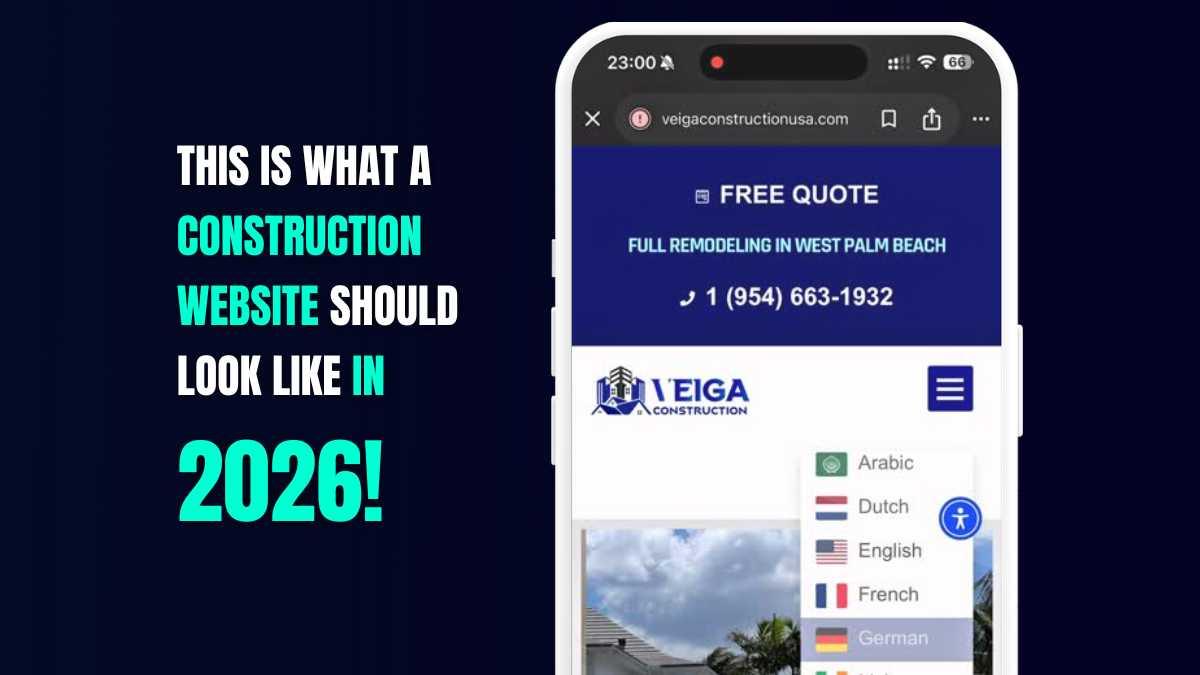
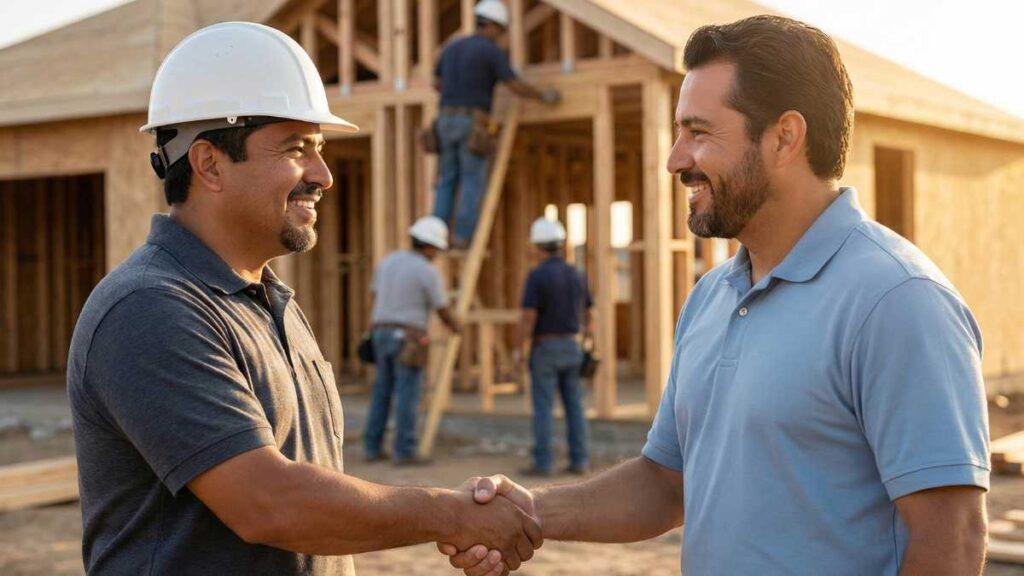
Trust is the real currency in construction
In construction, clients are not buying a product.
They are buying confidence.
Confidence that:
• The company is legitimate
• The team is professional
• The process is reliable
• The project will be delivered
That confidence is built long before the first meeting.
It is built when clients:
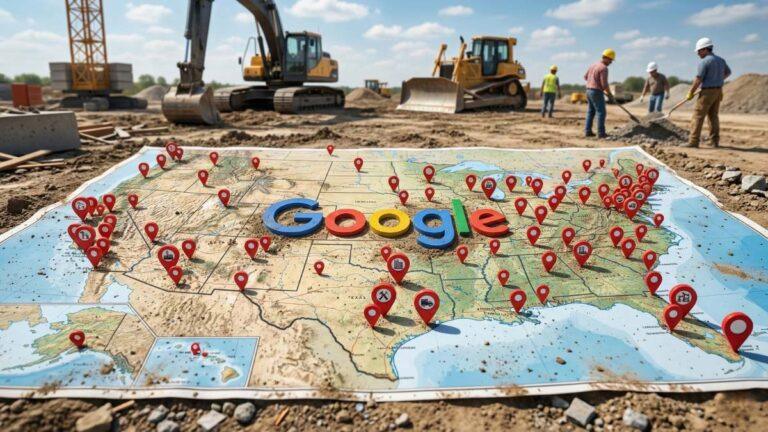
• Google the company name
• Visit the website
• Check social media
• Read reviews
• Compare competitors
If the online presence feels weak, inconsistent, or improvised, trust collapses.
And trust, once lost, rarely returns.
Why marketing is a survival tool, not a luxury
For many first-time construction entrepreneurs, marketing feels secondary.
The logic sounds reasonable:
“Let’s get some projects first. We’ll think about marketing later.”
In reality, that approach limits growth from day one.
Marketing is not about ads or posting.
It’s about positioning.
It defines:
• Who finds you
• Who trusts you
• Who contacts you
• Who negotiates price vs value
Strong marketing doesn’t attract more clients.
It attracts better clients.

The power of professional positioning
When Hispanic construction companies invest early in professional branding, websites, SEO, and local visibility, something important happens.
They stop competing on price alone.
They begin competing on:
• Reliability
• Organization
• Authority
• Clarity
This changes the type of conversations they have — and the level of projects they win.
Local visibility is everything
Construction is local by nature. That’s why:
• Google Maps
• “Near me” searches
• City-based service pages
…are some of the most powerful growth tools available.
When a construction company shows up consistently in local searches, it signals stability. Clients assume the business is established, even if it’s relatively new.
Visibility creates legitimacy.
Building a business that lasts
The goal for Hispanic construction entrepreneurs should not be survival.
It should be sustainability.
That means building:
• A clear brand
• A professional online presence
• A structured sales process
• Systems that scale
Not everything needs to happen at once.
But the foundation must be intentional.

Why the next generation will win differently
This new generation of Hispanic construction entrepreneurs is not just building companies.
They are building:
• Legacy
• Stability
• Opportunity for future generations
They understand something previous generations often didn’t have access to:
Being good at the work is not enough.
You must also be visible, trusted, and positioned.
Those who embrace this reality early will not just survive — they will lead.
More from Builder Inteligence
Frequently asked questions (FAQ)
1 – Why is Hispanic entrepreneurship growing so fast in the U.S. construction industry?
Hispanic professionals already represent a large portion of the construction workforce. With years of hands-on experience, growing demand for projects, labor shortages, and better access to resources, many are now transitioning from skilled workers to business owners.
2 – What are the biggest challenges Hispanic construction entrepreneurs face when starting a business?
The main challenges include access to capital, business structure, legal and administrative processes, language barriers, pricing strategy, and lack of online visibility. Most failures happen due to missing systems, not lack of technical skill.
3 – Is being a great builder enough to run a successful construction company?
No. Technical skill is essential, but successful construction companies also need structure, positioning, marketing, financial organization, and trust-building systems. The difference between a contractor and a company is strategy, not craftsmanship.
4 – Why is online visibility so important for new construction businesses?
Clients research before calling. They Google the company, check the website, reviews, and social media. If the online presence looks weak or inconsistent, trust drops instantly, regardless of how good the actual construction work is.
5 – How does marketing help Hispanic-owned construction companies grow faster?
Marketing helps position the company as professional, trustworthy, and established. It attracts better clients, reduces price negotiations, improves lead quality, and allows the business to scale beyond referrals and word-of-mouth alone.
6 – What role does local SEO play for construction entrepreneurs?
Local SEO ensures the company appears in Google Maps, “near me” searches, and city-based results. This visibility signals legitimacy and stability, connecting businesses with high-intent local clients who are actively looking to hire.
7 – Should new construction businesses invest in branding early?
Yes. Early branding helps define how the company is perceived from day one. A professional brand prevents underpricing, builds authority faster, and positions the business to attract higher-quality projects instead of competing only on price.
8 – How does Caldas Marketing support construction entrepreneurs specifically?
Caldas Marketing builds complete marketing operations for construction companies, including branding, SEO, local visibility, websites, and content strategy. The goal is to create trust, structure growth, and help businesses attract better projects consistently.