Bilingual crews are no longer a cultural detail in American construction. They are an operational reality. In 2026, a significant portion of the construction workforce operates in bilingual or multilingual environments, and jobsite communication failures are now one of the main hidden drivers of rework, delays, safety incidents, and internal conflict. This is not a language issue alone. It is a management and systems issue.
Contractors who fail to structure communication for bilingual crews assume that informal translation will fill the gaps. In practice, this assumption creates silent errors. Instructions are partially understood. Safety warnings lose urgency. Sequencing decisions are misinterpreted. The result is rework that appears “unexpected” but was structurally predictable from the beginning.
The companies reducing rework fastest are not simply hiring bilingual supervisors. They are redesigning how information flows on the jobsite. Communication clarity is becoming a productivity system, not a courtesy.

Why language gaps translate directly into rework
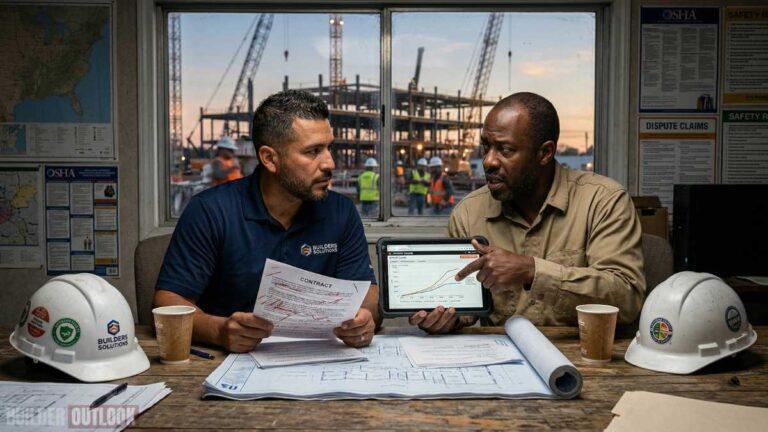
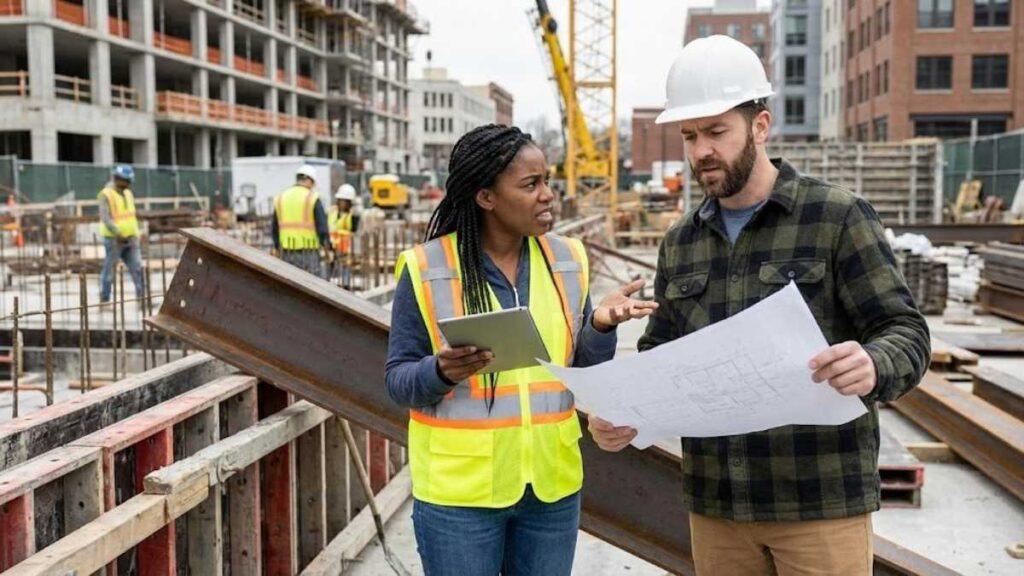
Rework rarely happens because crews lack skill. It happens because instructions are incomplete, misaligned, or misunderstood. In bilingual environments, this risk multiplies when information is delivered verbally, quickly, and without confirmation. Workers may nod in agreement while interpreting instructions differently.
Construction schedules are dense and interconnected. When one task is misinterpreted, downstream trades inherit the problem. The cost appears later, often under pressure, which hides the original cause. Contractors then blame workmanship when the real failure was communication design.
Language gaps also distort accountability. When expectations are unclear, responsibility becomes ambiguous. This leads to friction between crews and supervisors, further degrading communication quality and increasing error rates.
What effective bilingual communication actually looks like on site
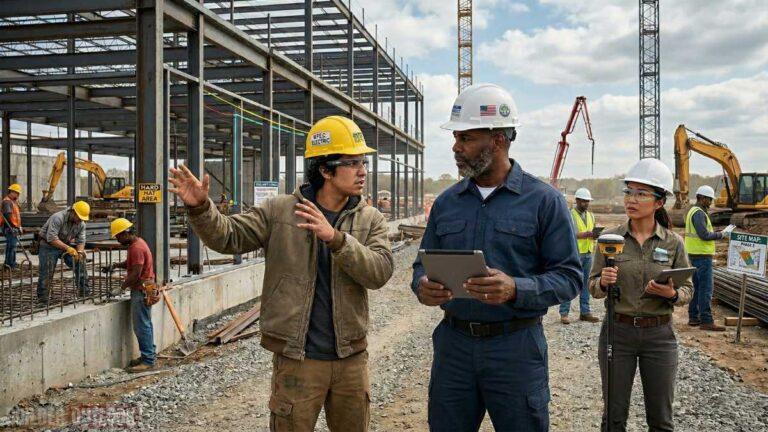
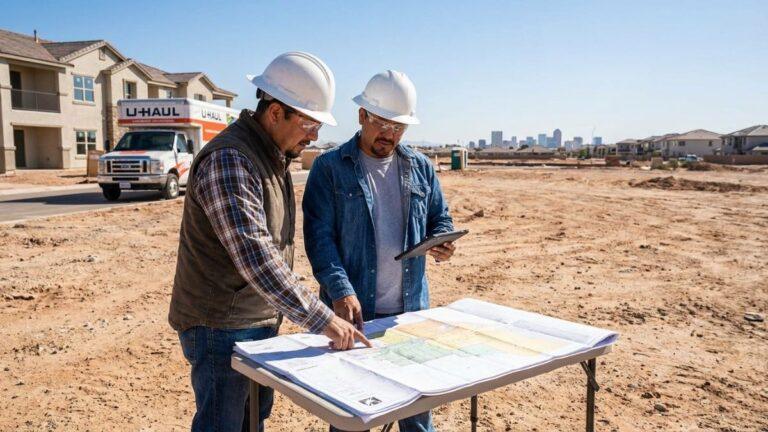
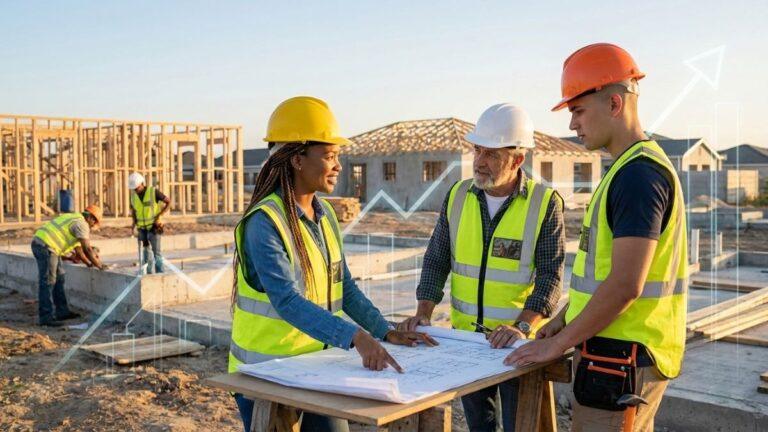
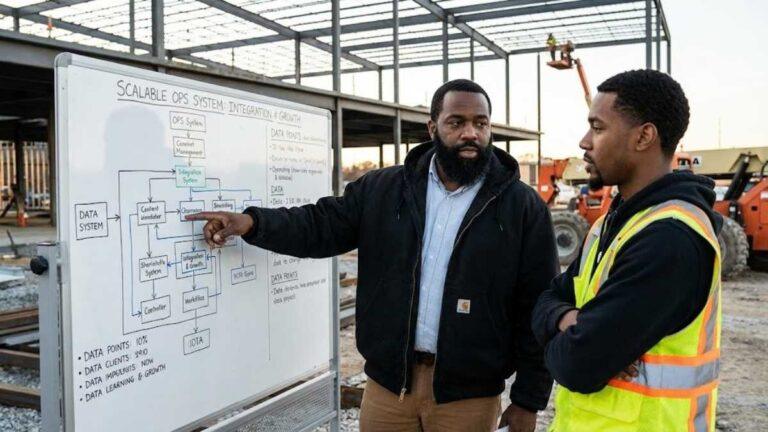
Effective bilingual communication is structured, not improvised. It starts with standardized visual instructions, clear sequencing diagrams, and consistent terminology across languages. Crews respond better to repeatable systems than to ad-hoc explanations.
Successful contractors use confirmation loops. Instructions are not just given. They are repeated back, demonstrated, or verified visually. This practice reduces assumptions and aligns expectations immediately.
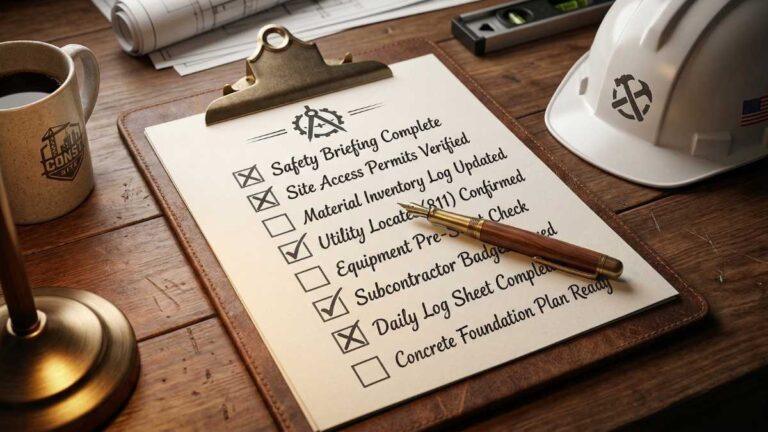
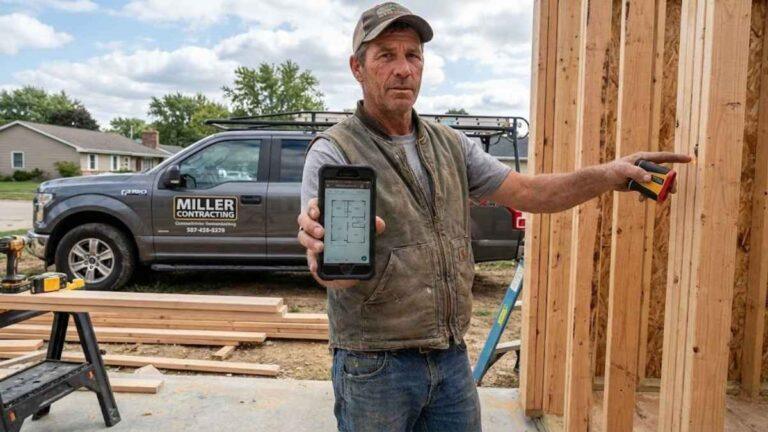
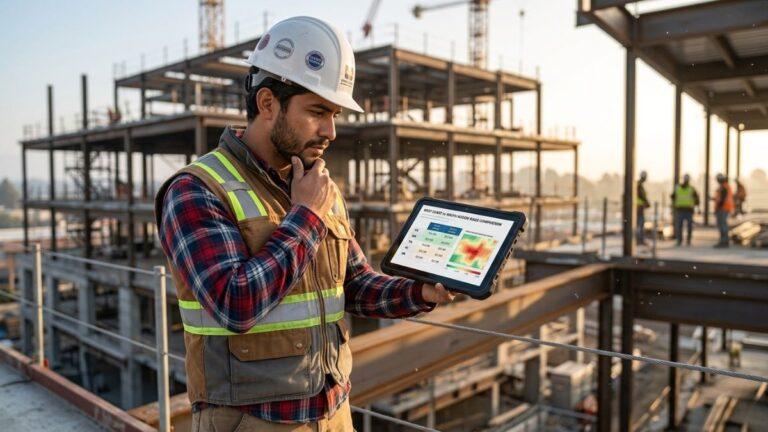
Technology also plays a role. Digital checklists, translated task summaries, and visual field reporting tools reduce reliance on verbal instructions. The goal is not perfect translation. The goal is shared understanding.
How bilingual clarity improves safety and productivity simultaneously
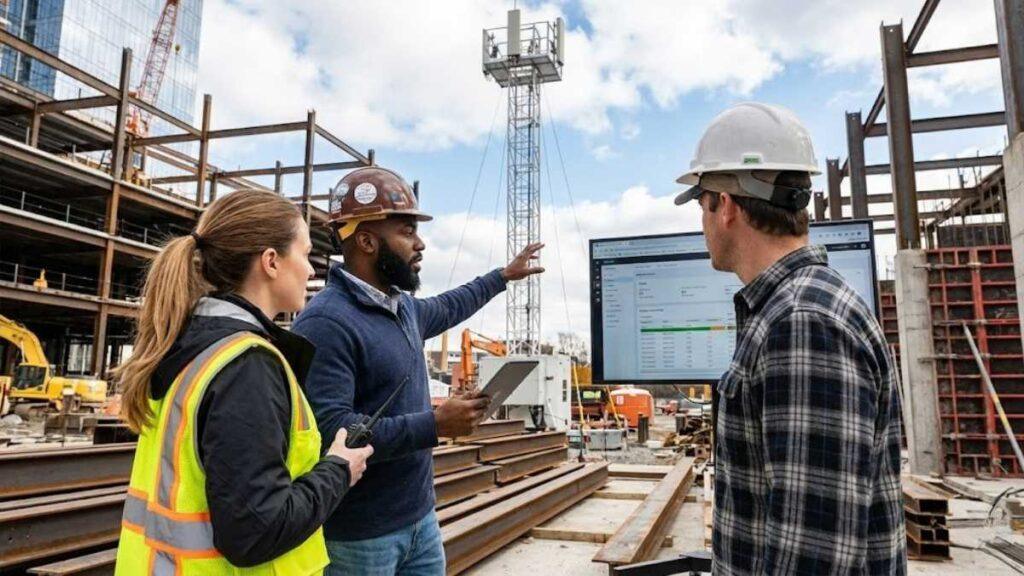
Safety incidents often originate from misunderstood instructions. Bilingual clarity directly reduces near misses by ensuring that hazard information is fully understood by everyone on site, regardless of language preference.
Productivity improves because crews spend less time correcting mistakes and waiting for clarification. When expectations are clear from the start, work flows more smoothly across trades and phases.
This clarity also improves morale. Workers feel respected when communication systems accommodate reality rather than forcing adaptation. This increases retention and engagement, which further stabilizes output.
Why contractors must treat communication as infrastructure
In 2026, communication is operational infrastructure. Just like scheduling or procurement, it must be designed intentionally. Contractors who treat bilingual communication as a side issue will continue absorbing hidden costs through rework and delays.
Owners are also paying attention. Projects with high rework rates increasingly raise concerns about management competence. Contractors who demonstrate structured communication systems gain trust and repeat work.
Bilingual jobsite communication is no longer optional optimization. It is a competitive requirement for contractors operating in diverse labor markets.


FAQ – Bilingual crews and jobsite communication: what reduces rework immediately
1. Why do bilingual jobsites experience more rework?
Because verbal instructions are often misunderstood or partially translated, leading to execution errors that surface later in the schedule.
2. Is hiring bilingual supervisors enough to fix communication issues?
No. Without structured systems, even bilingual supervisors become bottlenecks and informal translators rather than leaders.
3. What communication methods reduce rework fastest?
Visual task guides, confirmation loops, standardized terminology, and digital field documentation reduce misunderstandings immediately.
4. How does poor communication affect safety outcomes?
Misunderstood safety instructions increase near misses and incidents, especially during high-risk activities.
5. Do bilingual systems slow down the jobsite?
Initially they feel slower, but over time they reduce stoppages, rework, and conflict, improving overall productivity.
6. How can small contractors implement bilingual systems affordably?
By standardizing visual instructions, using translated templates, and training supervisors in confirmation practices.
7. Why do workers respond positively to structured communication?
Because it reduces stress, uncertainty, and blame while improving trust and predictability.
8. Will owners value bilingual communication practices?
Yes. Owners increasingly associate low rework and safety performance with management maturity.