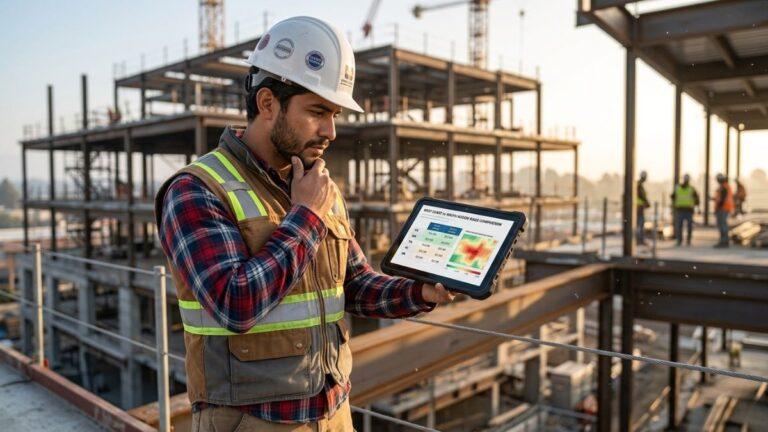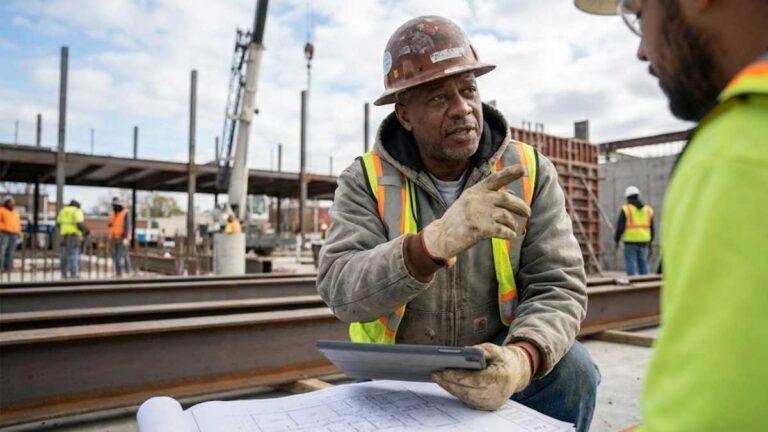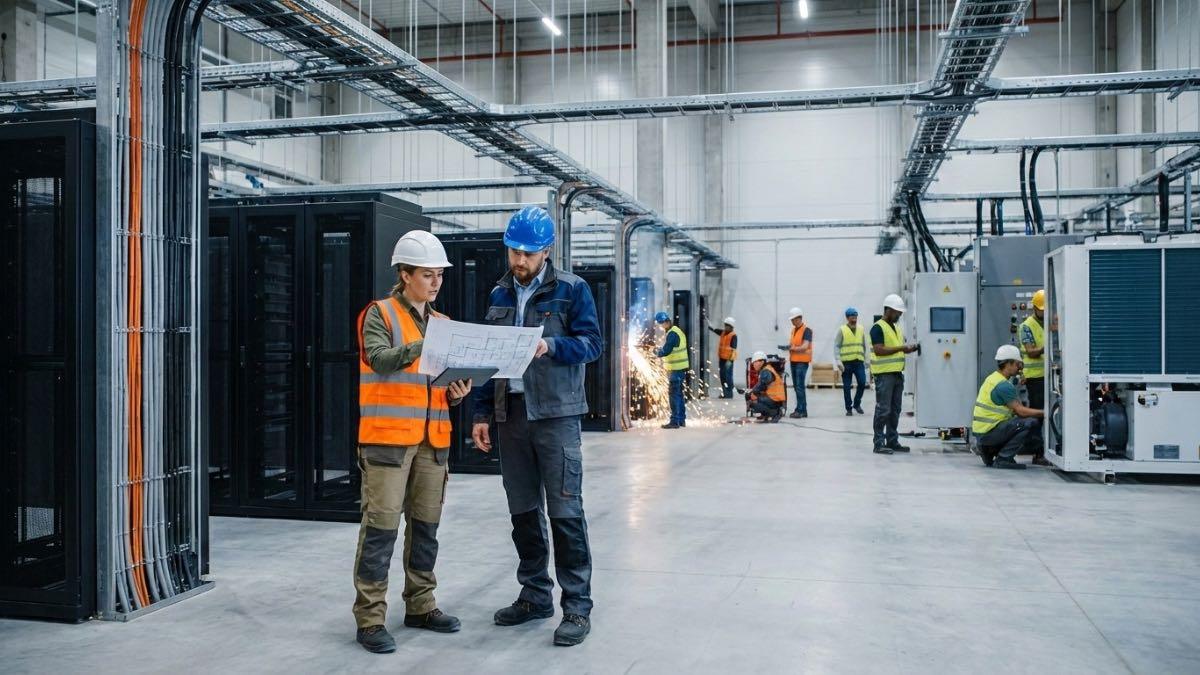
Data center buildouts continue to shape construction pipelines in 2026 and has moved from a niche segment of nonresidential building to one of the most powerful drivers of U.S. construction pipelines this year. The acceleration of artificial intelligence, cloud computing, edge processing, and enterprise digital transformation is generating unprecedented demand for hyperscale facilities across multiple states. This is not a short-term surge. It represents a structural realignment of capital investment in physical infrastructure tied directly to digital growth.
The AI boom requires enormous computing capacity, and that capacity demands purpose-built facilities capable of handling intense power loads, precision climate control, and redundant systems. Unlike traditional commercial developments, data centers are engineered environments where reliability standards approach mission-critical thresholds. Contractors serving this market must operate with high technical sophistication and disciplined execution models.
In 2026, data center buildouts are influencing land acquisition strategies, workforce planning, equipment procurement, and regional development patterns. Hyperscale operators are expanding footprints in states such as Texas, Virginia, Arizona, Ohio, and Georgia, reshaping local labor markets and subcontractor demand. Construction firms aligned with this growth corridor are experiencing backlog expansion that often outpaces broader commercial segments.
For general contractors, specialty trades, and suppliers, data center construction represents both opportunity and operational challenge. Revenue streams tied to digital infrastructure offer resilience against traditional real estate volatility, but entry barriers remain high. The contractors who adapt to this segment are redefining pipeline stability in the current cycle.
Builder Inteligence

The structural demand behind AI-driven infrastructure
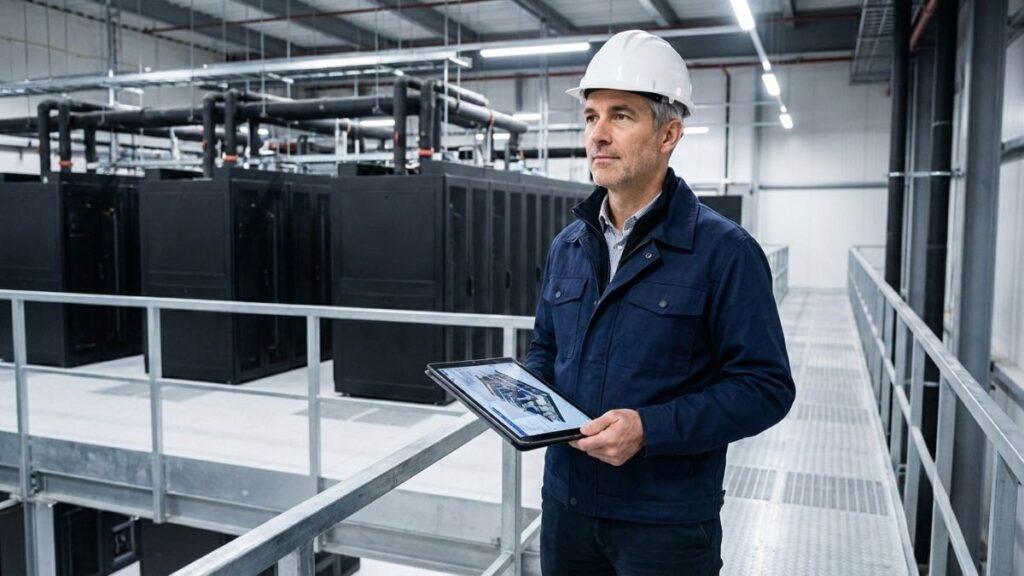
Artificial intelligence expansion is not an abstract technological concept. It translates directly into physical infrastructure requirements. AI workloads require high-density computing racks, advanced cooling systems, and scalable power distribution networks. As enterprise adoption accelerates, hyperscale cloud providers and colocation operators are racing to expand capacity.
This surge in computing demand creates multi-phase campus developments that span several years. Unlike one-off commercial projects, data center buildouts often involve sequential expansions on the same site. Contractors embedded in these ecosystems benefit from extended pipeline visibility and recurring project opportunities.
Energy consumption is also central to this trend. Data centers demand substantial electrical infrastructure, often necessitating grid upgrades, substations, and backup generation systems. This expands the scope of work beyond vertical construction into utility coordination and infrastructure integration. Contractors capable of managing this complexity secure a strategic edge.
Regional concentration and competitive dynamics
Northern Virginia remains one of the most prominent data center corridors globally, but 2026 expansion is increasingly distributed across secondary markets. Texas continues to attract hyperscale investment due to favorable land availability and business climate. Arizona’s growth is supported by technology clustering and energy infrastructure. Midwest states such as Ohio are emerging as competitive destinations due to grid capacity and incentive programs.
Regional labor markets feel the impact quickly. Electricians, mechanical contractors, controls specialists, and commissioning professionals experience intensified demand. Wage pressure in these markets reflects overlapping infrastructure and industrial projects competing for the same talent pools.
Contractors operating in high-growth corridors must balance expansion with workforce realism. Overextension risks schedule disruption. Firms that align labor forecasting with confirmed project phases maintain execution stability while capitalizing on demand concentration.
Specialty trades and margin dynamics
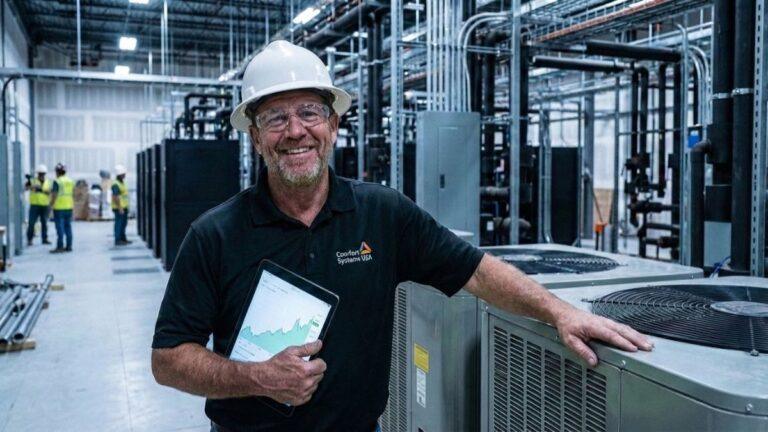
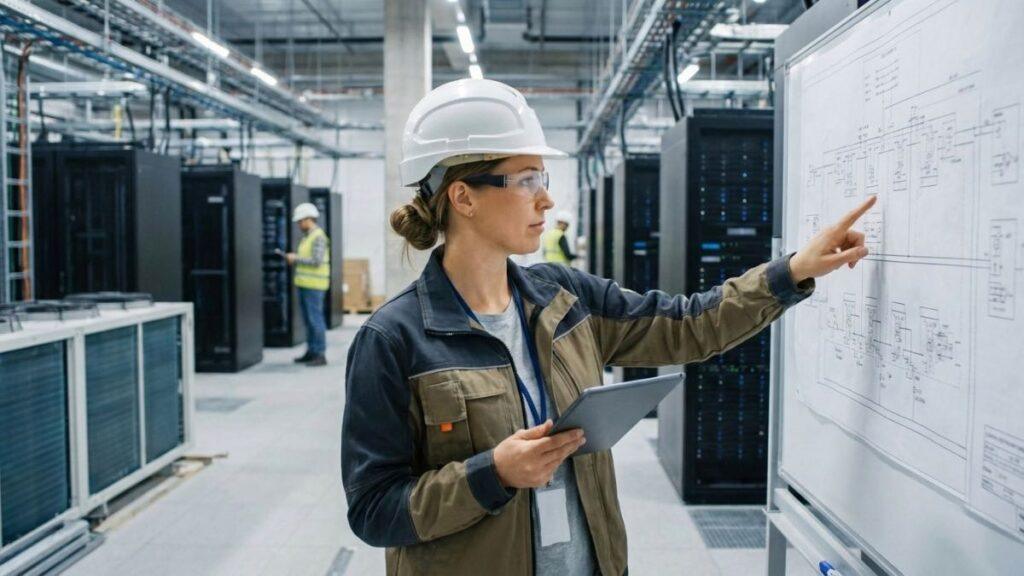
Data center construction favors specialized expertise. HVAC systems in these facilities require advanced cooling technologies, including liquid cooling integration and high-efficiency airflow management. Electrical installations demand redundant pathways and strict compliance with reliability standards. Specialty contractors with proven experience in mission-critical systems command premium pricing.
Margins in this segment can be stronger than in traditional commercial construction due to technical barriers and limited qualified competition. However, the risk profile is also elevated. Performance failures carry significant reputational consequences, particularly when serving major cloud providers.
Subcontractor selection is rigorous. Owners and general contractors prioritize firms with documented experience and robust safety records. For emerging contractors seeking entry, partnership strategies and phased capability development are often necessary before direct contracting opportunities materialize.
Long-term implications for construction strategy
Data center buildouts represent a durable growth corridor tied to the digital economy’s structural expansion. Unlike retail or office segments vulnerable to consumer and workplace shifts, digital infrastructure demand is supported by enterprise transformation and AI deployment trajectories.
Contractors evaluating strategic positioning in 2026 must assess whether their operational systems, workforce depth, and safety performance align with mission-critical expectations. Technology adoption within construction firms—including BIM coordination, digital documentation, and project monitoring systems—becomes essential to compete.
Capital markets increasingly reward firms aligned with digital infrastructure. Publicly traded specialty contractors serving data centers have demonstrated strong performance, reinforcing investor confidence in the segment. For private contractors, pipeline diversification into data center ecosystems can stabilize revenue streams in volatile macro environments.
More from Builder Inteligence
Advertising
Frequently Asked Questions
The expansion of artificial intelligence, cloud computing, and enterprise digital transformation requires significant computing capacity. This demand translates into large-scale, multi-phase data center construction projects across the United States.
Northern Virginia remains a global hub, while Texas, Arizona, Ohio, and Georgia are experiencing rapid growth due to land availability, energy infrastructure, and business-friendly regulatory environments.
Data centers require mission-critical reliability, advanced cooling systems, redundant electrical infrastructure, and strict performance standards. The technical complexity and operational precision exceed most traditional office or retail projects.
Skilled electricians, mechanical contractors, and controls specialists are in high demand. Labor competition intensifies in high-growth corridors, contributing to wage escalation and recruitment pressure.