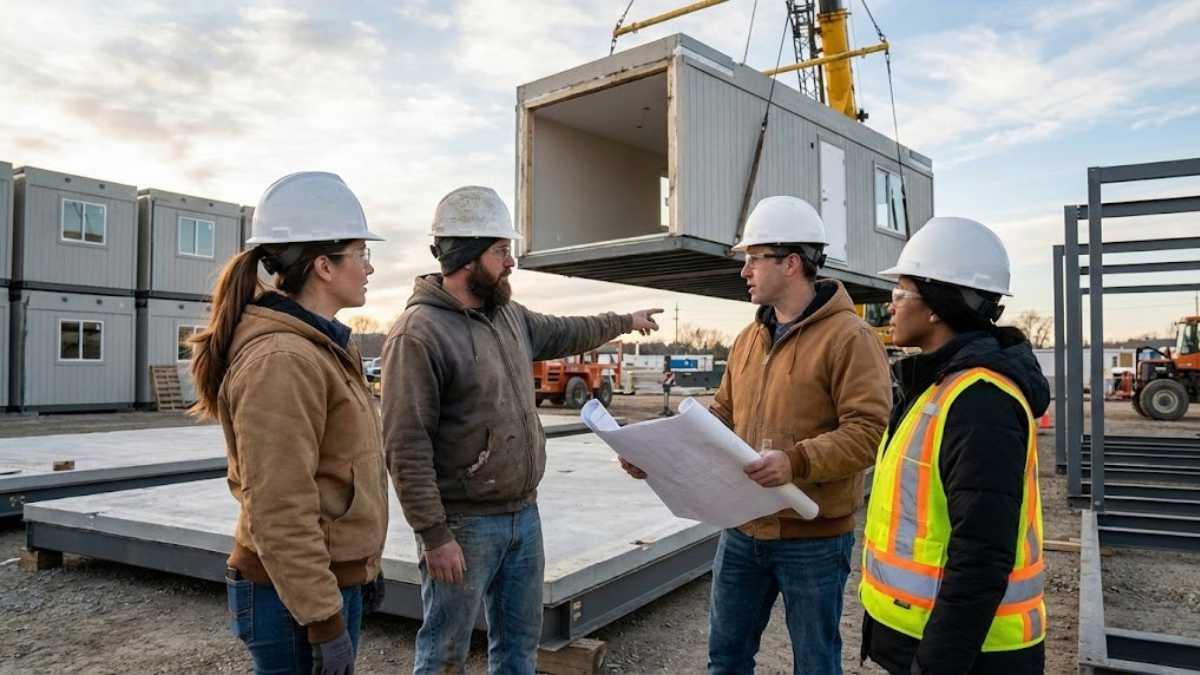
Prefabrication and modular construction are no longer treated as experimental alternatives or niche solutions in the United States construction market. In 2026, they represent a strategic response to volatility, labor shortages, schedule pressure, and margin erosion that traditional site-built methods increasingly struggle to absorb. What has changed is not only the technology itself, but the profile of projects and markets where prefabrication and modular delivery now outperform conventional construction with measurable consistency.
The central misunderstanding around prefabrication is the belief that it is primarily about speed. Speed is a consequence, not the driver. The real value in 2026 comes from predictability. Prefabrication reduces exposure to jobsite variability by shifting labor, sequencing, quality control, and inspections into controlled environments. In a market where uncertainty is the dominant risk, this shift fundamentally alters how contractors manage cost certainty, labor productivity, and delivery reliability.
However, prefabrication does not work equally well everywhere. Contractors who attempt to force modular solutions into projects that are structurally incompatible often experience cost overruns, coordination failures, and owner resistance. The winners in 2026 are not those who adopt prefabrication broadly, but those who deploy it selectively, in project types and regions where its structural advantages align with market conditions.
Builder Inteligence



Why prefabrication performs best under labor and schedule pressure
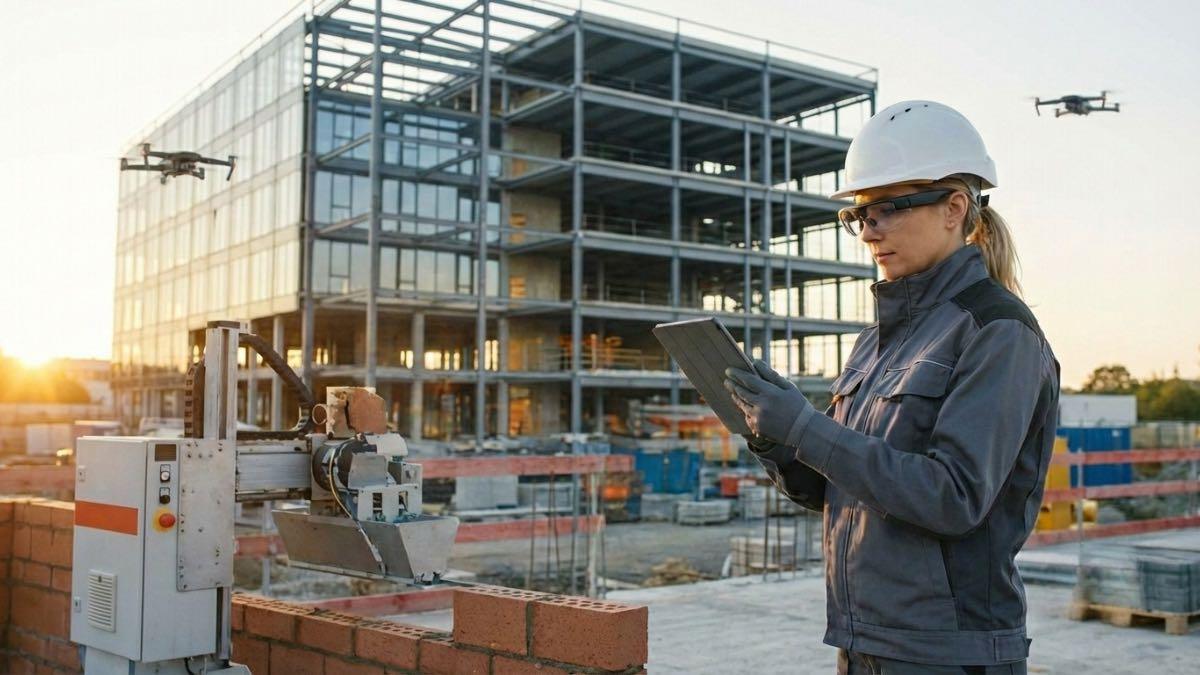
The strongest performance case for prefabrication in 2026 is tied directly to labor instability. In regions where skilled labor availability is constrained, prefabrication reduces dependency on large, specialized jobsite crews. By relocating labor-intensive activities to factories or offsite facilities, contractors regain control over productivity rates that would otherwise fluctuate due to workforce shortages, absenteeism, and inconsistent skill levels.
This advantage compounds under schedule pressure. Prefabricated components allow parallel workstreams, where site preparation and offsite fabrication occur simultaneously. This overlap reduces critical path exposure and minimizes the cascading delays that often result from trade stacking and inspection bottlenecks on traditional jobsites. In volatile markets, shortening exposure time is often more valuable than reducing nominal cost.
Additionally, prefabrication improves labor utilization efficiency. Crews working in controlled environments achieve higher output consistency, lower rework rates, and more predictable training curves. In 2026, where wage pressure continues to rise, productivity gains are often the only sustainable offset. Contractors who rely solely on wage escalation without productivity strategy are increasingly priced out of competitive bids.
Project types where modular construction delivers structural Advantage
Prefabrication and modular construction perform best in projects with high repetition, standardized layouts, and predictable program requirements. Multifamily housing, hospitality, senior living, student housing, healthcare support facilities, and data center ancillary buildings consistently show the strongest alignment. These project types benefit from repeated unit configurations, standardized MEP systems, and reduced customization at the unit level.
Industrial and logistics facilities also present strong use cases, particularly for prefabricated MEP racks, utility corridors, and mechanical skids. In these environments, precision, speed, and commissioning reliability often outweigh aesthetic flexibility. Owners increasingly prioritize uptime and operational readiness over bespoke design, making prefabrication an operational asset rather than a design compromise.
Conversely, highly customized commercial interiors, complex renovations, and architecturally expressive projects tend to resist full modular adoption. In these cases, hybrid approaches, such as partial prefabrication of assemblies or systems, deliver better outcomes than full modularization. Contractors who understand this distinction avoid overcommitting to methods that introduce coordination risk rather than reduce it.
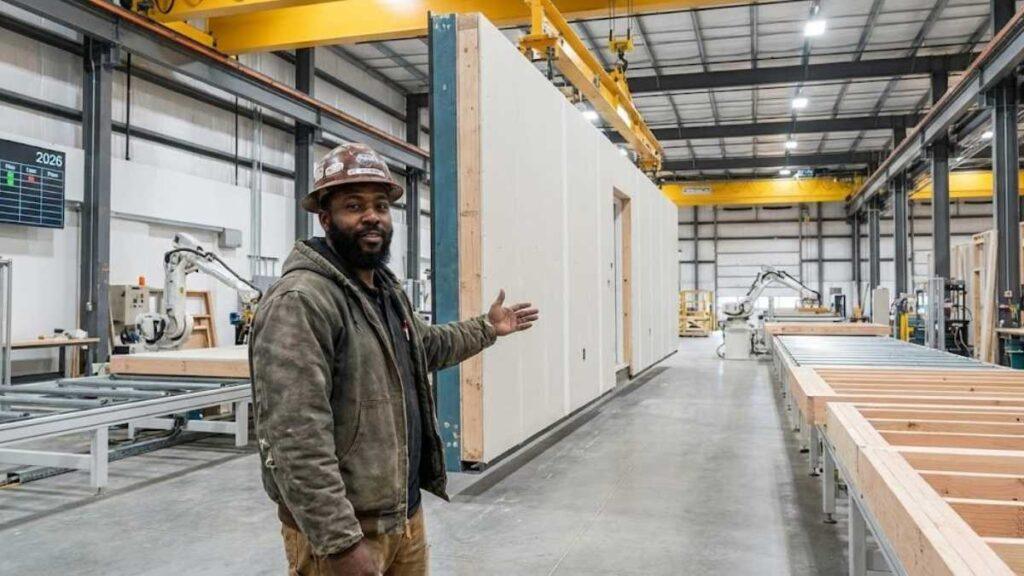
Geographic markets where prefabrication adoption accelerates ROI
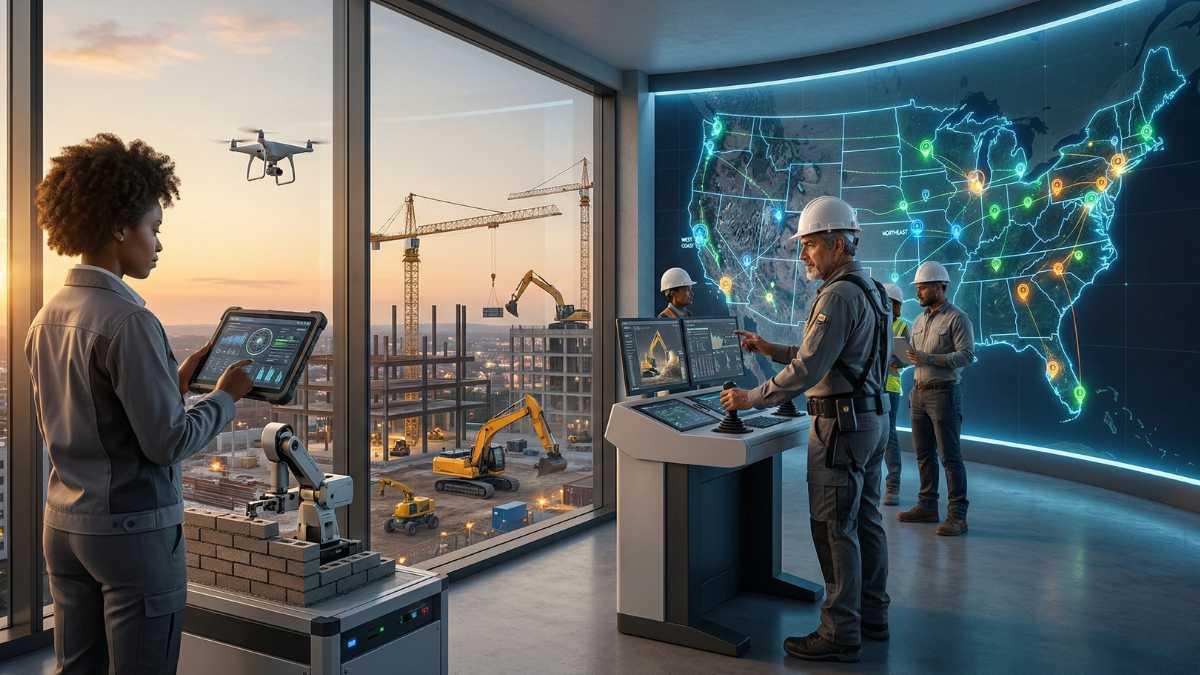
Geography plays a decisive role in prefabrication success. Markets with high labor costs, regulatory friction, weather exposure, and dense urban environments show the strongest return. States such as California, New York, Massachusetts, Washington, Texas, Florida, and Arizona increasingly favor prefabrication due to site constraints, labor scarcity, and schedule sensitivity.
Urban cores benefit from reduced site congestion, fewer deliveries, and shorter on-site durations. In suburban and exurban markets, prefabrication supports rapid housing delivery without proportional increases in skilled labor demand. In regions exposed to extreme weather, offsite fabrication reduces risk windows and improves schedule reliability during seasonal disruptions.
Contractors operating across multiple states increasingly standardize prefabrication strategies to normalize performance across variable regulatory and labor environments. In 2026, this consistency becomes a competitive differentiator when owners compare delivery risk rather than headline pricing.
Operational maturity required before prefabrication pays off
Prefabrication magnifies operational weaknesses rather than hiding them. Contractors with poor design coordination, weak BIM integration, and fragmented procurement processes often fail when attempting modular delivery. The reason is simple. Errors that can be corrected on site become exponentially more expensive when discovered after fabrication.
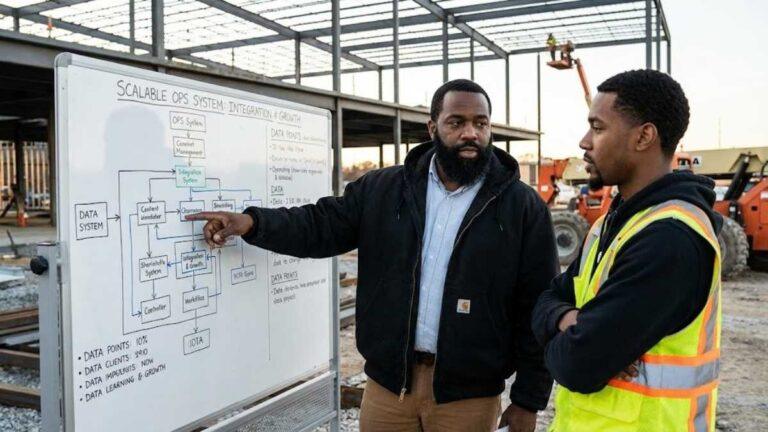
Successful prefabrication in 2026 requires early design freeze discipline, integrated project delivery workflows, and strong collaboration between design, estimating, procurement, and field operations. Contractors must invest in coordination capacity before investing in factories or vendor partnerships. Those who skip this step often blame the method instead of their systems.
Prefabrication also demands stronger front-end planning. Decisions are made earlier, flexibility shifts upstream, and late changes carry higher penalties. Contractors and owners who are culturally unprepared for this discipline frequently experience friction. In 2026, the most successful prefabrication adopters are those who align contractual structure, design governance, and decision-making timelines with the realities of offsite production.
Prefabrication as a margin protection strategy in 2026
In a market defined by volatility, prefabrication functions less as a cost-saving tool and more as a margin protection mechanism. By reducing exposure to labor uncertainty, schedule creep, and site inefficiency, contractors stabilize outcomes even when headline costs appear similar. This stability is increasingly valued by owners who prioritize delivery certainty over lowest initial price.
Prefabrication also supports more accurate estimating. Controlled production environments generate repeatable cost data, improving future bids and reducing contingency guesswork. Over time, contractors build proprietary cost intelligence that competitors relying on site-based variability cannot match.
In 2026, prefabrication is not about doing everything offsite. It is about doing the right things offsite. Contractors who understand where it works best use it as a strategic lever rather than a blanket solution, positioning themselves for sustainable performance in an increasingly unstable construction market.
More from Builder Inteligence


Frequently Asked Questions
1. Why does prefabrication matter more in 2026 than in previous years?
Prefabrication matters more in 2026 because construction volatility has become structural rather than cyclical. Labor shortages, price instability, and schedule risk are no longer temporary disruptions. Prefabrication reduces exposure to these variables by shifting work into controlled environments, improving predictability, productivity, and margin protection across project lifecycles.
2. Is prefabrication mainly about reducing construction time?
Time savings are a secondary benefit. The primary advantage of prefabrication in 2026 is predictability. Contractors use prefabrication to stabilize labor output, reduce rework, and limit schedule exposure rather than simply accelerate delivery. In volatile markets, certainty often outweighs raw speed.
3. Which project types benefit most from modular construction?
Projects with high repetition and standardized layouts benefit most. Multifamily, hospitality, healthcare support facilities, student housing, industrial buildings, and logistics centers consistently show strong alignment with modular and prefabricated delivery due to predictable configurations and system integration.
4. Does prefabrication reduce labor costs in the long term?
Prefabrication does not always reduce nominal labor cost, but it improves labor efficiency and output consistency. In 2026, productivity gains and reduced rework often offset rising wages more effectively than traditional site-based labor strategies.
5. Why do some contractors fail when adopting prefabrication?
Failures usually stem from weak coordination and operational readiness. Prefabrication requires early design decisions, strong BIM integration, disciplined procurement, and cross-team alignment. Contractors who attempt modular delivery without fixing these foundations often amplify errors rather than eliminate them.
6. Are owners more receptive to prefabrication in 2026?
Yes. Owners increasingly value schedule certainty, quality control, and risk reduction. While some still resist perceived loss of flexibility, many accept prefabrication when contractors clearly explain delivery benefits and align contractual expectations with offsite production realities.
7. How does prefabrication impact estimating accuracy?
Prefabrication improves estimating accuracy by generating repeatable cost data from controlled production environments. Over time, contractors reduce reliance on broad contingencies and build more reliable cost models, which strengthens bidding confidence under volatile conditions.