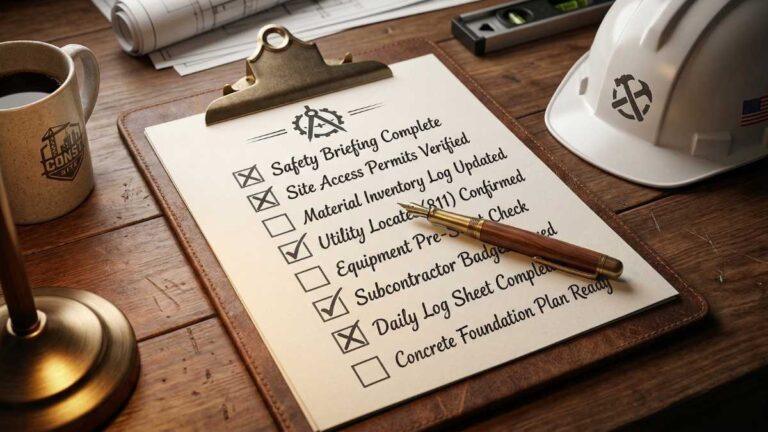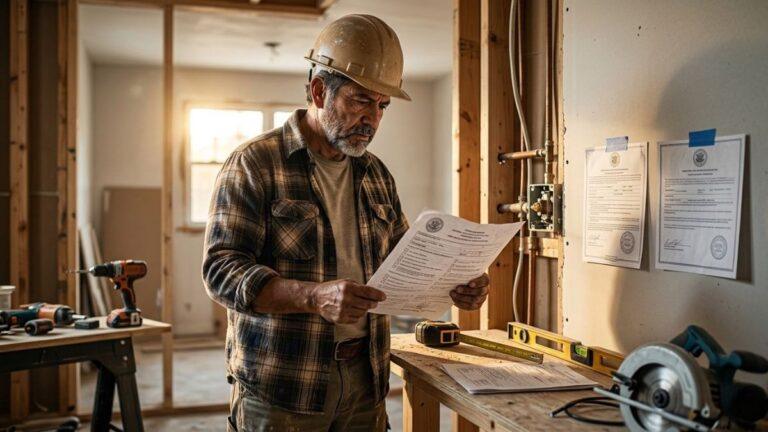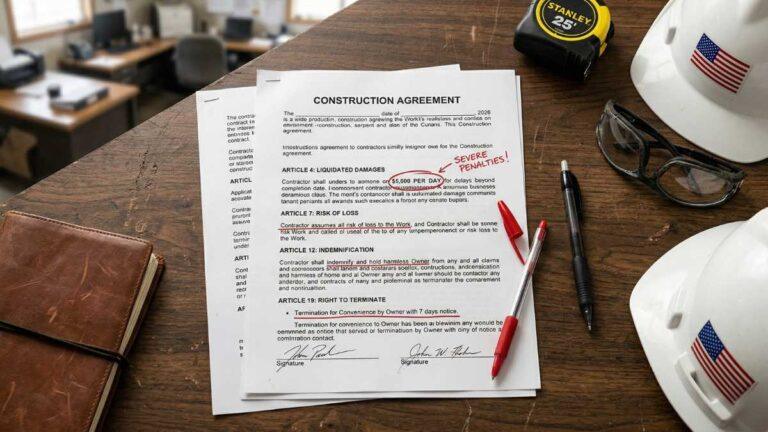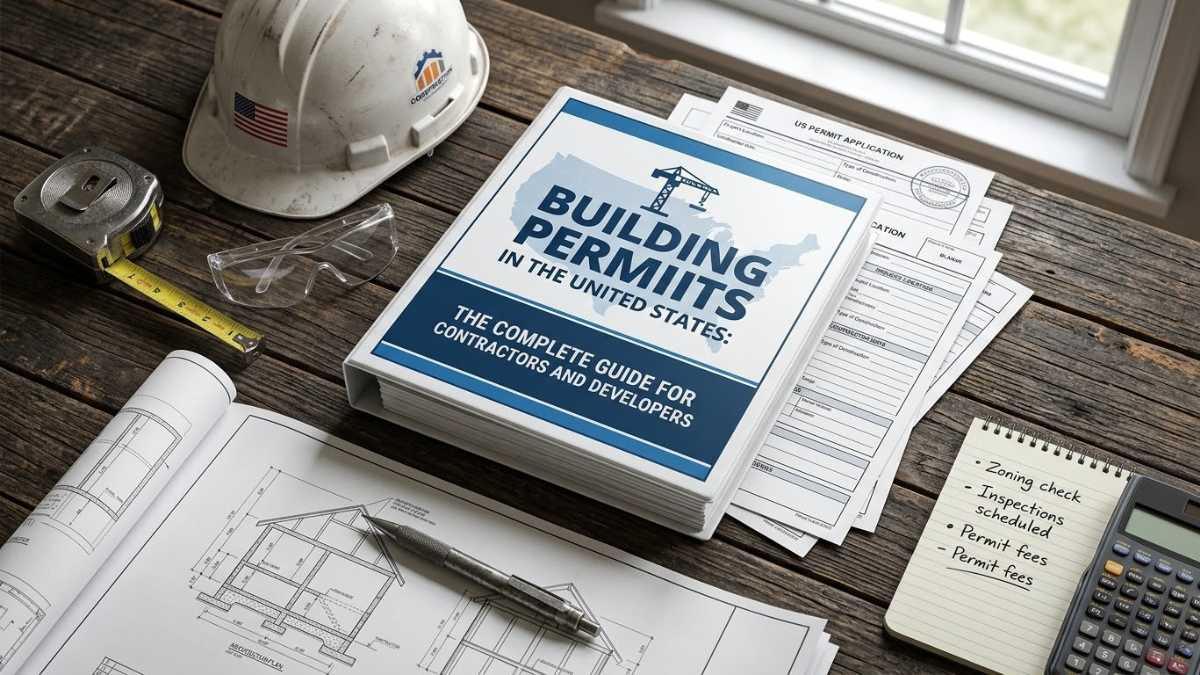
Building permits are one of the most fundamental regulatory requirements in the construction industry in the United States. Before any significant construction activity begins, most projects must receive official approval from local government authorities responsible for regulating land development and building safety. These permits ensure that construction work complies with building codes, zoning regulations, environmental requirements, and structural safety standards.
For contractors, developers, and property owners, understanding how building permits work is essential for avoiding costly delays and legal complications. Starting construction without the appropriate permits can lead to severe consequences, including stop-work orders, financial penalties, forced demolition of completed work, and legal disputes with regulatory authorities.
Although building permits exist in every state across the United States, the specific procedures and requirements vary widely between municipalities. Cities and counties typically operate local permitting departments responsible for reviewing project plans, issuing permits, and conducting inspections during construction.
Because these procedures differ between jurisdictions, contractors must become familiar with local permitting systems before beginning new projects. Builders who understand permit requirements early in the planning phase can avoid delays and keep construction schedules on track.
Information about building codes and permitting systems can be found through organizations such as:
International Code Council
https://www.iccsafe.org
and
National Association Of Home Builders regulatory resources
https://www.nahb.org
These organizations provide guidance on building code standards and regulatory compliance affecting construction projects throughout the United States.
Why building permits exist in the construction industry
Building permits serve several important purposes within the construction regulatory framework. The primary objective of permitting systems is to protect public safety by ensuring that construction projects meet established building codes and engineering standards.
Building codes regulate critical aspects of construction such as structural integrity, electrical safety, plumbing systems, fire protection, and energy efficiency. Without permit review processes, construction projects might proceed without proper engineering oversight, potentially creating unsafe structures.
Permits also allow local governments to verify that construction projects comply with zoning regulations and land-use planning policies. Municipalities use zoning laws to control how land is used within their jurisdictions, ensuring that residential neighborhoods, commercial districts, and industrial areas develop in an organized and sustainable manner.
In addition to safety and planning considerations, building permits help ensure that infrastructure systems such as roads, water lines, sewage systems, and electrical networks can support new development.
For these reasons, building permits represent an essential checkpoint within the construction approval process.
The typical building permit approval process
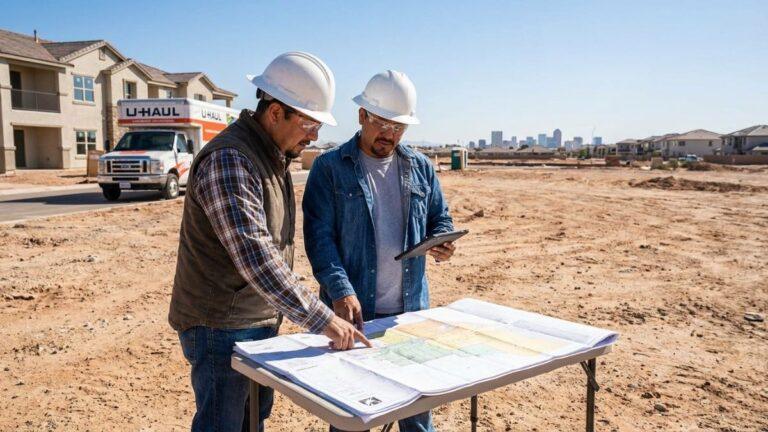
The process of obtaining a building permit typically begins with the preparation of construction plans. Contractors or architects must prepare detailed drawings that describe the proposed project, including architectural layouts, structural designs, electrical systems, and plumbing installations.
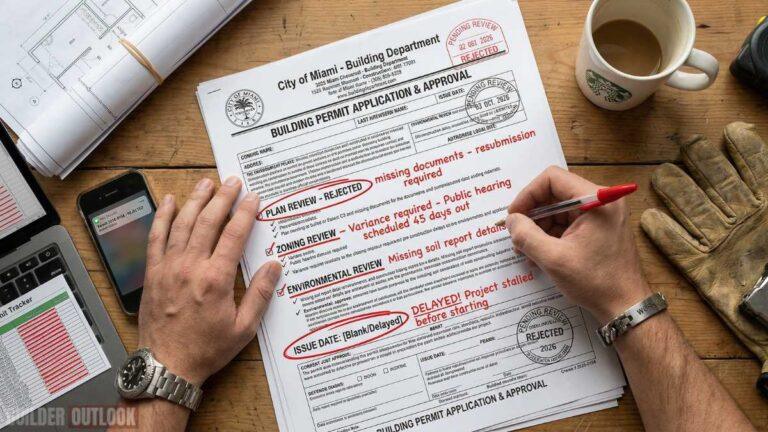
These plans are submitted to the local permitting authority, which reviews the documents to verify compliance with applicable building codes and zoning regulations. Plan review may involve multiple departments including building inspection offices, fire safety departments, environmental agencies, and planning commissions.
If reviewers identify issues within the submitted plans, they may request revisions before approving the permit. Contractors must address these comments and resubmit updated plans for further review.
Once the plans are approved, the permitting authority issues the building permit, which authorizes construction to begin. However, the permit process does not end once construction starts.
During the construction process, inspectors typically visit the job site at various stages to ensure that work is being performed according to approved plans and building codes. These inspections may include foundation inspections, framing inspections, electrical system inspections, and final occupancy inspections.
Only after all required inspections are successfully completed can the project receive final approval.
Advertising
Common types of construction permits
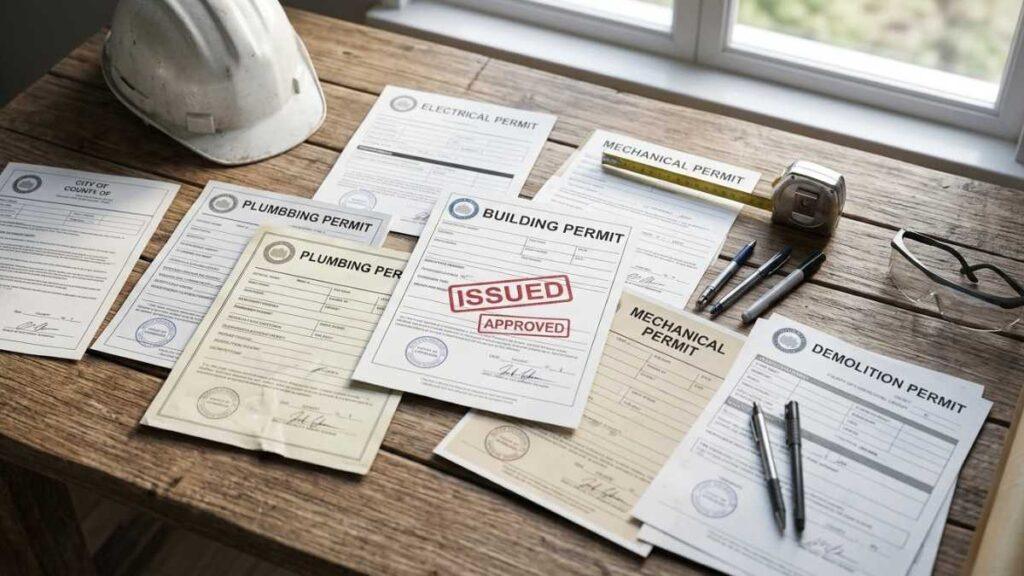
Many construction projects require multiple permits depending on the scope of work involved. While the primary building permit covers structural construction, additional permits may be required for specialized systems.
Electrical permits are required for installation or modification of electrical wiring, panels, and power systems. These permits ensure that electrical work meets safety standards designed to prevent fires and electrical hazards.
Plumbing permits are issued for projects involving water supply systems, drainage infrastructure, or gas lines. Plumbing systems must comply with strict health and safety regulations to prevent contamination and leaks.
Mechanical permits cover heating, ventilation, and air conditioning systems. These systems must meet performance standards related to air quality, energy efficiency, and operational safety.
Demolition permits may be required before existing structures can be removed. These permits ensure that demolition activities are conducted safely and without damaging surrounding infrastructure.
Understanding which permits apply to a project is essential for preventing delays during construction.
How contractors can avoid permit delays
Permit delays are one of the most common challenges encountered during construction projects. Delays often occur when submitted plans contain errors, missing information, or incomplete documentation.
One of the most effective strategies for avoiding permit delays is engaging experienced architects and engineers during the design phase. Professionals who are familiar with local building codes can prepare construction documents that meet regulatory requirements from the outset.
Contractors should also communicate with local permitting offices before submitting applications. Many municipalities offer pre-application meetings where project teams can discuss regulatory expectations with planning officials.
Another strategy involves submitting complete documentation packages that include all required drawings, engineering reports, and compliance forms. Incomplete applications are one of the most frequent causes of permit review delays.
Builders who establish strong relationships with local permitting departments often gain valuable insights that help streamline the approval process.
Digital permitting systems and modernization
Many municipalities across the United States are modernizing their permitting systems by adopting digital platforms that allow contractors to submit permit applications online.
Digital permitting systems allow builders to upload plans, track review progress, and communicate with permitting officials through centralized online portals. These systems improve transparency and reduce the administrative burden associated with paper-based applications.
Online permitting platforms are increasingly common in large metropolitan areas where construction activity is high. Contractors operating in these regions benefit from faster application processing and improved access to permit status updates.
Builders can locate permit information for specific cities by visiting municipal planning department websites.
Example municipal permitting portal:
Los Angeles Department Of Building And Safety
https://www.ladbs.org
As more jurisdictions adopt digital permitting technologies, contractors will likely experience more streamlined regulatory processes in the future.
More from Builder Inteligence
Frequently Asked Questions
1. What is a building permit?
A building permit is official authorization issued by local government authorities that allows construction work to begin on a property.
2. Who issues building permits in the united states?
Building permits are typically issued by municipal or county building departments responsible for enforcing local construction codes.
3. Do all construction projects require permits?
Most structural construction projects require permits, although minor repairs or cosmetic improvements may not require formal approval.
4. What happens if construction begins without a permit?
Starting construction without required permits may result in fines, stop-work orders, or mandatory removal of unauthorized construction.
5. How long does it take to obtain a building permit?
Permit approval timelines vary depending on project complexity and local review procedures.
6. What documents are required for permit applications?
Permit applications typically include architectural drawings, engineering plans, project descriptions, and compliance documentation.
7. Do contractors or property owners apply for permits?
In many cases contractors apply for permits on behalf of property owners, although requirements vary between jurisdictions.
8. Where can contractors research building permit requirements?
Permit requirements are usually published on municipal government websites and planning department portals.