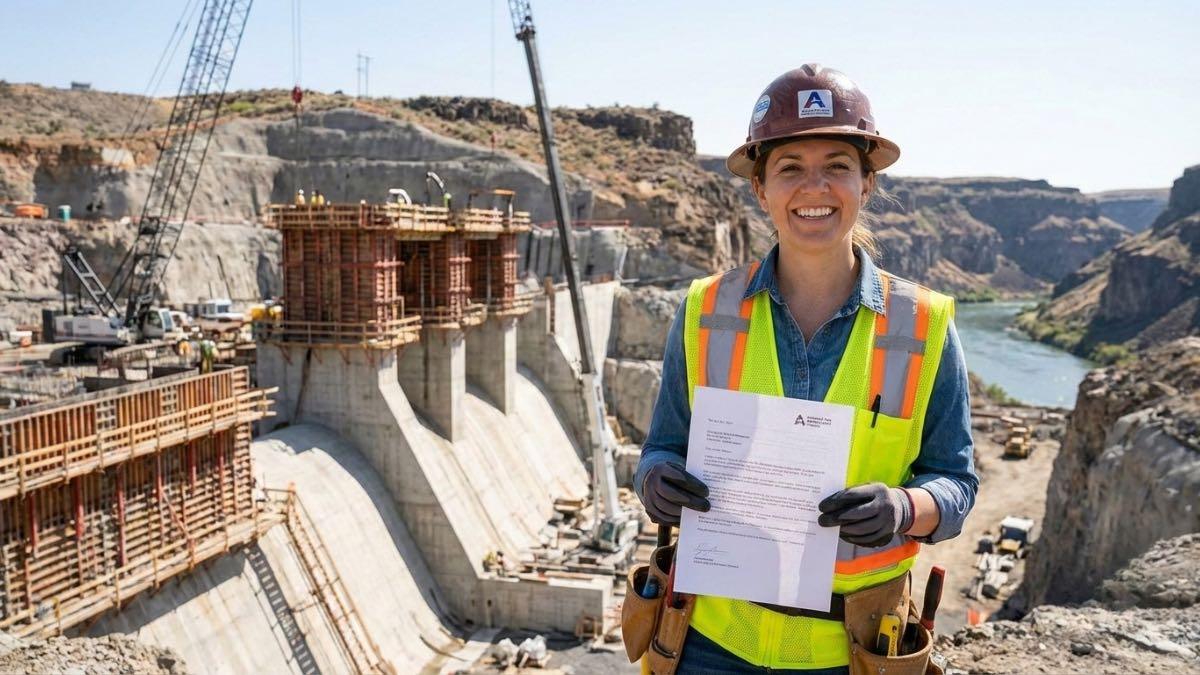
The building permit system in the United States is one of the most important regulatory frameworks governing the construction industry. Every year, millions of construction projects across the country must pass through permitting procedures before work can begin. These permits ensure that buildings comply with local building codes, zoning regulations, safety standards, and environmental requirements.
For contractors, understanding how the permitting process works is essential for avoiding costly delays, legal complications, and project shutdowns. Builders who fail to obtain the correct permits before beginning construction may face fines, stop-work orders, or even legal liability if the project violates local regulations. On the other hand, contractors who understand permitting procedures can navigate approvals more efficiently and maintain predictable project timelines.
The permitting process varies widely across the United States because building regulations are primarily enforced at the local level. Cities, counties, and municipalities each maintain their own building departments responsible for reviewing construction plans and issuing permits. As a result, contractors working across multiple jurisdictions must understand the specific requirements of each location where they operate.
Permits are required for a wide range of construction activities, including new residential construction, commercial buildings, structural renovations, electrical installations, plumbing systems, roofing replacements, and major mechanical upgrades. The goal of these requirements is to ensure that buildings are safe for occupants and compliant with established engineering and construction standards.
For builders, learning how to navigate the permitting system effectively is an essential professional skill that directly affects project profitability and scheduling.
Why building permits are required
Building permits exist primarily to protect public safety and ensure that construction projects follow established technical standards. Construction activities involve complex structural systems, electrical networks, plumbing systems, and mechanical equipment that must function safely within the built environment.
Local governments adopt building codes that define the minimum safety and performance standards for buildings. These codes regulate aspects such as structural integrity, fire safety, electrical systems, plumbing installations, ventilation requirements, accessibility standards, and energy efficiency.
When contractors submit permit applications, building departments review the construction plans to verify compliance with these codes. This review process ensures that the project design meets engineering standards before construction begins.
In most jurisdictions, construction projects must also undergo inspections during the building process. Inspectors verify that the work being performed matches the approved construction plans and complies with safety requirements.
Information about building code standards used across the United States can be found through the International Code Council.
International Code Council – building code standards
https://www.iccsafe.org
Many cities adopt versions of these model codes as the basis for their local building regulations.
Types of construction permits contractors may need
Construction projects often require multiple permits depending on the scope of the work being performed. While permit categories vary by jurisdiction, several types of permits are commonly required across the United States.
Building permits are the most comprehensive permit category and typically apply to new construction projects, structural modifications, and major renovations. These permits authorize the overall construction project and confirm that the building design complies with local codes.
Electrical permits are required when installing or modifying electrical systems. These permits ensure that wiring installations meet safety standards and reduce the risk of electrical hazards.
Plumbing permits regulate the installation of water supply lines, drainage systems, and plumbing fixtures. These permits help ensure that plumbing systems function safely and comply with health regulations.
Mechanical permits apply to heating, ventilation, and air conditioning systems. HVAC installations must comply with energy efficiency standards and safety requirements.
Roofing permits are often required when replacing roofs or performing major structural repairs to roofing systems.
Because many projects involve multiple trades, contractors may need to coordinate several permit applications simultaneously.
Builder Inteligence


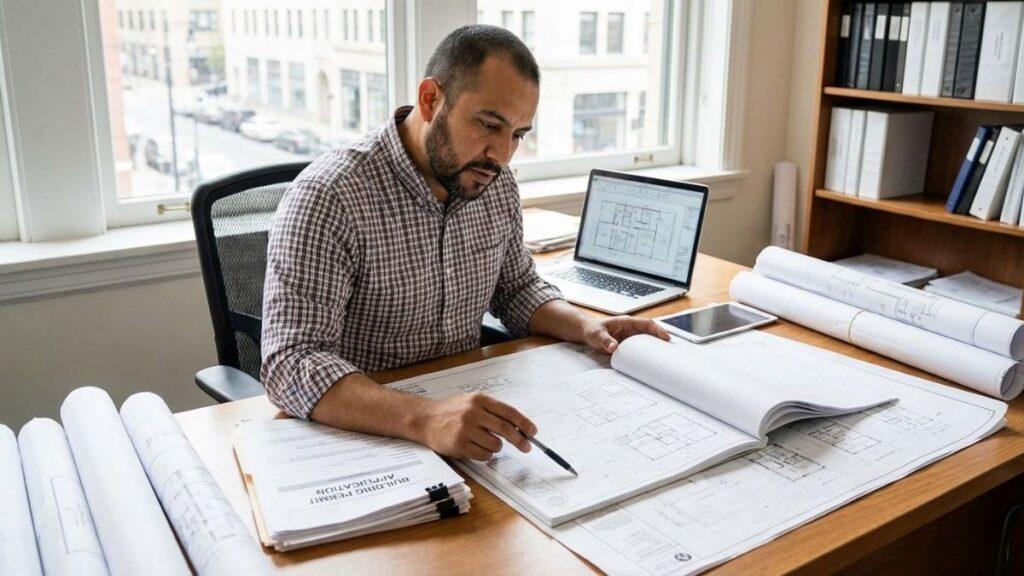
The typical building permit application process
Although procedures vary across jurisdictions, the building permit process generally follows several key steps.
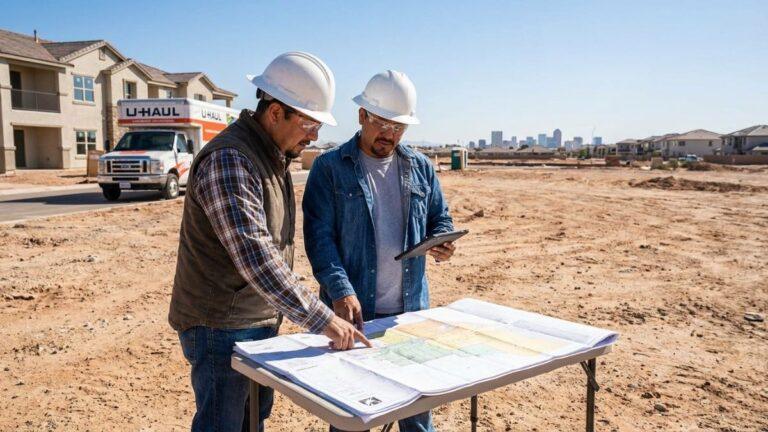
The first step involves preparing construction plans that describe the proposed project. These plans typically include architectural drawings, structural calculations, electrical layouts, plumbing diagrams, and other technical documentation required by local building departments.
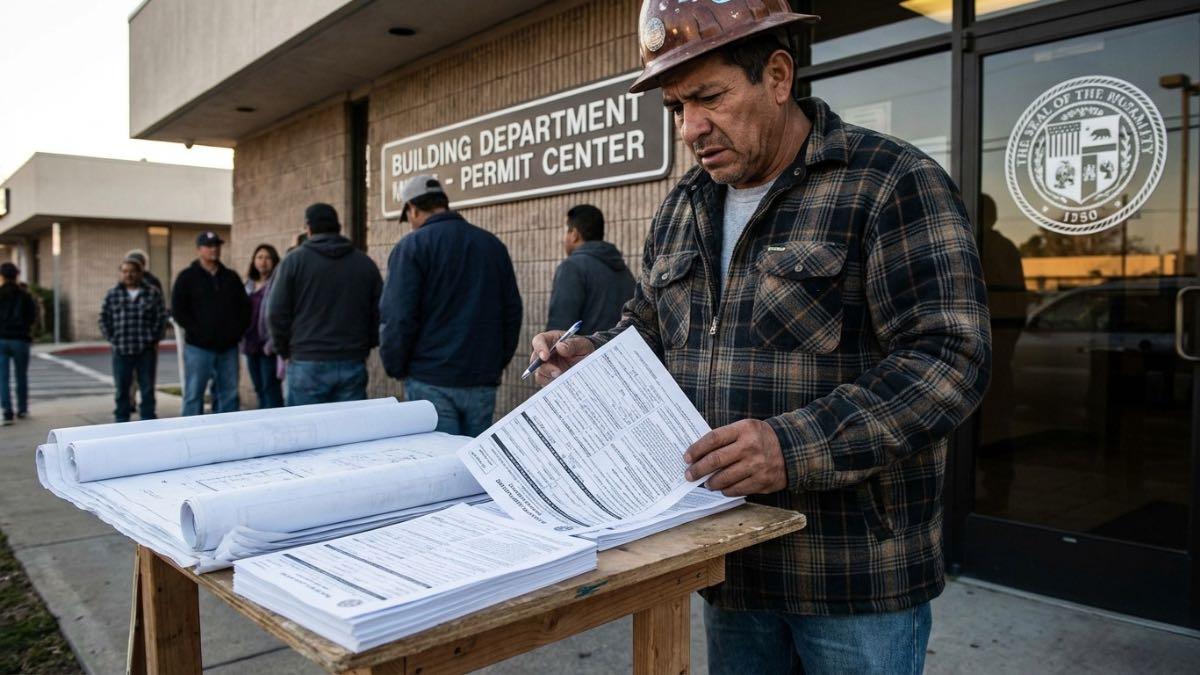
Once the plans are prepared, the contractor or project architect submits a permit application to the appropriate local building department. The application includes project details such as site location, project scope, construction materials, and contractor licensing information.
Building officials review the submitted plans to ensure compliance with building codes and zoning regulations. If the plans meet all requirements, the permit is approved and construction can begin.
During construction, inspectors from the building department visit the job site to verify that work is performed according to the approved plans. These inspections often occur at multiple stages of the project, including foundation work, structural framing, electrical installation, and final completion.
Local permitting procedures can be found on municipal government websites.
City Of Los Angeles Department Of Building And Safety
Each city maintains its own permit procedures and requirements.
How permitting delays affect construction projects
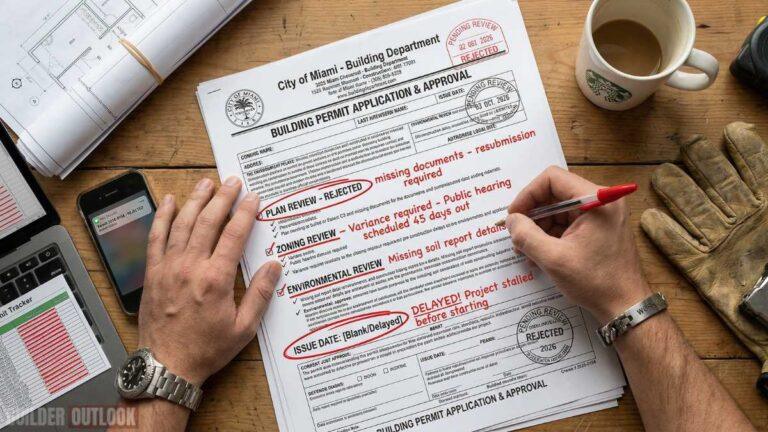
Permitting delays are one of the most common challenges facing construction projects in the United States. Because building departments must review large numbers of permit applications, approval timelines can vary significantly depending on project complexity and local administrative capacity.
Delays may occur when construction plans require revisions to comply with building codes. In some cases, projects may require additional engineering documentation or environmental assessments before permits can be issued.
Permitting delays can significantly affect project schedules because contractors cannot begin construction until the necessary approvals are granted. These delays may increase financing costs, equipment rental expenses, and labor scheduling challenges.
Builders who understand local permitting procedures often work closely with architects, engineers, and permitting specialists to streamline the approval process.
Strategies contractors use to navigate permitting successfully
Experienced contractors develop systems to manage permitting requirements efficiently. One common strategy involves working with architects and engineers who have experience dealing with local building departments. Professionals familiar with local regulations can often anticipate code requirements and prepare construction plans that pass review more quickly.
Contractors also benefit from maintaining organized documentation systems for permits, inspections, and approvals. Clear recordkeeping helps ensure that projects remain compliant throughout the construction process.
Some builders also hire permitting consultants who specialize in navigating complex approval systems in large metropolitan areas. These specialists help manage permit submissions, coordinate plan reviews, and communicate with building officials.
Builders who understand permitting systems thoroughly can reduce project delays and maintain predictable construction timelines.
More from Builder Inteligence


FAQ – Building permits in the united states: how the permitting process works for contractors
1. What is a building permit in the united states?
A building permit is an official authorization issued by a local government allowing construction work to begin. Permits confirm that the project plans comply with building codes, zoning regulations, and safety standards.
2. Who issues building permits in the united states?
Building permits are typically issued by local government agencies such as city or county building departments responsible for enforcing construction regulations.
3. What types of construction work require permits?
Most structural construction, major renovations, electrical installations, plumbing work, and mechanical system installations require permits before work can begin.
4. What happens if construction begins without a permit?
Contractors who begin work without required permits may face fines, project shutdowns, and legal liability if the work violates building codes.
5. How long does the permitting process usually take?
Permit approval timelines vary depending on project complexity and local government procedures. Some permits may be issued within days, while complex projects may take several weeks or months.
6. Are building inspections required during construction?
Yes. Most jurisdictions require inspections during different phases of construction to verify compliance with approved plans and building codes.
7. Do contractors or property owners apply for permits?
In many cases the contractor applies for permits on behalf of the property owner, although this responsibility may vary depending on the project.
8. Where can contractors find local permit requirements?
Permit requirements are typically published on city or county government websites through their building department pages.