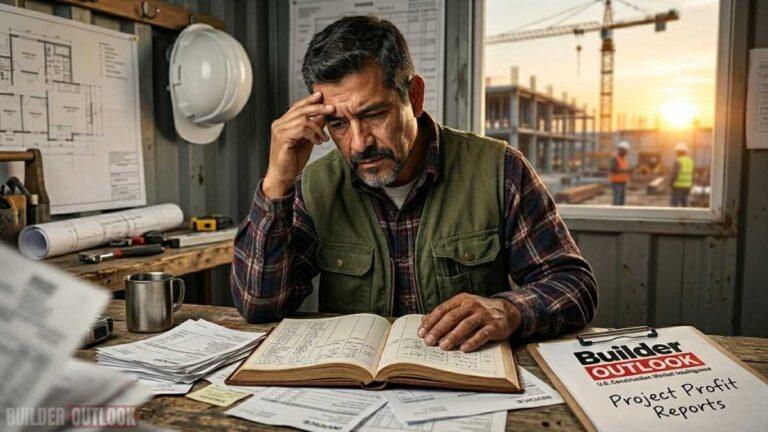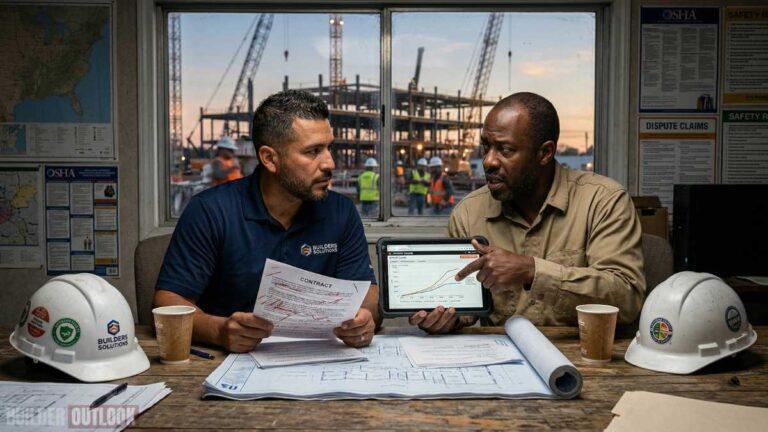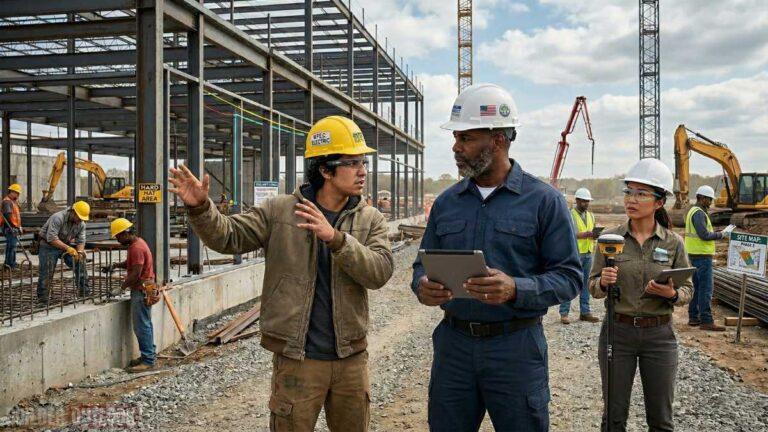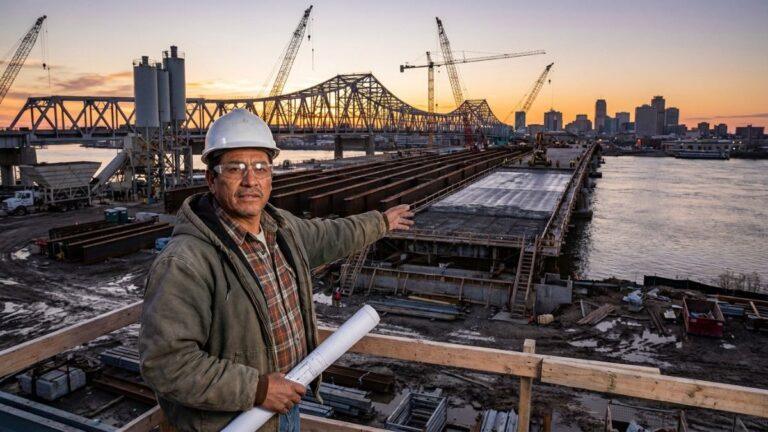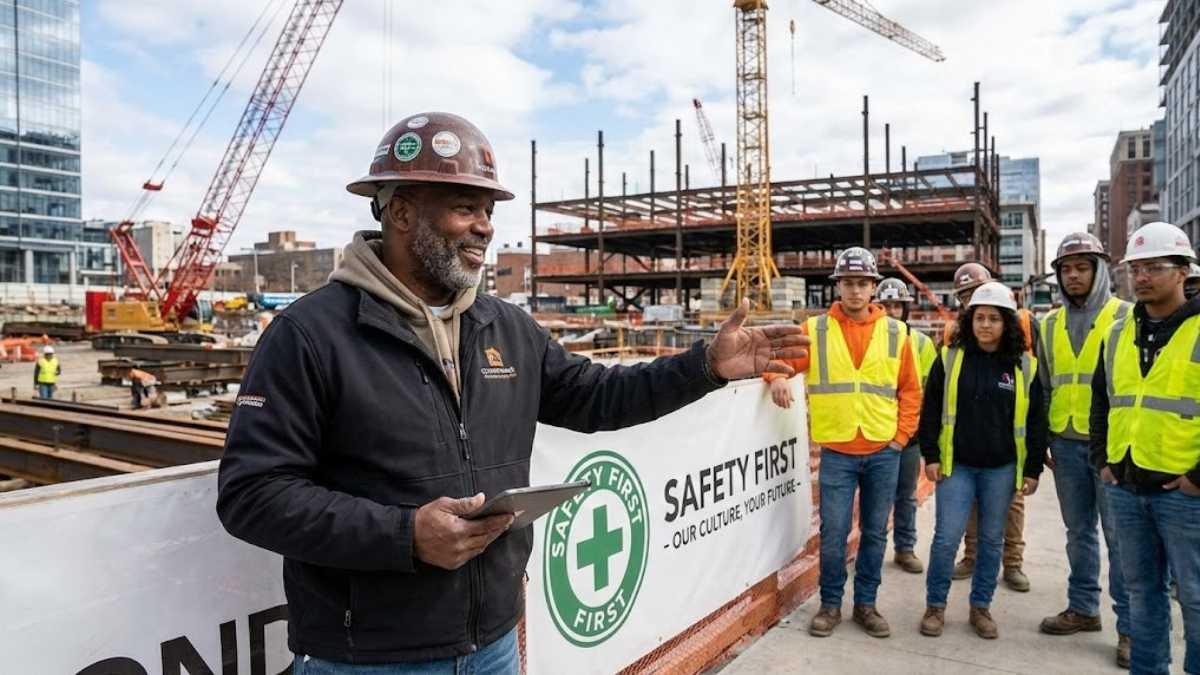
Safety culture stopped being a compliance topic and became a recruiting filter. In 2026, construction workers are actively choosing employers based on how seriously safety is treated on a daily basis. This shift is not driven by regulation. It is driven by experience. Crews have learned that companies with weak safety habits usually have weak planning, weak leadership, and weak respect for people.
For contractors competing in tight labor markets, safety culture is no longer an internal conversation. It is a public signal. Workers evaluate companies through stories, reviews, jobsite reputation, and peer feedback. Firms with consistent safety behavior attract talent faster and retain it longer, even without offering premium pay.
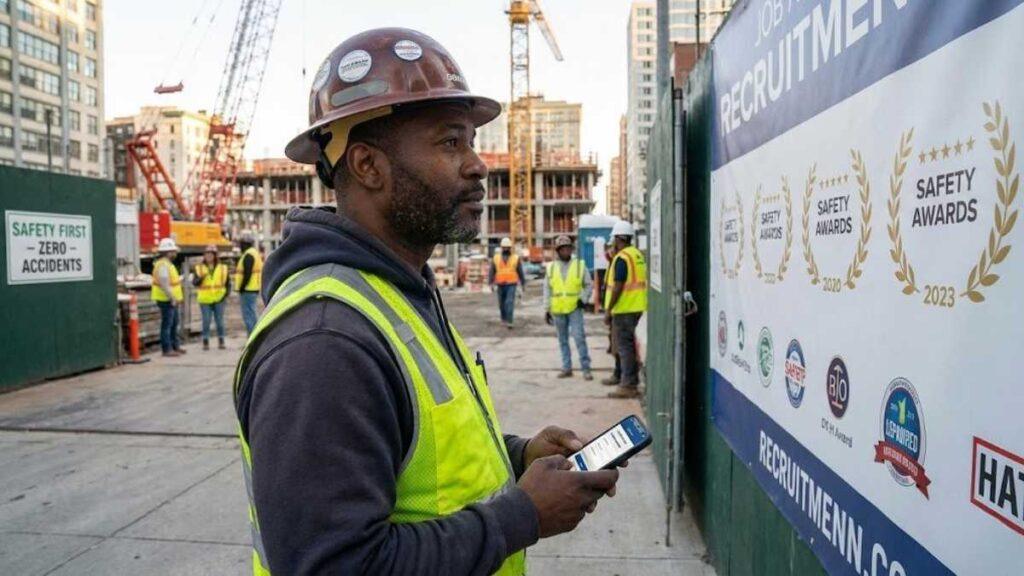
Why workers now evaluate safety before applying
Construction workers are more informed than ever. They talk. They share jobsite experiences across crews, trades, and regions. Unsafe environments are exposed quickly, and reputations spread faster than job ads. Workers are no longer willing to gamble their health for a paycheck.
Safety failures also correlate strongly with operational chaos. Crews understand that repeated near misses, ignored hazards, and rushed schedules usually signal deeper management problems. When safety is neglected, workers assume quality, planning, and fairness will be neglected too.
This evaluation happens before the first interview. Workers research companies online, listen to peers, and assess whether safety is enforced consistently or treated as paperwork. Contractors who underestimate this behavior lose candidates silently.
What safety culture actually means to crews
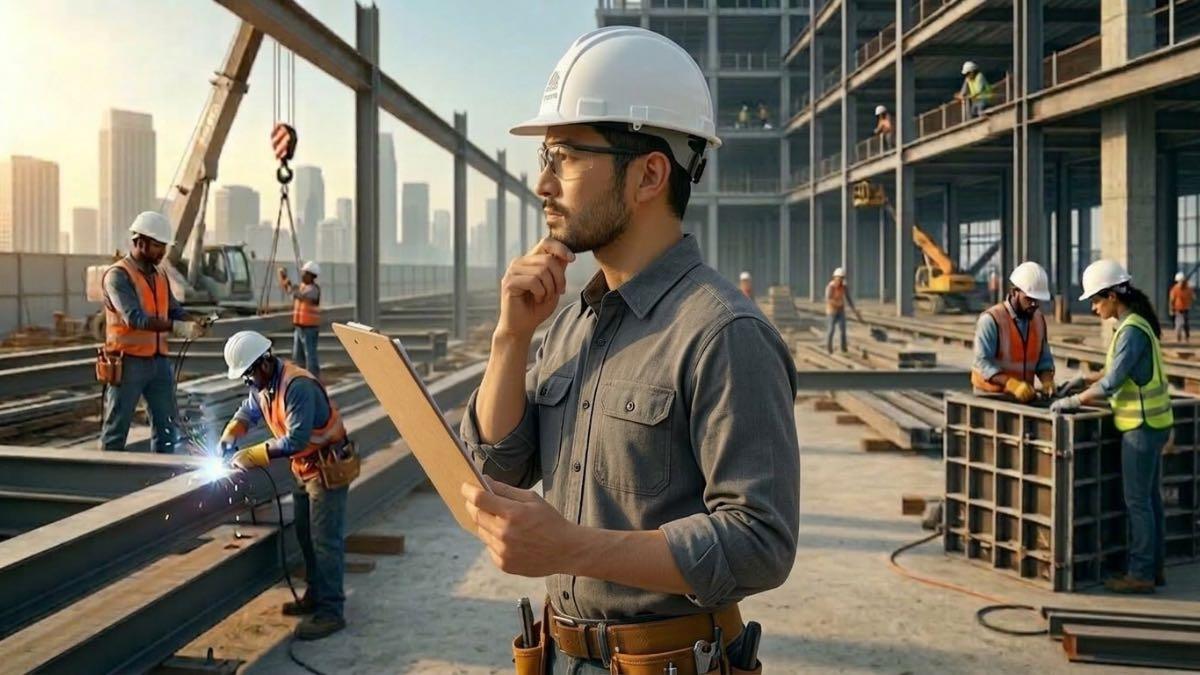
Safety culture is not signage or weekly meetings. Crews judge safety by daily decisions. They notice whether supervisors stop unsafe work, whether schedules allow proper sequencing, and whether productivity pressure overrides caution. These signals matter more than policies.
Consistency is the defining factor. Workers trust companies where safety rules apply to everyone, including foremen and managers. Selective enforcement destroys credibility and accelerates turnover.
Transparency also matters. Crews respect companies that investigate incidents honestly and fix root causes instead of assigning blame. This builds loyalty and long-term engagement.
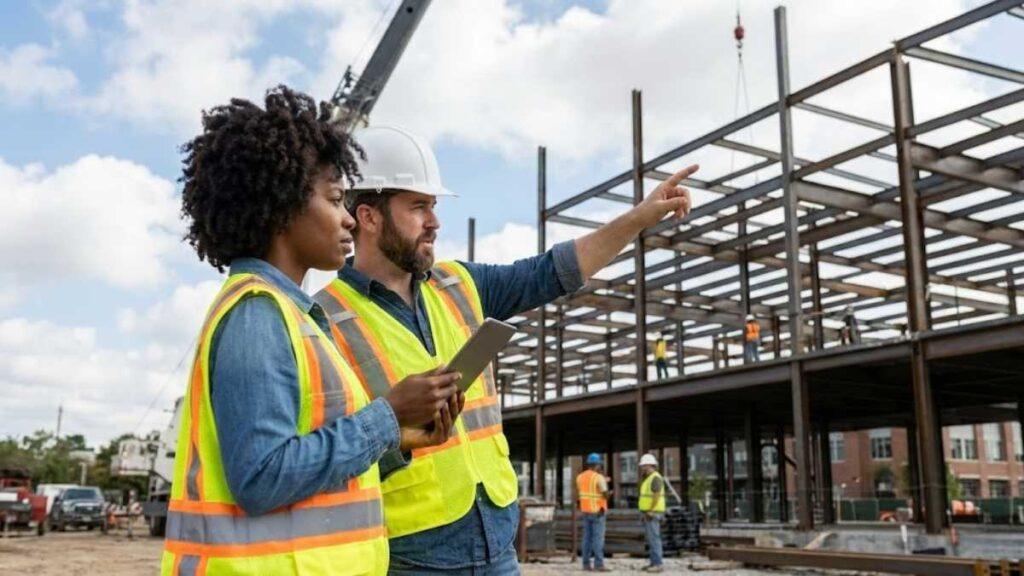
How safety culture improves recruitment outcomes
Strong safety culture reduces fear. When workers feel protected, they are more willing to commit long term. This lowers turnover and improves crew cohesion, which further reinforces safety and productivity.
Recruitment becomes easier because satisfied workers become advocates. Word-of-mouth referrals increase, reducing dependence on job boards and recruiters. Safety reputation travels faster than marketing campaigns.
Clients also influence this dynamic. Owners increasingly favor contractors with strong safety records. Workers recognize this stability and prefer employers who win repeat work because it signals job continuity.
Why safety is now a strategic investment
Investing in safety reduces more than incidents. It reduces absenteeism, rework, disputes, and insurance costs. These savings compound over time and improve margins.
In 2026, safety culture is not overhead. It is infrastructure. Contractors who integrate safety into planning, scheduling, and supervision outperform competitors operationally and in workforce stability.
Companies that treat safety as optional will struggle to hire. Those that treat it as core strategy will attract talent even in aggressive labor markets.
Advertising

FAQ – Why safety culture is now a recruiting advantage
1. Why has safety culture become important for recruiting construction workers?
Workers now associate safety with leadership quality and operational stability. Companies with strong safety habits are perceived as more organized, respectful, and trustworthy employers.
2. How do workers evaluate a contractor’s safety culture?
They rely on peer feedback, jobsite reputation, online reviews, and direct observations during interviews or site visits.
3. Does safety culture really impact retention?
Yes. Workers stay longer in environments where they feel protected and respected. Unsafe conditions accelerate burnout and turnover.
4. Can small contractors compete on safety with large firms?
Absolutely. Smaller teams often enforce safety more consistently because leadership is closer to daily operations.
5. Why does poor safety signal deeper problems?
Because safety failures often result from rushed schedules, unclear planning, and weak supervision, which affect all aspects of work.
6. How does safety culture affect productivity?
Safe jobsites experience fewer disruptions, less rework, and higher morale, which increases output over time.
7. Is safety more important than pay for workers?
For many workers, yes. Predictable, safe environments often outweigh small pay differences.
8. How can contractors strengthen safety culture quickly?
By enforcing rules consistently, involving crews in hazard planning, and aligning schedules with safe execution rather than speed alone.