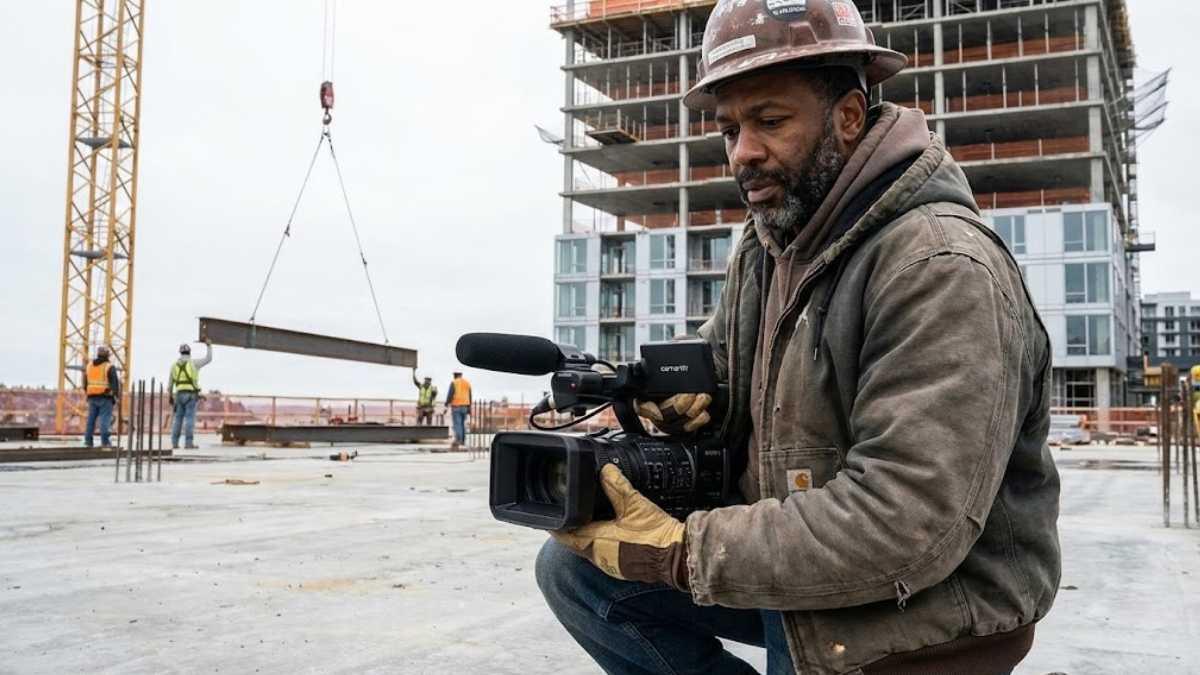
Why video documentation moved from optional to expected
Video documentation in construction did not become standard because of technology trends. It became standard because the industry can no longer rely on fragmented, written, and subjective records to explain what happened on a jobsite. Serious projects now operate under constant scrutiny from owners, lenders, insurers, and legal teams who demand continuous, verifiable proof of progress and conditions. Video answers this demand in a way photos and reports cannot.
Unlike static images, video captures context. It shows sequencing, access constraints, trade overlap, safety conditions, and environmental factors in motion. This contextual depth transforms documentation from a defensive record into an operational asset that supports planning, coordination, and accountability across the project lifecycle.
In high-value or schedule-sensitive projects, video documentation is no longer perceived as overhead. It is perceived as risk control. Owners increasingly expect contractors to provide visual continuity, not just milestone snapshots. Contractors who fail to meet this expectation are seen as outdated, regardless of technical competence.
This shift is structural. As projects grow more complex and disputes more data-driven, video documentation becomes part of the baseline requirements for serious construction work.
Advertising
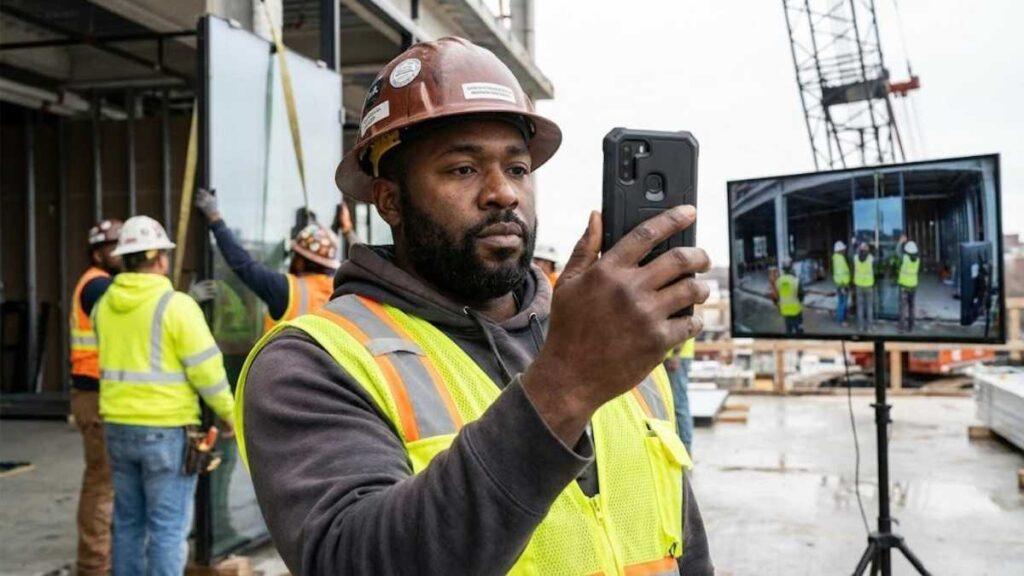
How video changes accountability on the jobsite
Video documentation fundamentally alters how accountability works. When actions, conditions, and sequences are recorded continuously, responsibility becomes clearer. This discourages blame-shifting and reduces ambiguity when problems arise. Teams know that claims must align with recorded reality.
This clarity improves coordination between trades. Video allows project managers to review handoffs, identify bottlenecks, and verify readiness without relying solely on verbal confirmation. This reduces rework caused by premature starts or misaligned expectations between crews.
From a leadership perspective, video enables proactive intervention. Instead of discovering issues after delays occur, managers can identify risks early by reviewing footage. This shifts management from reactive correction to preventive control.
Accountability also extends upward. Owners and lenders gain confidence when they can independently verify site conditions. This transparency accelerates decisions and reduces friction during progress reviews and payment approvals.

Video documentation as dispute prevention, not just evidence
While video is powerful during disputes, its greatest value lies in preventing them. Most construction disputes originate from misunderstandings about timing, access, or responsibility. Video resolves these questions before they escalate into formal claims.
When disagreements arise, video replaces memory with evidence. This shortens resolution cycles and reduces legal costs. Instead of reconstructing events through emails and logs, teams review footage that objectively reflects what occurred.
Video also strengthens change order justification. Weather impacts, owner-driven delays, or unforeseen conditions are visually documented, reducing resistance during negotiations. This protects margins and reduces the likelihood of contested claims.
As legal teams become more accustomed to visual evidence, contractors without video documentation are increasingly disadvantaged. In serious projects, the absence of video is now perceived as a documentation gap, not a cost-saving decision.
Owners operate in environments where capital risk, reputational risk, and schedule risk are tightly linked. Video documentation provides a level of oversight that aligns with this reality. It allows owners to monitor progress remotely and consistently, especially across multi-site portfolios.
This expectation is reinforced by lenders and insurers who value transparency and risk visibility. Projects with robust video documentation are easier to underwrite and manage. This creates indirect financial advantages for contractors who adopt video as standard practice.
Video also improves trust. Owners who feel informed are less likely to micromanage. This leads to smoother collaboration and faster approvals. Contractors who proactively provide video access position themselves as partners, not vendors.
In competitive markets, this expectation becomes a differentiator. Contractors who treat video documentation as standard signal maturity, discipline, and alignment with modern project governance.
Advertising

FAQ – Video documentation is becoming standard on serious projects
1. Why is video documentation becoming standard on construction projects?
Video documentation provides continuous, objective records of site conditions, progress, and sequencing. As disputes increase and owners demand transparency, video meets expectations that written reports and photos can no longer satisfy.
2. How does video documentation reduce construction disputes?
By capturing events in real time, video eliminates ambiguity around responsibility, access, and timing. This prevents minor disagreements from escalating and strengthens evidence when claims arise.
3. Is video documentation mainly for large projects?
While more common on large projects, smaller projects also benefit. Risk reduction, improved coordination, and faster decision-making often justify video adoption regardless of project size.
4. Does video documentation improve project management efficiency?
Yes. Managers spend less time clarifying past events and more time addressing current risks. Video supports proactive management rather than reactive problem solving.
5. Are owners now expecting video documentation by default?
Increasingly, yes. Many owners view video as part of standard project visibility, especially on complex, high-value, or schedule-sensitive work.