Few elements of construction contracts generate as much tension between owners, contractors, and subcontractors as change orders. In theory, change orders exist to provide a fair and structured mechanism for modifying a construction project after the contract has been signed. In practice, however, they often become a source of conflict, financial stress, and project delays. Understanding how change orders work—and how they should be managed—is essential for builders who want to protect their profitability and maintain professional relationships with clients.
A change order is a formal modification to the original construction contract that adjusts the scope of work, the project schedule, or the total contract price. These changes may occur for many reasons. Sometimes the owner decides to modify the design. In other cases, unforeseen site conditions require adjustments to the construction process. Regulatory requirements, material substitutions, design clarifications, and coordination issues between trades can also trigger contract modifications.
Because construction projects often last months or even years, it is unrealistic to assume that every aspect of the work will remain exactly as originally planned. Even the most detailed construction drawings cannot anticipate every possible situation encountered in the field. Change orders therefore serve as a legal and administrative tool that allows the project team to adapt to new circumstances while maintaining contractual clarity.
For contractors, however, change orders represent both an opportunity and a risk. On one hand, they can provide additional revenue when extra work is required. On the other hand, poorly managed change order processes can create disputes over payment, delay project completion, and expose contractors to financial losses.
Understanding how change orders operate within construction contracts allows contractors to maintain better control over project outcomes.
What a construction change order actually is
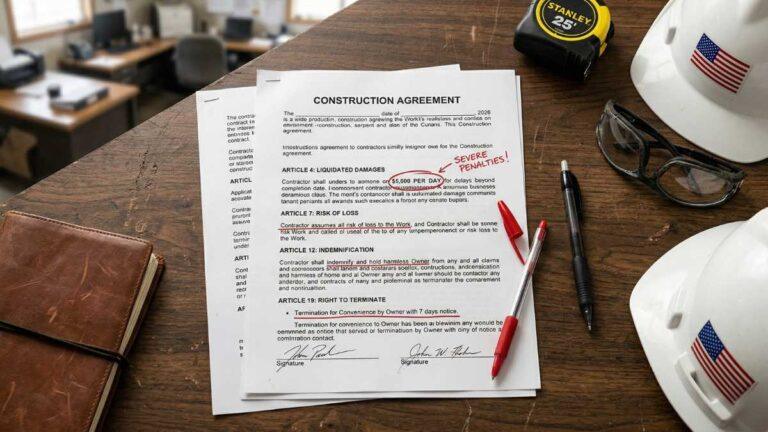
A construction change order is a written document that modifies the original contract agreement. It is signed by the relevant parties—typically the owner and the contractor—and becomes part of the legally binding contract documentation.
The change order must clearly describe the modification being made. This description may include adjustments to construction drawings, alterations to material specifications, or additional work not originally included in the contract scope. The document must also specify how the change will affect the contract price and the project schedule.
Without a properly executed change order, contractors may face difficulties obtaining payment for additional work. Many construction contracts explicitly state that extra work must be approved through a written change order before the work is performed. If contractors proceed without this documentation, they risk performing unpaid work.
For this reason, professional construction management requires strict adherence to change order procedures.
Common causes of change orders in construction projects
Change orders can arise from a wide variety of circumstances. One of the most common causes is design modification by the owner or architect. As construction progresses, project stakeholders may decide to upgrade materials, adjust layouts, or incorporate new features that were not included in the original design.
Another frequent source of change orders is the discovery of unforeseen site conditions. During excavation or demolition work, contractors may encounter hidden structural issues, underground utilities, soil instability, or hazardous materials that require specialized handling.
Regulatory requirements can also generate change orders. Local building inspectors or regulatory agencies may require modifications to ensure compliance with updated building codes or safety regulations. These changes may affect project cost and schedule.
Coordination issues between trades represent another significant source of change orders. When mechanical, electrical, and structural systems intersect within a building, design conflicts can occur that require field adjustments.
Because these scenarios are common in construction projects, contracts typically include detailed procedures for managing change orders.
Why change orders affect project profitability
Change orders can significantly affect contractor profitability if they are not managed carefully. When additional work is required, contractors must evaluate the full cost impact of the change. This includes not only the direct cost of labor and materials but also indirect costs such as equipment usage, supervision, administrative time, and potential schedule delays.
One of the most common mistakes contractors make is underestimating the true cost of performing additional work. A change that appears minor may require significant coordination, mobilization of crews, or disruption to the project schedule.
Schedule impacts are particularly important. When change orders extend the project timeline, contractors may incur additional overhead expenses related to project management, equipment rentals, and site supervision.
For these reasons, contractors must carefully evaluate the financial implications of each proposed change order before agreeing to perform the additional work.


The importance of documentation in change order management
Effective change order management relies heavily on documentation. Contractors must maintain clear records of project conditions, communications with project stakeholders, and field observations that may justify contract modifications.
When a potential change arises, contractors should document the situation immediately. Photographs, inspection reports, engineering notes, and written correspondence can provide valuable evidence supporting the need for a change order.
This documentation is particularly important when the owner disputes the necessity or cost of the additional work. Clear records help demonstrate that the change resulted from circumstances beyond the contractor’s control.
Proper documentation also helps prevent misunderstandings regarding the scope of the change order and the work required to implement it.
Negotiating fair change order pricing
Change order pricing must reflect the true cost of performing the additional work. Contractors should evaluate labor requirements, material costs, subcontractor involvement, equipment needs, and potential schedule impacts when preparing change order proposals.
Many construction contracts specify how change orders should be priced. Some contracts allow contractors to apply standard markup percentages to labor and materials. Others require detailed cost breakdowns demonstrating how the change order amount was calculated.
Contractors should ensure that change order pricing includes compensation for overhead and profit. Performing additional work without adequate markup can quickly erode project profitability.
Transparency during change order negotiations helps maintain trust between contractors and project owners.
Why proactive change management protects contractors
The most successful contractors treat change management as a core component of project management rather than an occasional administrative task. Project managers must monitor field conditions continuously and identify potential scope changes early.
When potential changes are identified early, contractors can address them through formal change order procedures before additional work begins. This proactive approach reduces the likelihood of disputes and ensures that compensation is properly negotiated.
Contractors should also educate project owners about the importance of change order procedures. Owners who understand how contract modifications affect project costs and schedules are more likely to cooperate in resolving issues efficiently.
Ultimately, effective change management helps contractors maintain control over project scope, cost, and timeline.
Why change orders are unavoidable in modern construction
Construction projects are complex endeavors involving numerous technical systems, materials, and stakeholders. Even with careful planning and detailed design documents, unforeseen challenges are inevitable. Change orders provide a structured mechanism for addressing these challenges while preserving contractual clarity.
For contractors, mastering change order management is essential for long-term success in the construction industry. Builders who understand how to document changes, evaluate cost impacts, and negotiate fair compensation are better positioned to protect their profitability and maintain strong relationships with project owners.
In a competitive industry where margins can be tight, effective change order management often determines whether a project remains financially successful or becomes a source of costly disputes.


FAQ – Construction change orders explained: how scope changes affect project cost and schedule
1. What is a construction change order?
A construction change order is a written document that modifies the original contract agreement. It may change the scope of work, the project schedule, or the total contract price. Once approved and signed, the change order becomes part of the legally binding contract.
2. Why do change orders occur in construction projects?
Change orders occur when conditions arise that were not included in the original contract. These may include design modifications, unexpected site conditions, regulatory requirements, or coordination issues between different construction trades.
3. Can contractors perform extra work without a change order?
In most contracts, contractors should not perform additional work without written approval through a change order. Performing work without proper documentation may make it difficult to obtain payment for the extra work.
4. How are change orders priced in construction contracts?
Change order pricing typically includes labor costs, material costs, equipment usage, subcontractor expenses, and overhead and profit markup. Some contracts specify standard markup percentages while others require detailed cost breakdowns.
5. Do change orders affect the construction schedule?
Yes. Many change orders affect project timelines because additional work may require extra labor, coordination, or materials. Contractors must evaluate schedule impacts when negotiating change orders.
6. Who must approve a construction change order?
Typically both the contractor and the project owner must approve and sign the change order. In some cases, architects or construction managers may also review or authorize the change.
7. What happens if the owner refuses to approve a necessary change order?
If an owner refuses to approve a change order but still requires the work to be performed, disputes may arise. Contractors must rely on documentation and contract terms to support their position.
8. Why is documentation important for change order claims?
Documentation provides evidence supporting the necessity of the change and the cost impact of performing additional work. Without documentation, contractors may struggle to justify payment requests.