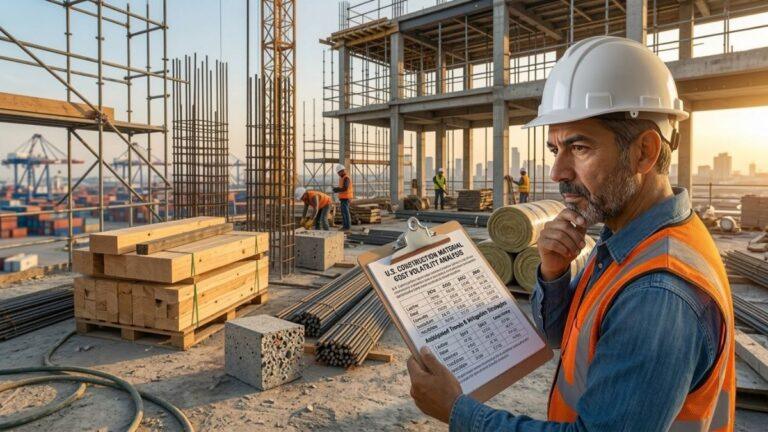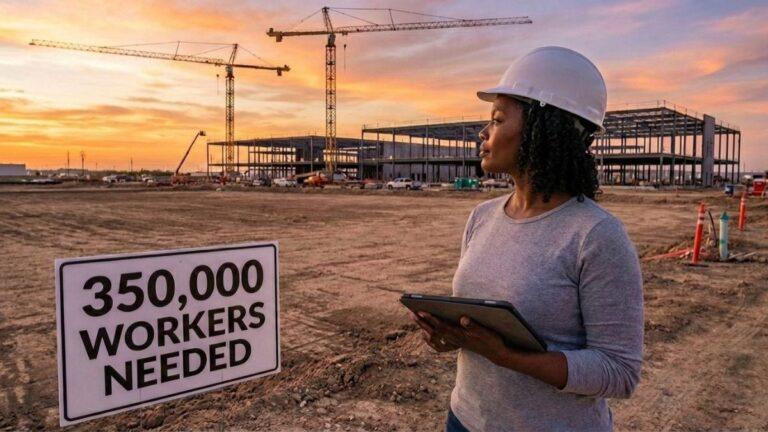
For most construction companies in the United States, tariffs sound like a distant political discussion until they quietly show up inside a bid that suddenly no longer makes sense. In 2026, tariffs are no longer a background topic. They are back in active conversation, and their impact is reaching construction faster and more unevenly than many contractors expect.
Unlike previous cycles, the current tariff environment is not hitting the industry all at once. It is moving through specific materials, trades, and project types first, creating pockets of pressure that distort pricing, availability, and risk allocation long before the broader market reacts. Contractors who understand where tariffs land first are not guessing. They are protecting margins while others are still recalculating bids.
The mistake many builders make is treating tariffs as a future problem. In reality, tariffs operate as an early-stage cost amplifier. They affect procurement decisions, supplier behavior, and subcontractor pricing months before owners acknowledge the change. This gap between cost reality and owner expectations is where construction companies absorb the first wave of damage.
Tariffs rarely appear as a single line item. They show up as material surcharges, shortened quote validity periods, revised escalation clauses, and tighter supplier terms. The effect is cumulative. Each small adjustment pushes risk downstream, and general contractors are usually the first to feel the compression.

Why tariffs hit construction unevenly
Construction does not experience tariffs as a uniform shock because the industry relies on layered supply chains. A tariff applied at the manufacturing or import level ripples through distributors, fabricators, subcontractors, and finally into project pricing. Each layer reacts differently depending on inventory levels, contract structure, and negotiating leverage.
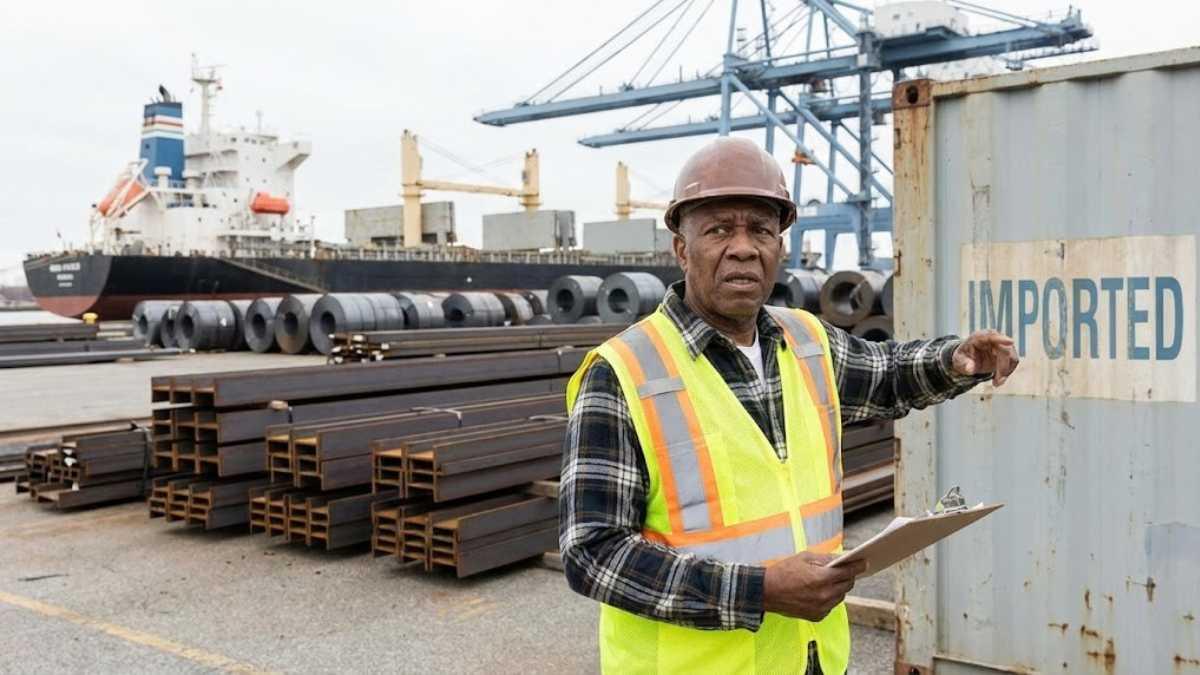
Projects that depend heavily on imported materials feel the impact first. This includes structural steel components, aluminum systems, electrical equipment, mechanical assemblies, and specialty finishes. Even when materials are assembled domestically, key components often cross borders before reaching the jobsite.
Residential construction may feel delayed effects, but commercial, industrial, and infrastructure projects experience tariff pressure earlier due to scale, specification rigidity, and longer procurement cycles. When a project requires precise systems with limited substitution options, tariffs convert directly into pricing stress.
Another factor is timing. Tariffs do not affect projects already under contract the same way they affect projects still in design or preconstruction. Bids issued during periods of tariff uncertainty carry higher contingencies because suppliers cannot confidently lock pricing. That uncertainty becomes a cost before any material actually moves.
The materials that feel tariff pressure first
Steel remains the most visible pressure point, but the real exposure is broader. Structural steel pricing reacts quickly, but secondary steel components, fasteners, framing systems, and fabricated assemblies also absorb tariff-driven increases. These increases often arrive in waves rather than a single spike.
Aluminum systems used in curtain walls, window assemblies, and exterior panels are particularly sensitive. Many of these systems rely on imported extrusions or specialized fabrication. Even modest tariff adjustments can force redesigns or re-bidding late in the process.
Electrical and mechanical equipment represent another early impact zone. Switchgear, transformers, HVAC components, and control systems often include imported elements. Lead times stretch as suppliers reassess sourcing strategies, and pricing volatility increases as inventory positions shift.
Finishes are frequently overlooked until late in procurement. Tile, stone, fixtures, and specialty architectural products may appear discretionary, but design intent often limits substitution. Tariff pressure here tends to surface late, when flexibility is lowest and schedule pressure is highest.
How suppliers shift risk downstream
Suppliers rarely absorb tariff costs quietly. Instead, they restructure terms. Shorter price locks, reduced quote validity windows, and conditional pricing become common responses. These changes move risk away from suppliers and toward contractors who must hold bids longer.
Subcontractors react by padding estimates or refusing fixed pricing altogether. When uncertainty rises, subcontractors prioritize protecting their exposure rather than competing aggressively on price. This dynamic explains why bid spreads widen during tariff cycles even when overall demand remains stable.
General contractors then face a choice. They can either absorb the uncertainty to keep bids competitive or push contingencies upward and risk losing work. In many cases, neither option is attractive. This is why tariffs often compress margins without immediately reducing volume.
Where general contractors feel the pressure first
General contractors sit at the intersection of owner expectations and supply chain reality. Owners often lag in recognizing tariff impacts, especially on projects with long planning horizons. They compare current bids to outdated benchmarks, assuming pricing discipline rather than structural change.
This misalignment creates friction during negotiation. Contractors are asked to justify increases that are difficult to isolate. Tariff-related cost pressure is rarely clean or linear, making explanation harder and trust more fragile.
Projects with aggressive schedules experience amplified effects. When time constraints limit procurement flexibility, contractors lose leverage to shop alternatives or delay commitments. Tariffs combined with schedule pressure create a premium environment where risk pricing becomes unavoidable.
Public sector projects face additional strain. Fixed funding structures and rigid procurement rules leave little room for adjustment. Contractors bidding public work during tariff volatility often shoulder disproportionate risk, leading some to step back from segments that no longer pencil out.
Early signs tariffs are already influencing bids
One of the clearest indicators is the shrinking validity of bids. When suppliers and subcontractors shorten pricing windows, they signal uncertainty upstream. Contractors who ignore this change often discover that bids expire before contracts are finalized.
Another signal is the rise of escalation language in proposals. Even when owners resist escalation clauses, their appearance indicates that pricing confidence has eroded. The more complex the escalation language, the greater the perceived risk.
Increased use of allowances is another early marker. Allowances shift unknowns out of base pricing, but they also signal that the supply chain cannot commit to fixed numbers. This creates downstream tension during buyout.
Finally, selective bidding behavior reveals tariff anxiety. Subcontractors avoid scopes with high imported content or long lead times, narrowing competition and pushing prices higher regardless of headline demand.
Why this matters now, not later
Many contractors assume tariffs matter only if projects slow down. That assumption is flawed. Tariffs distort pricing even in stable demand environments because they change how risk is priced and allocated.
In 2026, the construction market is not uniformly soft or overheated. It is fragmented. Some sectors remain strong while others pause. Tariffs exploit this fragmentation by raising costs in pockets where demand remains resilient, allowing increases to stick.
Contractors who wait for clear macro signals often miss the window to adjust strategy. By the time tariffs become a mainstream talking point again, margins have already been eroded quietly across multiple projects.
How experienced contractors adapt early
The most resilient contractors do not react emotionally to tariffs. They adjust systems. Procurement teams engage suppliers earlier. Preconstruction teams stress-test material assumptions. Estimators document exposure instead of hiding it.
Clear communication with owners becomes essential. Contractors who explain tariff risk early and transparently build credibility. Owners may not like the message, but they prefer clarity over surprise.
Some firms reevaluate project mix. They prioritize work with greater flexibility, shorter procurement cycles, or contractual mechanisms that allow adjustment. This is not avoidance. It is risk selection.
The strategic takeaway
Tariffs are not a temporary headline. They are a structural variable that reshapes how construction pricing behaves under uncertainty. The contractors who recognize where tariffs hit first are not predicting policy. They are managing exposure.
The real danger is not tariffs themselves. It is pretending they have not already arrived.

FAQ – Tariffs are back in the conversation: where construction gets hit first
1 – Why are tariffs impacting construction before many owners acknowledge it?
Tariffs affect construction through supply chains long before finished materials reach jobsites. Suppliers and subcontractors adjust pricing, terms, and availability immediately, while owners often rely on outdated benchmarks. This timing gap causes contractors to absorb risk first, creating margin pressure before tariff impacts become visible at the owner level.
2 – Which construction sectors feel tariff pressure the fastest?
Commercial, industrial, and infrastructure projects typically feel tariff effects earlier than residential construction. These sectors rely on imported or specialized systems with limited substitution options. Longer procurement cycles and rigid specifications amplify tariff-driven cost and schedule pressure in these markets.
3 – How do tariffs change subcontractor behavior during bidding?
Subcontractors respond to tariff uncertainty by shortening quote validity periods, adding contingencies, or declining fixed pricing altogether. This behavior increases bid volatility and widens spreads, forcing general contractors to manage uncertainty rather than compete purely on price.
4 – Why do tariffs affect scheduling as well as pricing?
Tariffs disrupt supply chains by altering sourcing strategies and inventory availability. These disruptions extend lead times and reduce scheduling certainty. Projects with aggressive timelines face compounded risk because procurement flexibility is limited when materials must be secured quickly.
5 – Can contractors fully pass tariff costs to owners?
Passing tariff costs directly to owners is difficult, especially when contracts are negotiated during uncertain periods. Many owners resist price adjustments without clear documentation. Contractors who succeed typically communicate risk early and structure contracts to share uncertainty rather than absorb it entirely.
6 – What is the biggest mistake contractors make during tariff cycles?
The biggest mistake is treating tariffs as a future issue instead of a current pricing variable. Contractors who ignore early signals often lock bids based on assumptions that no longer hold, leading to margin erosion when suppliers revise terms or pricing midstream.
7 – How can contractors protect margins when tariffs increase volatility?
Contractors protect margins by engaging suppliers earlier, documenting exposure clearly, adjusting project selection strategies, and educating owners during pre7construction. Strong internal systems and transparent communication reduce the likelihood of absorbing unpriced risk.
8 – Are tariffs likely to remain a factor in 2026 construction markets?
Tariffs have become part of a broader environment of trade, supply chain, and geopolitical uncertainty. Even if specific policies change, the structural volatility they introduce is likely to persist, making risk management a permanent requirement for construction firms.