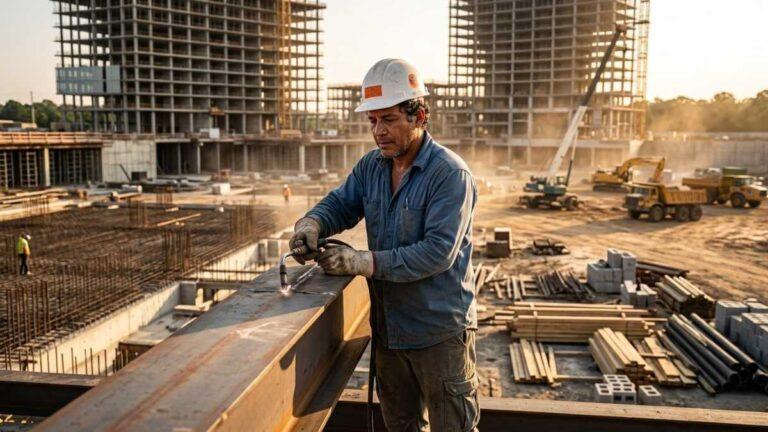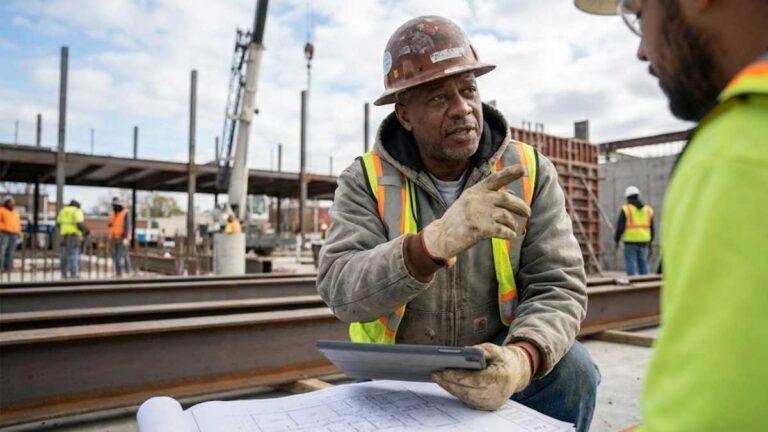
Construction projects rarely rely on a single company performing every task required to complete the job. Modern construction involves a complex network of specialized professionals including electricians, plumbers, HVAC installers, steel fabricators, concrete contractors, and numerous other trades. Because of this complexity, general contractors depend heavily on subcontractors to perform specific portions of the work. To ensure that responsibilities are clearly defined and risks are properly managed, general contractors rely on subcontractor agreements.
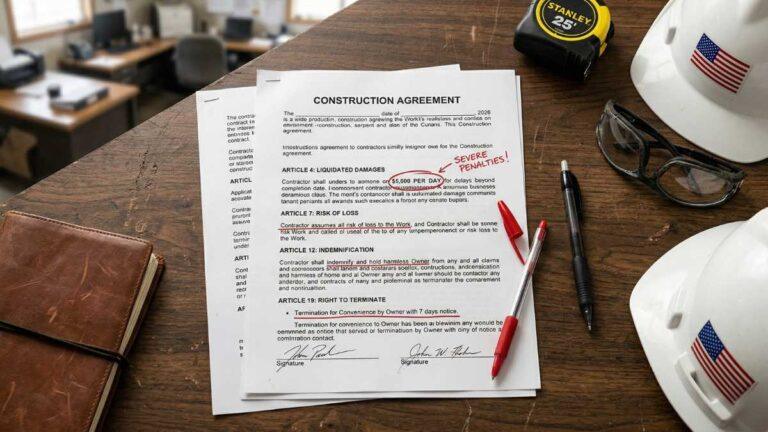
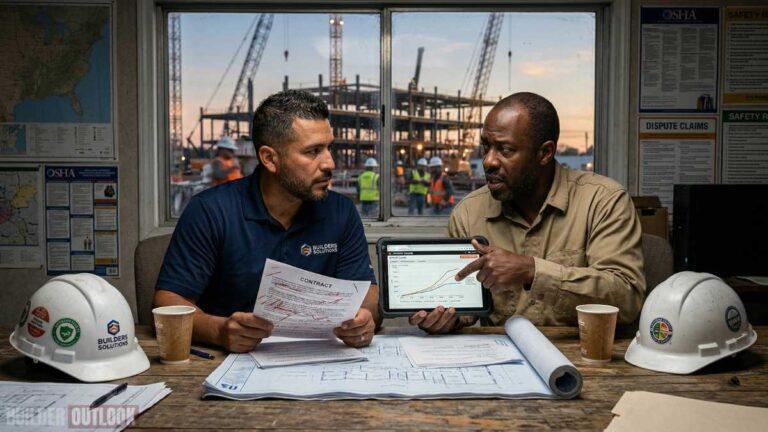
A subcontractor agreement is a legally binding contract between the general contractor and a subcontractor. While the primary construction contract defines the relationship between the project owner and the general contractor, the subcontractor agreement establishes the obligations of specialized contractors working under the general contractor’s supervision. These agreements must align with the terms of the main construction contract while also addressing specific trade responsibilities.
For contractors operating in the United States construction industry, subcontractor agreements are among the most important legal tools used to manage project risk. Without properly structured agreements, general contractors may find themselves responsible for delays, defective work, safety violations, or financial losses caused by subcontractors.
Understanding how subcontractor agreements function allows contractors to build stronger project teams while protecting their businesses from unnecessary legal and financial exposure.
Why subcontractor agreements are essential in construction projects
General contractors are responsible for delivering the entire construction project according to the contract signed with the owner. However, much of the physical work performed on the jobsite is executed by subcontractors specializing in specific trades.
Subcontractor agreements allow general contractors to delegate portions of the work while still maintaining control over project execution. These contracts define exactly what work the subcontractor must perform, how the work must be completed, and how the subcontractor will be compensated.
In addition to defining scope and payment terms, subcontractor agreements establish performance expectations, scheduling obligations, insurance requirements, safety responsibilities, and dispute resolution procedures.
Without clear subcontractor agreements, general contractors may struggle to coordinate multiple trades and ensure that each subcontractor fulfills their responsibilities. This lack of clarity can lead to project delays, cost overruns, and disputes that affect the entire construction schedule.
Key components of a subcontractor agreement
A well-structured subcontractor agreement includes several critical components designed to align subcontractor responsibilities with the broader project requirements.
One of the most important elements is the scope of work. This section clearly defines the specific tasks the subcontractor must perform. It may reference construction drawings, technical specifications, and project schedules to ensure that expectations are fully documented.
Another essential component is the payment structure. Subcontractor agreements must define how payments will be calculated, when invoices may be submitted, and what documentation is required before payment approval. These provisions often align with the payment schedule established in the primary construction contract.
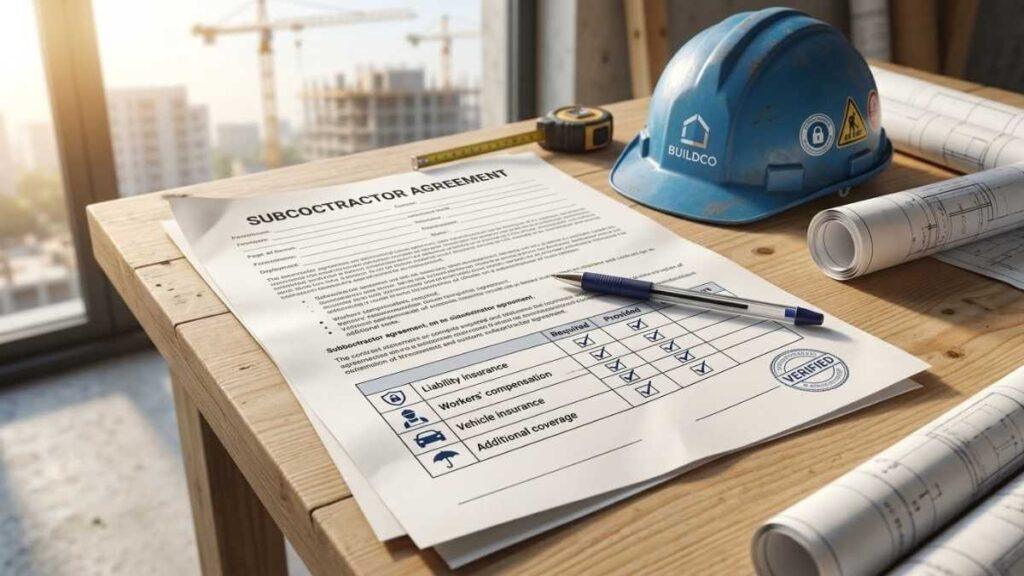
Insurance requirements also play a significant role in subcontractor agreements. Subcontractors are typically required to maintain general liability insurance, workers’ compensation coverage, and sometimes additional policies depending on the project type.
By clearly defining these responsibilities, subcontractor agreements help prevent misunderstandings that could disrupt the construction process.
Flow-down clauses and their impact on subcontractors
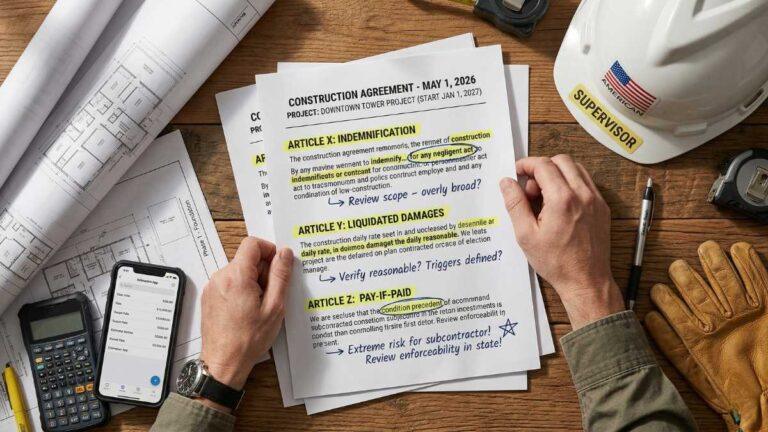
Subcontractor agreements often include flow-down clauses, which require subcontractors to comply with the same obligations imposed on the general contractor in the primary construction contract. These clauses ensure that subcontractors adhere to project standards, safety requirements, scheduling obligations, and regulatory compliance.
For example, if the main construction contract requires the general contractor to follow specific safety protocols or environmental regulations, the subcontractor agreement will typically require subcontractors to comply with those same standards.
Flow-down clauses help maintain consistency across the project team. Without these provisions, subcontractors might operate under different expectations than those defined in the primary contract, creating confusion and potential liability for the general contractor.
However, subcontractors must review flow-down clauses carefully to ensure that they fully understand the obligations being transferred through the agreement.
Insurance and indemnification requirements for subcontractors
General contractors often require subcontractors to carry specific types of insurance coverage to protect the project from potential liabilities. These requirements may include general liability insurance, workers’ compensation insurance, and umbrella liability coverage.
Subcontractor agreements may also include indemnification provisions requiring subcontractors to compensate the general contractor if damages occur as a result of the subcontractor’s work. These clauses help ensure that responsibility for accidents or defective work is assigned to the party directly responsible.
Because insurance coverage varies widely between companies, subcontractors must verify that their policies meet the requirements specified in the agreement. Failure to maintain adequate insurance coverage can result in contract violations and potential project delays.
Contractors can obtain guidance regarding insurance requirements and risk management practices from organizations such as the Associated General Contractors of America.
Associated General Contractors of America
URL: https://www.agc.org
Managing subcontractor performance during construction
Signing a subcontractor agreement is only the first step in managing subcontractor relationships. General contractors must also monitor subcontractor performance throughout the construction process to ensure that work is completed according to project requirements.
Project managers typically coordinate subcontractor schedules, verify completed work, and ensure compliance with safety standards. Regular site meetings allow contractors to address coordination issues between trades and resolve potential conflicts before they escalate into major problems.
Documentation plays a crucial role in managing subcontractor performance. Contractors must maintain records of inspections, communications, and project milestones to demonstrate that subcontractors fulfilled their contractual obligations.
Strong subcontractor management helps maintain project timelines while ensuring that construction quality meets the standards defined in the contract.
Why subcontractor agreements protect general contractors
Construction projects involve significant financial investments and complex coordination between numerous professionals. Without clear contractual relationships between general contractors and subcontractors, project risks can quickly multiply.
Subcontractor agreements provide the legal framework that allows general contractors to manage these risks effectively. By defining responsibilities, payment structures, and liability provisions, these agreements ensure that subcontractors contribute to the project according to clearly defined expectations.
Contractors who invest time in drafting strong subcontractor agreements are better positioned to maintain project efficiency, prevent disputes, and protect their financial stability.
In the highly competitive construction industry, successful contractors recognize that managing subcontractor relationships is just as important as managing materials, labor, and equipment. Subcontractor agreements provide the structure needed to ensure that every participant in the project contributes to a successful outcome.


FAQ – Subcontractor agreements in construction projects: how general contractors manage risk and responsibilities
1. What is a subcontractor agreement in construction?
A subcontractor agreement is a contract between a general contractor and a subcontractor that defines the subcontractor’s responsibilities, scope of work, payment terms, and legal obligations during a construction project.
2. Why do general contractors use subcontractor agreements?
General contractors use subcontractor agreements to delegate specialized work while maintaining control over project responsibilities and managing risk within the construction project.
3. What is a flow-down clause in a subcontractor agreement?
A flow-down clause requires subcontractors to follow the same contractual obligations that apply to the general contractor in the main construction contract.
4. What insurance coverage do subcontractors typically need?
Subcontractors usually must carry general liability insurance, workers’ compensation insurance, and sometimes umbrella liability coverage depending on project requirements.
5. Can subcontractors negotiate subcontractor agreements?
Yes. Subcontractors may negotiate contract terms related to scope of work, payment schedules, insurance requirements, and liability provisions.
6. Why are subcontractor agreements important for project management?
These agreements ensure that each trade understands its responsibilities, helping general contractors coordinate complex construction activities effectively.
7. What happens if a subcontractor violates the agreement?
If a subcontractor fails to perform according to the agreement, the general contractor may enforce contract remedies including withholding payment or terminating the agreement.
8. Where can contractors learn more about subcontractor contract standards?
Industry organizations such as the Associated General Contractors of America provide guidance on construction contract practices.