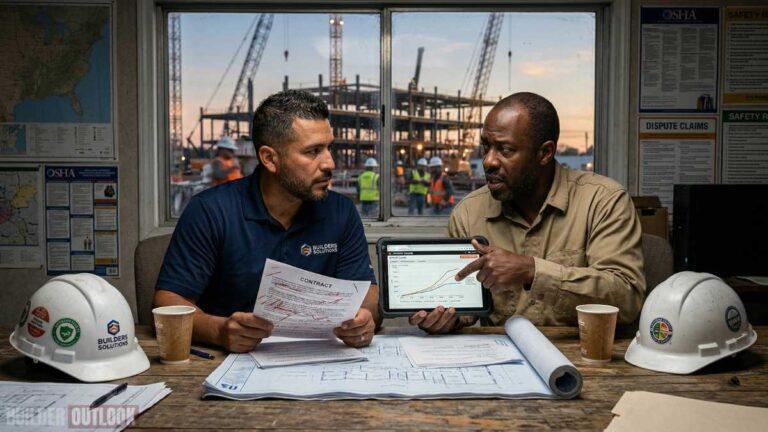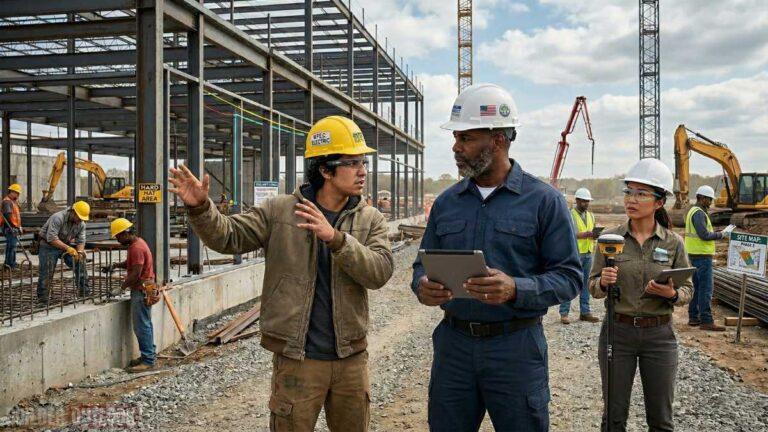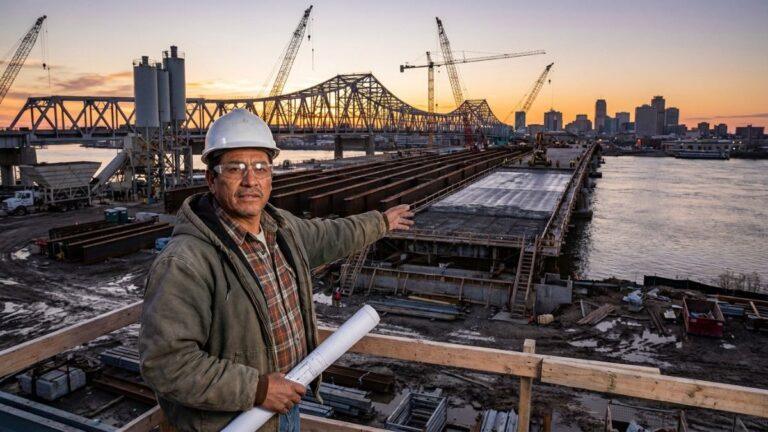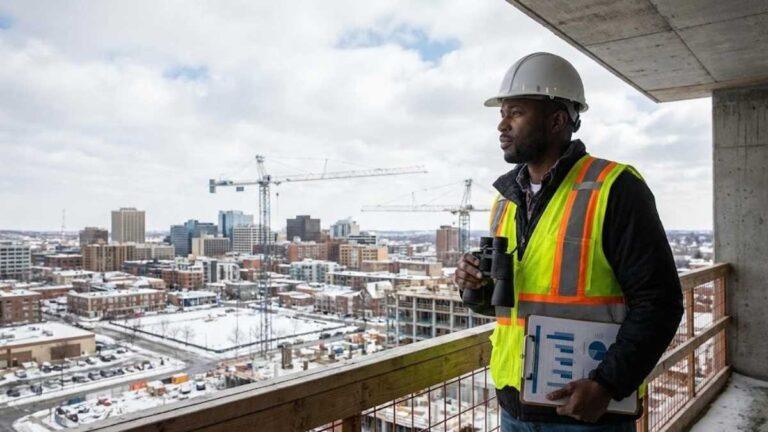
Construction projects operate within environments that are inherently unpredictable. Even with careful planning, detailed scheduling, and experienced project management, events outside the control of contractors and project owners can disrupt progress. Natural disasters, labor strikes, supply chain interruptions, government shutdowns, and other unexpected events may suddenly make it impossible to continue work according to the original schedule. To address these risks, most construction contracts include a legal provision known as force majeure.
The force majeure clause defines how the contract will respond when extraordinary events occur that neither party could reasonably anticipate or control. Instead of forcing contractors to accept financial penalties for delays caused by these external circumstances, force majeure provisions allow the project timeline to be adjusted while protecting both parties from unfair liability.
For contractors working in the United States construction industry, understanding force majeure clauses is essential. These provisions can determine whether a contractor faces financial penalties for delays or receives legal protection when uncontrollable events disrupt the project schedule. Without properly written force majeure language, contractors may remain legally responsible for delays even when those delays result from circumstances entirely outside their control.
Because the construction industry frequently encounters unpredictable conditions—from extreme weather events to material shortages—force majeure clauses have become standard components of construction contracts. Contractors who understand how these provisions work can better evaluate project risk and negotiate fair contractual protections before construction begins.
What force majeure means in construction contracts
Force majeure is a legal concept that refers to extraordinary events beyond the control of the contracting parties that prevent them from fulfilling their contractual obligations. In construction contracts, force majeure clauses typically excuse delays caused by events that could not reasonably have been anticipated or prevented.
Common examples of force majeure events include hurricanes, floods, earthquakes, wildfires, major labor strikes, acts of terrorism, and government orders that halt construction activities. In recent years, global events such as the COVID-19 pandemic have also highlighted the importance of force majeure provisions in construction agreements.
When a force majeure event occurs, the contractor may be entitled to a time extension for completing the project without facing penalties such as liquidated damages. However, force majeure clauses usually do not automatically entitle contractors to additional payment unless the contract specifically includes compensation provisions.
The exact scope of protection provided by a force majeure clause depends entirely on the language written into the contract. Because contract language varies widely, contractors must review these provisions carefully before signing construction agreements.
Events typically covered under force majeure clauses
Although each contract may define force majeure differently, many clauses include similar categories of qualifying events. These often include natural disasters such as hurricanes, earthquakes, floods, and severe storms that make construction work unsafe or impossible.
Government actions may also trigger force majeure protections. For example, emergency orders issued by government authorities during natural disasters or public health emergencies may temporarily halt construction activities. Contractors may rely on force majeure provisions to justify project delays in these situations.
Another common category involves supply chain disruptions that prevent contractors from obtaining essential materials or equipment. In large construction projects, certain materials may be manufactured internationally, making them vulnerable to transportation disruptions or trade restrictions.
Labor strikes and large-scale workforce disruptions can also fall within force majeure protections if they significantly affect project operations.
Contractors should confirm that the contract clearly lists these types of events when defining force majeure protections.
How contractors request force majeure relief
When a force majeure event occurs, contractors must typically follow specific procedures defined in the contract to request relief. These procedures often require contractors to notify the project owner in writing within a certain timeframe after the event occurs.
The notice must usually describe the event, explain how it affects the project schedule, and estimate the expected delay. Supporting documentation such as weather reports, government orders, or supplier notices may be required to demonstrate that the event qualifies as force majeure.
If the owner accepts the force majeure claim, the contractor may receive a schedule extension that adjusts the project completion date accordingly. In some cases, the contract may also allow adjustments to project costs if the force majeure event significantly increases construction expenses.
Failure to follow the required notice procedures may invalidate the force majeure claim. Contractors must therefore respond quickly and document the event thoroughly.
Advertising
Why force majeure clauses became critical after COVID-19
The COVID-19 pandemic dramatically increased awareness of force majeure clauses across the construction industry. During the early months of the pandemic, many construction projects were halted by government shutdown orders, workforce shortages, and supply chain disruptions.
Contractors and project owners were forced to review existing contracts to determine whether the pandemic qualified as a force majeure event. In many cases, contracts written before the pandemic did not explicitly mention public health emergencies, creating uncertainty about how the provisions should be interpreted.
As a result, modern construction contracts increasingly include broader definitions of force majeure events that specifically reference pandemics, government shutdowns, and large-scale supply chain disruptions.
Industry organizations such as the Associated General Contractors of America have published guidance on managing force majeure risks in construction contracts.
Associated General Contractors of America
https://www.agc.org
The relationship between force majeure and schedule delays
Force majeure clauses typically protect contractors from penalties related to project delays caused by uncontrollable events. However, they do not necessarily eliminate all project risks associated with those delays.
For example, while a contractor may receive a time extension due to severe weather conditions, the contractor may still incur additional costs related to equipment rentals, project management staff, or extended site supervision. Whether the contractor can recover these additional costs depends on the contract language.
Some contracts allow contractors to request compensation for delays caused by force majeure events, while others provide only schedule relief without additional payment.
Contractors must understand how these provisions interact with other contract clauses such as delay damages and liquidated damages.
Negotiating effective force majeure protections
Contractors should review force majeure clauses carefully during contract negotiations to ensure that the language reflects realistic project risks. Particular attention should be given to the list of events included in the clause.
Contracts should include clear definitions of qualifying events as well as procedures for requesting relief. Contractors may also seek provisions that allow compensation for certain types of force majeure delays, especially when those delays significantly increase project costs.
Another important negotiation point involves defining the maximum duration of force majeure relief. Some contracts specify that if a force majeure event continues beyond a certain period, either party may terminate the contract.
By addressing these issues during contract negotiations, contractors can reduce uncertainty and protect their businesses from unfair financial exposure.
Why force majeure clauses protect both contractors and owners
Force majeure clauses serve an important purpose within construction contracts by recognizing that not all risks can be controlled through planning and management. These provisions create a balanced legal framework that protects both contractors and project owners when extraordinary events disrupt construction activities.
For contractors, force majeure protections ensure that unexpected events such as natural disasters or government shutdowns do not automatically result in financial penalties. For owners, the clause establishes clear procedures for addressing delays caused by external factors.
Ultimately, force majeure clauses help maintain fairness in construction contracts by acknowledging that certain events fall outside the control of any project participant. Contractors who understand these provisions—and who negotiate clear protections—are better equipped to manage risk in an industry where unpredictability is often unavoidable.
Advertising


FAQ – Force majeure in construction contracts: how unexpected events legally pause construction projects
1. What is a force majeure clause in construction contracts?
A force majeure clause is a contract provision that protects contractors and project owners from liability when extraordinary events beyond their control prevent them from fulfilling contractual obligations.
2. What types of events qualify as force majeure?
Events such as natural disasters, government shutdowns, labor strikes, and major supply chain disruptions may qualify as force majeure depending on the contract language.
3. Does force majeure automatically extend project deadlines?
In many cases yes. If the contract recognizes the event as force majeure, contractors may receive schedule extensions without facing penalties.
4. Does force majeure provide financial compensation for delays?
Not always. Some contracts provide only schedule extensions, while others allow compensation for additional costs caused by the event.
5. How do contractors claim force majeure protection?
Contractors must usually provide written notice explaining the event, its impact on the project, and supporting documentation demonstrating that the event qualifies under the contract.
6. Why did force majeure become more important after COVID-19?
The pandemic exposed weaknesses in many construction contracts that did not anticipate global disruptions, leading to broader definitions of force majeure in modern agreements.
7. Can force majeure allow contract termination?
Yes. Some contracts allow either party to terminate the agreement if a force majeure event continues for an extended period.
8. Why should contractors review force majeure clauses carefully?
Because poorly written clauses may fail to protect contractors from penalties when uncontrollable events delay construction work.