Construction projects do not end when the last piece of equipment leaves the jobsite or when the building passes its final inspection. In many ways, the completion of physical work marks the beginning of another important phase of the contractor–owner relationship: the warranty period. Construction contract warranties define the contractor’s obligations to repair or correct defects that appear after the project has been delivered. These provisions play a crucial role in protecting project owners while also defining the limits of contractor responsibility after construction is finished.
In the United States construction industry, warranty provisions are included in nearly every construction contract. These clauses establish the duration of the warranty period, describe the types of defects covered by the warranty, and outline the procedures for correcting problems discovered after project completion. Contractors must understand these provisions carefully because warranty obligations can affect their legal exposure long after the project has been completed and payment has been received.
Warranty clauses are particularly important because construction projects involve numerous materials, installation methods, and subcontractor contributions. Even when work is performed correctly, building systems may experience performance issues during the first months of operation. Mechanical equipment may require adjustments, finishes may reveal defects after use, and certain components may fail due to manufacturing issues. Warranty provisions provide a structured process for addressing these problems without immediately escalating the issue into legal disputes.
For contractors, warranty obligations represent a balance between professional responsibility and financial risk. Builders are expected to stand behind the quality of their work, but they must also ensure that warranty provisions do not extend beyond reasonable limits. Understanding how construction warranties operate allows contractors to manage post-completion obligations effectively while protecting their businesses from excessive long-term liability.
What construction warranties actually cover
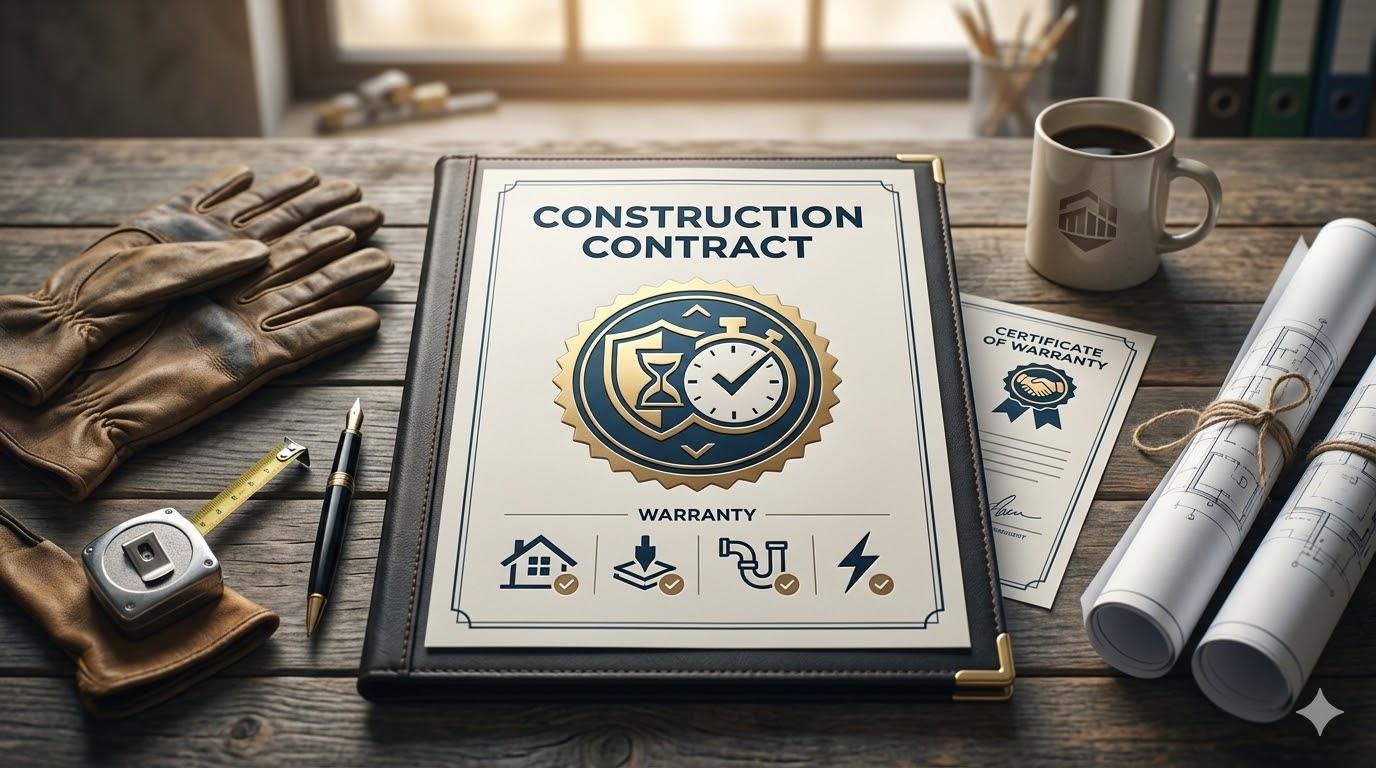
A construction warranty is a contractual promise that the completed work will meet the standards specified in the construction agreement. These standards may include compliance with project specifications, adherence to applicable building codes, and proper installation of materials and equipment. If defects arise during the warranty period that result from improper workmanship or defective materials provided by the contractor, the contractor is generally required to correct those issues at no additional cost to the owner.
Most construction contracts establish a one-year warranty period beginning at the date of substantial completion. During this time, the contractor must repair defects discovered in the work that are attributable to construction errors. However, the exact duration and scope of the warranty depend on the language used in the contract.
It is important to recognize that construction warranties do not typically cover every problem that may arise after project completion. Issues caused by normal wear and tear, improper maintenance by the owner, or modifications performed by third parties may fall outside the warranty scope. Contractors should ensure that warranty language clearly defines these limitations to prevent misunderstandings later.
In addition to workmanship warranties provided by the contractor, many construction projects include manufacturer warranties for specific materials or equipment. Roofing systems, mechanical equipment, windows, and specialty finishes may carry separate manufacturer warranties that extend beyond the contractor’s warranty obligations. These warranties are typically transferred to the owner upon project completion.
Understanding how contractor warranties and manufacturer warranties interact is essential for managing post-construction responsibilities.
The difference between express and implied warranties
Construction warranties generally fall into two categories: express warranties and implied warranties. Express warranties are explicitly written into the construction contract and clearly describe the contractor’s obligations regarding the quality and durability of the work.
For example, an express warranty clause may state that the contractor guarantees that the work will be free from defects in materials and workmanship for a specified period after substantial completion. Because these warranties are written directly into the contract, their terms are typically clear and enforceable.
Implied warranties, by contrast, arise automatically under certain legal principles even if they are not explicitly written into the contract. Courts in many jurisdictions recognize an implied warranty that construction work will be performed in a workmanlike manner and will produce a structure reasonably fit for its intended use.
These implied warranties exist to protect property owners from poor construction practices that might otherwise escape accountability. Even if a contract attempts to limit certain warranty obligations, courts may still enforce implied warranties when construction work fails to meet reasonable professional standards.
Contractors must therefore understand both express and implied warranty obligations when evaluating their long-term responsibilities after project completion.
Why warranty periods matter for contractors
Warranty periods establish the timeframe during which contractors remain responsible for correcting defects in their work. While one year is a common standard for many types of construction projects, some components may carry longer warranty obligations depending on contract requirements or manufacturer guarantees.
Mechanical systems, roofing assemblies, and specialized equipment often include extended warranties that may last several years. Although these warranties are typically issued by manufacturers, contractors may still play a role in coordinating warranty claims or facilitating repairs during the warranty period.
Contractors must manage warranty obligations carefully because unresolved warranty issues can affect their professional reputation and future business opportunities. Owners who experience unresolved defects may be reluctant to hire the same contractor for future projects.
At the same time, contractors must ensure that warranty claims are legitimate. Not every issue reported by an owner during the warranty period results from defective workmanship. Some problems may arise from improper building maintenance, occupant misuse, or unrelated system failures.
Clear communication and thorough documentation are essential for distinguishing legitimate warranty claims from issues outside the contractor’s responsibility.


Managing warranty claims effectively
When an owner reports a potential warranty issue, contractors should respond promptly and investigate the problem carefully. Early communication helps prevent minor concerns from escalating into formal disputes. Contractors should inspect the reported defect, determine whether it falls within the warranty scope, and coordinate repairs if necessary.
Documentation is particularly important during the warranty process. Contractors should maintain records of warranty inspections, repair activities, and communications with the owner. These records provide valuable evidence if disputes arise regarding the cause of a defect or the contractor’s responsibility for repairs.
In many cases, contractors may need to coordinate with subcontractors or manufacturers when addressing warranty issues. For example, if a mechanical component fails during the warranty period, the contractor may work with the equipment manufacturer to process a warranty claim and arrange replacement parts.
By managing warranty claims professionally and efficiently, contractors can protect their reputation while fulfilling contractual obligations.
Why warranty clauses must be negotiated carefully
Although warranties are standard components of construction contracts, the exact language used in these clauses can significantly affect contractor risk. Contractors should review warranty provisions carefully during contract negotiations to ensure that obligations are clearly defined and limited to reasonable responsibilities.
For example, contractors should verify that warranty obligations apply only to defects caused by their work and do not extend to issues beyond their control. Warranty clauses should also clarify the duration of the warranty period and establish procedures for reporting and correcting defects.
Another important consideration is the relationship between warranty obligations and project closeout procedures. Contractors should ensure that final payment, retainage release, and warranty commencement dates are clearly defined within the contract.
Negotiating clear warranty language helps prevent misunderstandings and reduces the likelihood of disputes after project completion.
Why contractors must understand post-completion risk
Construction contracts do not end when the building is finished. Warranty provisions create a continuing relationship between the contractor and the owner that may last months or even years after the project is delivered. Contractors who underestimate the importance of these obligations may face unexpected financial exposure and reputational damage.
By understanding warranty clauses and managing warranty obligations effectively, contractors can maintain strong client relationships while protecting their businesses from excessive liability. In an industry where reputation and reliability play a significant role in securing future projects, responsible warranty management is an essential component of professional construction practice.
Ultimately, construction warranties serve as a quality assurance mechanism within the industry. They ensure that contractors stand behind their work while providing property owners with confidence that defects will be corrected if they arise during the early life of the project.

FAQ – Construction contract warranties explained: what builders guarantee after project completion
1. What is a construction warranty?
A construction warranty is a contractual promise that the completed work will meet the standards defined in the construction contract. If defects in materials or workmanship appear during the warranty period, the contractor must repair or correct those issues.
2. How long do construction warranties usually last?
Many construction contracts establish a one-year warranty period beginning at the date of substantial completion. However, certain components such as roofing systems or mechanical equipment may carry longer manufacturer warranties.
3. What types of defects are covered by construction warranties?
Construction warranties typically cover defects caused by improper workmanship or defective materials supplied by the contractor. Issues caused by normal wear and tear or improper maintenance are usually excluded.
4. What is the difference between contractor warranties and manufacturer warranties?
Contractor warranties apply to the quality of installation and workmanship, while manufacturer warranties apply to the performance of specific materials or equipment provided by suppliers.
5. Are implied warranties recognized in construction law?
Yes. Courts in many jurisdictions recognize implied warranties requiring contractors to perform work in a competent and professional manner even if the contract does not explicitly mention those obligations.
6. How should contractors respond to warranty claims?
Contractors should respond promptly, investigate the reported defect, and determine whether the issue falls within the warranty scope. Proper documentation is essential during this process.
7. Can warranty clauses be negotiated?
Yes. Contractors can negotiate warranty terms during contract discussions to ensure that obligations are clearly defined and limited to reasonable responsibilities.
8. Why are warranties important for construction quality?
Warranty provisions encourage contractors to maintain high construction standards and provide property owners with assurance that defects will be corrected if they arise after project completion.