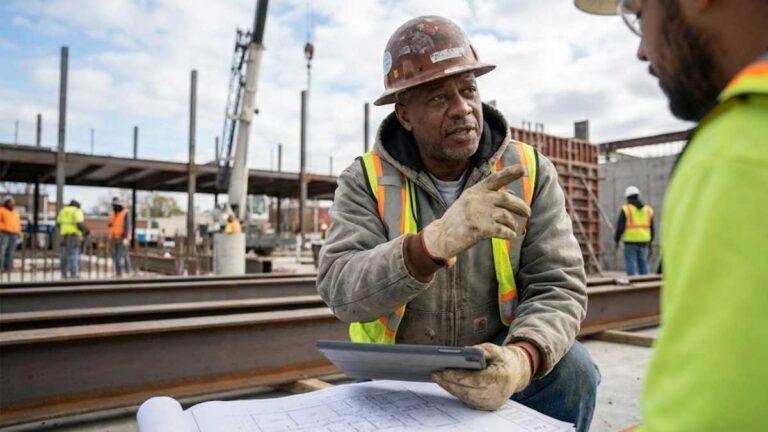
Digital transformation in construction is no longer optional experimentation. In 2026, digital adoption, automation integration, and smart materials implementation are reshaping operational structures across the United States construction industry. As persistent labor scarcity pressures productivity and project timelines, contractors are increasingly turning to technology not as an innovation initiative, but as a structural survival strategy.
Construction firms are facing a dual reality. On one side, workforce shortages remain significant, with skilled craft labor still difficult to recruit and retain. On the other, project complexity is rising due to tighter energy standards, advanced building systems, and accelerated delivery expectations. Digital tools, automation workflows, and material science innovations are bridging this gap by increasing output per worker rather than relying solely on headcount expansion.
Industry analysis indicates that companies investing in digital construction technology are experiencing measurable improvements in coordination accuracy, schedule predictability, and cost transparency. The adoption curve in 2026 suggests that early adopters are transitioning from competitive advantage to structural baseline. Contractors who delay integration risk operational inefficiency and declining margin resilience in an increasingly data-driven market.
Advertising

Digitalization as core operational infrastructure
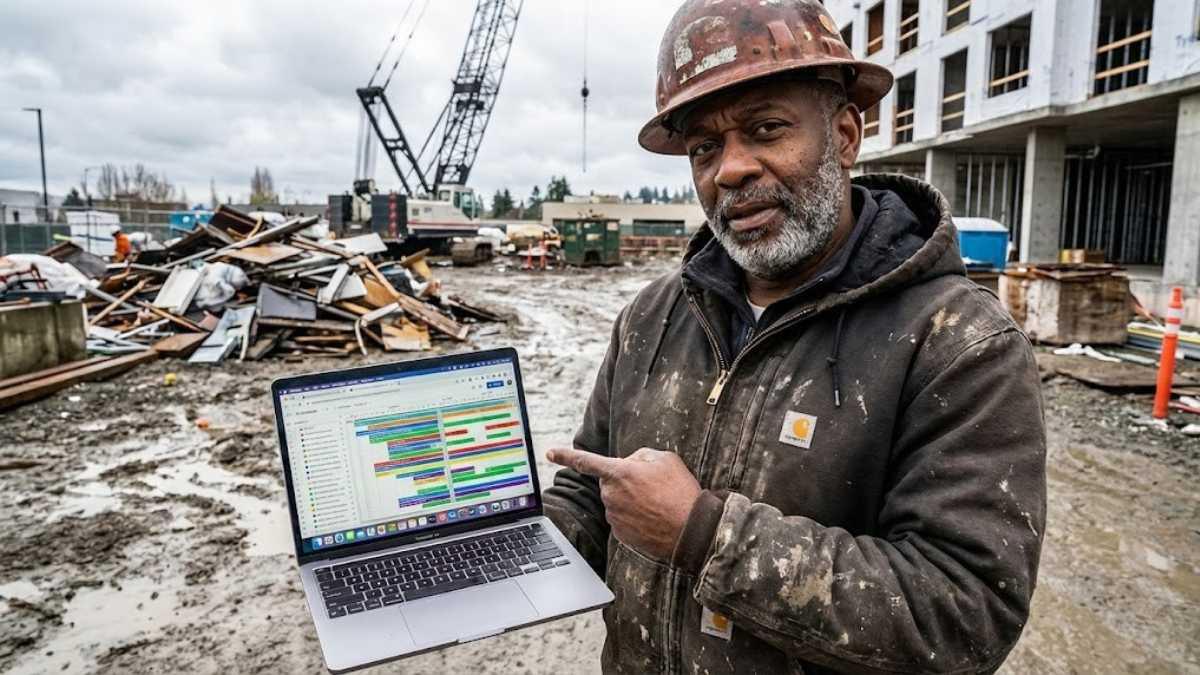
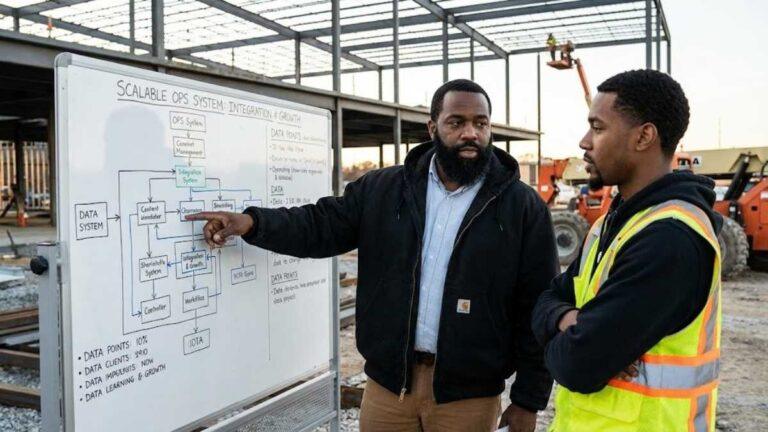
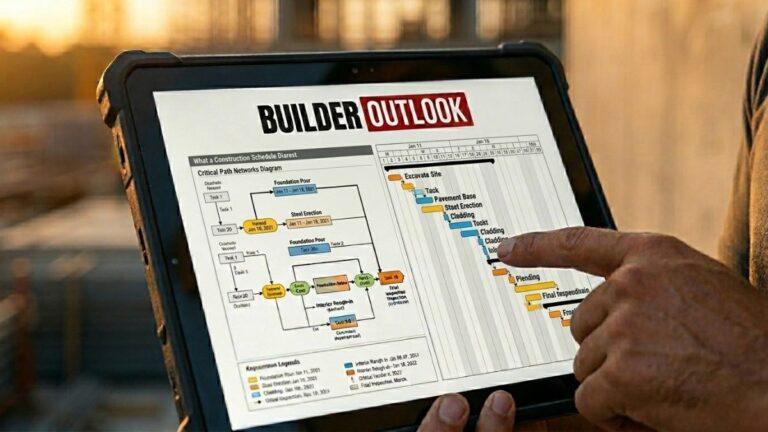
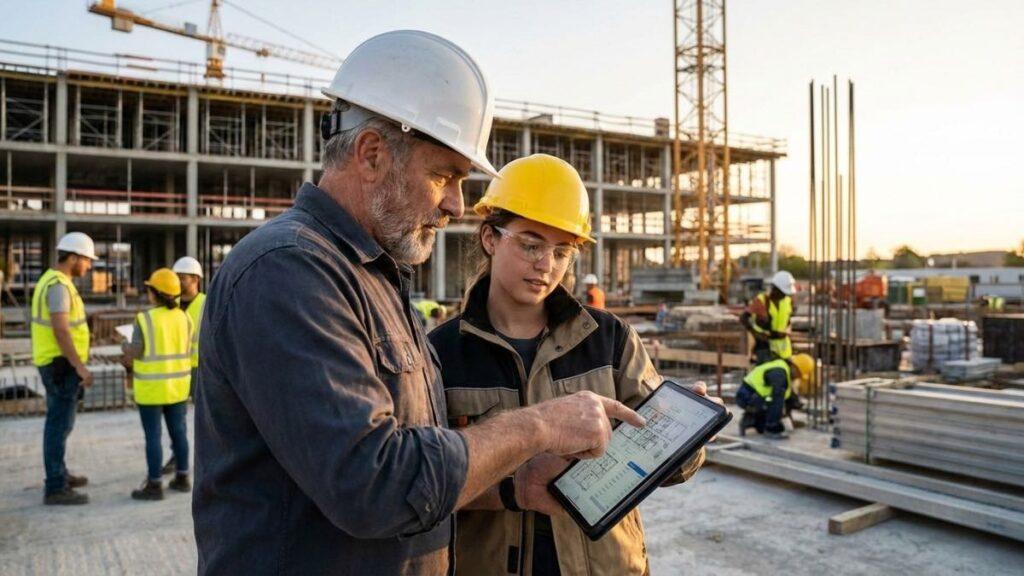
Digital adoption in construction has expanded beyond basic project management software. In 2026, integrated ecosystems connecting BIM coordination, real-time jobsite monitoring, cloud-based document control, AI-assisted scheduling, and cost forecasting platforms are becoming foundational operational infrastructure. These tools reduce fragmentation and improve decision velocity across teams.
BIM and digital twin technologies are playing central roles in reducing rework and coordination conflicts. When digital modeling is synchronized with field data, discrepancies are detected earlier, preventing costly corrections. This integration directly improves risk management, especially in large commercial and infrastructure projects where sequencing errors can cascade across multiple trades.
Cloud-based collaboration platforms also reduce communication bottlenecks between field and office teams. Real-time updates support faster approvals, clearer change order documentation, and more accurate reporting. Digital transparency strengthens owner confidence while protecting contractors against disputes rooted in documentation gaps.
Importantly, digital adoption enhances data capture. Construction firms that systematically collect and analyze performance metrics build predictive capability. Over time, this data-driven discipline reshapes bidding accuracy, resource allocation, and profitability forecasting.
Automation and smart tools in the field
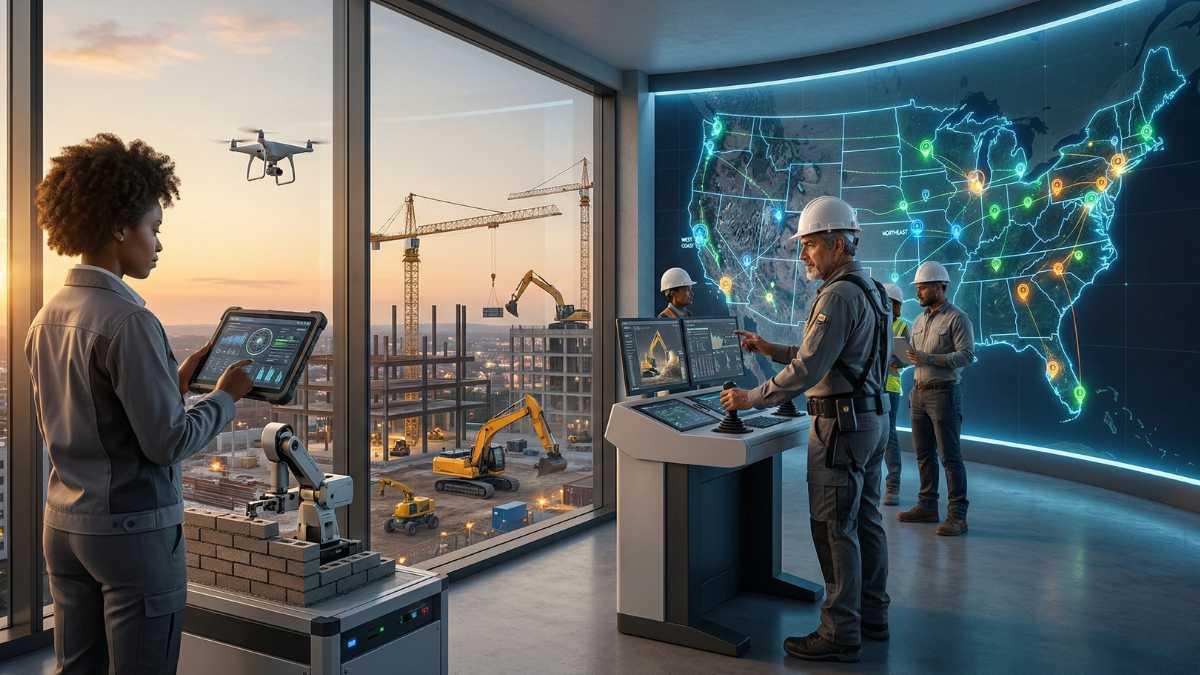
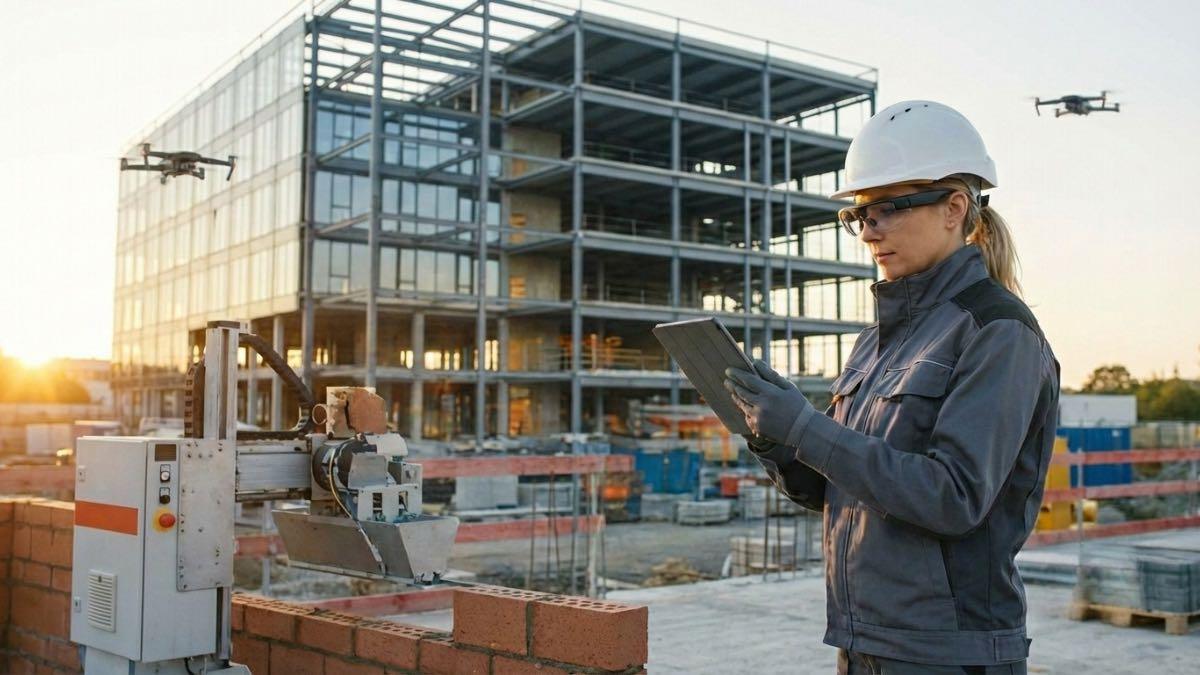
Automation in 2026 is not about replacing labor. It is about amplifying labor efficiency. Robotics-assisted layout systems, automated surveying tools, prefabrication workflows, and advanced material handling technologies are reducing manual burden and improving precision. These systems allow smaller crews to achieve higher output levels.
Prefabrication and modular construction are benefiting directly from automation. Off-site fabrication environments leverage standardized processes and quality controls that reduce on-site variability. As labor scarcity persists, controlled manufacturing conditions offer reliability advantages over traditional field assembly.
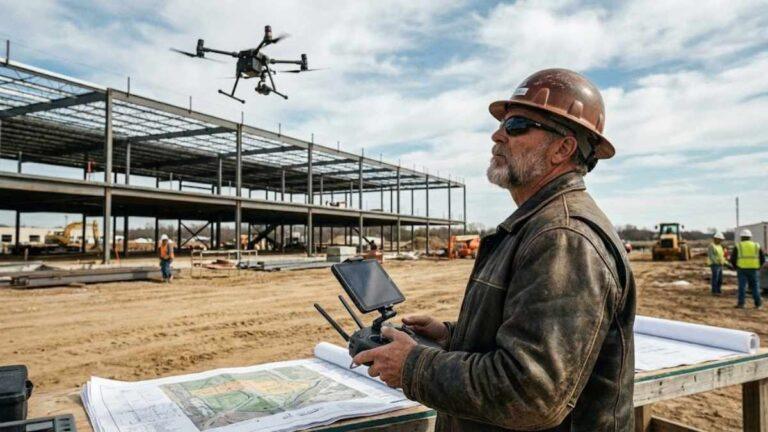
Drones and autonomous inspection technologies are also contributing to performance optimization. Aerial data collection accelerates progress tracking, safety inspections, and site logistics analysis. When integrated into digital dashboards, this information improves situational awareness and supports proactive risk mitigation.
Automation’s greatest value lies in consistency. Human variability remains unavoidable in labor-intensive industries. Automated systems introduce repeatability and precision that elevate baseline performance standards across projects.
Smart materials and performance evolution
Material innovation is advancing alongside digital workflows. Smart materials designed for energy efficiency, durability, and structural performance are influencing project specifications in 2026. High-performance insulation systems, low-carbon concrete alternatives, and intelligent building envelopes are becoming more prevalent in commercial and residential construction.
These materials often integrate with digital monitoring systems, allowing performance tracking over time. Energy-efficient systems aligned with sustainability mandates enhance compliance and operational cost control. Contractors who understand installation requirements for advanced materials differentiate themselves in competitive bidding environments.
Sustainability and ESG expectations further accelerate smart material adoption. Owners and investors increasingly evaluate lifecycle performance metrics, not just initial construction cost. Contractors capable of aligning digital documentation with material performance verification strengthen their strategic positioning in public and private sector projects.
The intersection of digital modeling and advanced materials improves long-term asset management. When material data is embedded into digital twins, maintenance forecasting and performance optimization become more precise, extending building lifecycle value.
Workforce adaptation and skill evolution
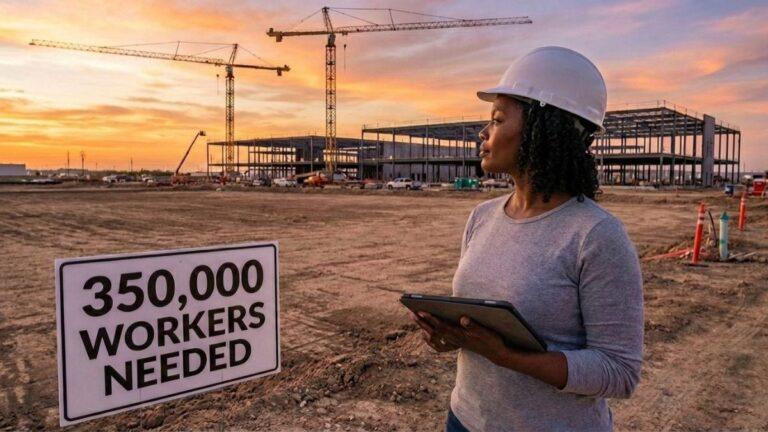
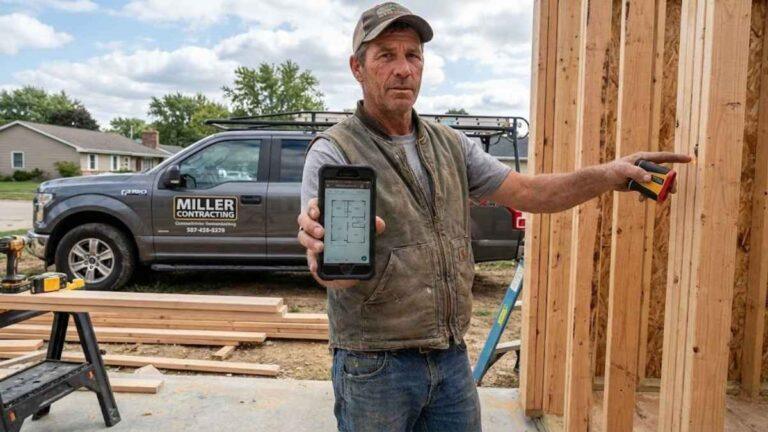
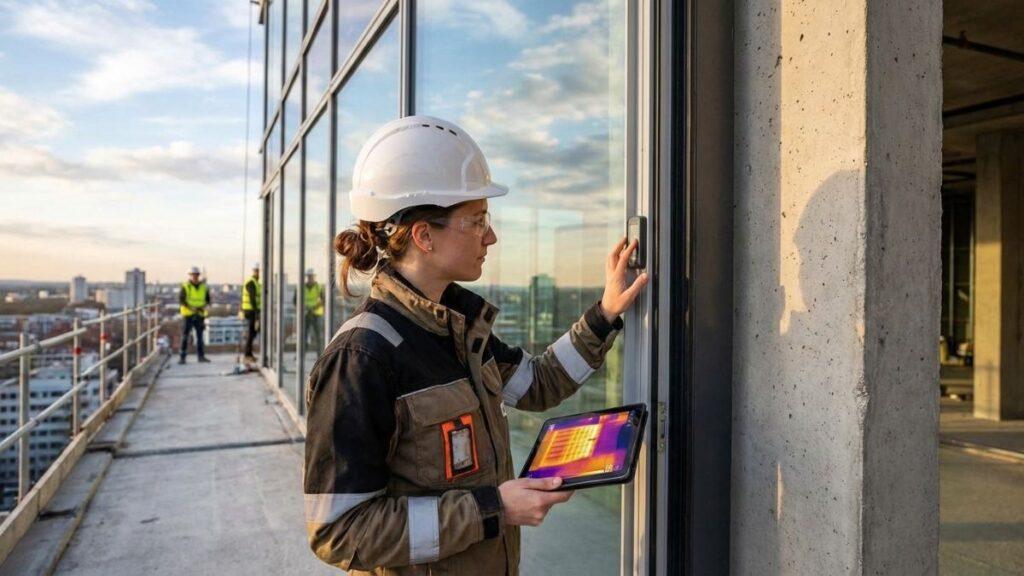
Labor scarcity remains one of the most critical structural pressures in the U.S. construction market. Digital adoption does not eliminate workforce demand, but it changes skill composition requirements. Craft workers increasingly interact with digital interfaces, layout technologies, and data-driven reporting systems.
Training programs are evolving to integrate technology literacy alongside traditional trade skills. Contractors investing in workforce development focused on digital competency are building internal resilience. This shift improves recruitment appeal among younger workers who expect technology-enabled environments.
Supervisory roles are also transforming. Project managers must interpret data dashboards, integrate predictive analytics into scheduling decisions, and manage hybrid workflows blending field operations with digital coordination. Leadership capability now includes technological fluency as a core competency.
In 2026, digital maturity directly influences employer brand perception. Contractors who adopt modern systems signal forward-thinking culture, attracting talent seeking career growth in technologically progressive firms.
Advertising

FAQ – Digital adoption and workforce tech trends forecast structural change across construction
1. Why is digital adoption accelerating in construction in 2026?
2. Does automation reduce the need for construction workers?