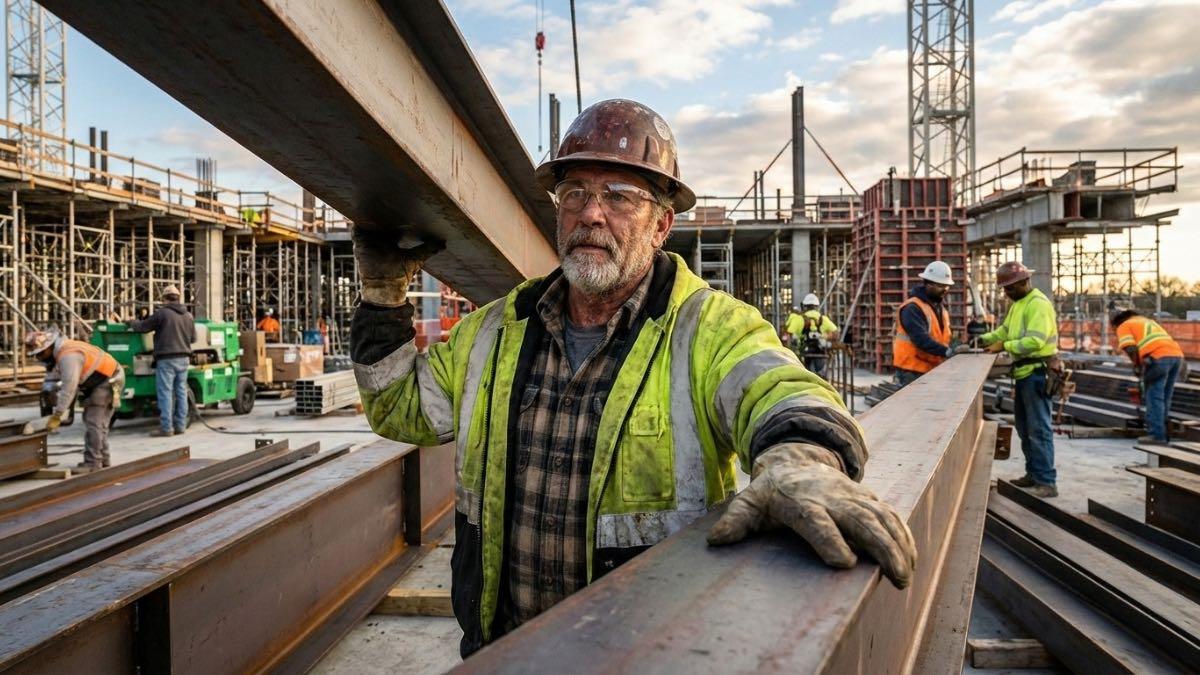
New U.S. workforce data entering January 2026 indicate modest construction job growth, yet the composition of that growth reveals something more structurally important. The majority of gains are concentrated in production and nonsupervisory roles, reinforcing the industry’s deep reliance on field craft labor. While headline employment numbers suggest stabilization, the underlying dynamics confirm that skilled trade capacity remains the backbone of construction performance in the United States.
The construction industry continues to operate under tight labor market conditions. Despite incremental hiring gains, overall labor availability remains constrained by demographic retirements, limited vocational pipeline expansion, and intense competition across infrastructure, manufacturing, and digital infrastructure segments. Modest job growth does not equate to labor abundance. It reflects incremental adaptation in a still-constrained environment.
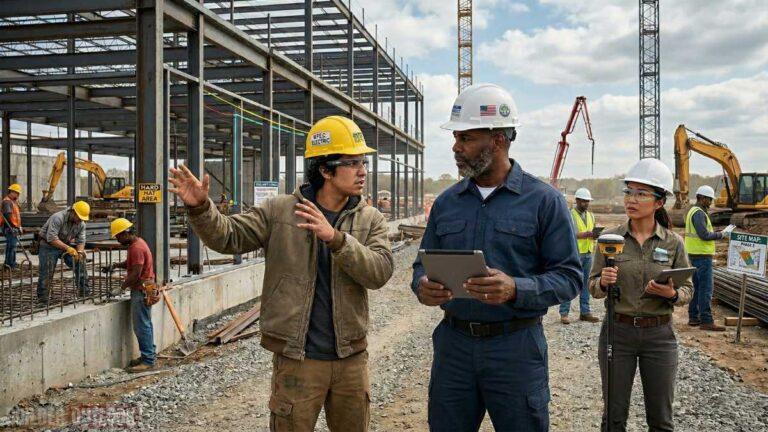
The concentration of new hires in field roles highlights the operational reality of 2026. Construction output depends overwhelmingly on skilled trades—electricians, plumbers, HVAC technicians, equipment operators, carpenters, and concrete specialists. Administrative or supervisory expansion alone cannot drive production capacity. Projects are delivered in the field, and workforce stability in these roles determines schedule reliability and margin protection.
For builders, contractors, and developers, this labor composition trend signals that workforce strategy must remain centered on craft recruitment, retention, and productivity enhancement. The industry’s growth ceiling continues to be defined by field labor depth.
Advertising

Modest employment gains in a constrained market
The modest rise in construction employment entering 2026 reflects steady but cautious expansion across residential, industrial, and infrastructure segments. Employers are adding workers where pipelines justify expansion, but they remain disciplined due to cost pressures and margin sensitivity.
This measured hiring pattern suggests that contractors are aligning staffing with confirmed backlog rather than speculative demand. In an environment shaped by wage escalation and project financing scrutiny, workforce growth is calibrated rather than aggressive. The industry learned hard lessons from prior overextension cycles.
However, the modest scale of gains relative to projected demand reinforces the persistent gap between workforce needs and available labor. With nearly 350,000 additional workers required to maintain equilibrium, incremental monthly hiring improvements only partially alleviate capacity constraints.
Craft labor remains the production engine
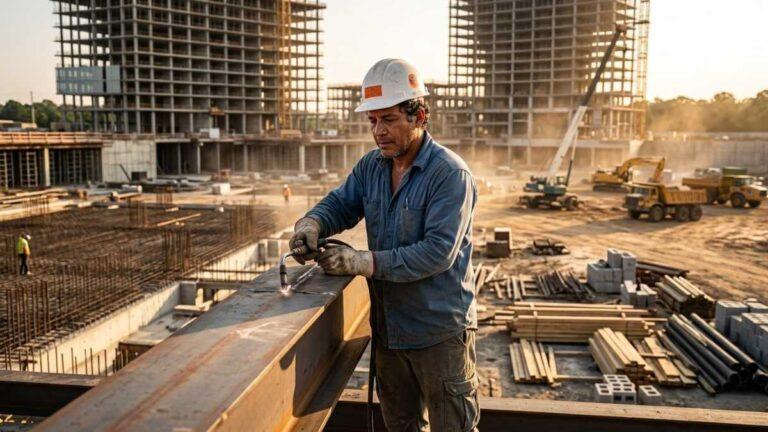
Production and nonsupervisory roles account for the majority of new employment gains, underscoring the operational dependency on skilled trades. These roles are directly responsible for jobsite execution, quality control, and schedule adherence. Without adequate field capacity, project performance deteriorates quickly.
Craft labor scarcity influences pricing discipline. Contractors factor wage escalation and subcontractor availability into bids, reinforcing upward cost pressure. When field labor tightens, productivity assumptions must be conservative, and contingency allowances increase.
Moreover, supervisory capacity relies on experienced craft progression. Foremen and site superintendents typically emerge from trade backgrounds. Sustained shortages in entry-level and mid-level craft roles eventually erode leadership pipelines, amplifying long-term risk.
Regional variations and sector competition
Regional dynamics significantly influence labor distribution. High-growth states such as Texas, Florida, Arizona, North Carolina, and Tennessee continue absorbing workforce inflows tied to infrastructure and industrial expansion. Meanwhile, legacy markets may experience relative stabilization but still struggle to attract younger workers.
Sector competition further complicates allocation. Data center construction, semiconductor fabrication plants, renewable energy projects, and federally funded infrastructure initiatives all compete for similar skill sets. Electricians and mechanical specialists face cross-sector demand pressure, intensifying wage competition.
Migration patterns partially mitigate imbalances, but geographic mobility has limits. Housing affordability challenges in high-growth regions restrict relocation flexibility, ironically reinforcing local labor shortages in the very markets experiencing strongest construction expansion.

Strategic workforce implications for 2026 and beyond
Contractors must prioritize workforce retention as aggressively as recruitment. Competitive compensation, structured advancement pathways, and investment in safety culture reduce turnover risk. In a modest growth environment, losing skilled labor can offset the gains achieved through new hiring.
Apprenticeship expansion and trade school partnerships become increasingly strategic. Firms investing in structured onboarding and mentorship accelerate skill development and enhance long-term stability. Workforce development is no longer an auxiliary initiative. It is a primary growth driver.
Technology can improve productivity but cannot substitute for field expertise. Digital project management systems, prefabrication strategies, and automation tools enhance efficiency, yet execution still depends on skilled craft workers. Sustainable expansion in 2026 requires balancing technological leverage with human capital investment.



FAQ – Construction labor trends show modest job growth but persistent reliance on craft workers
1.Why is craft labor still the primary driver of construction growth?
Construction output depends directly on field execution. Production and nonsupervisory roles perform the physical work required to complete projects. Without sufficient craft capacity, scheduling reliability and quality performance deteriorate rapidly.
Scarcity increases wage pressure and subcontractor competition, leading contractors to incorporate higher labor assumptions and contingencies into bids. This contributes to sustained project cost escalation even when material inflation moderates.