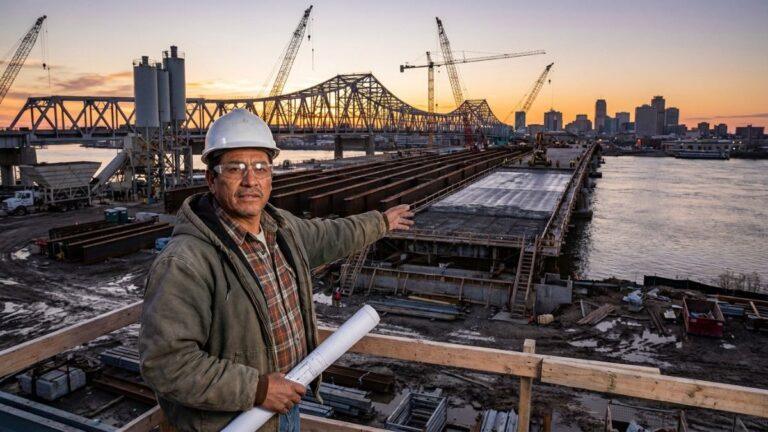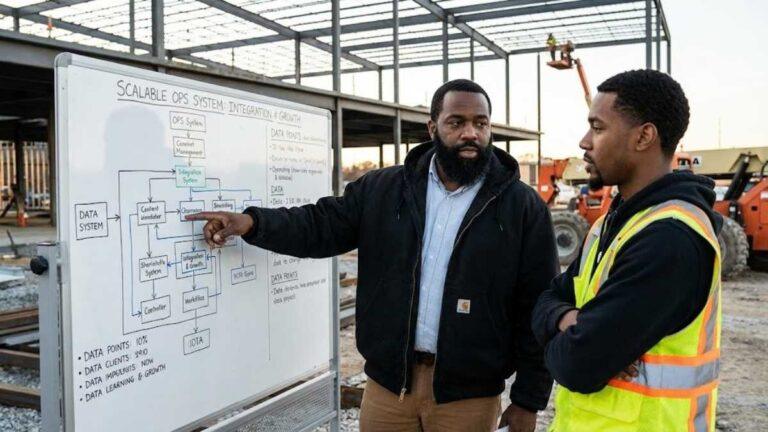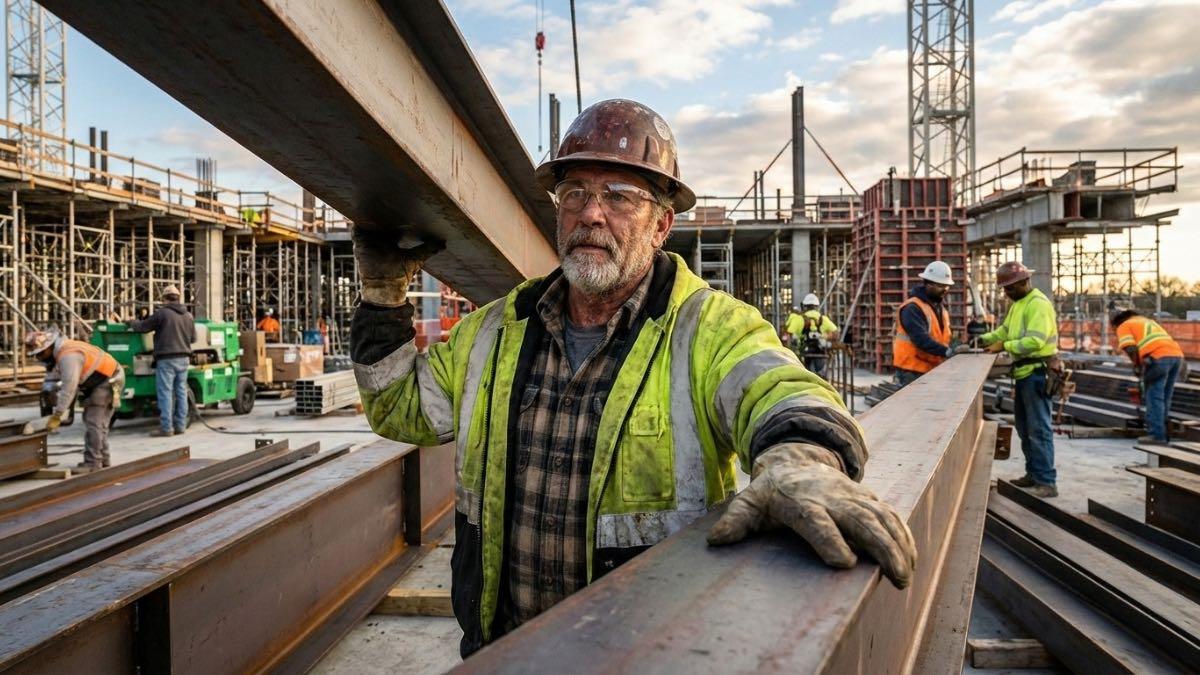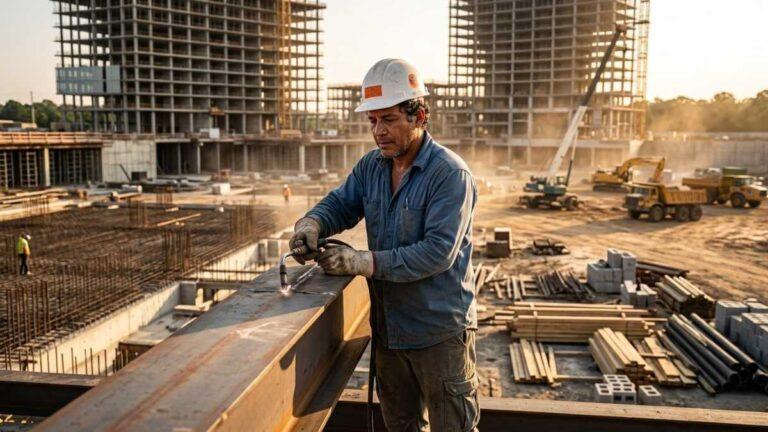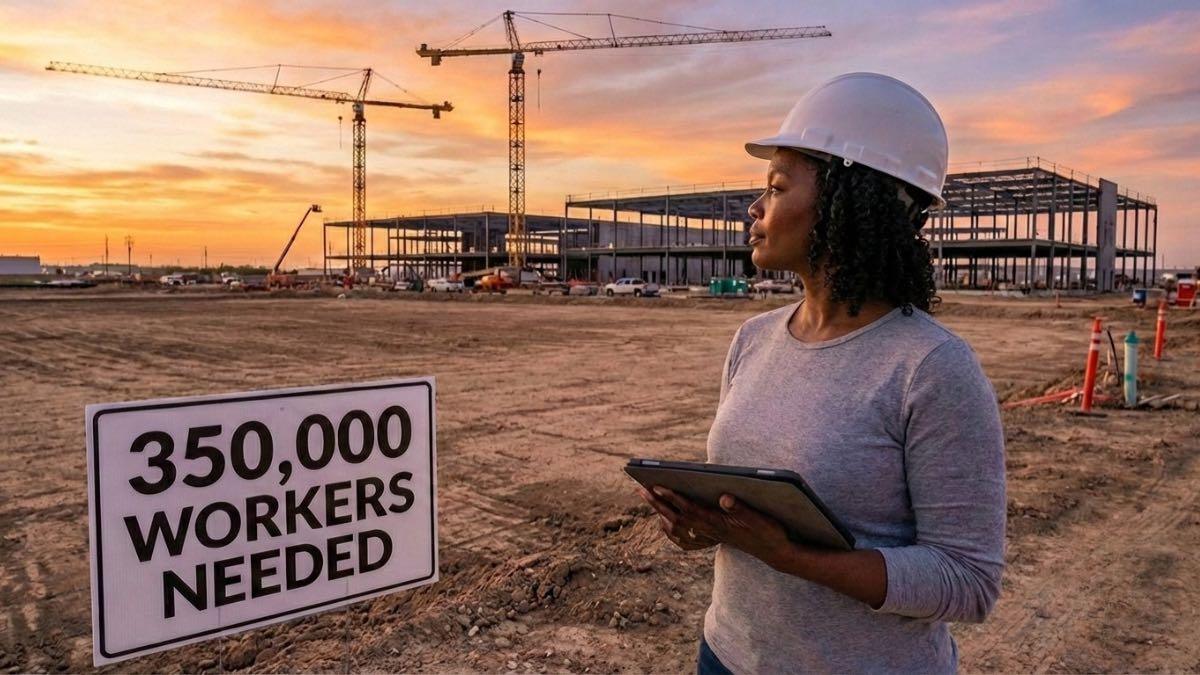
The U.S. construction industry faces a structural labor challenge in 2026, with nearly 350,000 new workers required simply to maintain equilibrium between demand and supply. According to data from the Associated Builders and Contractors, approximately 349,000 additional workers must enter the workforce this year to prevent capacity constraints from intensifying. This is not expansion hiring. It is baseline replacement and stabilization hiring.
The scale of the labor gap reflects more than cyclical fluctuation. It signals demographic shifts, retirement acceleration, limited pipeline development, and sustained demand across infrastructure, residential, manufacturing, and data center construction. As capital flows into high-growth segments such as digital infrastructure and industrial reshoring, labor demand intensifies beyond traditional residential needs.
Labor shortages directly influence project timelines, pricing discipline, and risk exposure. Contractors unable to secure skilled trades face delayed schedules, increased wage pressure, and strained subcontractor networks. In 2026, workforce strategy is not a human resources issue. It is a core operational and financial risk factor.
The challenge compounds into 2027, where demand projections suggest further expansion requirements. Without aggressive recruitment, training, and retention strategies, the industry risks productivity stagnation. Builders and contractors must treat workforce development as strategic infrastructure rather than short-term staffing.
Advertising

Demographic and structural drivers of the labor gap
The construction labor deficit is rooted in long-term demographic trends. A significant portion of the skilled workforce is nearing retirement age, particularly among electricians, plumbers, HVAC technicians, and heavy equipment operators. Replacement rates are not keeping pace with exits, creating a generational vacuum in field leadership.
Simultaneously, demand across multiple construction segments is rising. Federal infrastructure investment, semiconductor manufacturing expansion, data center buildouts, and residential growth corridors all require overlapping skill sets. The industry is competing internally for limited labor pools.
Vocational education pipelines remain insufficient relative to demand. High school and post-secondary enrollment in trade programs has improved but not at a scale capable of closing the annual deficit. Apprenticeship program expansion remains uneven across states, limiting geographic workforce flexibility.
Wage pressure and competitive recruiting dynamics
Labor scarcity intensifies wage growth. In many U.S. markets, skilled trade wages are rising faster than general inflation. Contractors offering signing bonuses, relocation incentives, and accelerated promotion pathways gain competitive advantage. However, wage escalation compresses margins, particularly for firms locked into fixed-price contracts.
Competitive recruiting also increases turnover risk. Workers frequently change employers for marginal compensation improvements, destabilizing project continuity. This churn disrupts crew cohesion and increases training costs. Companies that prioritize retention strategies alongside recruitment outperform in productivity stability.
Geographic competition is particularly pronounced in high-growth states such as Texas, Florida, Arizona, and Tennessee. Rapid industrial and residential expansion in these regions concentrates demand, drawing labor from slower-growth markets and creating regional imbalances.
Productivity, technology, and workforce leverage
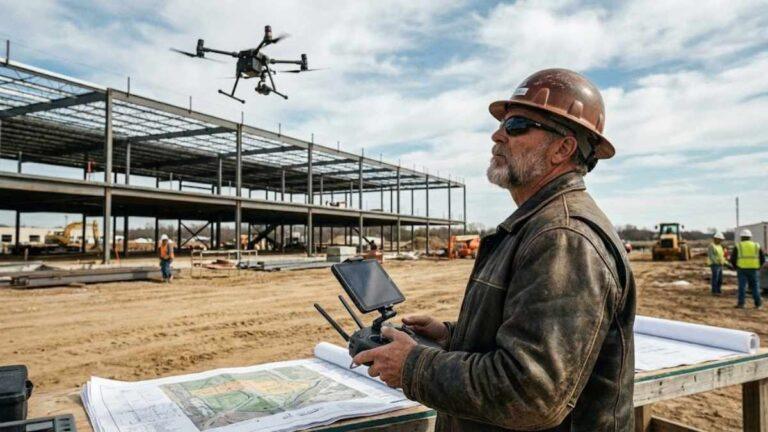
Technology adoption partially offsets labor scarcity but cannot replace skilled trades entirely. Prefabrication, modular construction, digital project management platforms, and automation tools improve efficiency. However, these systems still depend on trained operators and supervisors.
Contractors investing in structured onboarding, mentorship programs, and leadership development increase productivity per worker. Retention improves when workers perceive career advancement pathways. Workforce strategy in 2026 requires combining compensation competitiveness with professional development visibility.
Specialty contractors tied to high-growth sectors such as data centers and renewable energy face acute demand spikes. Firms capable of forecasting labor needs six to twelve months ahead secure better outcomes than those reacting to project awards after the fact.

Strategic implications for contractors and builders
Labor planning must be integrated into bid strategy. Contractors should avoid pursuing project volume that exceeds staffing capacity. Overcommitment in a tight labor environment increases schedule risk and reputational exposure. Strategic growth requires aligning backlog size with workforce realism.
Collaboration with trade schools, workforce development boards, and community colleges becomes increasingly important. Firms investing in apprenticeship sponsorship and local talent pipelines reduce long-term recruitment volatility. Workforce partnerships are competitive differentiators in 2026.
Capital allocation decisions also intersect with labor availability. Expansion into new markets without reliable workforce access increases operational risk. Builders and contractors must evaluate regional labor conditions before committing to geographic diversification strategies.
Advertising

FAQ – Industry Labor Demand Remains Critical
1. Why does the construction industry need nearly 350,000 new workers in 2026?
The estimate reflects replacement hiring for retirements and workforce attrition, combined with sustained demand across infrastructure, residential, and industrial sectors. Without these additional workers, project capacity constraints will intensify.
2. Is this labor shortage temporary or structural?
The shortage is largely structural, driven by demographic retirements, limited trade school enrollment, and expanding construction investment. Cyclical fluctuations may occur, but the underlying workforce imbalance persists.
3. How are contractors responding to wage pressure?
Contractors are offering competitive compensation, bonuses, and advancement opportunities. However, wage escalation affects margin structures, particularly in fixed-price contracts, requiring disciplined bid strategies.
4. Can technology fully offset the labor gap?
Technology improves productivity but does not eliminate the need for skilled trades. Automation, prefabrication, and digital tools enhance efficiency but rely on trained professionals for execution.
5. What is the most effective long-term solution?
Investment in apprenticeship programs, trade education partnerships, retention strategies, and workforce development initiatives provides the most sustainable solution. Reactive hiring alone cannot resolve structural shortages.