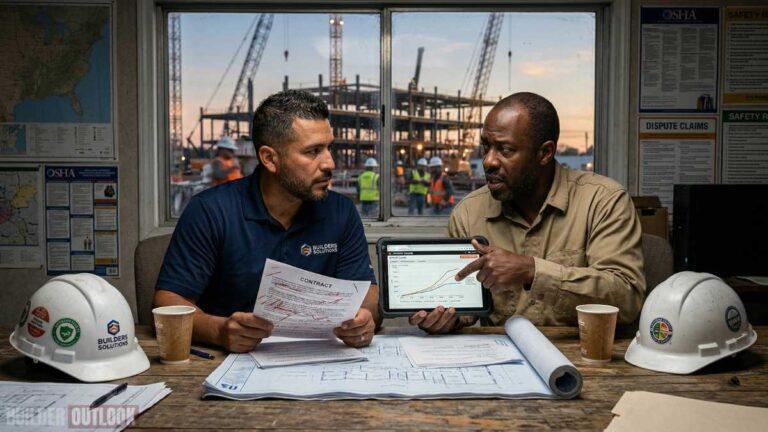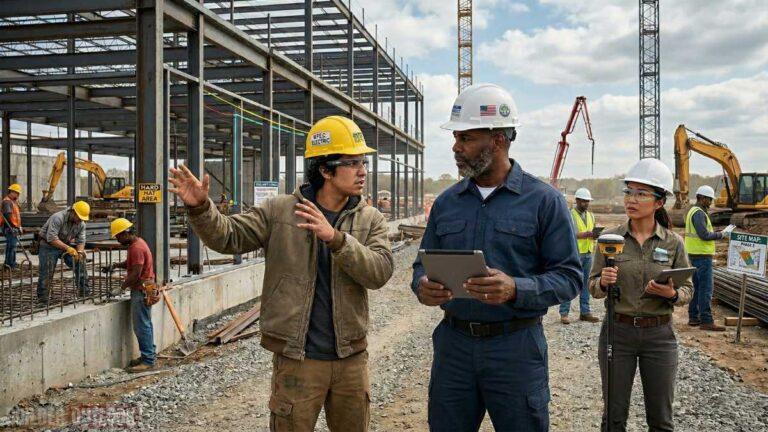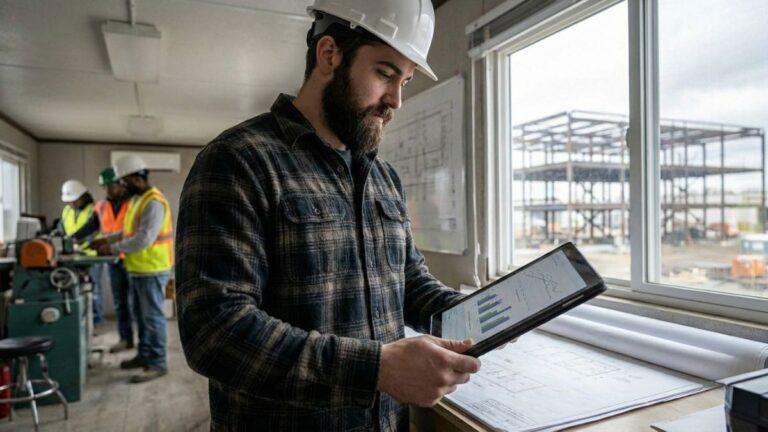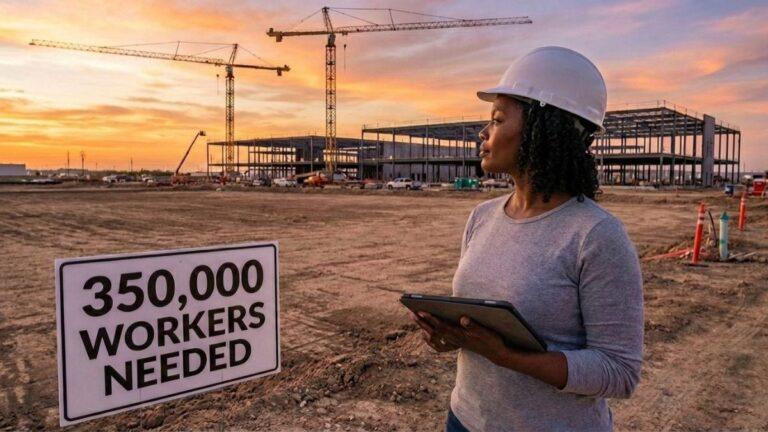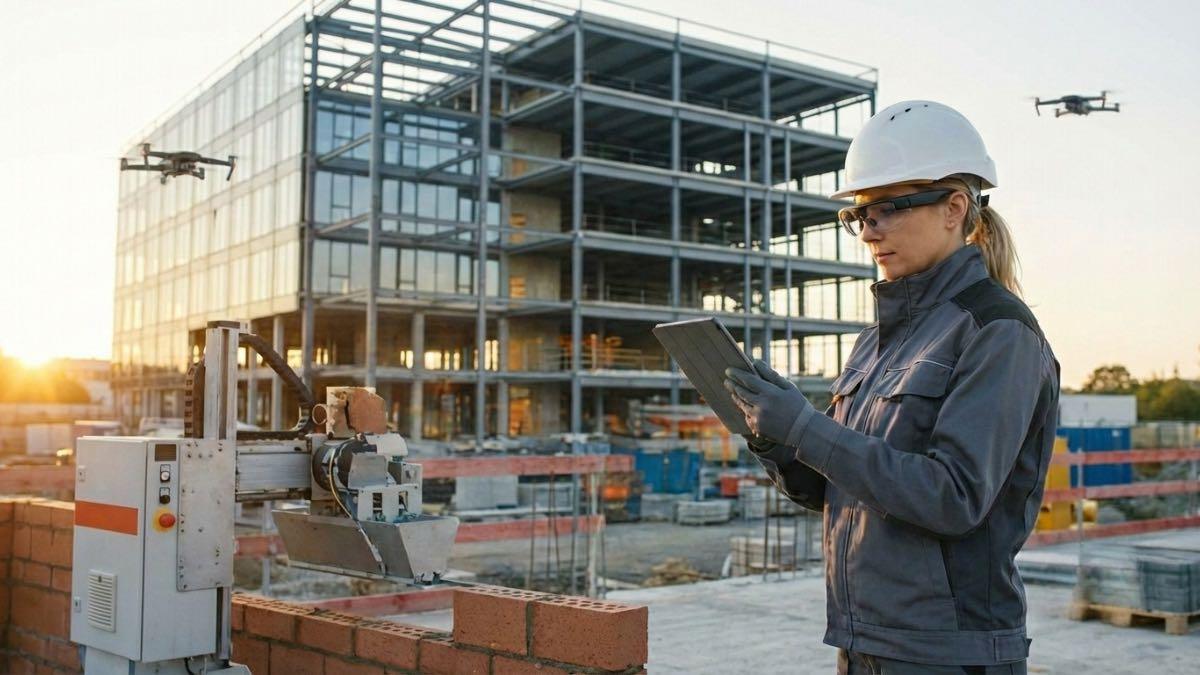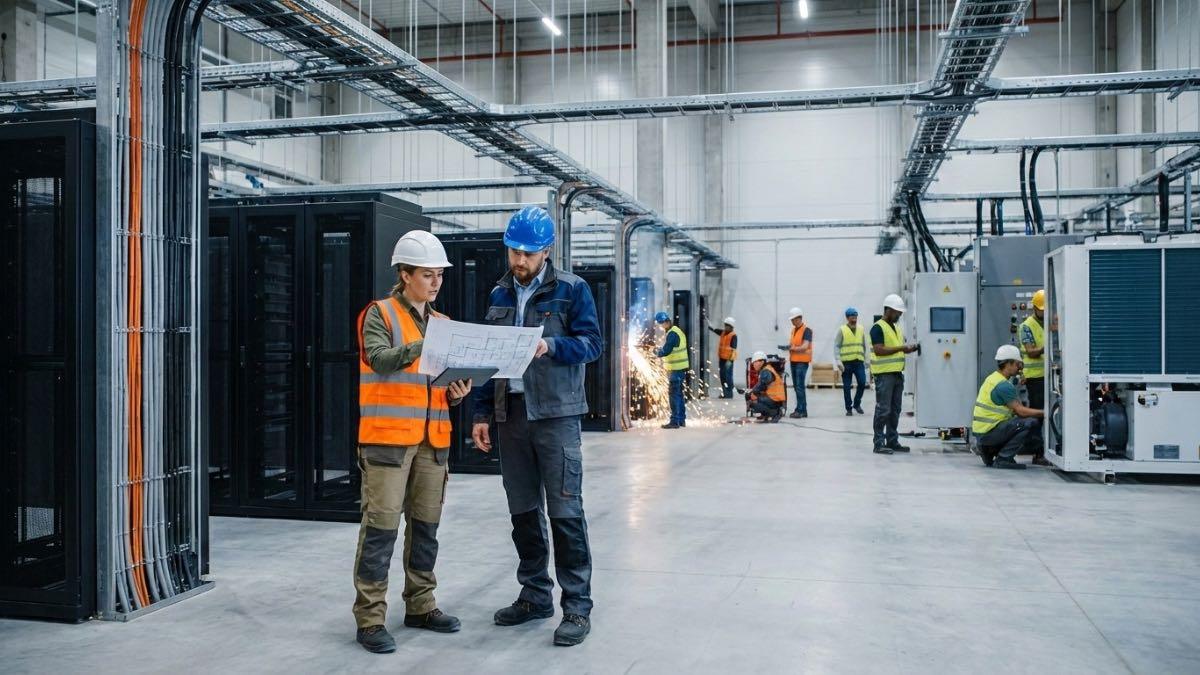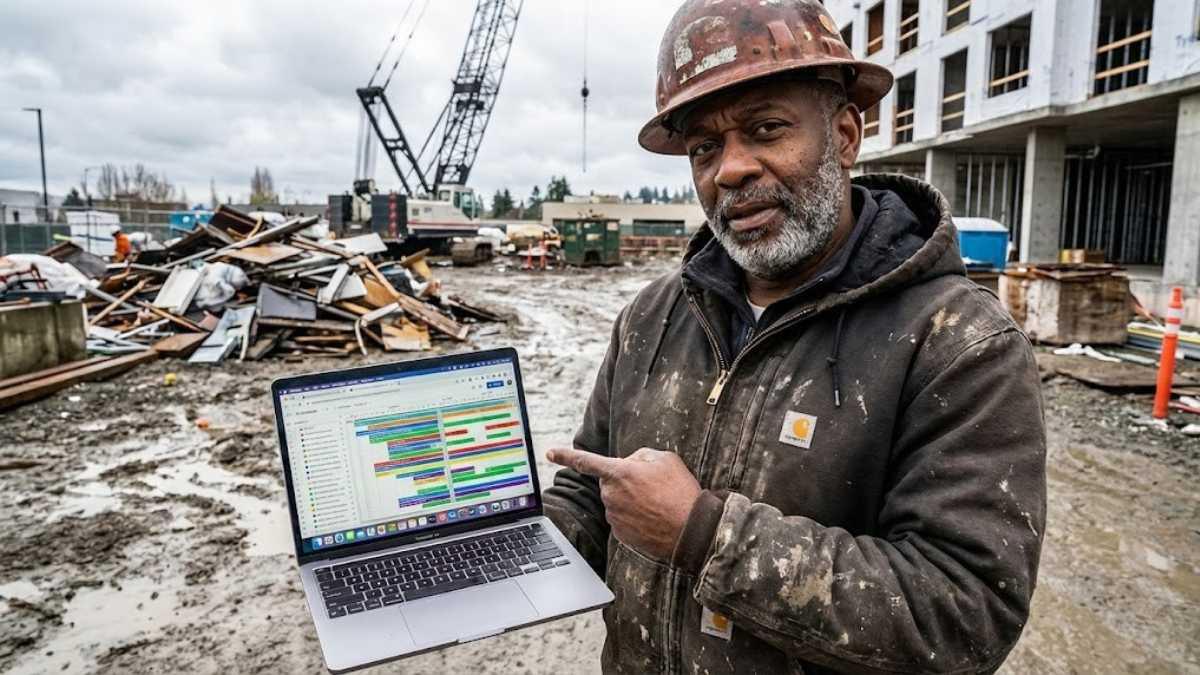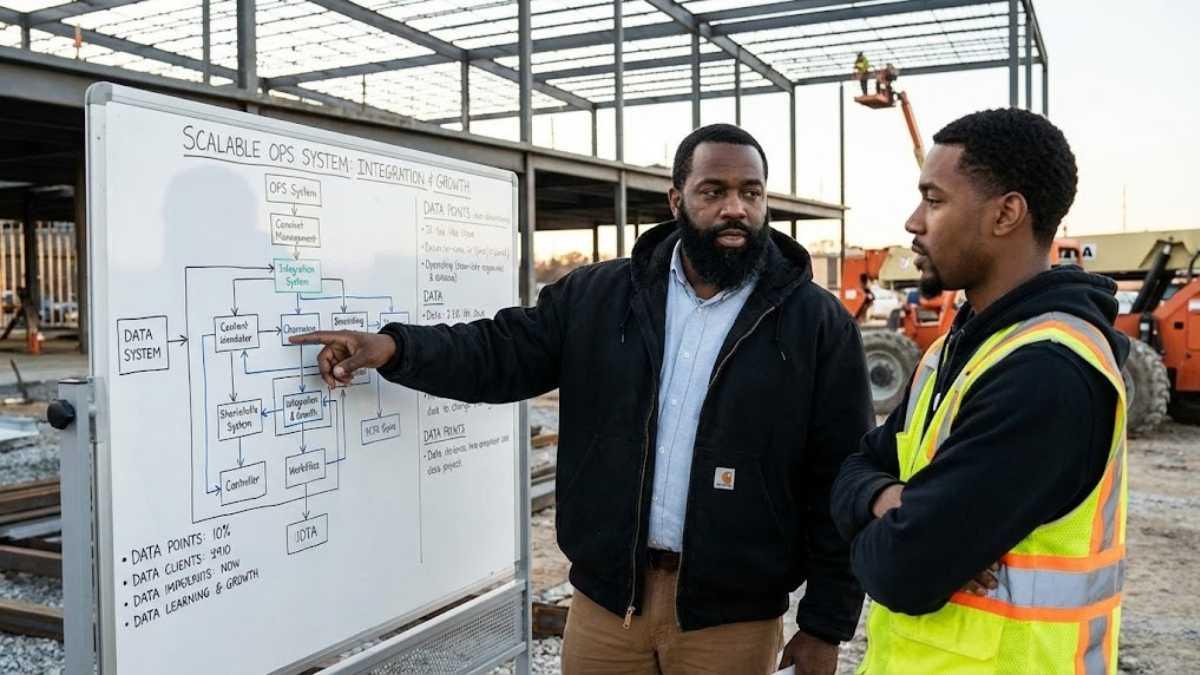
Growth breaks construction companies far more often than recession. In 2026, many contractors are discovering that winning more work is not the same as being able to execute more work. The reason is structural. Technology adoption has accelerated across the industry, but operational maturity has not kept the same pace. When growth arrives, systems that looked “good enough” under lower volume begin to fail simultaneously. Schedules slip, margins erode, teams burn out, and leadership loses visibility exactly when clarity is most needed. This is why the conversation in 2026 is no longer about adding tools, but about aligning technology with operations so the entire system can absorb growth without collapsing.
The central mistake contractors make is assuming that technology alone creates scalability. Software is often deployed as a shortcut, expected to compensate for weak processes, informal decision-making, and inconsistent supervision. In reality, technology amplifies whatever structure already exists. If operations are disciplined, technology increases speed and precision. If operations are fragile, technology accelerates failure. Growth exposes this gap brutally. Projects multiply, data volume increases, and communication paths become more complex. Without an integrated operational backbone, technology becomes noise rather than leverage.
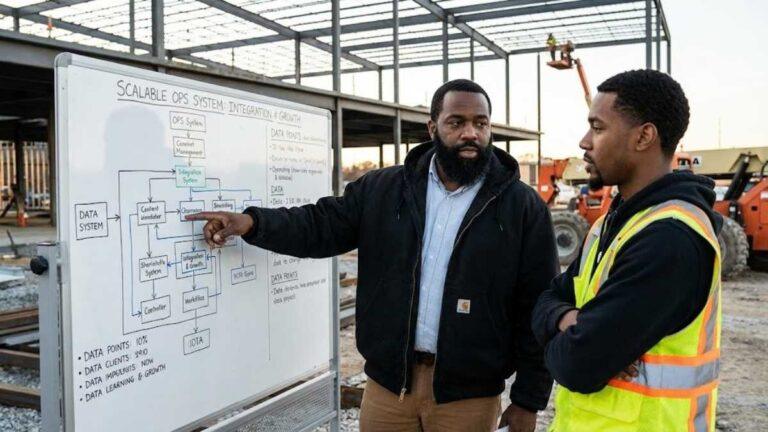
Building a system that survives growth requires thinking beyond individual platforms. Contractors must design how estimating, scheduling, procurement, field execution, documentation, billing, and leadership oversight connect as a single operational flow. Technology supports that flow, but operations define it. In 2026, the contractors who scale sustainably are not those with the most advanced tools, but those with the most coherent operating system.
Advertising
Why growth exposes operational weakness faster than downturns
During slow periods, operational inefficiencies are often hidden. Lower volume allows teams to compensate manually. Leaders step in more frequently. Errors are corrected before cascading. Growth removes that buffer. More projects mean more handoffs, more dependencies, and less time for improvisation. Small inconsistencies in estimating assumptions, scheduling logic, or reporting standards suddenly create systemic risk.
Technology often enters this environment as a reactive fix. Contractors add platforms hoping to regain control, but without standard processes those tools produce fragmented data. Different teams use systems differently. Reports conflict. Trust in numbers declines. Leadership begins to rely on intuition again, defeating the purpose of technology altogether. Growth does not fail because work is harder, but because coordination becomes exponentially more complex.
Another reason growth is dangerous is cultural. Teams promoted quickly into supervisory roles may lack training. Processes that were passed verbally no longer scale. Technology highlights these gaps by demanding consistency. When operations cannot meet that demand, resistance grows and adoption stalls. The system collapses not from lack of tools, but from lack of operational alignment.
The operational foundation that must exist before scaling
Before adding or expanding technology, contractors must lock down core operational standards. Estimating assumptions must be consistent across projects. Cost codes must be standardized. Scheduling logic must follow agreed rules. Field reporting expectations must be clear and enforceable. These elements form the skeleton of the operation. Without them, technology has nothing stable to attach to.
Documentation discipline is another non-negotiable foundation. Daily reports, photos, RFIs, and change tracking must follow uniform formats. This protects the company legally and financially while creating reliable data streams. When documentation is inconsistent, technology outputs become unreliable, and leadership loses confidence in dashboards and reports.
Leadership structure also matters. Clear ownership of processes is essential. Someone must be accountable for estimating integrity, scheduling accuracy, field compliance, and financial reporting. Technology cannot resolve unclear accountability. In fact, it often makes the problem more visible. Sustainable growth requires defined roles before digital acceleration.

How technology should reinforce operations, not replace them
Technology works best when it reinforces decisions already being made operationally. Estimating software should reflect real cost behavior, not theoretical averages. Scheduling tools should mirror how crews actually work, not idealized timelines. Field reporting platforms should capture what supervisors already observe, not add artificial tasks.
Integration matters more than sophistication. Systems must share data cleanly. Estimates should flow into budgets. Budgets should connect to commitments. Commitments should inform schedules. Schedules should align with field reporting. This continuity reduces manual reconciliation and prevents surprises. In 2026, contractors are increasingly prioritizing fewer, better-integrated tools over sprawling tech stacks.
Training is the final reinforcement layer. Technology adoption without operational training fails. Teams must understand not just how to use tools, but why processes exist. When crews and supervisors see how their inputs affect decisions, adoption improves and data quality stabilizes. This human layer is what turns technology into infrastructure rather than overhead.
What a growth-ready construction system looks like in 2026
A growth-ready system is not rigid. It is resilient. It absorbs more projects without increasing chaos. Leaders have visibility across jobs without micromanaging. Financial signals arrive early. Field issues are documented before becoming disputes. Technology supports decision-making instead of overwhelming it.
In these organizations, growth feels controlled. Problems still occur, but they are identified quickly. Teams trust the systems. Leadership focuses on strategy rather than constant firefighting. This is not achieved through software purchases alone. It is built through deliberate alignment of operations, people, and technology.
In 2026, the contractors who survive growth are those who treat operations as the primary system and technology as its amplifier. Growth does not break them because the foundation is designed to carry weight. For everyone else, growth becomes the stress test they were never prepared to pass.

FAQ – Tech and operations under growth
1. Why do construction companies often fail during periods of growth?
Growth increases complexity faster than most operations are designed to handle. More projects create more coordination demands, data volume, and decision pressure. Without standardized processes and clear accountability, systems become overwhelmed and errors cascade across the organization.
2. Can technology alone make a construction company scalable?
No. Technology amplifies existing operations. If processes are weak or inconsistent, technology accelerates dysfunction. Scalability comes from disciplined operations first, supported by tools that reinforce those standards rather than attempting to replace them.
3. What operational areas should be stabilized before scaling?
Estimating consistency, cost coding, scheduling logic, documentation standards, and leadership accountability must be stabilized first. These elements form the operational backbone that technology can reliably support under higher volume.
4. Why do dashboards and reports fail during growth?
They fail because data inputs are inconsistent. Different teams interpret processes differently, leading to conflicting information. Without standardized workflows, reporting tools produce noise instead of insight, causing leadership to lose trust in the system.
5. How should technology be selected for a growing contractor?
Selection should prioritize integration, usability, and alignment with real workflows. Tools should reduce manual handoffs and support existing decision-making processes. Complexity without integration increases risk rather than reducing it.
6. Does growth require more software or better discipline?
Better discipline. Software supports discipline but cannot create it. Contractors who scale successfully invest more in process clarity, training, and accountability than in adding new platforms.
7. What is the biggest mistake contractors make when scaling?
Assuming that past success guarantees future stability. Growth changes operational demands fundamentally. Companies that do not redesign systems before scaling often experience margin erosion, team burnout, and loss of control despite increased revenue.