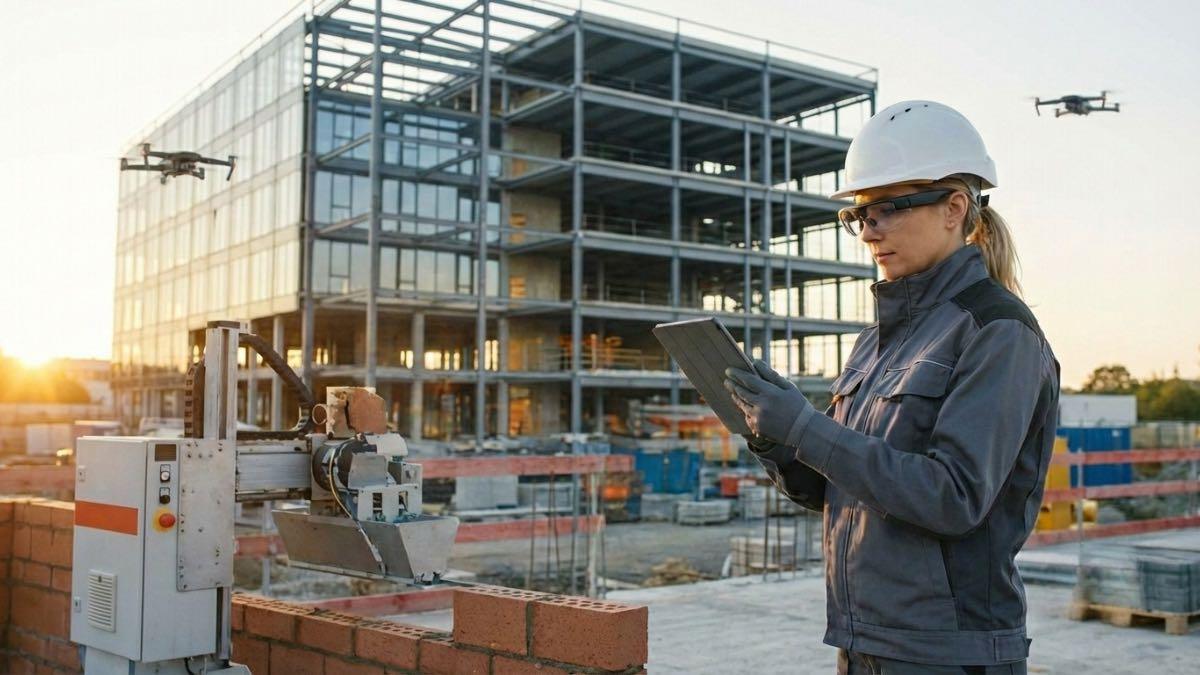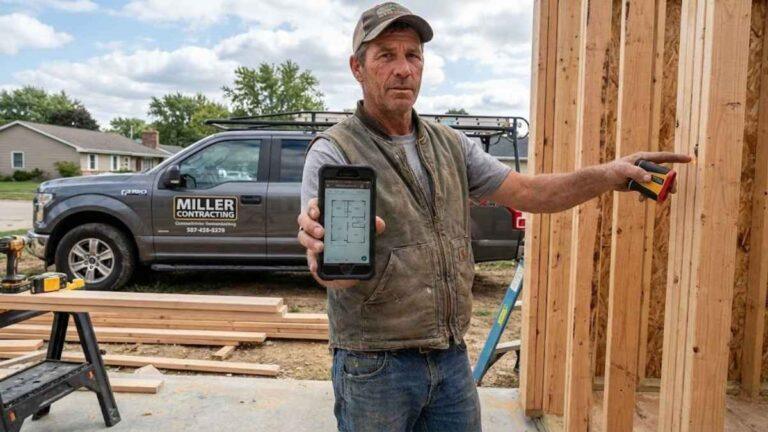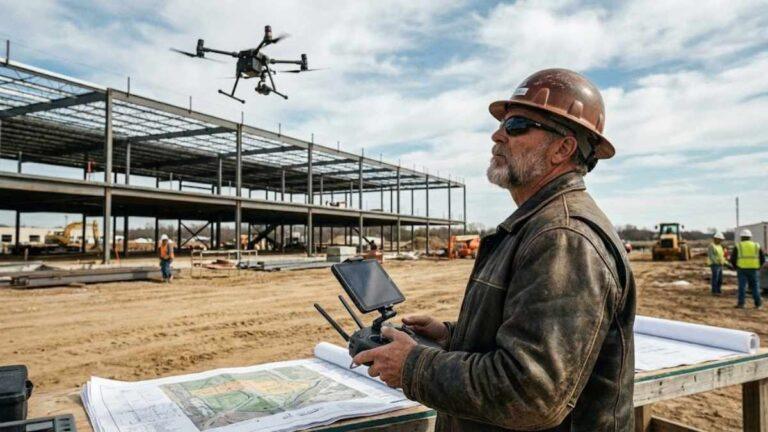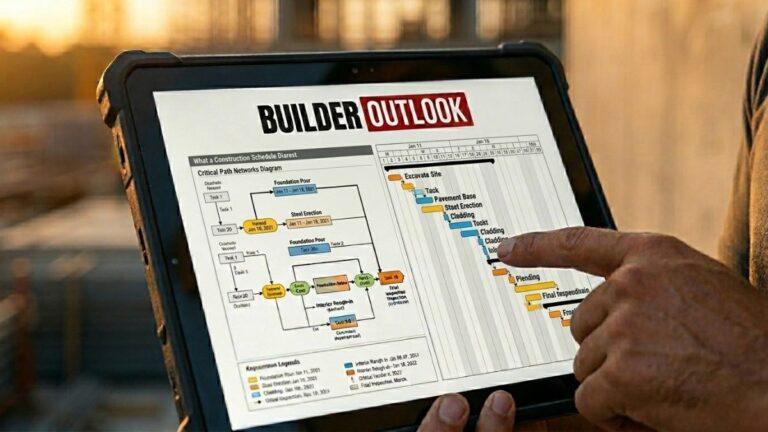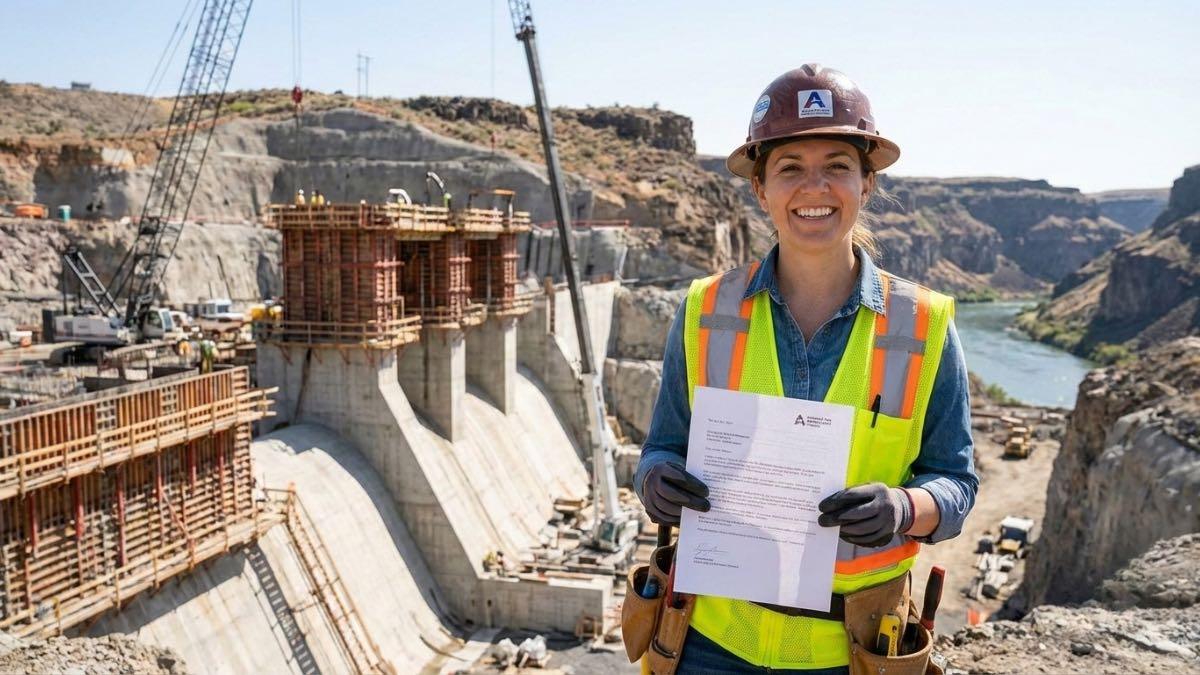
Field reporting automation has become one of the most discussed operational upgrades in construction over the last two years. As margins tighten and schedules compress, contractors are under pressure to capture accurate jobsite information faster, with fewer errors and less administrative drag. Automated field reporting promises exactly that. However, in 2026, the real value of field reporting automation is not found in what it claims to solve, but in understanding precisely what it can fix and where its limitations still exist.
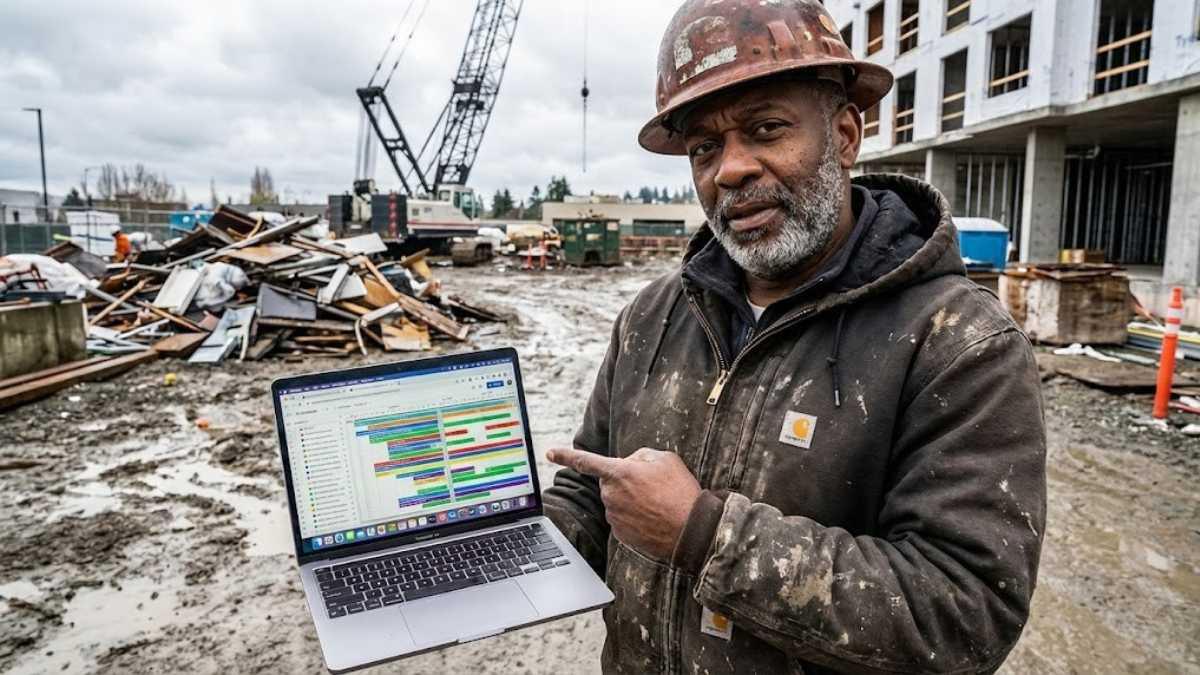
Many contractors adopt field reporting tools expecting immediate visibility, cleaner documentation, and fewer disputes. In practice, automation delivers value only when it is aligned with how work actually flows on site. Field reports are not just data points. They are operational narratives that connect labor, materials, decisions, weather, delays, and accountability. Automating poor reporting habits simply accelerates bad information if processes are not corrected first.
The contractors seeing real gains from field reporting automation are those who treat it as an execution discipline, not a software feature. They understand that automation strengthens consistency, speed, and traceability, but it cannot replace leadership, judgment, or communication. Knowing this boundary is what separates effective adoption from expensive disappointment.
Advertising
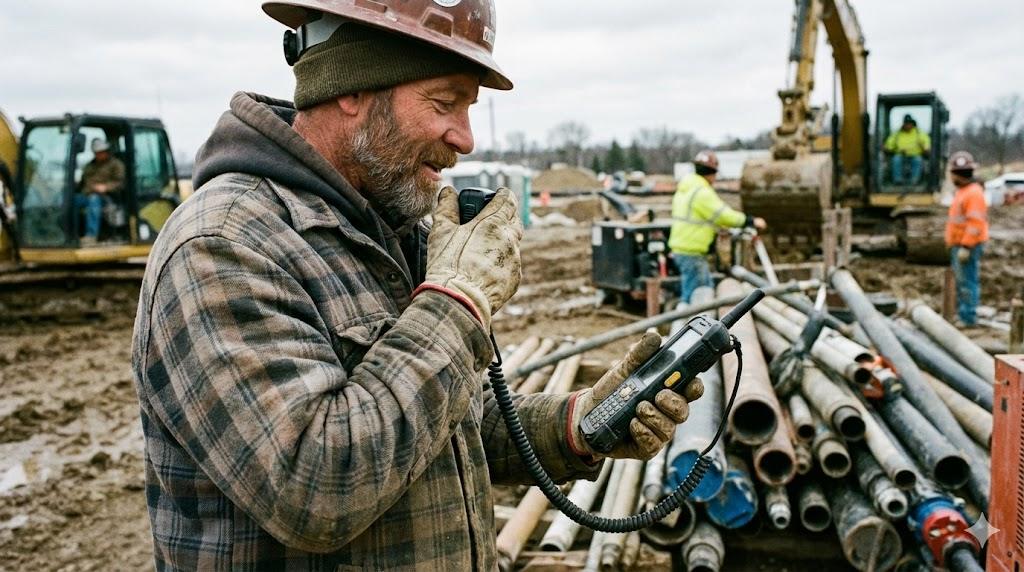
What field reporting automation actually fixes
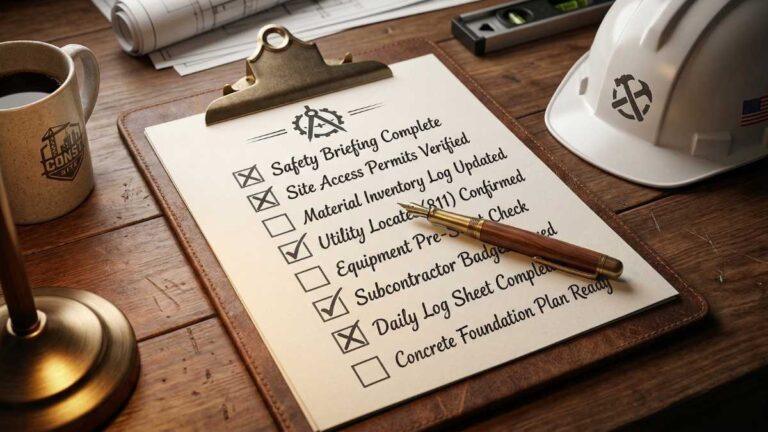
Field reporting automation dramatically improves consistency. When foremen and supervisors use standardized digital reports, daily information is captured in a uniform format across all projects. This eliminates the variability that often makes reports unreliable or difficult to interpret. Over time, consistent reporting builds a defensible historical record that supports scheduling decisions, cost analysis, and claims defense.
Automation also fixes timeliness. Digital field reports submitted daily, or even in real time, reduce the lag between events and documentation. This matters because delays, safety incidents, scope changes, and productivity issues lose clarity when reported days later. Immediate reporting preserves context and accuracy, which is critical in fast-moving commercial and industrial projects.
Another major improvement is traceability. Automated field reporting systems link photos, location data, timestamps, and user identity to each report. This creates verifiable documentation that strengthens trust with owners and reduces disputes. When questions arise, contractors can reference objective records rather than reconstructed memories, which significantly lowers conflict risk.
Where field reporting automation falls short
Despite its advantages, field reporting automation does not fix poor communication culture. If supervisors do not understand what matters to document, automation will not magically improve insight. Reports may be submitted on time but still lack meaningful detail, analysis, or explanation. Software cannot teach situational awareness or accountability.
Automation also cannot resolve decision bottlenecks. Field reports highlight issues, but they do not make decisions. If management teams are slow to respond, unclear in authority, or disconnected from site realities, automated reporting simply surfaces problems faster without resolving them. This can actually increase frustration if action does not follow information.
Finally, automation does not eliminate human bias. Supervisors may still underreport issues, overstate productivity, or avoid documenting conflicts. In 2026, the most effective contractors pair automated reporting with training, review protocols, and leadership oversight to ensure reports reflect reality rather than convenience.

How smart contractors integrate automation into operations
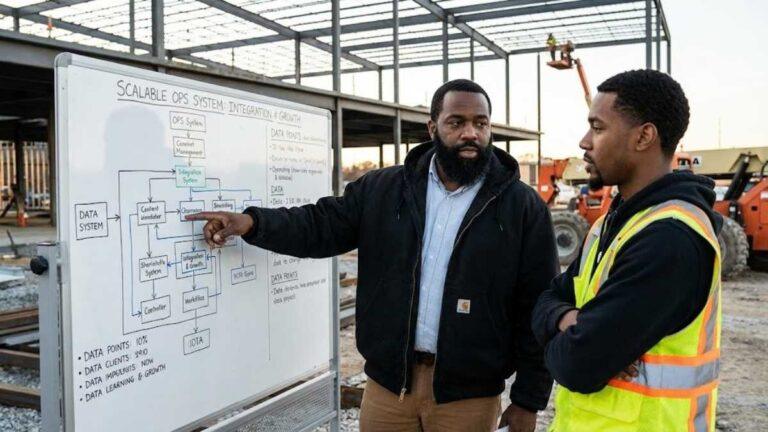
Leading contractors integrate field reporting automation into a broader operational system. Reports are not isolated documents but inputs for scheduling updates, cost tracking, safety management, and client communication. This integration transforms reports from administrative tasks into decision tools.
They also invest heavily in onboarding and expectation setting. Supervisors are trained not just on how to submit reports, but on why accuracy matters and how reports are used downstream. This alignment increases buy-in and improves report quality across the organization.
Most importantly, successful firms close the feedback loop. Field teams see how their reports drive decisions, resolve issues, and protect the company. When reporting leads to action, participation improves. Automation succeeds not because it removes effort, but because it makes effort visible and valuable.
Why field reporting automation is now a competitive signal
In 2026, owners increasingly expect professional reporting standards as part of project execution. Automated field reporting signals operational maturity, transparency, and control. Contractors without it often appear reactive, disorganized, or behind the curve, even if their craftsmanship is strong.
This perception affects more than project performance. It influences prequalification, contract negotiations, and dispute outcomes. Automated reporting strengthens credibility long before problems arise. When issues do occur, documented reality becomes a strategic asset.
Field reporting automation is not about replacing people. It is about supporting disciplined execution. Contractors who understand both its power and its limits are the ones extracting real value, protecting margins, and positioning themselves as low-risk partners in competitive markets.
Advertising

FAQ – Field reporting automation in construction
1. What is field reporting automation in construction?
Field reporting automation refers to digital systems that standardize and streamline the capture of daily jobsite information such as labor activity, progress, delays, photos, safety observations, and issues. These systems replace handwritten or inconsistent reports with structured, time-stamped records.
2. Does automated field reporting reduce disputes?
Yes, when used correctly. Automated reports create objective, verifiable documentation that supports facts rather than opinions. This reduces ambiguity during disagreements and strengthens a contractor’s position in claims, negotiations, and project closeout discussions.
3. Why do some contractors fail with field reporting software?
Failures usually occur because processes are weak before automation. Without clear expectations, training, and follow-through, automation only accelerates poor reporting habits instead of improving insight and decision-making.
4. Can field reporting automation replace supervision or management judgment?
No. Automation captures information, but it does not interpret context or make decisions. Effective contractors use automated reports as inputs for leadership action, not as substitutes for oversight or experience.
5. How does field reporting automation impact productivity?
When integrated properly, it improves productivity by reducing rework, clarifying issues early, and aligning teams around accurate information. However, if treated as a checkbox task, it adds administrative burden without operational benefit.
6. Is automated field reporting expected by owners in 2026?
Increasingly, yes. Owners view automated reporting as a sign of professionalism, transparency, and control. Contractors without it may appear less prepared, especially on commercial, industrial, and infrastructure projects.
7. What is the biggest benefit of field reporting automation?
The biggest benefit is consistency combined with traceability. Reliable daily records improve communication, reduce risk, support claims defense, and create organizational learning that improves future project performance.