Building Information Modeling has been part of construction workflows for years, but in 2026 it is entering a new phase. BIM is no longer valued only for visualization or clash detection during preconstruction. It is now evaluated by owners, architects, and general contractors based on how effectively it reduces uncertainty, misalignment, and Requests for Information during execution. The next leap in BIM coordination is not about prettier models. It is about operational clarity and contractual risk reduction.
RFIs remain one of the most expensive friction points in construction. Each unresolved question delays decisions, creates schedule compression, and increases exposure to claims. In many projects, RFIs do not emerge because information is missing, but because information is fragmented, outdated, or disconnected from real field conditions. Traditional BIM coordination often stops too early, leaving execution teams to interpret intent rather than rely on coordinated truth.
In 2026, contractors that want fewer RFIs are pushing BIM beyond design coordination and into execution alignment. This means models that reflect sequencing logic, trade-specific constraints, and constructability decisions that remain valid once work begins. BIM is evolving from a design support tool into a continuous coordination system that actively governs how work is built, not just how it is drawn.

Why traditional BIM coordination still generates RFIs
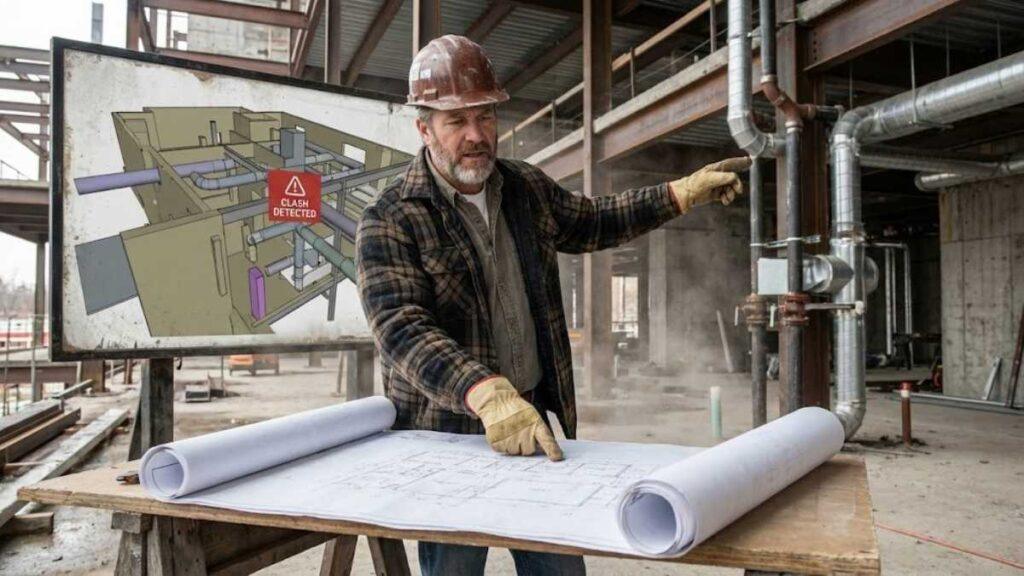
Many BIM processes fail not because the technology is insufficient, but because the coordination scope is limited. Models are often coordinated to satisfy design milestones rather than construction realities. Once coordination meetings end, models freeze, while conditions on site continue to evolve. This gap forces field teams to raise RFIs to reconcile differences between model intent and jobsite constraints.
Another issue is trade isolation. BIM coordination is frequently organized around individual scopes rather than integrated execution sequences. When trades coordinate geometry without aligning means, methods, and installation order, conflicts reappear downstream. RFIs then become the mechanism to resolve decisions that should have been embedded earlier in the model.
Finally, ownership of the model is often unclear. When BIM responsibility is treated as a design obligation rather than a construction control mechanism, contractors lose the ability to enforce coordinated reality. In 2026, fewer RFIs correlate directly with contractors who treat BIM as an operational asset rather than a compliance deliverable.
What the next generation of BIM coordination looks like
The next leap in BIM coordination focuses on dynamic alignment rather than static approval. Models are continuously updated to reflect approved changes, field discoveries, and sequencing decisions. This allows teams to reference a single source of truth that remains relevant throughout construction rather than relying on outdated snapshots.
Advanced contractors are also integrating BIM with scheduling, procurement, and field reporting systems. When model elements are linked to installation dates, material lead times, and inspection workflows, discrepancies surface earlier. This proactive exposure prevents RFIs by resolving questions before they interrupt work.
Equally important is trade accountability. BIM coordination in 2026 assigns responsibility for model accuracy at the trade level. Each scope owns its constructability commitments within the model. This shared accountability reduces ambiguity and aligns coordination with real execution responsibilities, significantly lowering RFI volume.

How fewer RFIs translate into measurable project advantages
Reducing RFIs is not just an administrative win. It directly impacts schedule certainty, labor efficiency, and dispute exposure. Each avoided RFI removes a potential delay, eliminates rework risk, and reduces the documentation trail that often fuels claims.
Projects with disciplined BIM coordination experience smoother handoffs between phases. Foremen rely on coordinated models rather than verbal clarification. Subcontractors plan work with higher confidence. This stability compounds across the schedule, reducing cascading delays and cost overruns.
From an owner perspective, fewer RFIs signal control. Projects appear predictable, well-managed, and professionally executed. In competitive markets, contractors that demonstrate low RFI rates backed by robust BIM coordination increasingly position themselves as lower-risk partners, gaining access to higher-quality work.
BIM coordination as a contractual and strategic Advantage
In 2026, BIM capability is no longer evaluated as a technical feature. It is evaluated as a risk management system. Contracts increasingly reference BIM execution plans, coordination standards, and model governance requirements. Contractors who can demonstrate mature BIM coordination gain leverage during negotiations.
This shift also influences prequalification. Owners and developers now ask how BIM is used to prevent RFIs, not just detect clashes. Firms that cannot articulate this operational impact are perceived as less prepared, regardless of software investment.
The next leap in BIM coordination is therefore strategic. Contractors that embed BIM into execution control reduce RFIs, protect margins, and strengthen their market position. Those that treat it as a design accessory continue to absorb avoidable friction and unnecessary risk.


FAQ – BIM coordination and RFIs
1. Why do many projects still generate high RFI volumes despite using BIM?
High RFI volumes persist because BIM is often limited to design coordination and not extended into construction execution. When models stop reflecting real sequencing, field constraints, and approved changes, teams must rely on RFIs to resolve uncertainty during work.
2. How does advanced BIM coordination reduce RFIs in practice?
Advanced BIM coordination integrates constructability decisions, sequencing logic, and trade accountability into a continuously updated model. This allows conflicts to be resolved proactively, eliminating the need for RFIs to clarify intent during active construction.
3. Is reducing RFIs mainly a design responsibility?
No. While designers play a role, contractors control how BIM is applied during execution. In 2026, contractors who own BIM coordination as an operational system see far greater RFI reduction than those who delegate it entirely to design teams.
4. How does BIM coordination impact schedule performance?
Better BIM coordination reduces interruptions, rework, and waiting time caused by unresolved questions. This improves workflow continuity, reduces schedule compression, and increases predictability across all project phases.
5. Do owners care about RFI volume when selecting contractors?
Yes. Owners increasingly view RFI volume as a signal of coordination quality and project control. Contractors that demonstrate low RFI rates supported by strong BIM practices are perceived as lower-risk and more reliable partners.
6. What is the biggest mistake contractors make with BIM in 2026?
The biggest mistake is treating BIM as a compliance requirement rather than an execution tool. Without continuous updates, trade ownership, and integration with operations, BIM loses its ability to prevent RFIs and protect project performance.
7. Can better BIM coordination reduce disputes and claims?
Yes. Fewer RFIs mean fewer ambiguities, less rework, and clearer documentation of intent. This reduces the conditions that often escalate into disputes, change order conflicts, and claims during or after project completion.