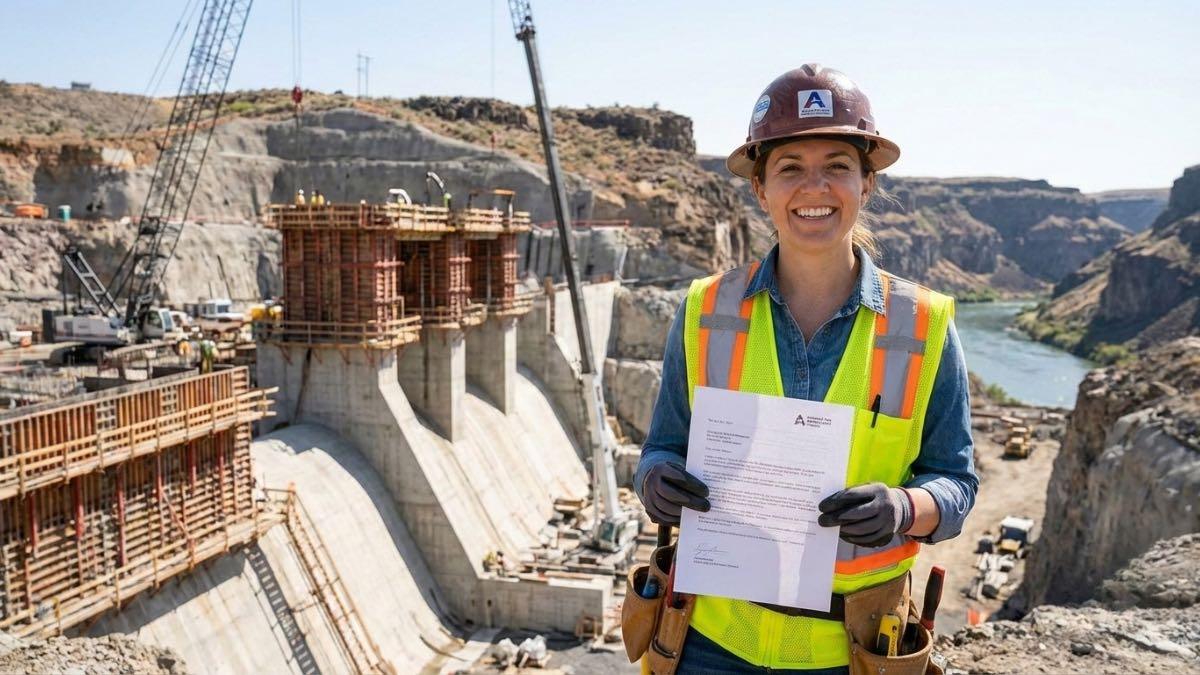
Why digital closeout packages became a baseline expectation
Digital closeout packages did not become standard because contractors wanted more paperwork. They became standard because owners can no longer operate assets without structured, searchable, and verifiable project data. Buildings today are long-term operational systems, not static handovers. Owners need immediate access to as-built documentation, warranties, commissioning data, and maintenance information from day one.
Traditional closeouts failed this reality. Paper binders, scattered PDFs, and incomplete turnover documents slow occupancy, delay final payments, and create operational risk. Digital closeout packages solve this by centralizing all critical information in a structured environment that supports asset management, compliance, and future renovations.
Owners now evaluate closeouts as part of contractor qualification. A weak closeout signals weak process discipline throughout the project. A strong digital closeout signals control, professionalism, and long-term thinking. This expectation is no longer limited to institutional projects. Commercial and private owners increasingly demand the same standard.
Digital closeout packages are no longer a bonus. They are a default requirement for serious construction work in 2026 and beyond.



What owners actually look for in a digital closeout
Owners are not impressed by volume. They are impressed by usability. A digital closeout must be organized, intuitive, and complete. Owners expect to find drawings, specifications, warranties, inspection reports, testing results, commissioning data, and maintenance manuals without searching through disorganized folders.
Metadata matters. Documents must be properly labeled, dated, and associated with specific systems or locations. Owners want to trace information quickly when problems arise. Poorly indexed closeouts create frustration and erode trust, regardless of how much data is delivered.
Another expectation is continuity. Owners want assurance that the information reflects actual installed conditions, not outdated submittals. This requires disciplined updates throughout construction, not a rushed compilation at the end. Contractors who wait until project close to assemble documentation almost always fail to meet expectations.
Finally, owners expect digital closeouts to integrate with facility management systems. Compatibility and exportability are no longer optional. Closeouts that cannot be operationalized immediately are viewed as incomplete.
How digital closeouts reduce post-construction friction
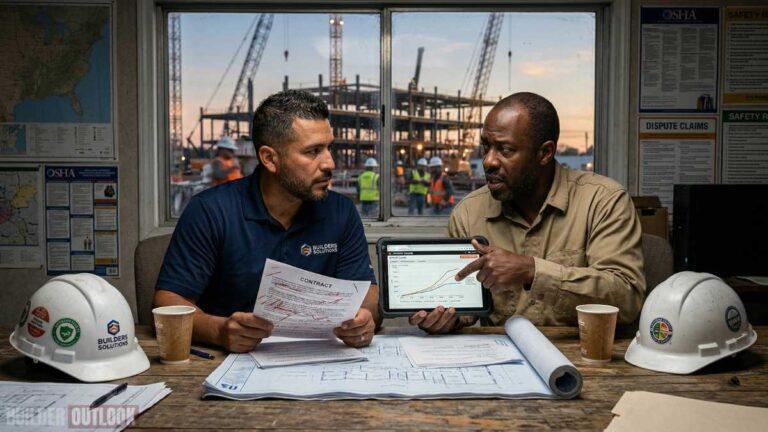
Post-construction disputes often originate from missing or unclear documentation. Digital closeout packages reduce this friction by providing clarity at handover. When responsibilities, warranties, and system data are clearly documented, finger-pointing diminishes.
Digital closeouts also accelerate final payment. Owners are far less likely to withhold retainage when closeout deliverables are clearly defined and transparently delivered. This improves contractor cash flow and shortens project financial tail risk.
Operational teams benefit immediately. Maintenance schedules, replacement cycles, and compliance requirements are easier to manage when information is centralized. This reduces emergency calls back to contractors and improves long-term owner satisfaction.
In competitive markets, contractors known for clean closeouts gain reputational advantage. Owners remember the handover experience. A smooth closeout often influences future awards more than price alone.
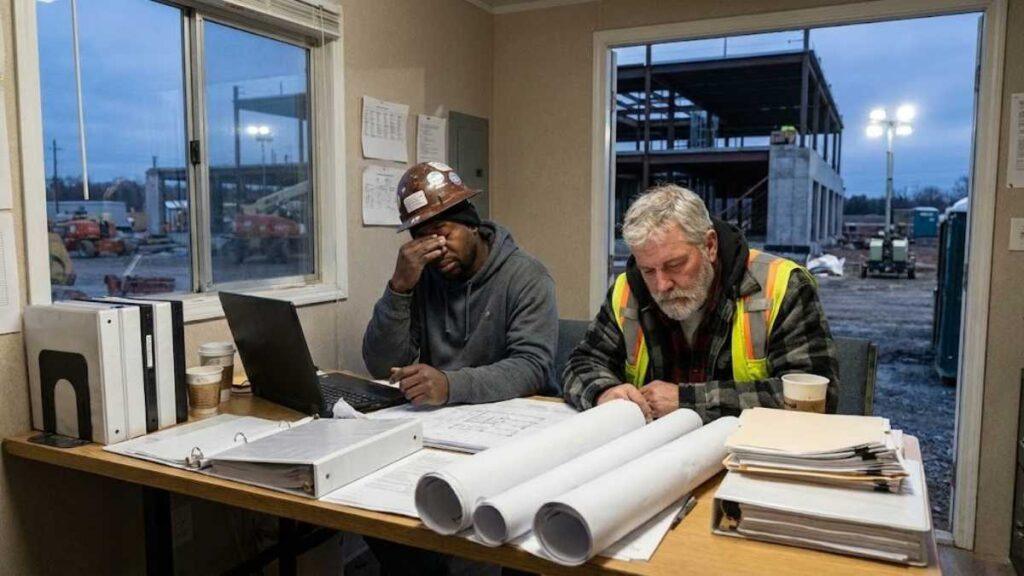
Why contractors struggle with closeouts and how to fix it
Most closeout failures are process failures, not technology failures. Contractors treat closeouts as an end-of-project task instead of a continuous workflow. This leads to missing documents, outdated data, and last-minute scrambling.
Fixing this requires integrating closeout requirements into daily project operations. Submittals, inspections, and changes must be documented with closeout in mind from the start. Responsibility must be assigned, tracked, and reviewed regularly.
Technology only works when paired with discipline. Platforms can centralize information, but they cannot enforce accuracy. Contractors who succeed treat closeout quality as a management metric, not an administrative chore.
As owner expectations rise, closeout discipline becomes a competitive differentiator. Contractors who master this process reduce disputes, accelerate payment, and strengthen long-term client relationships.



FAQ – Digital closeout packages: what owners now expect by default
1. What is a digital closeout package in construction?
A digital closeout package is a structured, electronic collection of all project documentation including as-built drawings, warranties, inspections, commissioning data, and maintenance manuals delivered in an organized, searchable format.
2. Why do owners now expect digital closeouts by default?
Owners need immediate operational visibility and long-term asset data. Digital closeouts support facility management, compliance, and future renovations far better than traditional paper-based handovers.
3. How do digital closeouts impact final payment?
Clear, complete closeouts reduce disputes and delays related to retainage. Owners are more willing to release final payment when documentation meets defined standards.
4. What causes most closeout failures?
Closeout failures usually result from poor process discipline, last-minute compilation, missing updates, and lack of ownership rather than lack of software.
5. Are digital closeouts required on smaller projects?
While expectations vary, many commercial and private owners increasingly require digital closeouts regardless of project size to reduce operational risk.