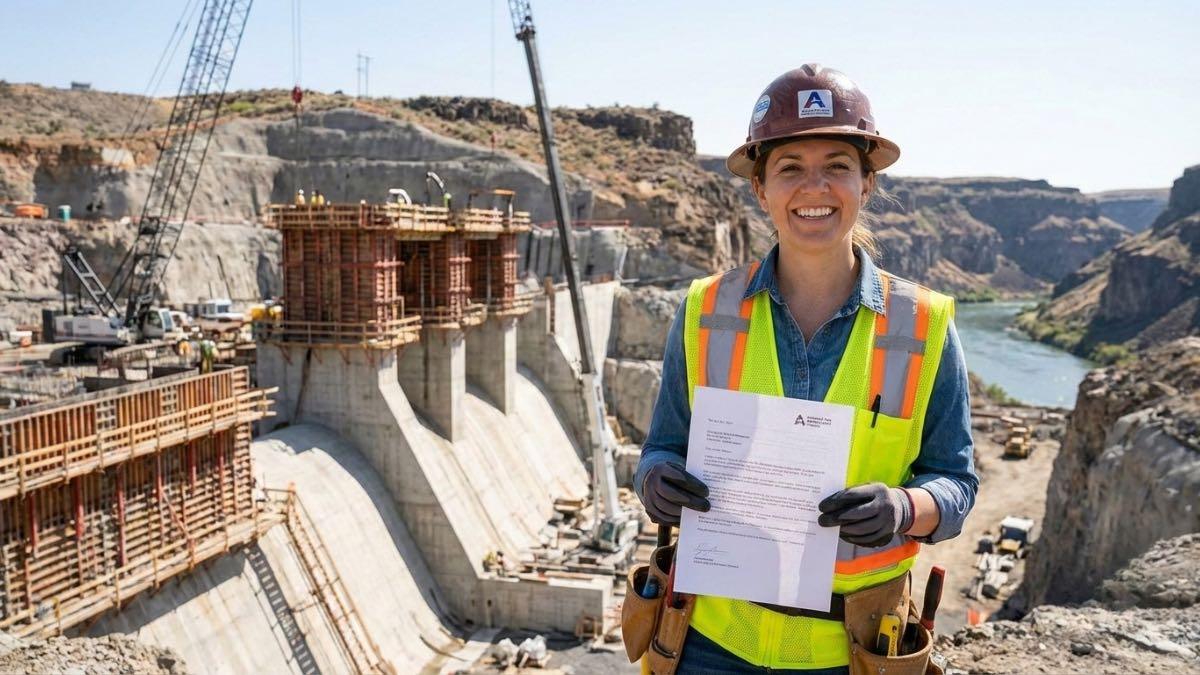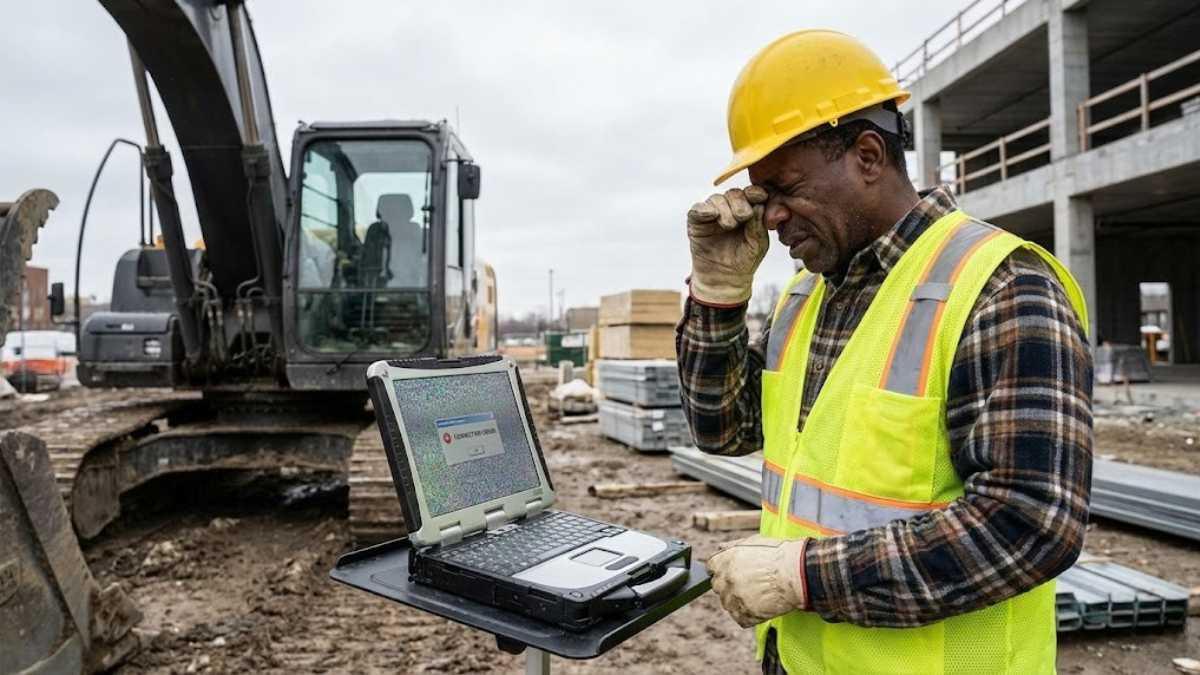
Why technology exposes weaknesses instead of hiding them
Technology rarely fails in construction because it is poorly designed. It fails because it exposes operational weaknesses that were already costing money long before any software was introduced. In 2026, construction companies operate under tighter margins, compressed schedules, and higher scrutiny from owners and lenders. In this environment, inefficiencies that once remained hidden are amplified the moment technology forces visibility, consistency, and traceability.
When operations are weak, technology becomes a mirror rather than a solution. Inconsistent workflows, informal decision making, undocumented processes, and unclear accountability are suddenly impossible to ignore. Systems demand inputs, approvals, and updates on a cadence that weak operations cannot sustain. Teams respond by bypassing the system, delaying updates, or creating parallel processes that undermine the tool’s purpose.
This is why many contractors feel that technology “adds work” instead of reducing it. The software is not creating the work. It is revealing work that was previously absorbed silently through overtime, rework, and informal coordination. When organizations are not prepared for that exposure, resistance grows and adoption collapses.
Understanding this dynamic is critical. Technology is not an operational fix. It is an operational amplifier. If the underlying structure is weak, technology magnifies the weakness. If the structure is sound, technology magnifies efficiency. The difference lies entirely in operational maturity.
Advertising

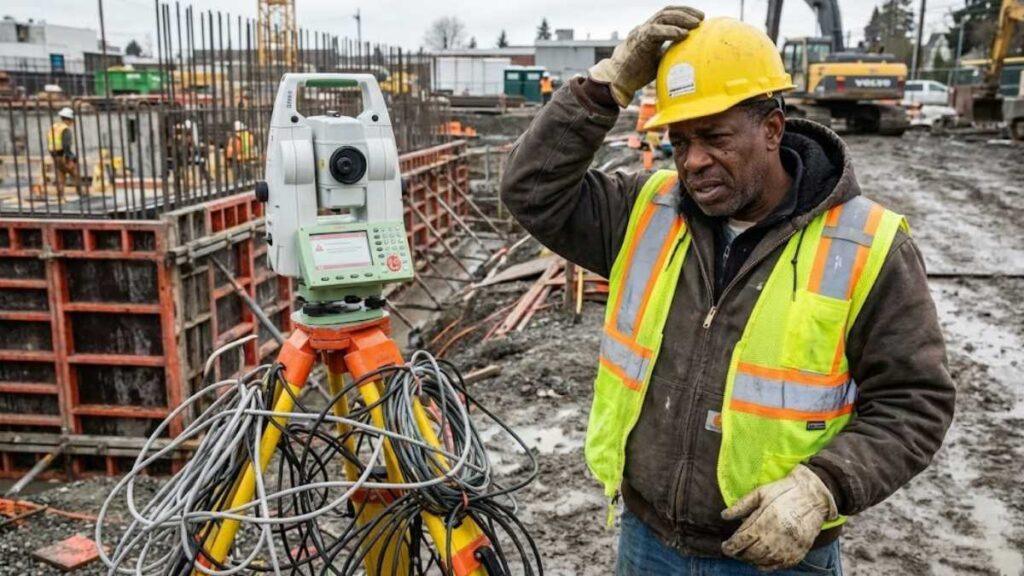
The operational gaps that cause most tech failures
The most common gap is lack of standardization. When estimating logic varies by individual, schedules are updated irregularly, and cost codes differ across projects, technology cannot create coherence. Instead, it produces conflicting outputs that teams distrust. This distrust quickly turns into disengagement, where software is technically deployed but practically ignored.
Another frequent issue is unclear ownership. Many construction firms deploy technology without defining who is responsible for data accuracy, decision follow-up, and process enforcement. Without ownership, systems collect information but no one acts on it. Dashboards become passive reports instead of management tools. Leadership then concludes that technology does not deliver value.
Communication breakdowns also play a role. Technology often assumes clear escalation paths and decision authority. In organizations where issues are resolved informally through conversations rather than documented workflows, systems feel restrictive. Teams perceive them as bureaucratic rather than supportive, especially under schedule pressure.
Finally, timing matters. Implementing technology during periods of operational overload almost guarantees failure. Teams under stress revert to familiar habits. Without breathing room to realign processes, even well-designed systems struggle to gain traction.
Why fixing operations must come before digital investment
Operational readiness is not about perfection. It is about consistency. Before deploying technology, contractors must align on how work flows through the organization. This includes standardized estimating templates, disciplined schedule updates, consistent cost coding, and defined approval paths. These elements create the foundation that technology depends on.
Fixing operations also means clarifying decision rights. Who approves scope changes. Who updates schedules. Who validates cost forecasts. Technology enforces these questions by design. Answering them in advance reduces friction during implementation. Without this clarity, systems create conflict rather than alignment.
Process mapping is a critical step that many firms skip. Documenting how information moves from bid to closeout reveals redundancies, gaps, and informal dependencies. Technology should be selected to reinforce improved workflows, not to replace undefined ones. When operations are corrected first, software becomes an efficiency layer instead of a control mechanism.
Importantly, fixing operations builds internal trust. Teams are more receptive to technology when they see it supporting clear processes rather than imposing arbitrary rules. This trust accelerates adoption and ensures that data generated by systems is actually used for decision making.
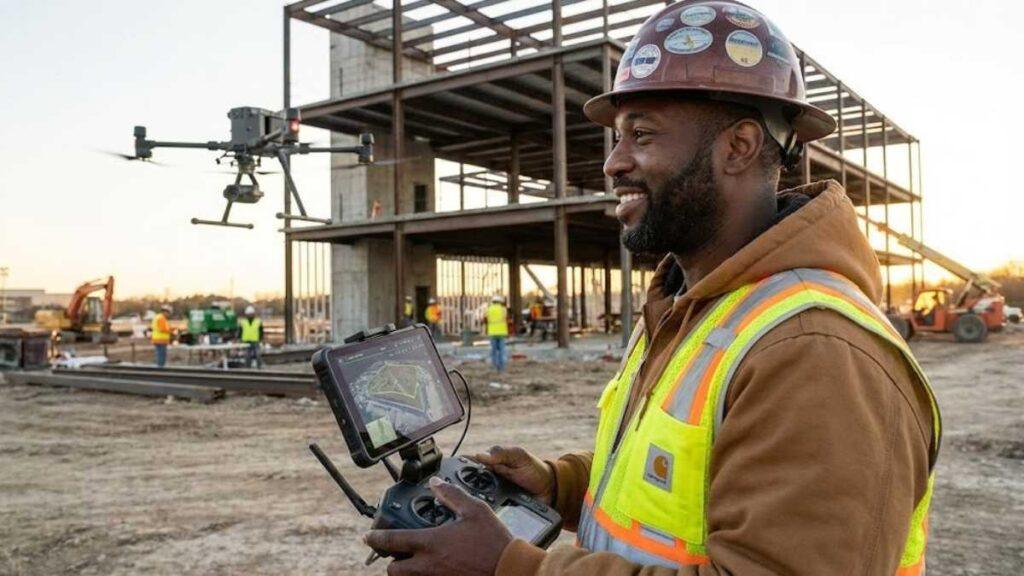
How strong operations unlock real value from technology
When operations are disciplined, technology delivers compounding benefits. Estimating systems become more accurate because inputs are consistent. Scheduling tools reflect reality because updates are timely. Cost controls flag issues early because data is reliable. The entire organization shifts from reactive firefighting to proactive management.
Strong operations also enable integration. Technology performs best when systems share data seamlessly. This requires aligned structures across estimating, project management, accounting, and field reporting. Without operational alignment, integration fails. With it, technology becomes a connective tissue rather than a collection of tools.
Leadership behavior is the final unlock. When executives rely on system outputs to make decisions, teams follow. When leadership bypasses systems under pressure, adoption erodes. Technology signals seriousness only when it is embedded into governance, not treated as an optional convenience.
In 2026, the contractors who succeed with technology are not those who buy the most software. They are the ones who fix their operations first, then let technology scale what already works.
Advertising

FAQ – Why tech fails when operations are weak (and how to fix operations first)
1. Why does construction technology often fail after implementation?
Technology fails because it exposes inconsistent processes, unclear ownership, and informal workflows. When operations lack discipline, software amplifies confusion instead of creating clarity, leading teams to disengage from the system.
2. Is technology the wrong investment for some contractors?
Technology is rarely wrong, but timing and readiness matter. Contractors without standardized workflows and defined responsibilities should focus on operational alignment before investing heavily in digital tools.
3. What operational issues should be fixed before adopting technology?
Standardization of estimating logic, scheduling discipline, consistent cost codes, clear approval paths, and defined data ownership should be addressed first. These elements create the foundation technology depends on.
4. How does leadership affect technology success?
Leadership determines whether technology is enforced or bypassed. When executives use system data for decisions, adoption strengthens. When leaders ignore systems under pressure, teams follow suit and value collapses.
5. Can technology improve weak operations over time?
Technology can support improvement only after minimum discipline exists. Without that baseline, systems generate noise instead of insight, delaying improvement rather than accelerating it.