The construction labor shortage in the United States is often discussed as if it were a purely economic problem. Wages, availability, demographics, and immigration dominate the conversation. What many contractors still underestimate is that a large portion of the hiring battle is being lost long before pay rates or benefits are even discussed. In 2026, construction workers actively research employers online before deciding whether a company is worth their time, effort, and long-term commitment.
This shift is not theoretical. Skilled tradespeople now behave like informed buyers in a competitive market. They filter employers the same way owners filter contractors. They look for signs of stability, organization, safety, and respect. If those signals are weak or inconsistent online, many workers never apply. They simply move on. Understanding what workers check online, and fixing what they see, has become a core operational priority for contractors who want reliable crews.
Google presence and first impressions
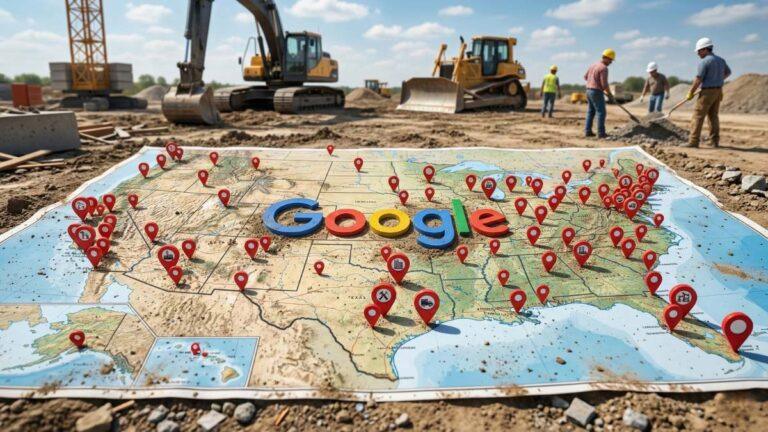
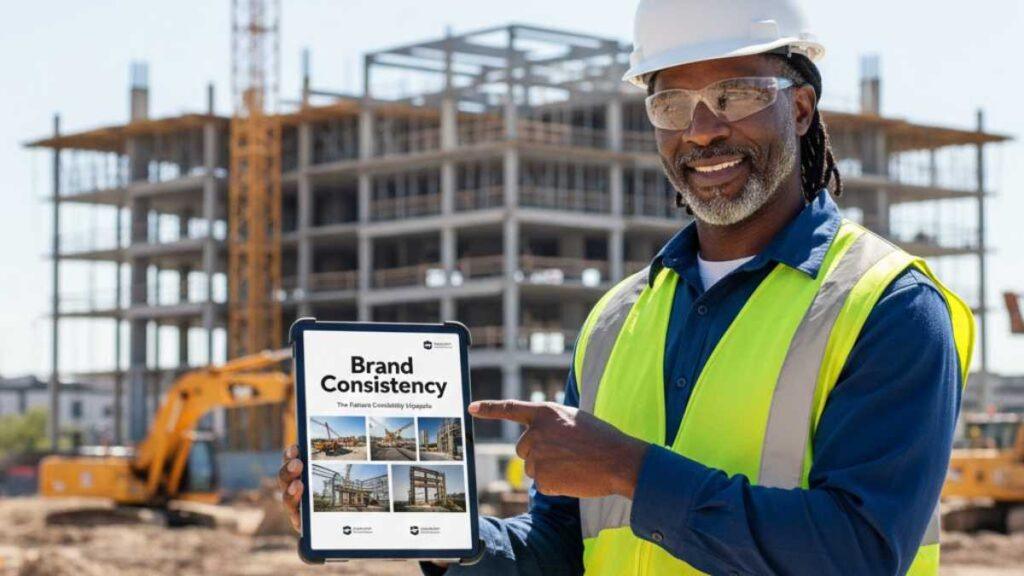
The first stop for most construction workers is Google. They search the company name, often adding words like “reviews,” “jobs,” or the city where projects are located. What they find in those first seconds shapes the entire perception of the company. An incomplete Google Business profile, outdated photos, missing information, or inconsistent addresses immediately raise doubts about professionalism and reliability.
Workers interpret poor Google presence as a reflection of internal disorder. If a company cannot maintain basic public information, crews assume payroll, scheduling, communication, and jobsite coordination may be equally sloppy. This perception is especially strong among experienced workers who have been burned before by unstable contractors. For them, digital signals are risk filters, not curiosities.
Fixing this issue requires consistency and intent. Accurate locations, updated hours, real jobsite photos, recent posts, and steady review activity all send the same message: this company is active and organized. Contractors who treat their Google profile as living infrastructure, rather than a one-time setup, see measurable improvements in applicant quality and response rates.
Company websites as trust filters
After Google, serious workers move to the company website. They are not looking for marketing slogans. They are looking for clarity. What kind of work does this company do. Where are the projects located. How long has the company been operating. Does the site feel maintained or abandoned. Each answer reduces uncertainty or increases it.
Outdated websites, broken links, vague service descriptions, or generic stock imagery signal risk. Workers associate these signs with poor planning and unstable leadership. In contrast, websites that clearly explain project types, geographic coverage, crew structure, safety expectations, and growth trajectory communicate professionalism. Even simple explanations written in plain language outperform flashy designs with no substance.
Fixing this requires more than design. It requires alignment between operations and communication. Contractors must explain how work is organized, how crews are supported, and what standards are enforced. When workers can visualize how the company operates before applying, they arrive more informed, more confident, and more committed.


Social media as reality checks
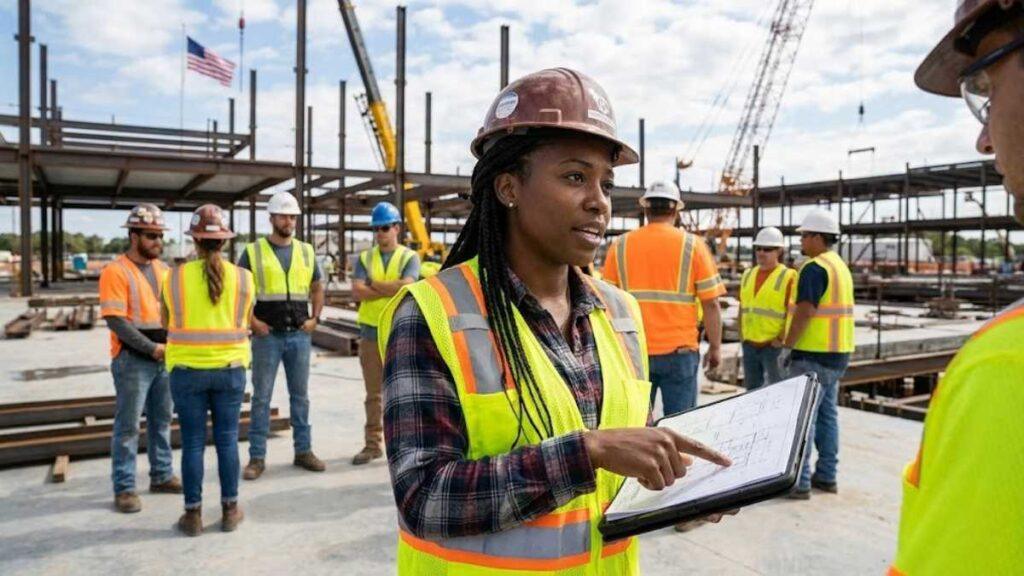
Social media plays a unique role in workforce decisions. Workers do not expect perfection, but they do expect honesty. They scroll through feeds looking for real crews, real projects, real environments, and real leadership presence. Empty accounts, sporadic posting, or recycled content suggest instability or a lack of pride in the operation.
Construction workers are highly sensitive to authenticity. They want to see jobsites, progress updates, safety moments, equipment, and teamwork. They want to know if leadership is visible or invisible. Companies that show only finished projects without showing the people behind them feel distant and transactional.
Fixing social media perception requires discipline, not creativity. Regular posting of jobsite reality, crew achievements, safety practices, and day-to-day operations builds familiarity and trust. Over time, this content becomes a passive recruiting engine, attracting workers who already understand the company culture before applying.
Reviews, reputation, and internal reality
Online reviews have become a silent but powerful factor in workforce decisions. Workers read reviews differently than clients. They scan for mentions of pay reliability, communication, respect, scheduling fairness, and management behavior. A company with strong client reviews but repeated internal complaints struggles to attract experienced labor.
Negative patterns are especially damaging. Comments about late payments, chaotic scheduling, unsafe conditions, or disrespectful supervision spread quickly through local labor networks. Workers talk. Online reviews simply confirm what word of mouth already suggests. No amount of recruiting spend can compensate for unresolved operational issues.
Fixing review perception starts inside the company. Fair treatment, clear expectations, consistent scheduling, and accountable leadership naturally improve reputation over time. Contractors who address root causes instead of suppressing feedback build credibility that attracts better workers and reduces turnover.
Leadership visibility and job clarity
Workers also evaluate whether leadership feels real and accessible. Anonymous companies with no faces, no names, and no clear chain of command feel risky. Crews want to know who makes decisions, who resolves problems, and who stands behind commitments. Visibility signals accountability.
Job postings themselves often undo otherwise strong employer brands. Vague descriptions, unclear pay structures, unrealistic requirements, or missing schedule details push qualified workers away. In 2026, workers expect precision. They want to know what the job looks like before stepping onto a site.
Fixing this requires rewriting job postings as operational agreements, not wish lists. Clear expectations, transparent compensation ranges, realistic role definitions, and defined growth paths attract professionals who value structure and longevity over chaos and promises.
The real competitive advantage in hiring
Contractors who win the workforce battle do not rely on desperation hiring. They build trust before the first conversation. They align their online presence with their operational reality. They remove uncertainty instead of creating it. In a tight labor market, clarity beats volume.
Hiring success in 2026 is not about shouting louder. It is about looking safer, clearer, and more reliable than competitors. Workers choose employers the same way owners choose contractors. Those who understand this stop chasing labor and start attracting it.

FAQ – What construction workers check online before they apply
1. Why do construction workers research companies online before applying?
Construction workers research employers online to reduce risk and uncertainty. Past experiences with unstable contractors, late payments, unsafe conditions, and poor communication make workers cautious. Online research allows them to evaluate professionalism, stability, leadership visibility, and operational discipline before investing time and effort into an application process.
2. How important is Google presence for construction hiring?
Google presence is critical because it is often the first point of contact. An incomplete or outdated Google profile signals disorganization and raises concerns about reliability. Workers associate strong Google presence with operational maturity, consistent management, and stable employment conditions, which directly influences their decision to apply.
3. What do workers look for on a construction company website?
Workers look for clarity, not marketing language. They want to understand project types, geographic areas, company longevity, safety practices, and crew structure. Websites that clearly explain how the company operates reduce uncertainty and attract workers who value structure and professionalism.
4. Do social media profiles really affect construction hiring?
Yes. Social media acts as a reality check. Workers look for authentic jobsite content, real crews, leadership presence, and consistent activity. Empty or overly polished profiles suggest instability or lack of transparency, which discourages experienced workers from applying.
5. How do online reviews impact workforce decisions?
Online reviews heavily influence worker perception. Comments about late pay, poor management, unsafe conditions, or disrespect spread quickly. Workers trust patterns more than isolated reviews. Strong internal practices naturally generate better reviews and improve hiring outcomes.
6. What role does leadership visibility play in recruiting?
Leadership visibility builds trust. Workers want to know who is responsible for decisions and problem-solving. Companies that show owners, managers, and supervisors create a sense of accountability, which reduces perceived risk and increases application quality.
7. Why do vague job postings fail to attract skilled workers?
Vague postings create uncertainty. Skilled workers avoid roles with unclear pay, schedules, or expectations because they associate vagueness with operational chaos. Clear, specific job descriptions act as filters that attract professionals rather than price-driven or short-term applicants.
8. What is the fastest way contractors can improve hiring results?
The fastest improvement comes from aligning online presence with operational reality. Updating Google profiles, clarifying websites, showing real jobsite content, and fixing internal issues that generate negative reviews all reduce friction and increase trust before the first contact.