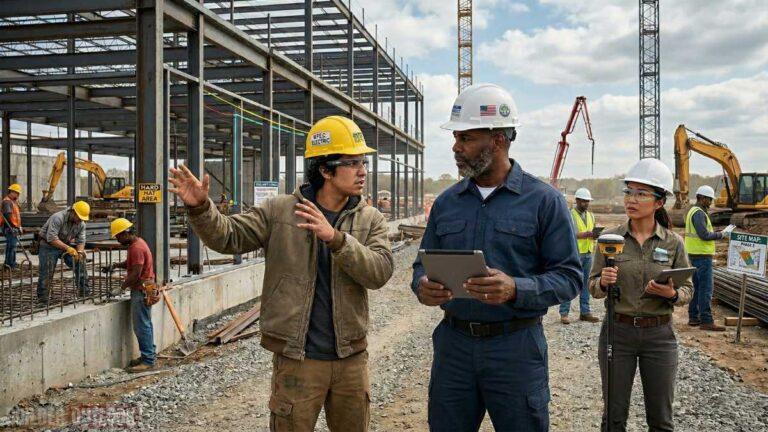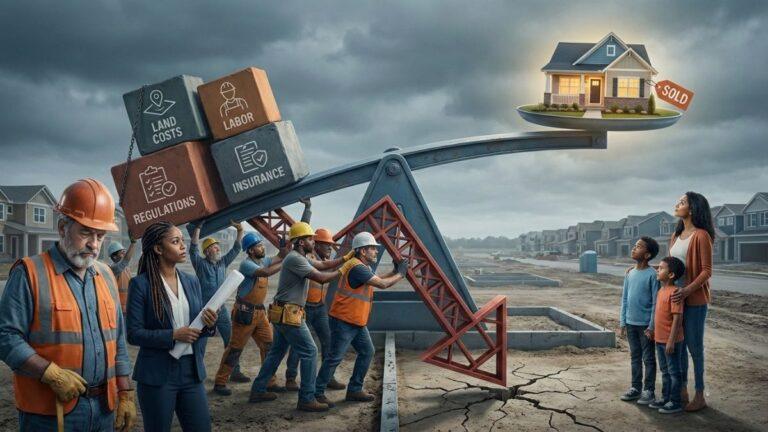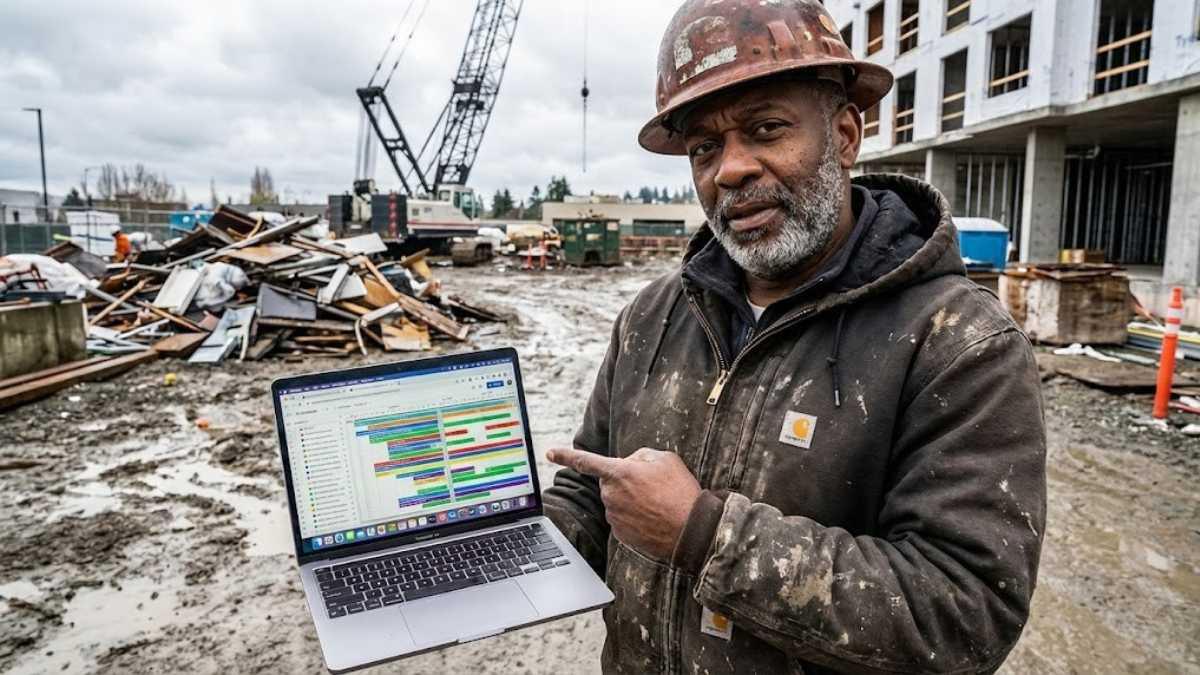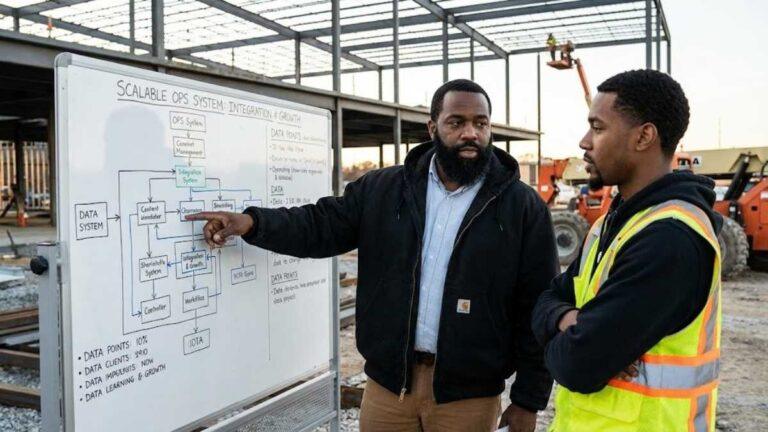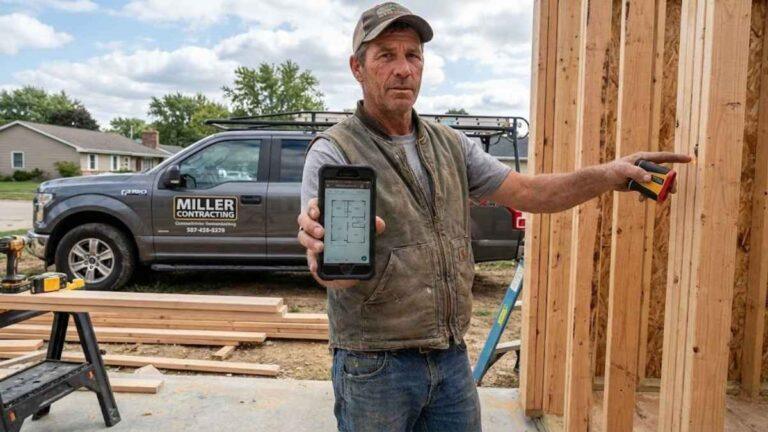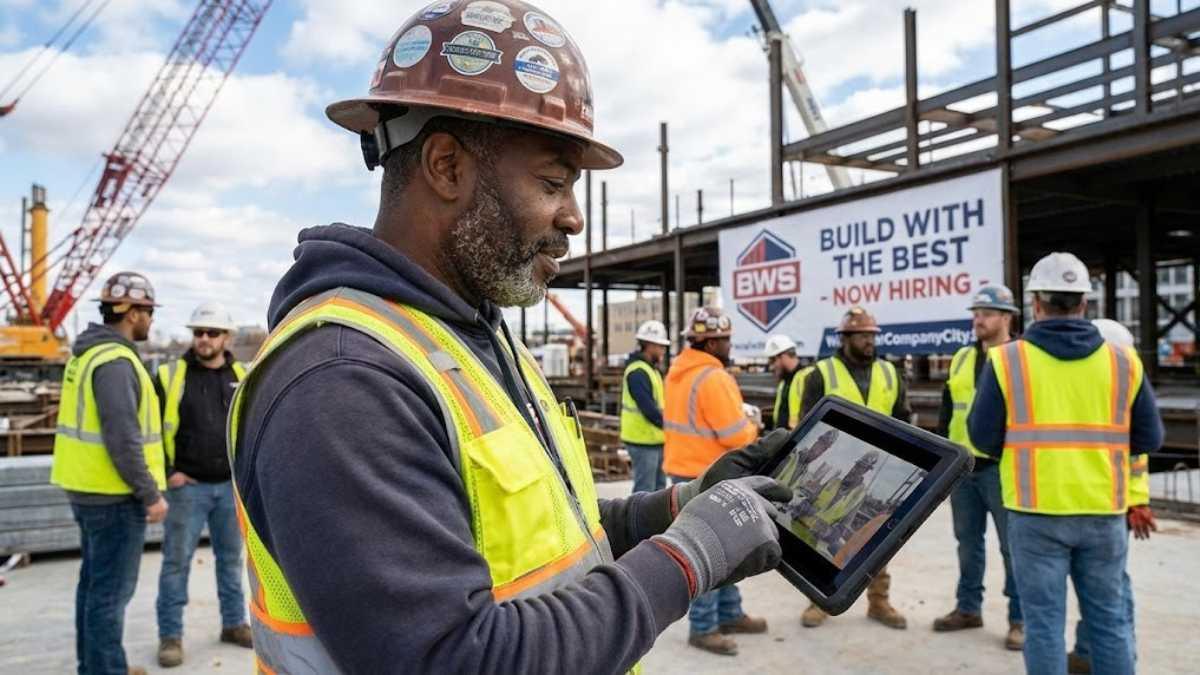
Employer branding has quietly become one of the most decisive competitive factors in the U.S. construction labor market. In 2026, skilled workers no longer choose employers based only on hourly pay or proximity to home. They evaluate contractors the same way clients do, by researching online presence, company reputation, jobsite culture, stability, and how leadership communicates expectations. Contractors who still believe hiring is solved by raising wages alone are discovering that money without trust does not create loyalty.
The labor shortage has shifted power toward workers, but not indiscriminately. Crews are selective. They talk to each other, compare companies, and avoid contractors with reputations for chaos, unsafe jobsites, poor planning, or inconsistent pay practices. Employer branding is no longer a “corporate” concept borrowed from white-collar industries. It has become a practical filter used daily by foremen, operators, electricians, and subcontractor crews deciding where to commit their time and skills.


How construction workers actually evaluate employers in 2026
Construction workers today evaluate employers long before they ever fill out an application. They search company names on Google, check reviews on Google Business profiles, scan social media posts, and ask peers directly about jobsite conditions and management behavior. This evaluation is informal but extremely effective, because workers trust peer experience more than official job descriptions.
A contractor with a clean, professional website, consistent branding, visible projects, and clear communication signals stability. This does not mean luxury branding or marketing language. It means clarity, organization, and seriousness. Workers interpret digital disorganization as operational disorganization. If a company cannot manage its online presence, workers assume it cannot manage schedules, materials, or payroll either.
Word spreads fast in local markets. One bad jobsite experience shared among crews can damage a contractor’s employer reputation for years. Conversely, contractors who consistently communicate expectations, respect schedules, and invest in safety build reputational momentum that attracts workers without constant recruiting pressure.
Why employer branding affects retention as much as hiring
Most contractors focus employer branding efforts on recruitment, but the real financial impact is retention. Workers who feel aligned with a company’s culture, leadership style, and project organization are far less likely to leave mid-project. In 2026, turnover is one of the most expensive hidden costs in construction, disrupting schedules, quality, and crew morale simultaneously.
Employer branding sets expectations before day one. When workers know what type of projects the company builds, how supervisors operate, and what standards are enforced, friction decreases. This alignment reduces early exits caused by mismatched expectations rather than performance issues.
Strong employer brands also give contractors leverage during difficult periods. When overtime increases or schedules tighten, workers are more willing to stay engaged if they trust leadership. That trust is not built during crises. It is built through consistent signals over time, both online and on site.
The role of leadership visibility in employer branding
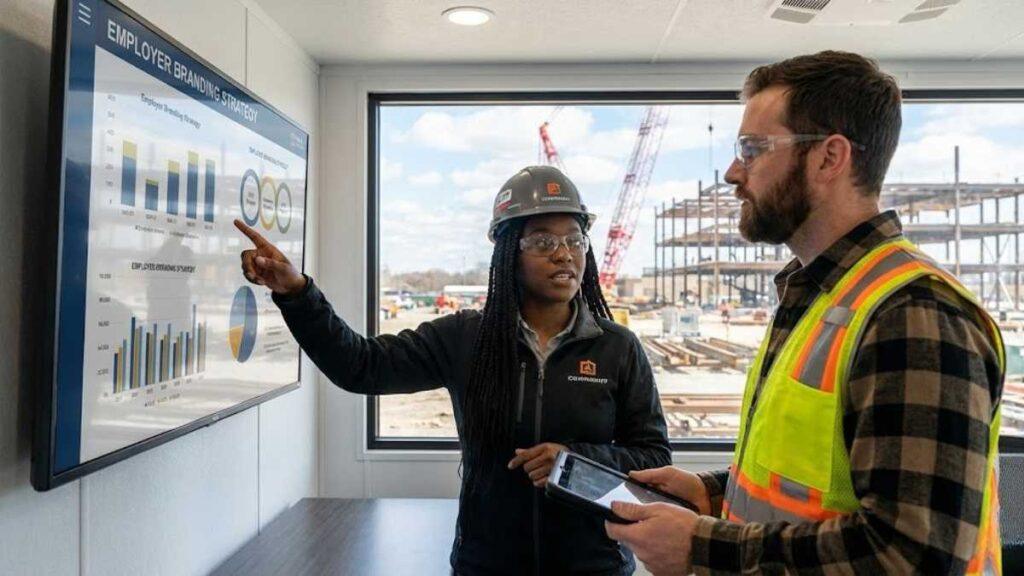
In construction, leadership visibility matters more than slogans. Crews want to see who runs the company, how decisions are made, and whether leadership understands field realities. Contractors who hide behind anonymous branding or generic messaging miss a critical opportunity to humanize the organization.
Visible leadership does not mean daily social media posts. It means occasional, authentic communication about projects, safety priorities, scheduling discipline, and expectations. Workers respond positively when leadership acknowledges challenges instead of pretending everything is perfect.
In competitive labor markets, contractors with visible, accountable leadership stand out. Workers do not expect perfection. They expect honesty, structure, and consistency. Employer branding that reflects those values creates long-term workforce stability rather than short-term hiring spikes.
Why employer branding is now a strategic advantage, not a soft skill
Employer branding directly affects a contractor’s ability to deliver work. Crews that trust management perform better, communicate issues earlier, and reduce rework. This translates into schedule reliability, quality control, and stronger client relationships.
In 2026, owners and developers increasingly pay attention to workforce stability when evaluating contractors. A company with high turnover and constant staffing issues represents execution risk. Employer branding indirectly influences bid competitiveness by signaling operational maturity to both workers and clients.
Contractors who invest in employer branding are not chasing trends. They are protecting execution capacity. In a market where skilled labor is the most constrained input, being the contractor people want to work for is a measurable business advantage.


FAQ – Employer branding for contractors: how crews choose where they work
1. What does employer branding mean in construction?
Employer branding in construction refers to how workers perceive a contractor as a place to work, based on reputation, leadership behavior, jobsite organization, safety culture, communication, and online presence rather than marketing slogans alone.
2. Do construction workers really research companies before applying?
Yes. Workers routinely search company names online, check reviews, view project photos, and ask peers about jobsite conditions before committing. Digital presence and word-of-mouth strongly influence their decisions.
3. How does employer branding reduce turnover?
Clear expectations and consistent communication attract workers who fit the company culture. This alignment reduces early exits caused by mismatched assumptions, which are a major driver of turnover in construction.
4. Is employer branding only important for large contractors?
No. Small and mid-sized contractors often benefit more because strong employer branding helps them compete with larger firms that offer higher pay but less personal leadership visibility.
5. What role does leadership play in employer branding?
Leadership behavior defines employer branding. Workers judge companies by how supervisors communicate, handle problems, and respect field realities. Visibility and accountability matter more than polished messaging.
6. Can employer branding help win projects?
Indirectly, yes. Stable crews and low turnover improve execution reliability. Owners and developers increasingly view workforce stability as a signal of reduced project risk.
7. How long does it take to build a strong employer brand?
Employer branding builds over time through consistent behavior. Digital improvements can show results quickly, but trust among crews develops through repeated positive jobsite experiences.
8. What is the biggest employer branding mistake contractors make?
Pretending culture is better than it actually is. Workers quickly detect inconsistencies between messaging and reality, which damages trust more than having no messaging at all.