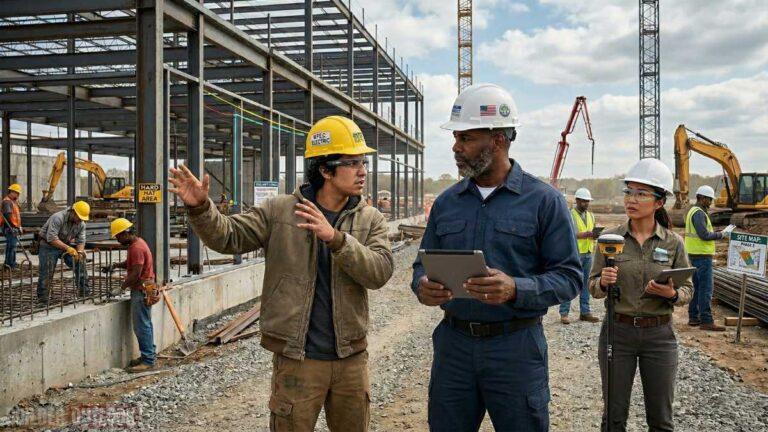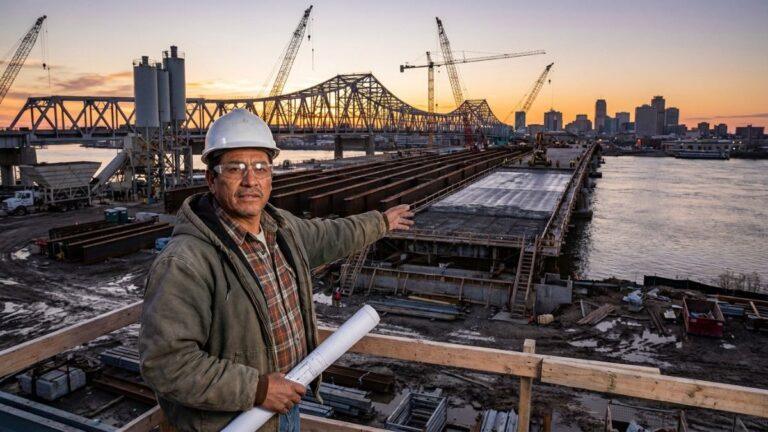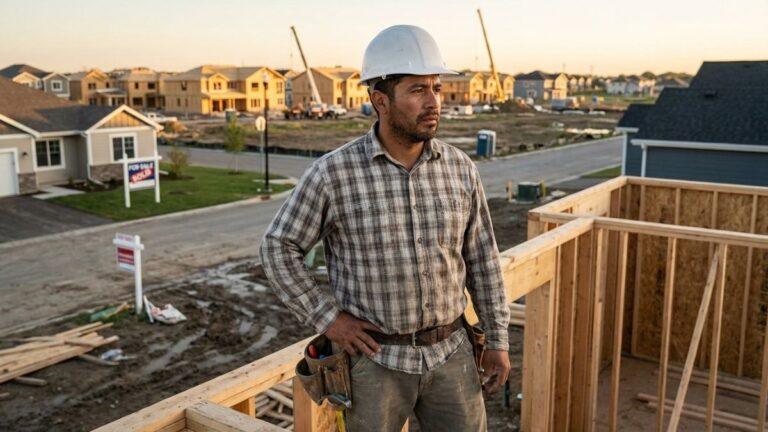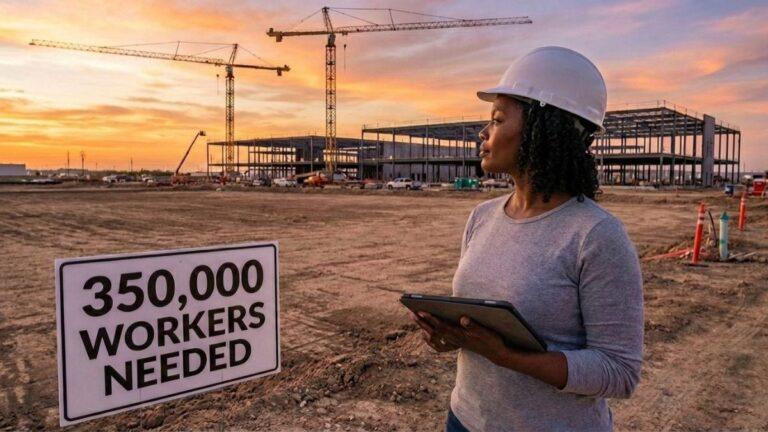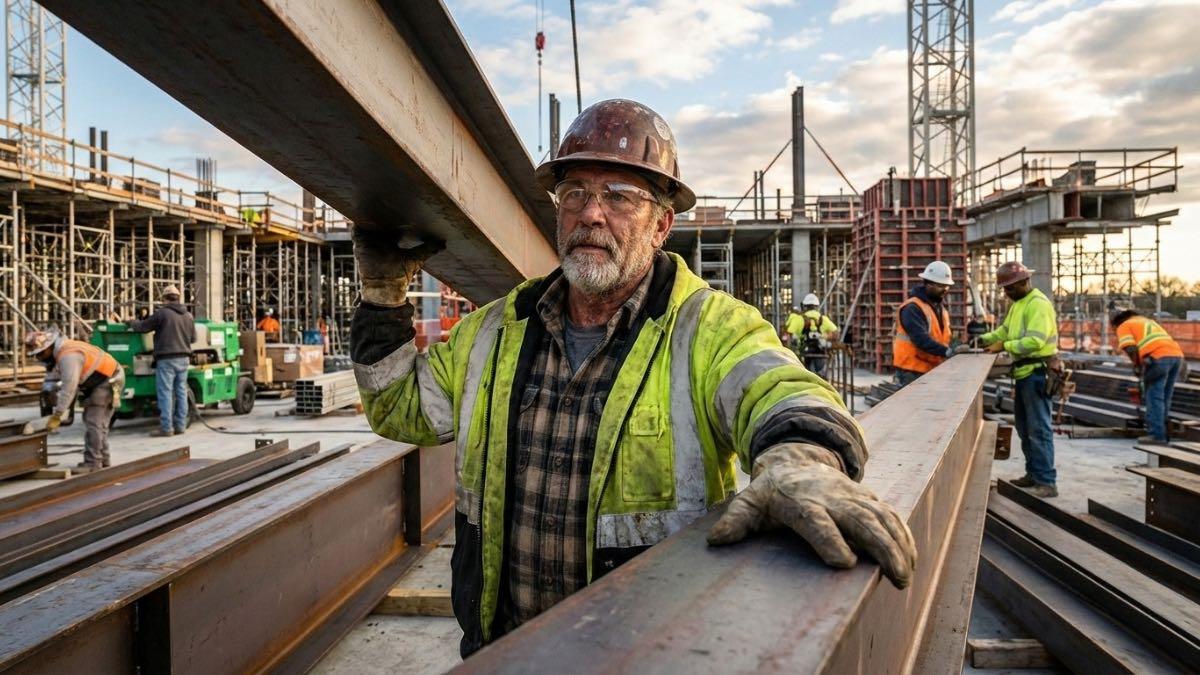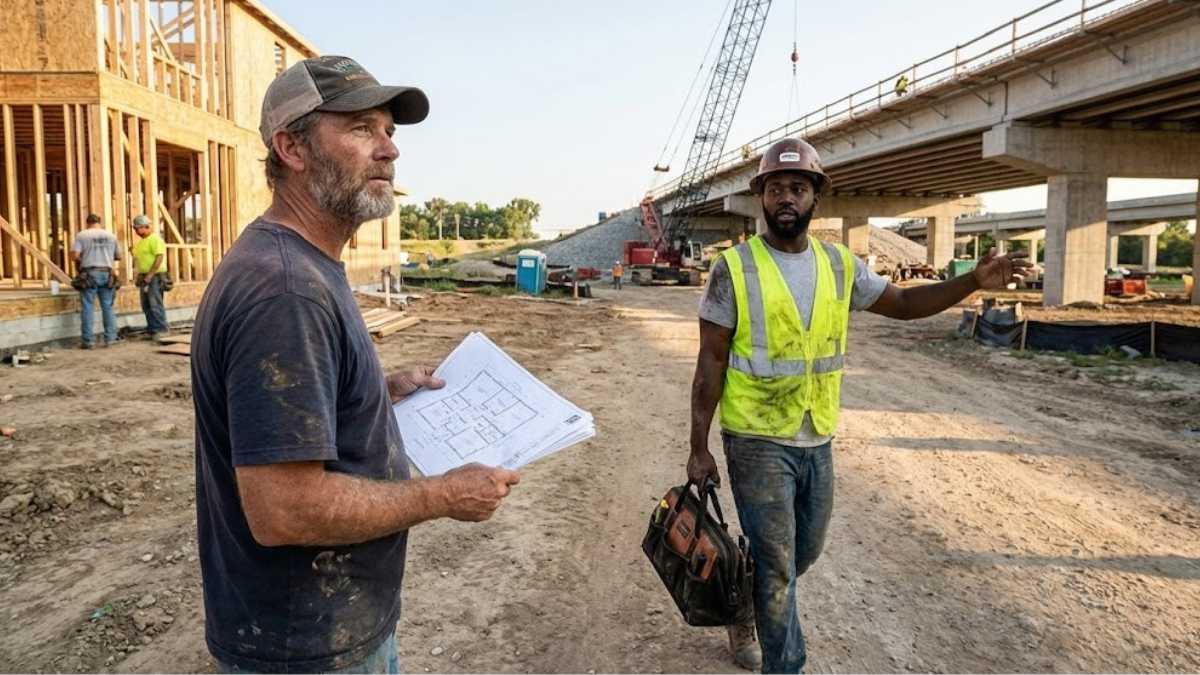
The labor imbalance reshaping construction in 2026 is not accidental, temporary, or evenly distributed. Infrastructure and industrial projects are absorbing workforce capacity at a scale residential construction cannot match. This shift is structural, driven by funding certainty, project duration, and risk profiles that favor large, capital-backed work over fragmented residential pipelines.
Residential contractors across the United States are feeling this pressure directly. Crews are harder to retain, subcontractors are prioritizing longer-term contracts, and wage escalation is accelerating even as housing starts remain uneven. The issue is not a lack of workers overall, but a redistribution of labor toward sectors offering stability and predictability.
Understanding why infrastructure and industrial demand are pulling labor away from residential work is essential for contractors trying to forecast capacity, price work correctly, and avoid schedule collapse.

Why infrastructure projects dominate labor decisions
Infrastructure projects offer something residential construction rarely can: long-term certainty. Federally and state-funded projects lock in multi-year timelines, predictable payment structures, and lower client volatility. For skilled trades, this translates into consistent hours, reduced downtime, and clearer income planning.
Workers prioritize stability over marginal wage differences. A slightly lower hourly rate on a guaranteed, multi-year infrastructure project often outweighs higher but inconsistent residential pay. This reality is reshaping labor allocation at every level, from union halls to independent subcontractors.
Once crews commit to infrastructure work, they rarely return quickly. The duration of these projects creates labor lock-in, reducing the available workforce pool for residential contractors for extended periods.
Industrial construction intensifies the pull
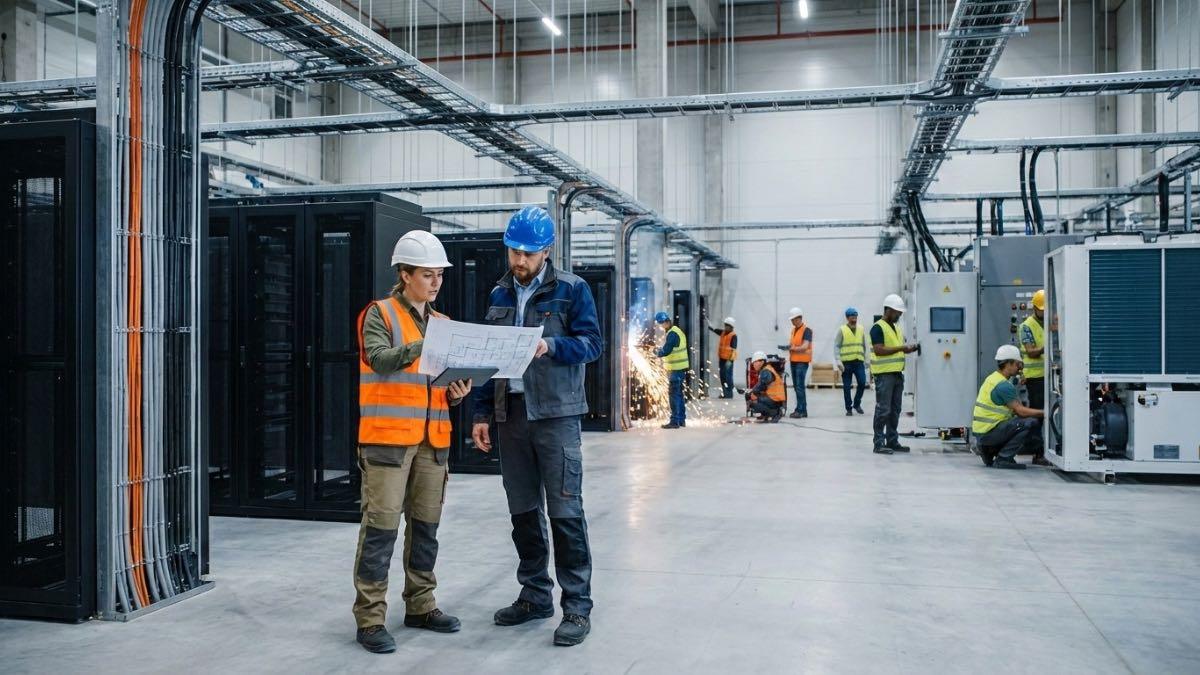
Industrial construction adds another layer of pressure. Data centers, manufacturing plants, logistics hubs, and energy facilities demand specialized skills and operate on aggressive schedules backed by institutional capital. These projects can absorb entire regional trade capacities almost overnight.
Unlike residential projects, industrial builds tolerate little schedule flexibility. Owners pay premiums to secure labor and enforce timelines, making them highly attractive to experienced crews. Subcontractors follow the money and the certainty.
As industrial pipelines expand in specific regions, residential contractors are left competing not only on price, but on risk tolerance, payment speed, and long-term visibility.
Why residential construction loses the labor competition
Residential construction remains fragmented. Short project durations, frequent change orders, financing volatility, and owner-driven delays make it inherently less predictable. Even in strong housing markets, work continuity is harder to guarantee.
This fragmentation discourages labor commitment. Crews cycle between builders, projects pause unexpectedly, and subcontractors face scheduling inefficiencies. Compared to infrastructure or industrial work, residential projects feel unstable, even when demand exists.
As labor options narrow, residential contractors are forced into reactive hiring, paying premiums without gaining loyalty or continuity.
Regional impacts amplify the shift
The labor pull is not uniform nationwide. Regions with heavy infrastructure investment or industrial expansion feel the effects most acutely. Residential contractors in these areas face sudden workforce shortages even when housing demand appears healthy.
This regional divergence creates misleading signals. Contractors may see strong housing indicators but still struggle to staff projects. The real competition is not other builders, but sectors with deeper capital and longer horizons.
Markets without major infrastructure pipelines feel the opposite effect, with labor oversupply and downward wage pressure.
Strategic consequences for residential contractors
Residential contractors must adapt to this new labor reality. Competing directly with infrastructure and industrial projects on wages alone is unsustainable. Stability, scheduling discipline, and reduced friction become differentiators.
Those who fail to adjust will experience chronic delays, margin erosion, and workforce churn. Those who understand the labor migration dynamic can reposition operations to retain talent even under pressure.
In 2026, labor follows certainty. Residential construction must learn to offer it.

FAQ – Why infrastructure and industrial demand is pulling labor away from residential
1. Why is labor leaving residential construction in 2026?
Because infrastructure and industrial projects provide longer timelines, stable funding, and predictable schedules that residential construction struggles to match.
2. Is this labor shift temporary?
No. It is driven by multi-year infrastructure funding and long-term industrial investment, making it structural rather than cyclical.
3. Why do workers prefer infrastructure projects?
They offer consistent work, fewer payment disruptions, and lower scheduling uncertainty compared to residential jobs.
4. How do industrial projects affect local labor markets?
They absorb large volumes of skilled labor quickly, reducing availability for residential contractors in the same region.
5. Can residential contractors compete on wages alone?
No. Wage competition without stability leads to margin erosion and does not guarantee retention.
6. Which regions feel this labor pull most strongly?
Regions with active infrastructure funding, data center development, manufacturing expansion, and logistics growth.
7. Why does residential construction feel unstable to workers?
Short project cycles, owner delays, financing uncertainty, and fragmented scheduling reduce predictability.
8. What should residential contractors change to retain labor?
Improve scheduling discipline, reduce downtime, streamline payments, and offer clearer project pipelines.