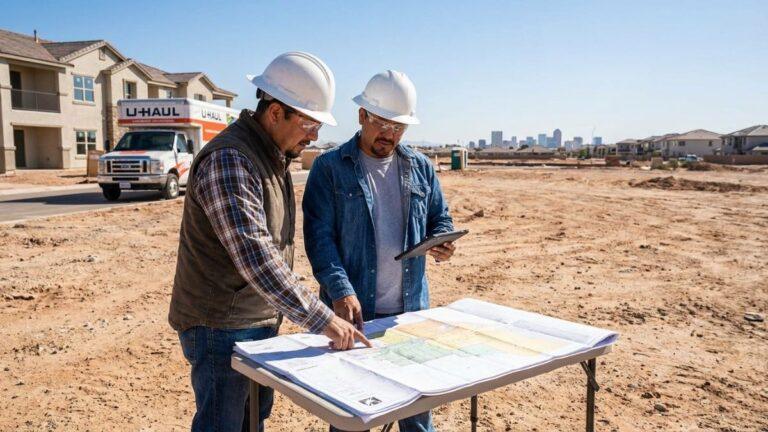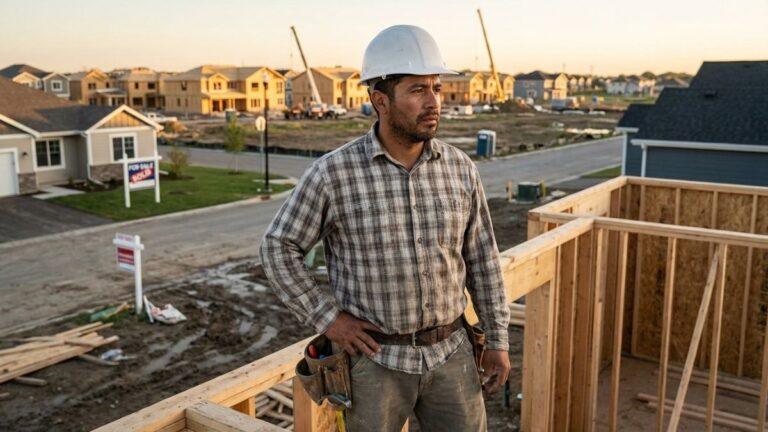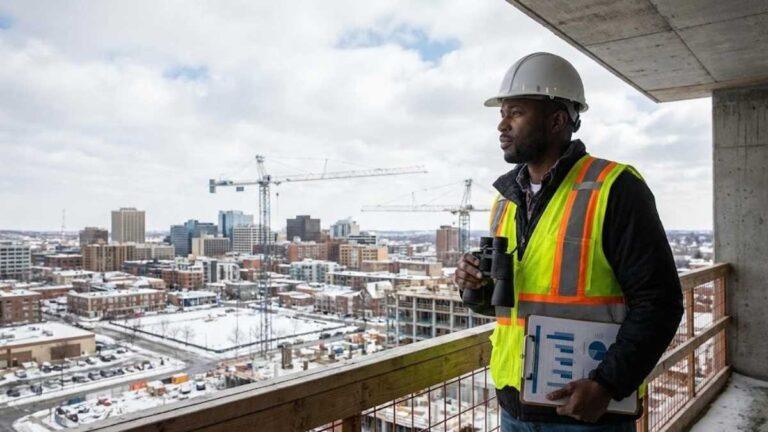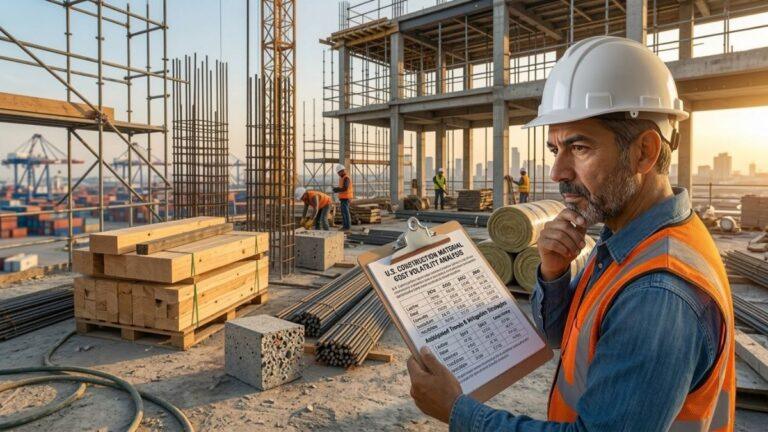
Construction demand in 2026 is not spreading evenly across the United States. It is concentrating. This concentration is not random, and it is not temporary. It is the result of long-term demographic shifts, infrastructure spending patterns, capital allocation strategies, and labor mobility that have been building for years. Contractors who fail to understand where demand is truly consolidating risk chasing volume in markets that look busy but lack structural support.
What matters now is not national growth headlines, but state-level fundamentals. Population movement, logistics infrastructure, industrial investment, energy projects, and public funding pipelines are determining which states will continue to generate reliable construction starts and which will experience stalled pipelines masked by planning activity.
In 2026, winning states are those where capital, labor, and policy are aligned, not just where permits are being filed.
Population migration is rewriting construction demand
Population growth remains one of the most powerful drivers of construction demand, but the nature of that growth has changed. States gaining population are not simply seeing more housing demand. They are seeing cascading effects across infrastructure, logistics, healthcare, education, and industrial development.
Southern and southeastern states continue to benefit from inbound migration driven by cost of living, tax structure, and employment growth. This migration fuels residential construction first, then expands into commercial and public sectors as services follow people. Contractors operating in these states benefit from diversified pipelines that reduce dependence on any single sector.
By contrast, states losing population may still show strong planning numbers, but starts increasingly lag. Demand exists on paper, but execution slows as financing tightens and long-term confidence weakens.
Industrial and infrastructure spending is clustering geographically
Federal and private investment in infrastructure, energy, manufacturing, and data centers is not evenly distributed. States with strong transportation corridors, power capacity, and pro-development policies are capturing a disproportionate share of this investment.
Industrial megaprojects pull supporting construction with them. Once a state becomes a hub for logistics, manufacturing, or energy, secondary construction accelerates in warehousing, utilities, housing, and services. Contractors in these regions experience sustained demand rather than short-term spikes.
States lacking infrastructure readiness may announce projects but struggle to convert announcements into starts, creating misleading signals for contractors evaluating expansion.
Labor availability amplifies regional winners
Labor follows opportunity, but not instantly. States already experiencing strong construction demand attract skilled labor faster than emerging markets, creating a reinforcing cycle. Contractors in these states benefit from deeper labor pools and more stable subcontractor ecosystems.
In contrast, regions with rising demand but limited labor availability experience cost inflation and schedule instability that suppress actual starts. Demand may exist, but execution becomes unpredictable, discouraging owners from moving forward.
Labor concentration is now a decisive factor in which states truly win.
Financing confidence varies sharply by region
Lenders are increasingly selective about geography. States with diversified economies, population growth, and stable policy environments receive faster financing approvals and more favorable terms. This accelerates starts and shortens preconstruction timelines.
In weaker regions, projects face extended underwriting, higher equity requirements, or delayed commitments even when demand appears strong. Contractors misinterpret this as temporary hesitation rather than structural caution.
Understanding lender behavior at the state level is now essential to forecasting real demand.
Strategic takeaway for contractors
Contractors chasing growth in 2026 must evaluate states not by headlines, but by execution reality. Winning states show alignment between population trends, infrastructure readiness, labor availability, and financing confidence. These markets generate work that actually breaks ground, not just fills pipelines with plans.
Expansion decisions should prioritize states where demand converts reliably into starts, schedules hold, and margins remain defensible under pressure.

FAQ – The states winning in 2026: where demand is concentrating
1. Why is construction demand concentrating instead of spreading evenly?
Because capital, labor, and infrastructure investment are flowing toward states with aligned economic, demographic, and policy fundamentals.
2. Are population growth states always safer markets?
Not automatically. Population growth must be supported by infrastructure, financing access, and labor availability to convert into real construction starts.
3. Why do some states look busy but fail to start projects?
Planning activity often outpaces financing confidence and labor readiness, creating inflated pipeline perceptions without execution.
4. How does infrastructure spending affect state-level demand?
Infrastructure investment attracts industrial and commercial development, creating sustained multi-sector construction demand.
5. Why does labor availability matter at the state level?
Without sufficient skilled labor, rising demand leads to cost inflation and delays that discourage project starts.
6. How are lenders influencing regional winners?
Lenders favor states with stable growth and diversified economies, accelerating approvals and project launches.
7. Should contractors expand into emerging states?
Only if execution fundamentals are proven, not based solely on announcements or permit volume.
8. What is the biggest mistake contractors make when choosing markets?
Confusing planning volume with start reliability and underestimating labor and financing constraints.