In 2026, value engineering in construction has quietly shifted from a collaborative optimization exercise into a defensive strategy driven by fear of volatility. Owners are no longer asking for value engineering to improve efficiency or innovation. They are asking for it to survive uncertainty. This change fundamentally alters how contractors, designers, and suppliers must approach scope, pricing, and performance.
When owners feel exposed to cost swings, financing pressure, and schedule instability, value engineering stops being about “better solutions” and becomes about “risk containment.” That difference matters. Decisions are made faster, tolerance for experimentation shrinks, and any option that introduces unknowns is viewed with suspicion. Contractors who fail to recognize this mindset misread owner intent and end up in conflict, rework, or stalled approvals.
Why volatility changes the psychology of value engineering
Volatility reshapes decision behavior. Owners who lived through recent cycles of escalation, delayed deliveries, and financing stress now prioritize predictability over optimization. They prefer known systems, proven suppliers, and conservative substitutions even if those choices are not the cheapest on paper.
In this environment, value engineering requests often arrive late and under pressure. Budgets tighten. Lenders demand certainty. Insurance costs rise. The owner’s primary question becomes simple: “What reduces exposure.” Contractors who present value engineering as cost cutting without addressing risk perception miss the real objective.



Cost certainty replaces innovation as the dominant driver
In 2026, innovative alternatives struggle unless they demonstrate clear, immediate certainty. Owners resist unfamiliar materials, new assemblies, or novel sequencing if performance history is unclear. Even when alternatives promise savings, uncertainty around lead times, warranties, or maintenance disqualifies them.
Value engineering proposals that succeed are those that simplify logistics, shorten schedules, reduce interfaces, and limit coordination complexity. Complexity equals risk. Risk equals rejection.
Lead times and availability dominate value engineering outcomes
Material availability and delivery reliability now outweigh unit cost in most value engineering decisions. An option that saves money but introduces lead time risk is often dismissed. Owners prefer solutions that are available locally, stocked regionally, or sourced from stable domestic suppliers.
This is especially visible in markets like Florida, Texas, California, Georgia, and Arizona, where supply chain pressure intersects with labor shortages and insurance volatility. GEO awareness is critical. What works in one region fails in another.
Value engineering becomes a schedule protection tool
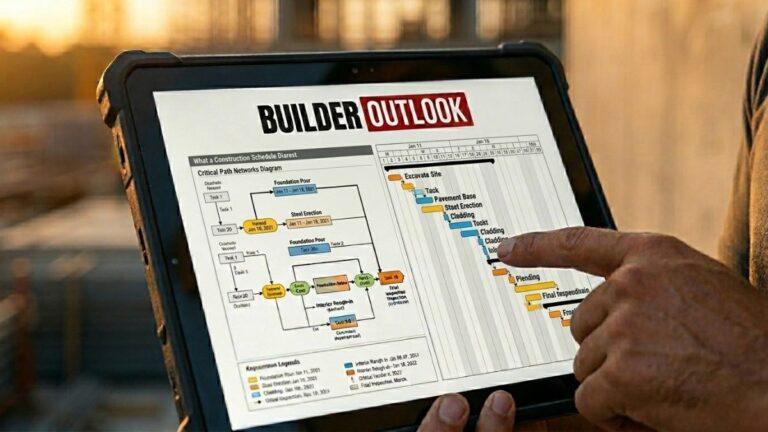
Schedules are fragile in 2026. Owners understand that every substitution affects sequencing, inspections, and commissioning. Value engineering proposals that protect critical path activities are favored even if savings are modest.
Contractors who frame value engineering around schedule resilience gain trust. Those who focus only on cost appear disconnected from execution reality.
Designers feel pressure to defend specifications
Design teams face tension between preserving intent and accommodating owner fear. When volatility is high, designers are often forced to revisit specifications not because they are flawed, but because the market cannot reliably support them.
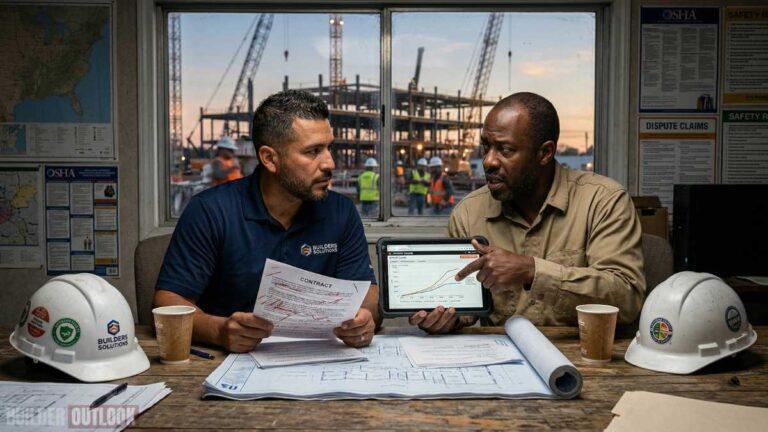
This dynamic creates friction. Value engineering meetings become negotiation arenas rather than technical reviews. Clear documentation and performance equivalency become essential to avoid disputes.
Risk transfer hides inside value engineering language
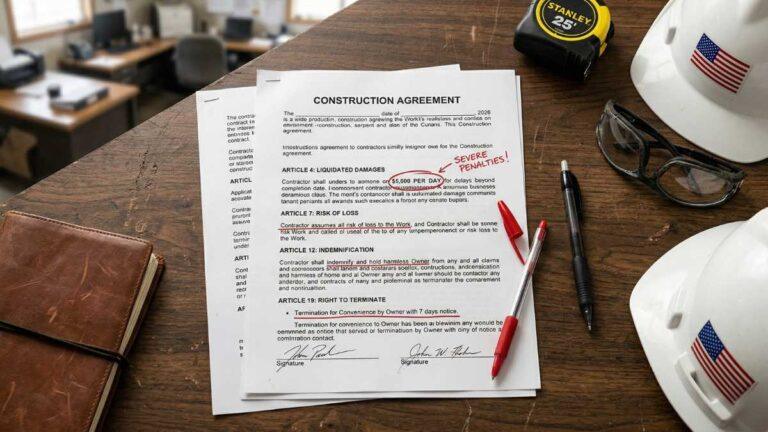
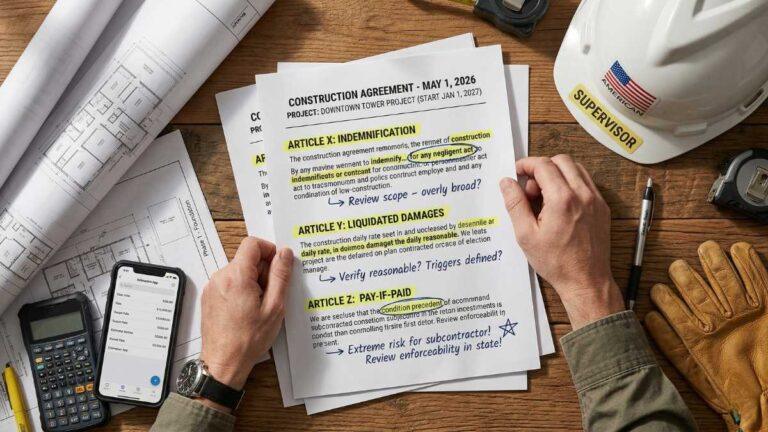
In 2026, value engineering often shifts risk quietly. Substitutions change warranties. Simplified assemblies alter liability. Alternative suppliers change quality control responsibility.
If these shifts are not clearly documented, disputes emerge later. Owners assume savings did not change risk. Contractors discover exposure only during execution.
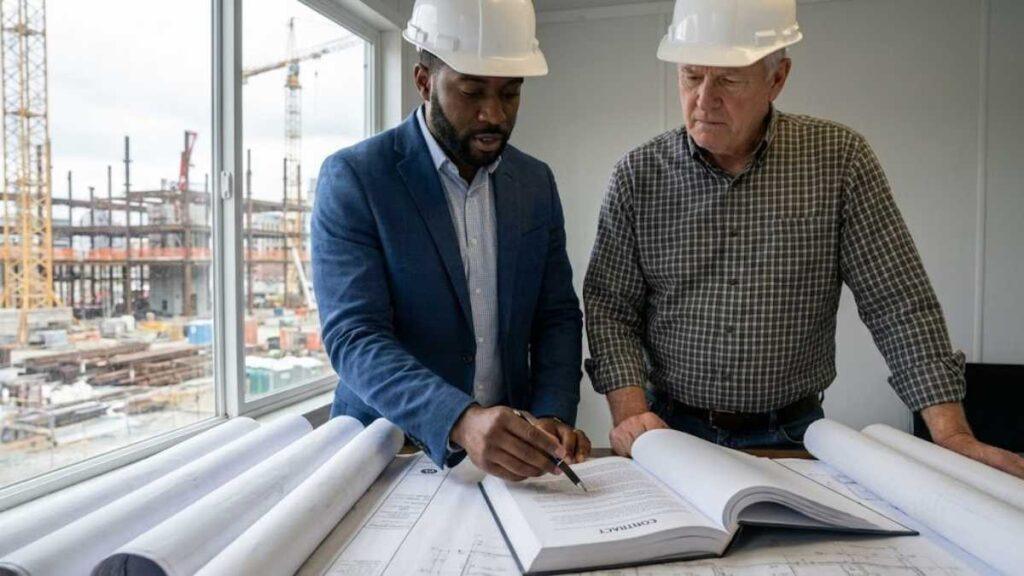
Contractors must change how they present value engineering
Successful contractors lead with risk analysis, not just savings. They explain lead time stability, labor impact, inspection complexity, and long-term maintenance implications. They align proposals with lender and insurer expectations.
Value engineering becomes a credibility test. Contractors who understand the owner’s fear environment become advisors. Those who push cost cuts without context become adversaries.
GEO volatility amplifies value engineering pressure
Regional volatility magnifies owner anxiety. Coastal insurance markets, infrastructure competition in the Southeast, regulatory scrutiny in California and New York, and labor migration in Texas all influence value engineering outcomes.
Generic solutions fail. Region-specific strategies win.
The hidden cost of rushed value engineering
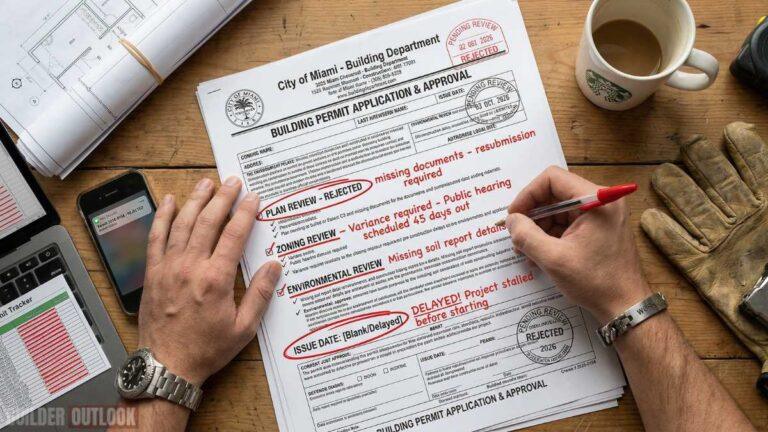
Late-stage value engineering driven by fear often creates downstream costs. Rushed approvals, incomplete coordination, and undocumented assumptions surface later as delays, claims, and performance disputes.
In 2026, disciplined value engineering is not optional. It is a core risk management function.
Advertising


FAQ – Value Engineering Under Volatility In 2026
1. Why does value engineering feel more defensive in 2026?
Value engineering feels defensive because owners are reacting to volatility in costs, schedules, financing, and insurance. Instead of optimizing performance, they prioritize predictability and risk reduction across the entire project lifecycle.
2. Why do owners reject innovative alternatives more often now?
Innovative alternatives introduce uncertainty. In volatile markets, owners prefer proven systems with known performance, availability, and warranty behavior, even if potential savings are lower.
3. How do material lead times influence value engineering decisions?
Lead times now outweigh unit price. Owners favor options with reliable delivery, local availability, and stable supply chains to protect schedules and reduce exposure.
4. Why is schedule protection more important than cost savings?
Schedules drive financing, insurance duration, and revenue timing. Value engineering that protects critical path activities reduces overall project risk more effectively than marginal cost savings.
5. How does value engineering shift risk unintentionally?
Substitutions can change warranties, quality responsibility, inspection requirements, and maintenance exposure. Without clear documentation, risk transfers occur silently and create disputes later.
6. Why do regional factors matter so much in value engineering?
Labor markets, insurance conditions, regulations, and supply chains vary by region. GEO-specific volatility determines whether a value engineering option is viable or dangerous.
7. What mistakes do contractors make during value engineering?
The biggest mistake is focusing on cost alone without addressing risk perception, lead time stability, schedule impact, and long-term performance implications.
8. How should contractors present value engineering in 2026?
Contractors should lead with risk analysis, explain execution implications, align proposals with lender and insurer expectations, and document assumptions clearly.