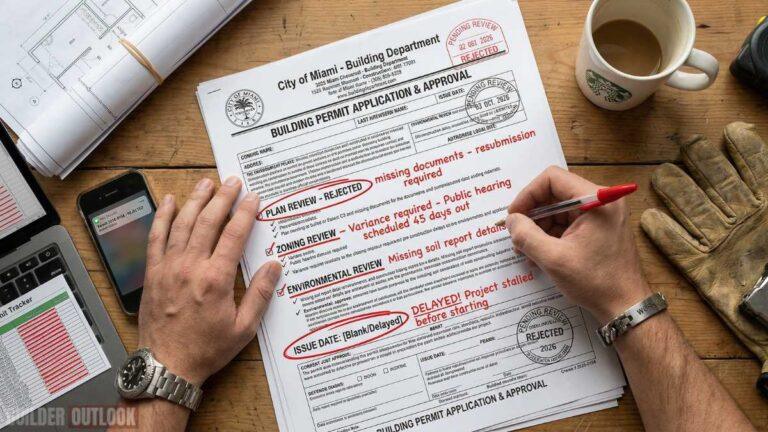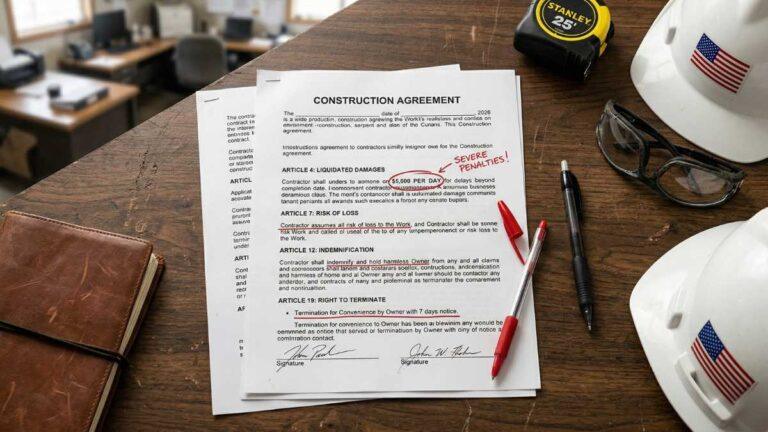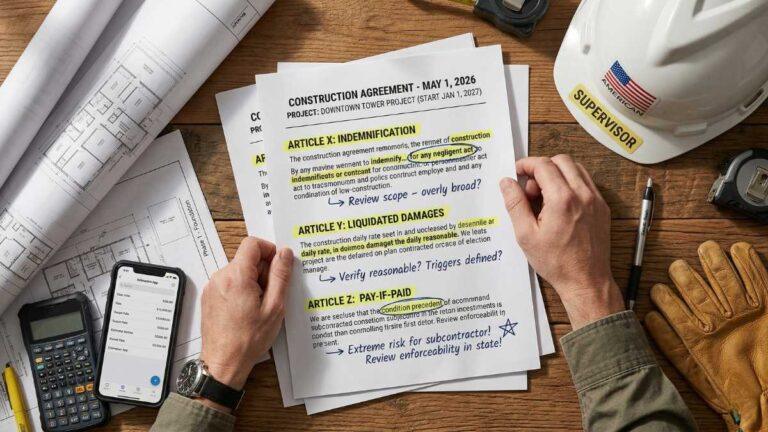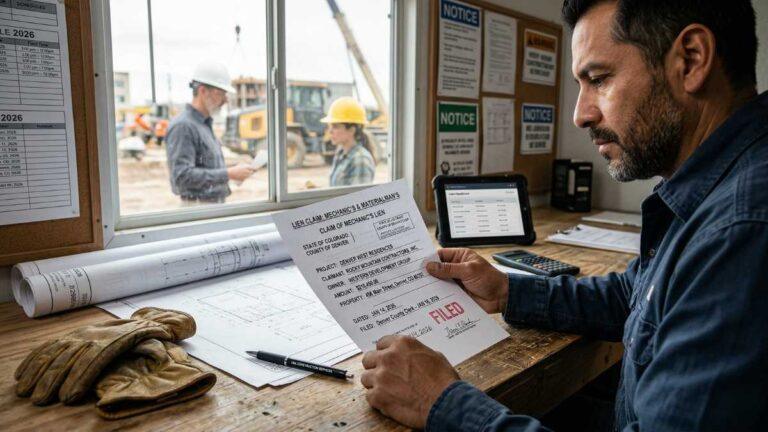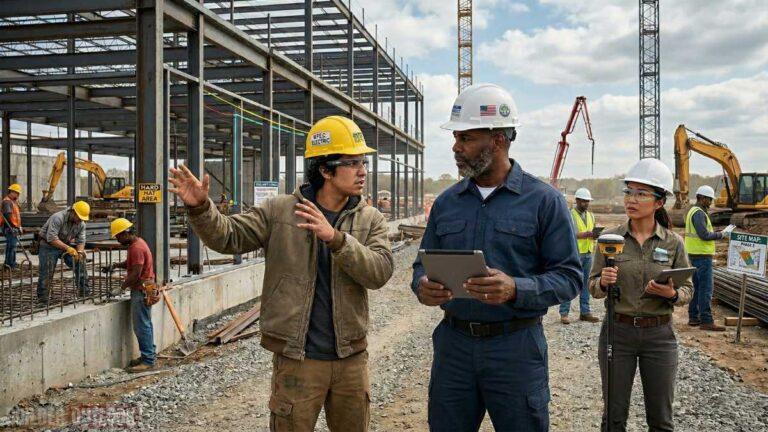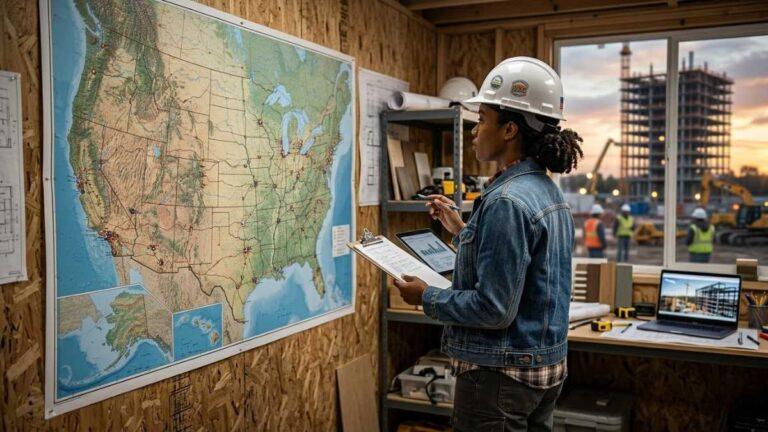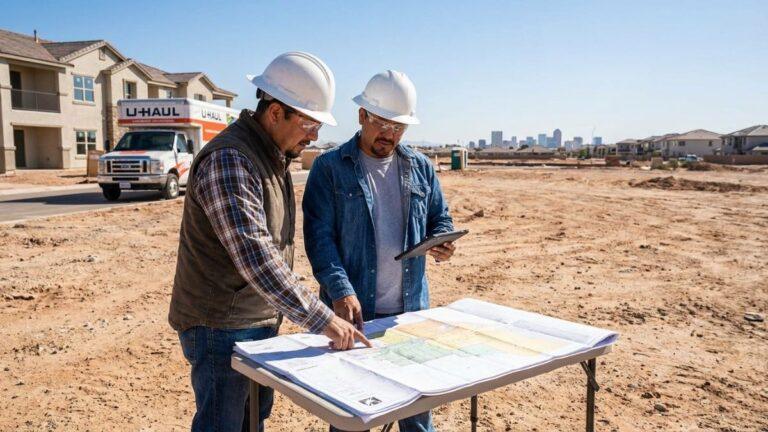
In 2026, the next wave of construction disputes in the United States is not going to begin with a bad pour, a missed inspection, or a jobsite argument between trades. It is going to begin earlier, quieter, and far more expensively. It is going to begin inside the estimate.
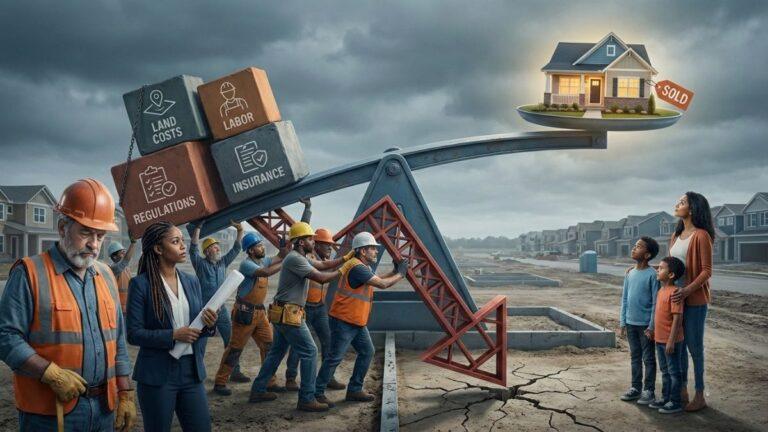
This shift is happening because the construction environment that used to support “good enough” estimating no longer exists. Volatility is structural. Lead times change mid-procurement. Labor availability moves faster than schedules. Insurance and compliance costs are no longer predictable. Owners demand certainty, lenders demand documentation, and subcontractors protect themselves with qualifications that can turn into conflict later.
When that reality collides with estimates built on optimistic assumptions, disputes become inevitable. The jobsite does not create the conflict. The jobsite simply exposes it.
Why estimating is now the most litigated phase of a project
Historically, disputes were framed as execution failures. In 2026, many of those “execution failures” are actually estimate failures that were baked in months earlier. A schedule that assumed stable lead times becomes a delay claim. A budget that assumed labor availability becomes a productivity claim. An allowance that hid scope ambiguity becomes a change order war.
Estimating is where risk is either acknowledged and priced, or ignored and postponed. When risk is postponed, it returns later as conflict, usually with attorneys, consultants, and a paper trail nobody wants.
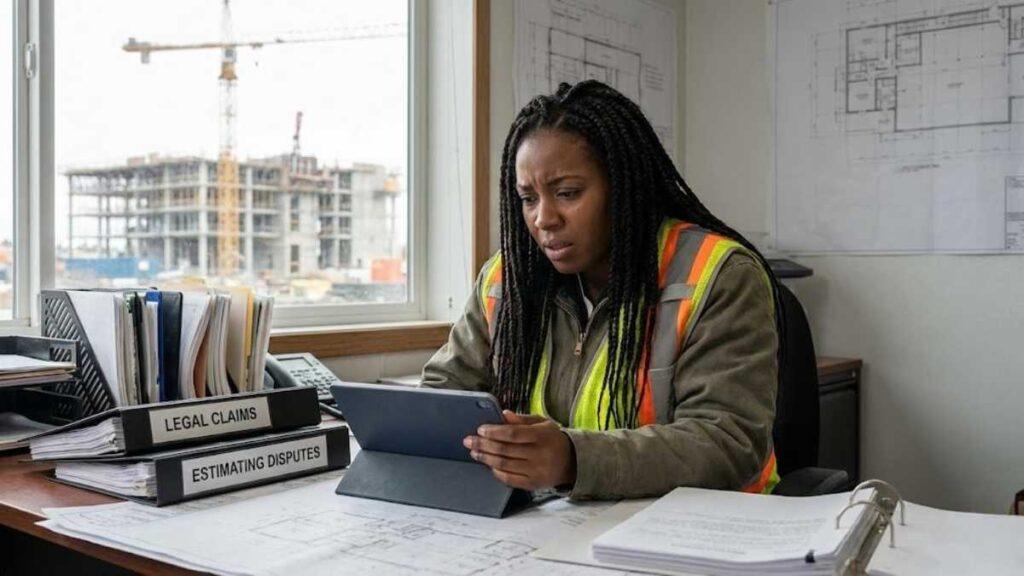
The estimate is no longer a number, it is a set of promises
Owners interpret bid numbers as commitments. They assume the estimate reflects real procurement conditions, real labor capacity, and real sequencing constraints. Contractors often know the truth is more conditional, but they still submit a clean number because competition punishes transparency.
That gap between what the estimate implies and what the project reality delivers is where disputes now form. The estimate becomes Exhibit A. Emails become Exhibit B. Meeting notes become Exhibit C. The jobsite becomes the courtroom.
Why scope definition is collapsing under speed and complexity
Design packages are often incomplete when pricing is requested. “Issued for pricing” sets are treated as near-final even when details are missing. Trades price based on interpretation. Estimators fill gaps with allowances. Owners assume those allowances cover the real scope. Then procurement begins, and the truth emerges.
In 2026, scope ambiguity is not a rare problem. It is a normal condition. The dispute begins when parties pretend ambiguity is certainty.
Escalation, substitutions, and value engineering are fueling conflict
Material volatility forces more substitutions. Owners push value engineering harder. Subcontractors request escalation protections. General contractors attempt to hold owner budgets while protecting subcontractor relationships.
When escalation language is vague, the estimate becomes the battleground. If escalation was assumed but not disclosed, the contractor is accused of underbidding. If escalation was disclosed but not accepted, the owner claims bad faith. If substitutions change performance or lead times, the design team pushes back. Disputes begin with estimating assumptions, not jobsite performance.
Regional GEO pressure makes estimating disputes worse
In competitive markets like Florida, Texas, California, Arizona, Georgia, and New York, the dispute risk is amplified. Insurance is heavier in Florida and California. Labor competition is intense in Texas and the Southeast. Compliance and documentation burdens rise in New York and certain California jurisdictions.
Estimators who use national averages in GEO-sensitive markets create mismatch. That mismatch becomes claims, delay disputes, and scope fights that look like “project issues” but originate from regional estimating assumptions that were never aligned.
Why subcontractor qualifications are turning into disputes later
Subcontractors increasingly submit proposals with exclusions, clarifications, and conditional lead times. Those terms get lost in the rush to compile a bid day number. When the project is awarded, someone discovers that “included” was never truly included.
Then the argument begins. The general contractor believes it is covered. The subcontractor points to the qualification. The owner claims the GC should have known. The dispute begins at estimating intake and review, not at installation.
What contractors must change to avoid the dispute cycle
Contractors who want fewer disputes in 2026 must treat estimating as risk engineering, not spreadsheet assembly. They must document assumptions, align scope gaps early, track subcontractor qualifications systematically, and communicate GEO-specific constraints to owners before the contract is signed.
The contractors who win long-term are not the cheapest. They are the clearest. In 2026, clarity is the most defensible position in construction.


FAQ – Why disputes start in estimating in 2026
1. Why will more construction disputes start in estimating in 2026?
Because volatility in costs, labor, lead times, insurance, and scope clarity makes estimates heavily assumption-driven. When those assumptions are not documented, priced correctly, or aligned with owner expectations, the project reality exposes gaps that quickly turn into claims and disputes.
2. How does scope ambiguity in pricing sets create disputes later?
Pricing sets often lack details, forcing estimators and trades to interpret intent. Allowances and assumptions fill the gaps, but owners frequently treat the bid as a complete commitment. When final scope is clarified, change orders surge and conflict begins around what was “included.”
3. Why are escalation clauses and material volatility driving conflict?
Escalation is now normal, not exceptional. If escalation assumptions are hidden inside a number, owners feel blindsided later. If escalation is disclosed but contract language is vague, parties fight over triggers, timing, and proof, turning procurement pressure into legal disputes.
4. What role do subcontractor exclusions and qualifications play?
Subcontractors protect themselves with exclusions, conditional lead times, and clarifications. If general contractors fail to capture and align these terms during estimating, the project award creates a mismatch. That mismatch turns into scope fights, backcharges, and delay claims.
5. Why do GEO conditions increase estimating dispute risk in the U.S.?
Regional markets behave differently. Insurance pressure in Florida, labor competition in Texas and Georgia, regulatory burdens in New York, and permitting friction in California can invalidate national assumptions. Estimates that ignore GEO realities create budget and schedule gaps that fuel disputes.
6. How can general contractors reduce disputes originating from estimating?
They can document assumptions clearly, create scope matrices, track subcontractor qualifications, confirm lead time realities, and align escalation language early. When owners understand what is priced and why, projects face fewer surprise conflicts and fewer claim-driven negotiations.
7. Why does “bid day speed” make disputes more likely?
Speed reduces review quality. Qualifications get missed, scope gaps get glossed over, and optimistic assumptions remain unchallenged. Those shortcuts create a clean bid number but a fragile project foundation. The dispute is delayed, not avoided.
8. What is the biggest estimating mistake contractors make in 2026?
The biggest mistake is treating the estimate like a single number instead of a risk narrative. When the estimate does not reflect realistic procurement conditions, labor constraints, and GEO-specific pressures, the project becomes a disagreement waiting to happen.