What U.S. builders must prepare for now — not later
The construction industry in the United States is entering 2026 under intense pressure — and unprecedented opportunity.
Costs remain volatile.
Labor shortages are real.
Technology is accelerating faster than most companies can adapt.
And clients are more selective, informed, and demanding than ever.
2026 will not reward companies that “wait and see.”
It will reward builders who prepare, adapt, and position themselves correctly.
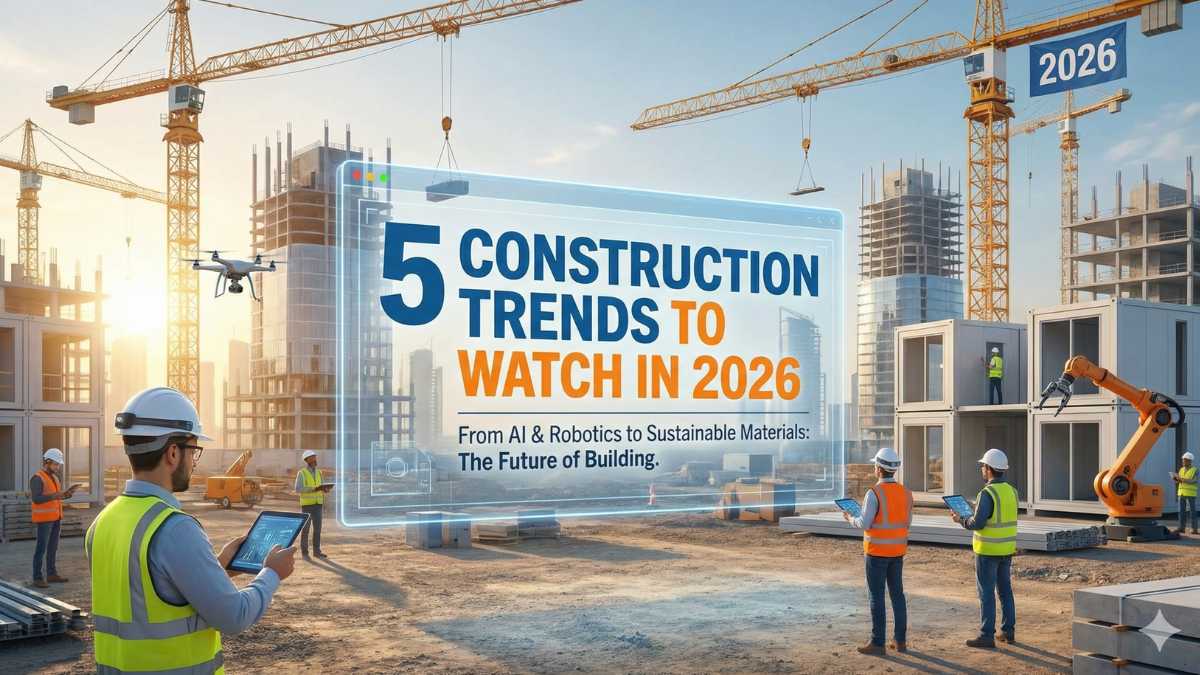
This article breaks down the five most important construction trends shaping 2026, based on what executives, developers, and contractors across the U.S. are already watching — and acting on.
More importantly, it explains what these trends mean in practice for builders, contractors, and construction companies operating in highly competitive regional markets.
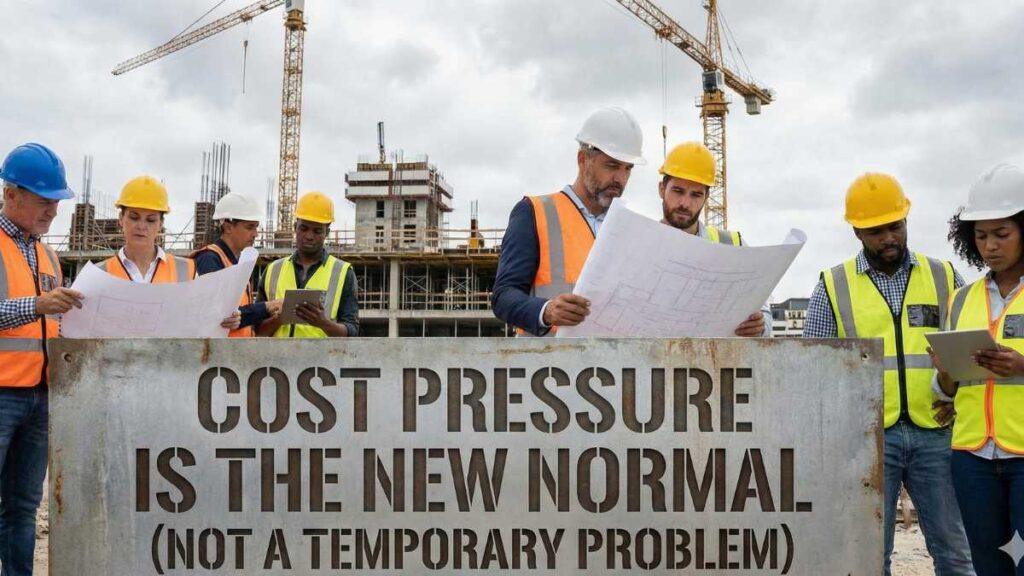
Trend #1 — Cost pressure is the new normal (not a temporary problem)
In 2026, construction costs are no longer “stabilizing.”
They are structurally unpredictable.
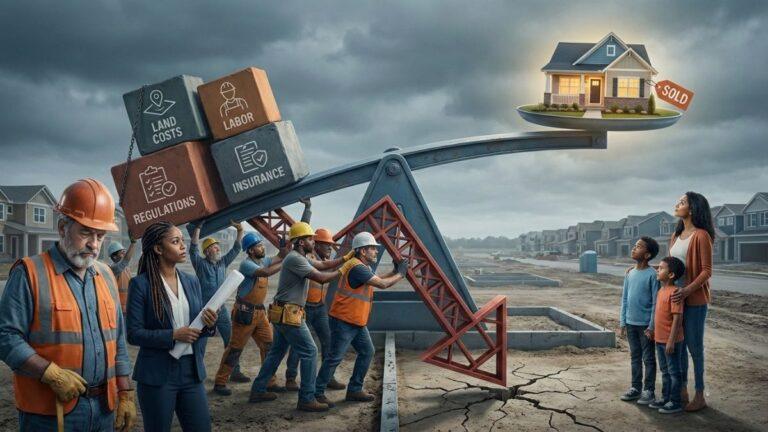
Material pricing, insurance, compliance costs, financing rates, and subcontractor availability continue to fluctuate across the United States — especially in fast-growth states like Texas, Florida, Arizona, Georgia, and North Carolina.
What executives understand — and many small and mid-size contractors still underestimate — is this:
Cost pressure is not a phase. It’s the new baseline.
What this means for builders:
• Tighter margins are permanent;
• Estimation errors are more expensive than ever;
• Clients scrutinize proposals more aggressively;
• Contractors with weak positioning get squeezed on price.
In this environment, companies that look disorganized or unclear online are instantly perceived as higher risk — and risk-sensitive clients do not negotiate with uncertainty.
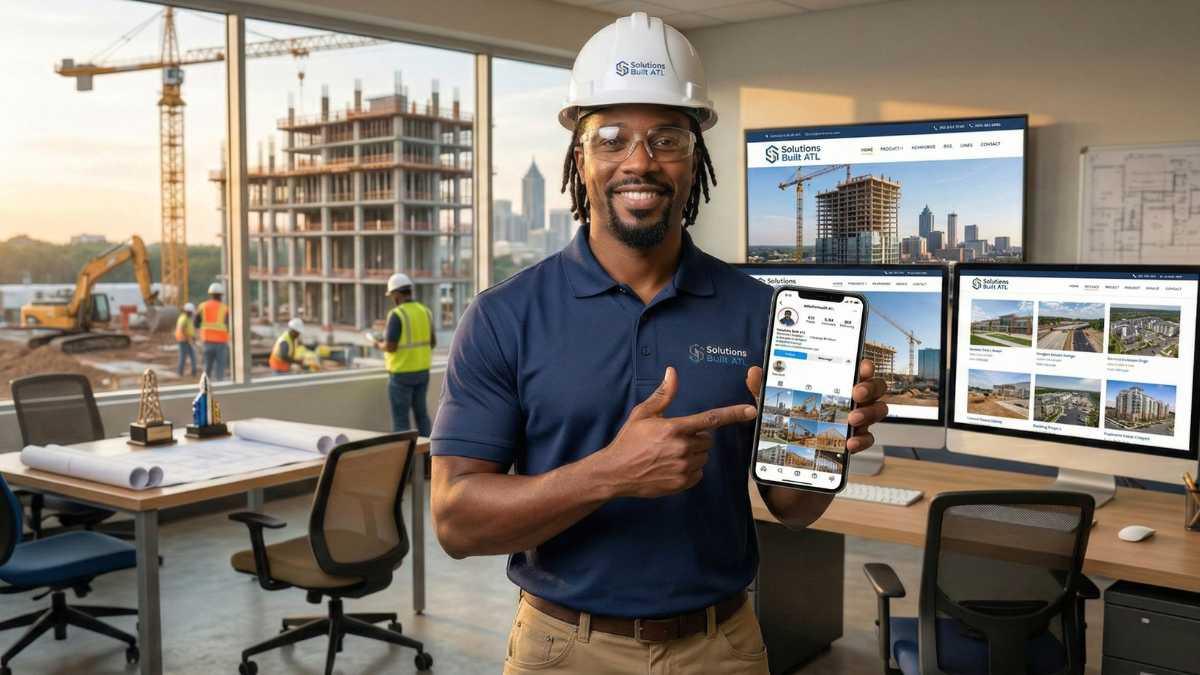
This is why, in 2026, branding and clarity are no longer “marketing topics.”
They are risk-reduction tools.
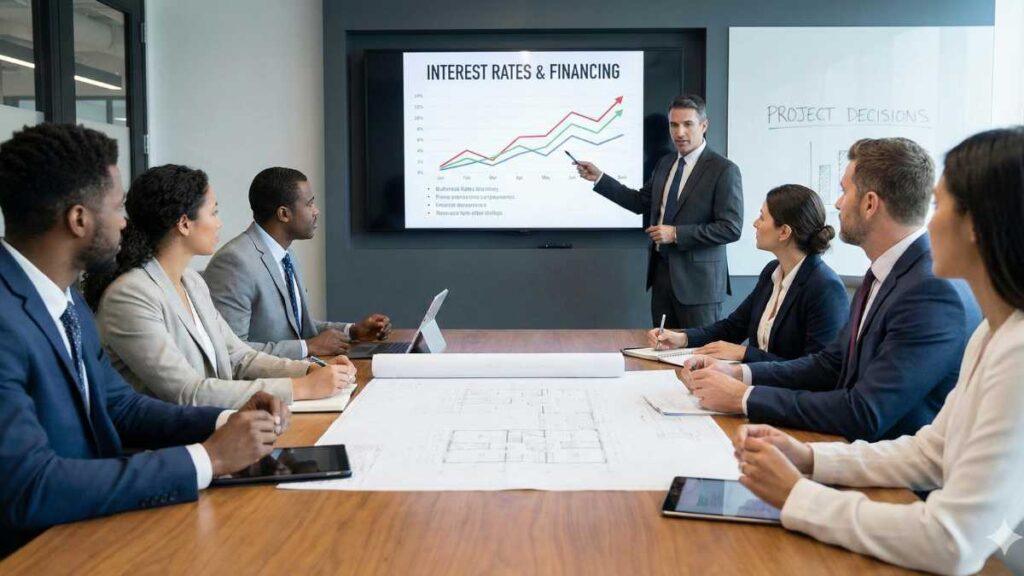
Trend #2 — Interest rates and financing shape project decisions
Interest rates remain one of the most influential variables in construction decision-making.
Even when rates pause or slightly decline, developers and clients remain cautious, especially for large residential, commercial, and infrastructure projects.
In practical terms:
• Projects take longer to approve;
• Clients compare contractors more thoroughly;
• Trust and perceived stability matter more than price alone;
Contractors who rely on referrals only are exposed.
Contractors with strong digital presence, clear messaging, and authority positioning reduce friction in financing conversations.
When capital is cautious, confidence becomes currency.
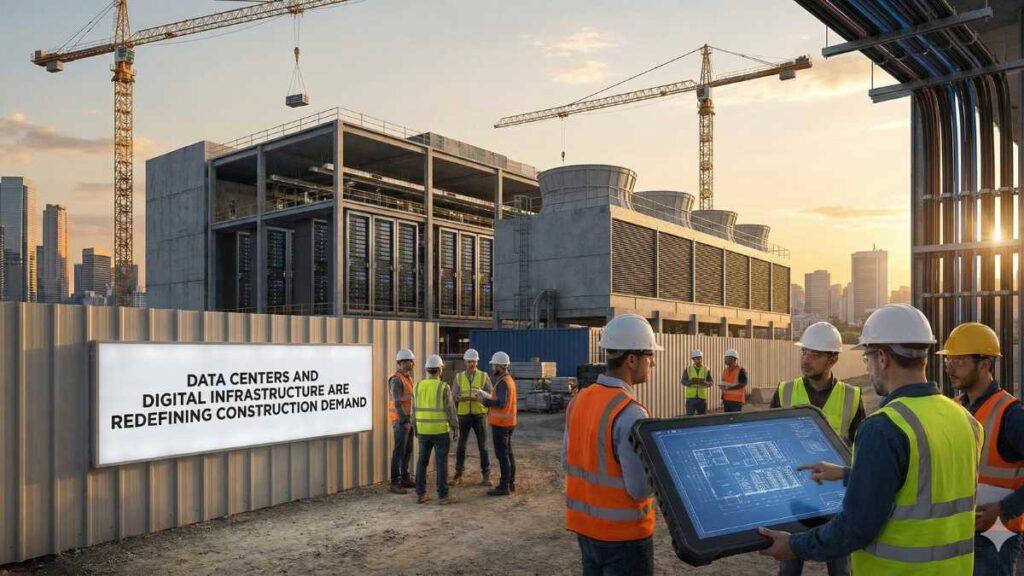
Trend #3 — Data centers and digital infrastructure are redefining construction demand
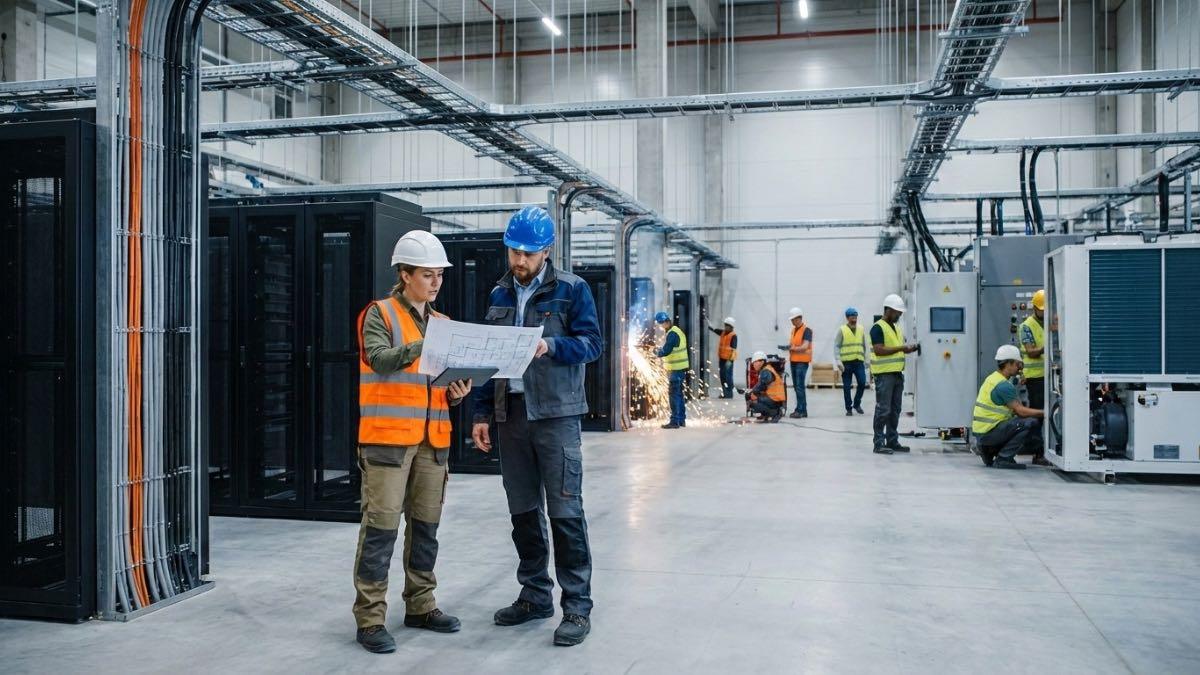
One of the most powerful construction drivers in 2026 is digital infrastructure.
Data centers, AI infrastructure, cloud facilities, and energy-intensive developments are expanding rapidly across the U.S., particularly in:
• Texas;
• Virginia;
• Arizona;
• Ohio;
• Georgia;
• North Carolina.
These projects:
• Are capital-heavy;
• Require specialized contractors;
• Demand extreme reliability and compliance;
• Favor companies with clear structure and proven credibility.
This is a critical shift.
Construction is no longer only about housing, retail, or offices.
It is about supporting the digital economy.
And digital infrastructure developers behave differently:
• They research contractors extensively;
• They expect professional communication;
• They evaluate online presence as a credibility signal.
If your company does not look prepared online, you are filtered out before the first conversation.
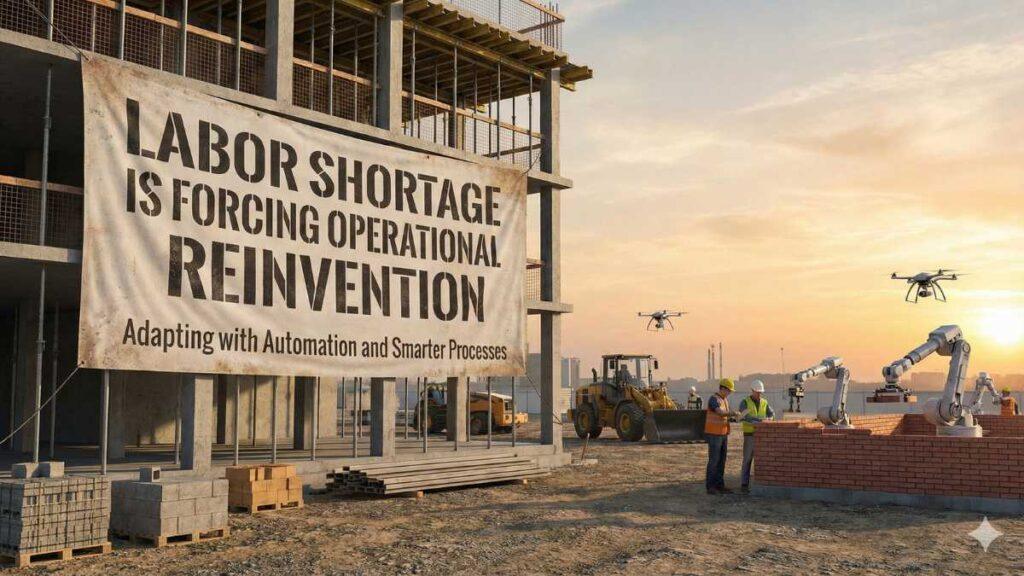
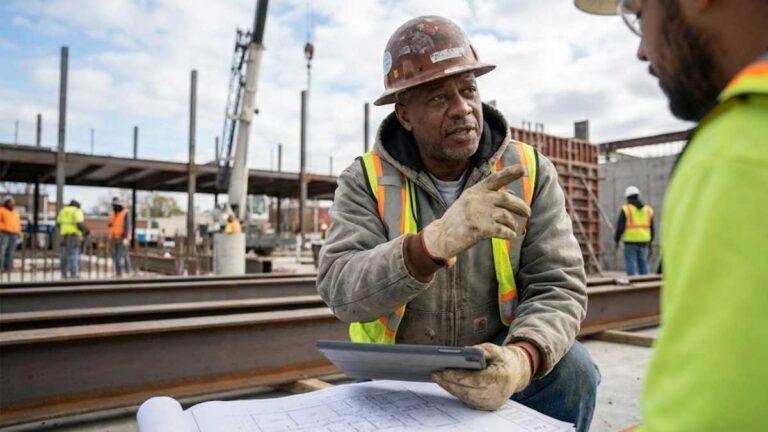
Trend #4 — Labor shortage is forcing operational reinvention
By now, the construction labor shortage is no longer news — it is reality.
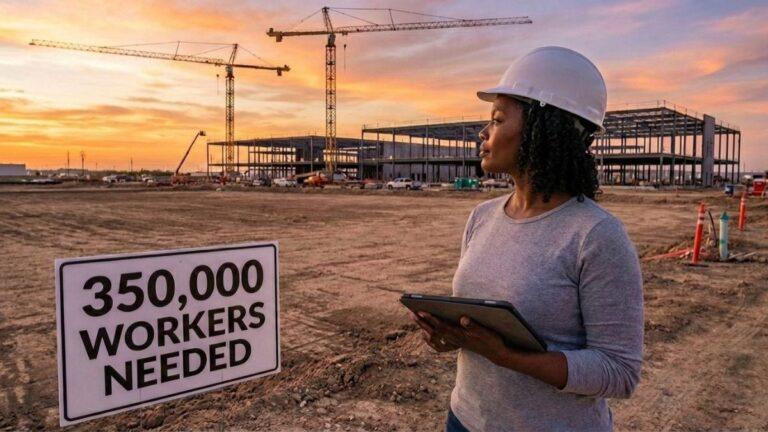
With nearly 499,000 new construction workers needed in 2026, companies across the U.S. are competing not just for projects, but for people.
This pressure is forcing change in three key areas:
1. Productivity over headcount
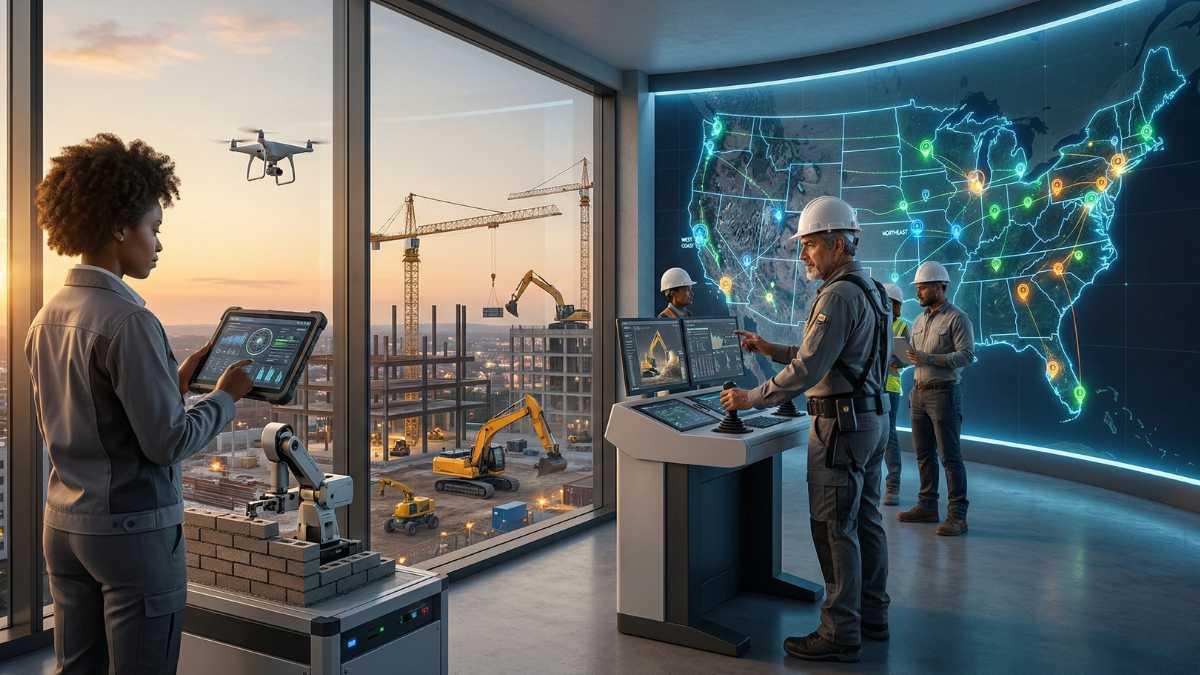
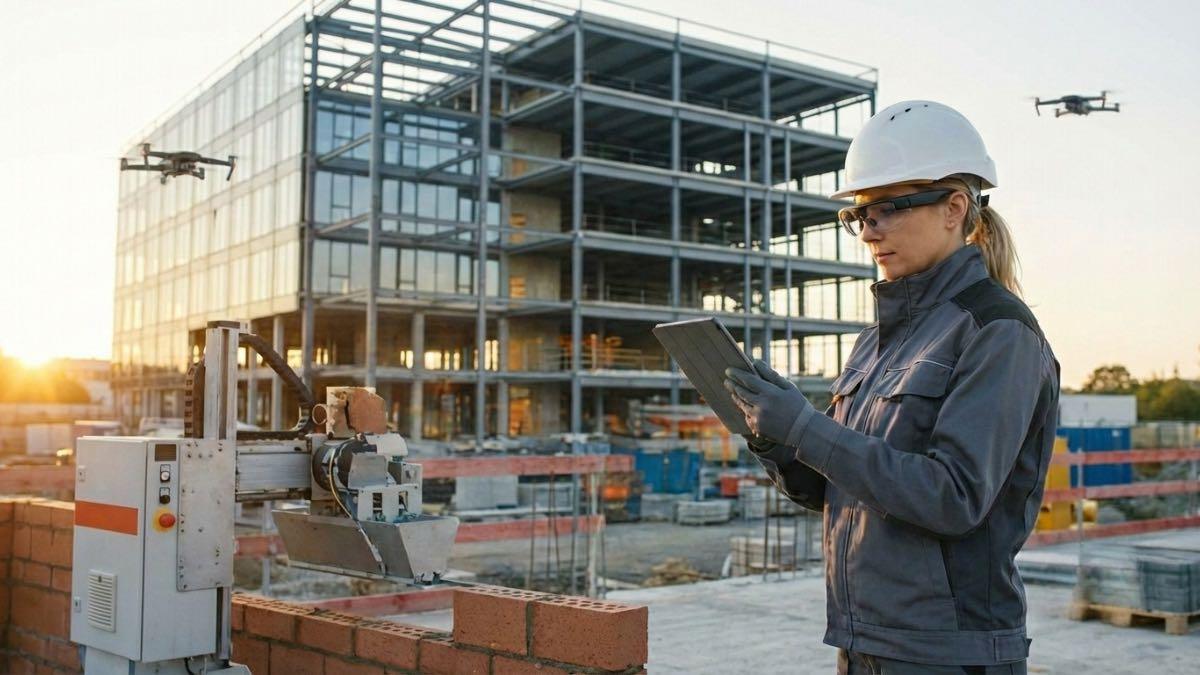
Builders are investing in:
• Automation
• Prefabrication
• Smarter scheduling
• Technology-driven coordination
2. Employer branding
Workers research companies before applying.
They look at:
• Websites;
• Social media;
• Project visibility;
• Stability and professionalism.
Companies with weak digital presence lose talent — not because of pay, but because of perception.
3. Retention through structure
Clear processes, communication, and professionalism keep teams longer.
In 2026, marketing supports workforce strategy, not just sales.
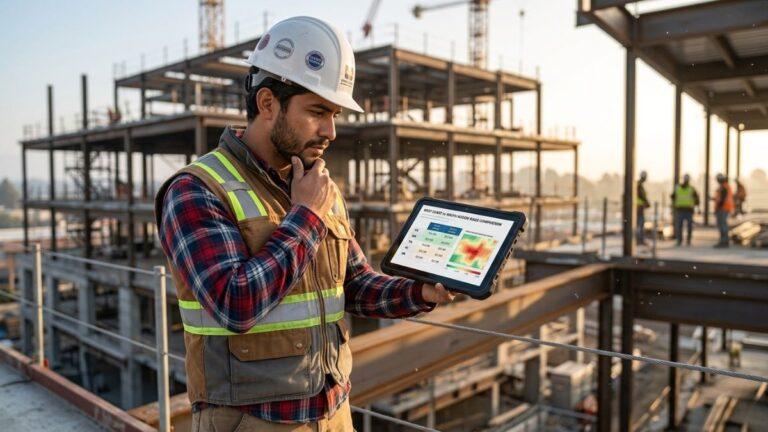
Trend #5 — Technology adoption separates leaders from survivors
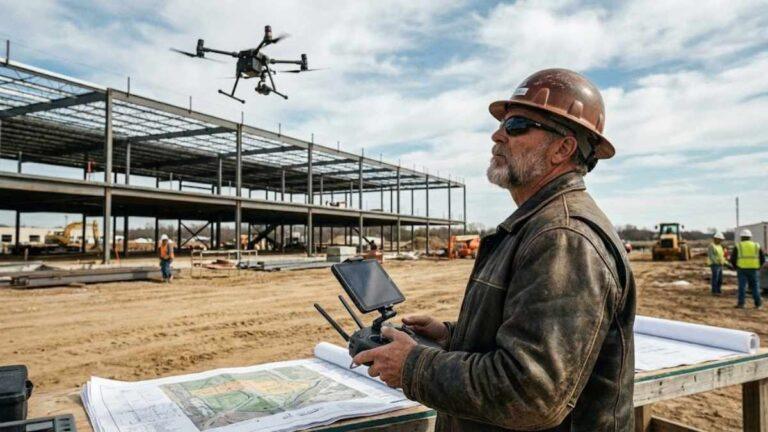
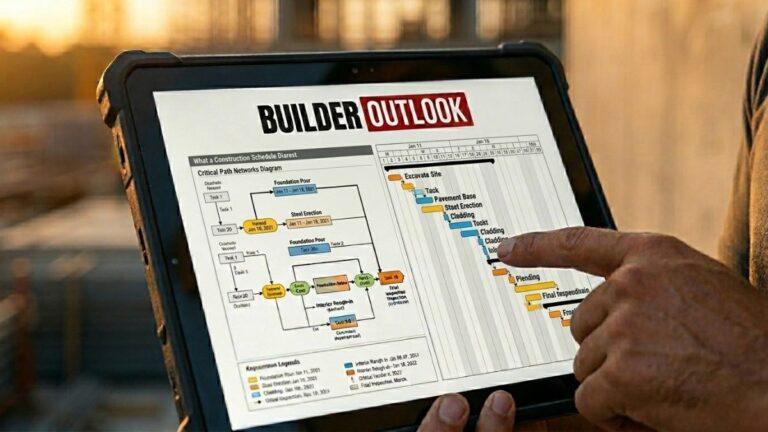
Technology in construction is no longer about innovation — it’s about efficiency and survival.
Leading construction companies are adopting:
• AI-assisted planning;
• Project management platforms;
• Digital reporting;
• Video documentation;
• Data-driven decision tools.
But here’s the key insight many miss:
Technology only works when the company is structured enough to use it.
The same applies to marketing technology
.
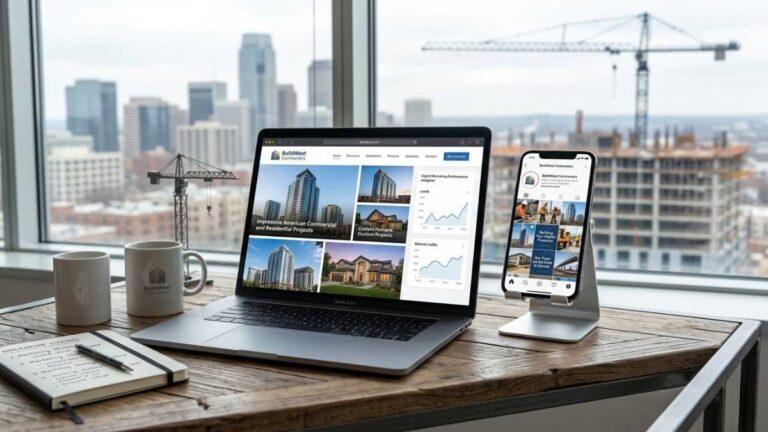
A website, SEO, social media, and ads only perform when they are:
• Strategically aligned;
• Professionally executed;
• Consistently managed.
Random tools don’t create advantage.
Operations do.
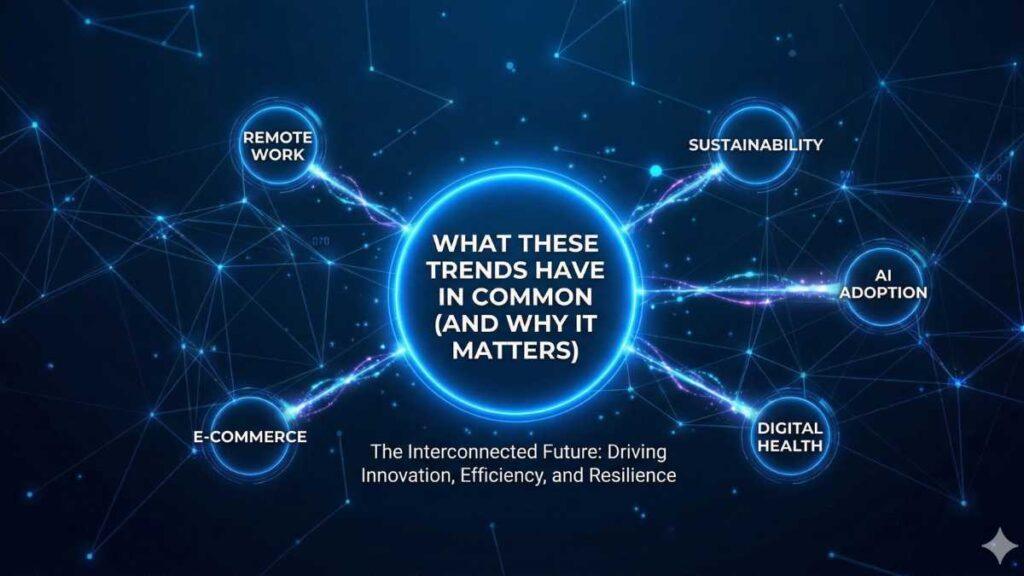
What these trends have in common (and why it matters)
At first glance, these trends seem unrelated:
• Costs;
• Interest rates;
• Data centers;
• Labor shortages;
• Technology.
But they all converge on one critical point:
Construction companies are being evaluated before they speak.
Clients, partners, investors, and workers decide based on:
• Online presence;
• Brand clarity;
• Professional structure;
• Consistency across platforms.
In 2026, you don’t get the chance to explain later.
GEO Reality: Why Location Still Changes Everything
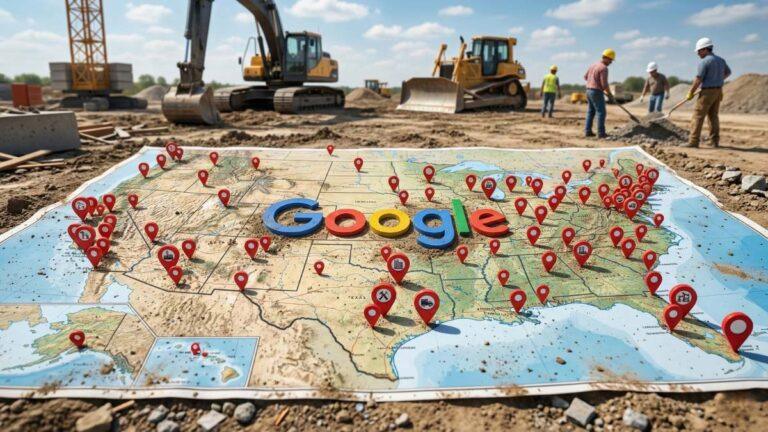
Construction remains local — even in a digital world.
Search behavior reflects this:
• “Construction company near me”;
• “Builder in Dallas”;
• “Roofing contractor Florida”;
• “Commercial contractor Atlanta”;
• “Construction jobs Phoenix”.
If your company is not optimized for local SEO and GEO visibility, you are invisible where decisions are actually made.
Strong GEO strategy connects:
• Your services;
• Your location;
• Your authority;
• Your credibility.
This is how serious builders dominate their regions — even in crowded markets.
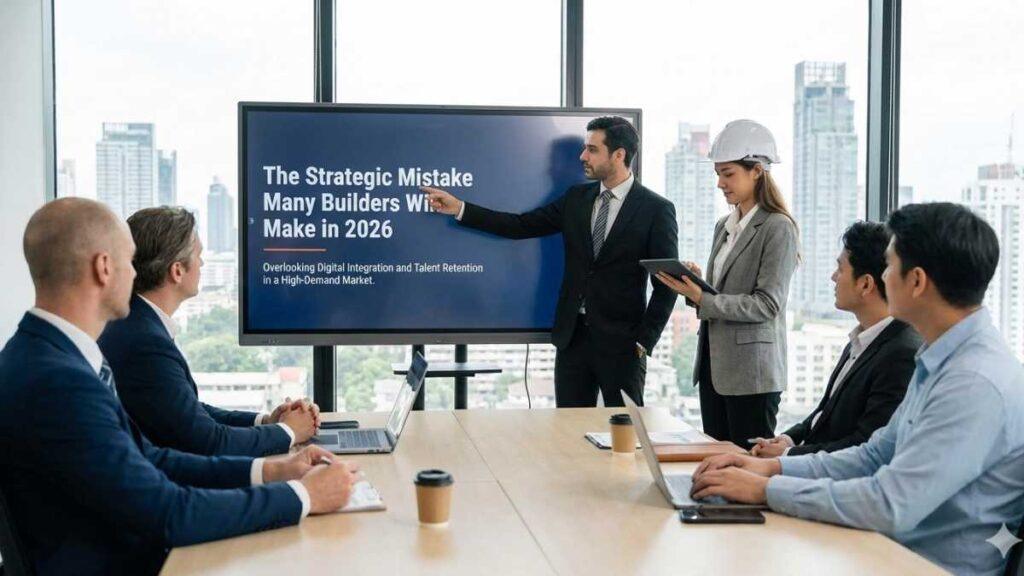
The strategic mistake many builders will make in 2026
Many companies will react to these trends separately:
Why marketing is no longer a “support function”
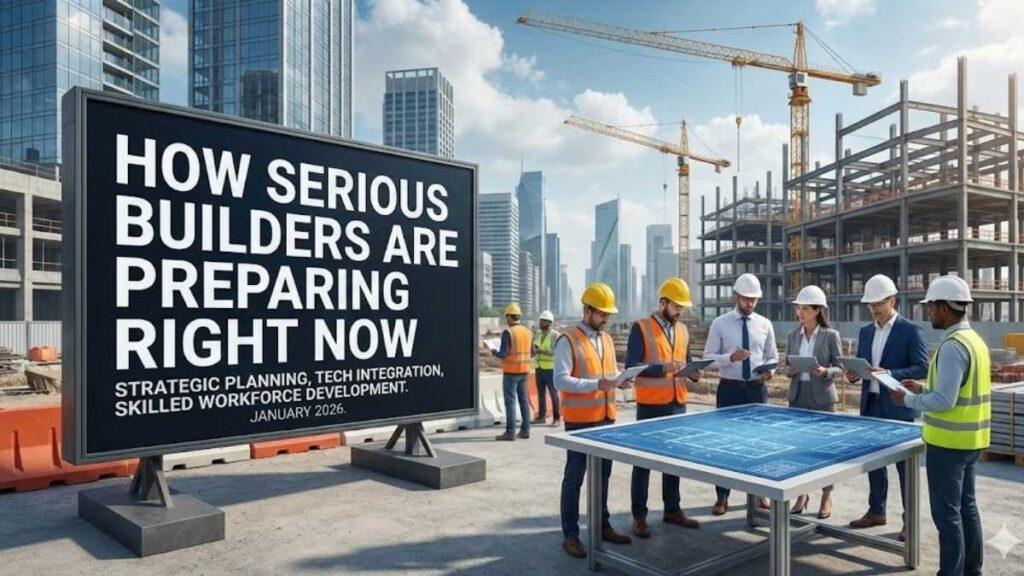
How serious builders are preparing right now
Across the U.S., the companies preparing for 2026 are:
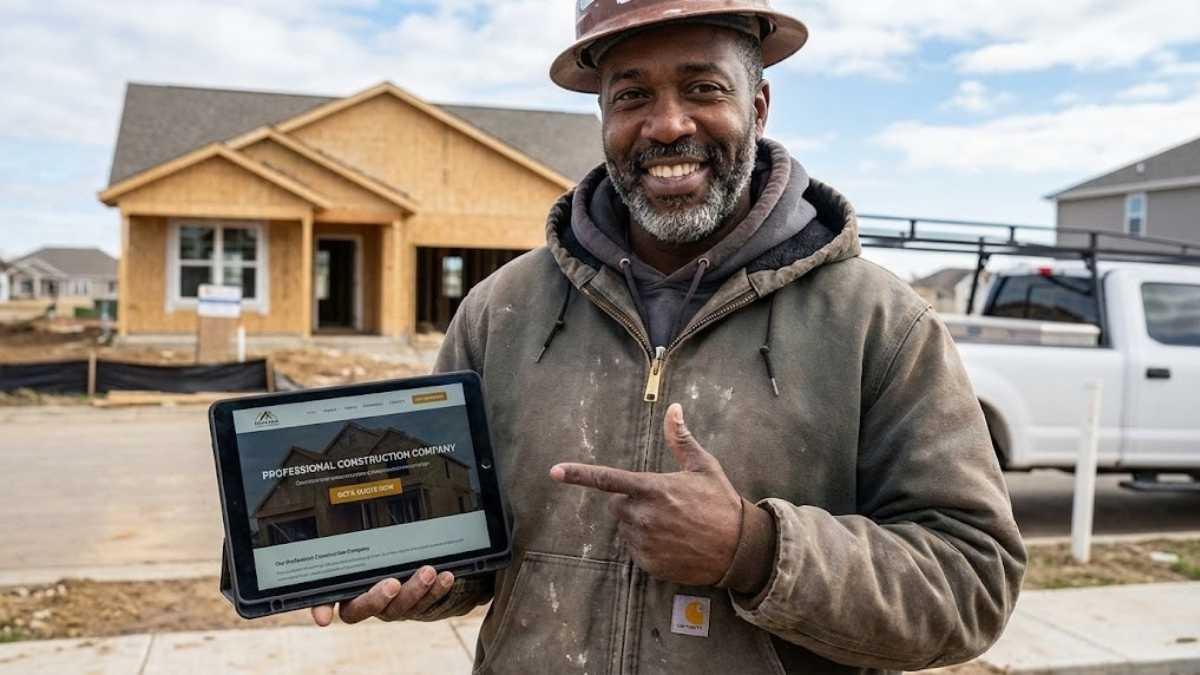
✔ Redesigning websites for clarity and speed;
✔ Strengthening local SEO and GEO targeting;
✔ Publishing authoritative content;
✔ Using video to show real projects;
✔ Aligning branding with professionalism;
✔ Treating marketing as an operation, not a task.
These companies will not just survive 2026 — they will grow.
FAQ – 5 construction trends to watch in 2026
1. Why is cost pressure a permanent issue for construction companies in 202
Construction cost pressure in 2026 is driven by volatile material pricing, insurance increases, compliance costs, financing rates, and subcontractor availability across the United States. In high-growth states like Texas, Florida, Arizona, Georgia, and North Carolina, these fluctuations are now structural, not temporary.
2. How do interest rates impact construction projects in the U.S. in 2026?
Interest rates directly influence project approvals, financing timelines, and client decision-making. Even with rate stabilization, developers in major U.S. markets remain cautious, increasing scrutiny of contractors’ credibility, stability, and professional presentation before committing capital.
3. Which U.S. states are leading data center and digital infrastructure construction in 2026?
Data center construction is expanding rapidly in Texas, Virginia, Arizona, Ohio, Georgia, and North Carolina. These states offer strong energy infrastructure, favorable zoning, and access to skilled labor, making them strategic hubs for digital infrastructure development.
4. Why is digital infrastructure changing construction demand in the United States?
Digital infrastructure projects such as data centers, AI facilities, and cloud operations require specialized construction expertise, strict compliance, and operational reliability. Developers evaluate contractors more rigorously, using online presence and structure as credibility indicators before initiating contact.
5. How severe is the construction labor shortage in the U.S. in 2026?
The U.S. construction industry needs approximately 499,000 new workers in 2026. This shortage affects residential, commercial, and infrastructure projects nationwide, especially in fast-growing metropolitan areas where competition for skilled labor is highest.
6. Why does employer branding matter for construction companies hiring in 2026?
Skilled workers research employers online before applying. Construction companies with professional websites, clear messaging, visible projects, and consistent branding attract more qualified candidates in competitive labor markets such as Florida, Texas, and Georgia.
7. How are construction companies adapting operations due to labor shortages?
Construction companies are prioritizing productivity over headcount by adopting automation, prefabrication, smarter scheduling, and technology-driven coordination. These strategies help mitigate workforce shortages while maintaining project timelines and quality.
8. Why is technology adoption critical for builders in 2026?
Technology adoption improves efficiency, reduces waste, and supports operational scalability. However, tools only work when companies have structured processes, trained teams, and consistent management—making organizational maturity a competitive advantage.
9. How does local SEO and GEO optimization affect construction companies?
Local SEO and GEO optimization ensure construction companies appear in searches such as “construction company near me,” “builder in Dallas,” or “roofing contractor Florida.” This visibility directly influences client trust, lead generation, and hiring outcomes in specific regions.
10. Why are construction companies evaluated before the first call in 2026?
Clients, investors, partners, and workers evaluate construction companies through their websites, online content, reviews, and social presence before initiating contact. Inconsistent or outdated digital presence signals risk and often eliminates contractors from consideration early.
11. What is the biggest strategic mistake builders will make in 2026?
The biggest mistake is reacting to trends in isolation—addressing costs, labor, or technology separately. Successful builders integrate operations, marketing, and strategy to present clarity, stability, and preparedness in highly competitive regional markets.
12. Why is marketing no longer optional for U.S. construction companies?
Marketing in 2026 reduces sales friction, supports pricing power, attracts skilled labor, and signals operational maturity. For construction companies, marketing is a strategic function that directly impacts growth, hiring, and long-term competitiveness.
13. How are serious builders preparing for 2026 right now?
Leading builders across the United States are redesigning websites, strengthening local SEO, publishing authoritative content, using video to showcase real projects, aligning branding with professionalism, and treating marketing as a structured operation rather than an afterthought.
14. How does Caldas Marketing support builders navigating these trends?
Caldas Marketing builds complete marketing operations for construction companies, integrating branding, high-performance websites, SEO, GEO strategies, and authoritative content to help builders look prepared, credible, and competitive in regional U.S. markets.