Construction change orders: why contractors lose money on extra work, this is one of the most misunderstood and financially dangerous components of a project. In theory, they represent opportunity — additional work, additional billing, and increased project value. In practice, however, they are one of the primary reasons contractors lose money, damage client relationships, and create operational chaos on jobsites.
The core problem is not the existence of change orders. Every project, regardless of planning quality, will experience changes. The real issue is how these changes are handled. Many contractors treat change orders informally, approving work verbally, delaying pricing, or failing to document scope adjustments properly. This creates a disconnect between work performed and revenue collected.
The situation becomes even more critical in 2026, where project timelines are compressed, clients expect faster decisions, and margins are tighter. Contractors are often pressured to proceed with changes immediately to avoid delays, postponing the administrative process. By the time they attempt to formalize the change, leverage is lost.
The reality is simple and uncomfortable:
Most contractors don’t lose money on the original contract.
They lose money on the changes they failed to control.
What a change order really is (and what it is not)
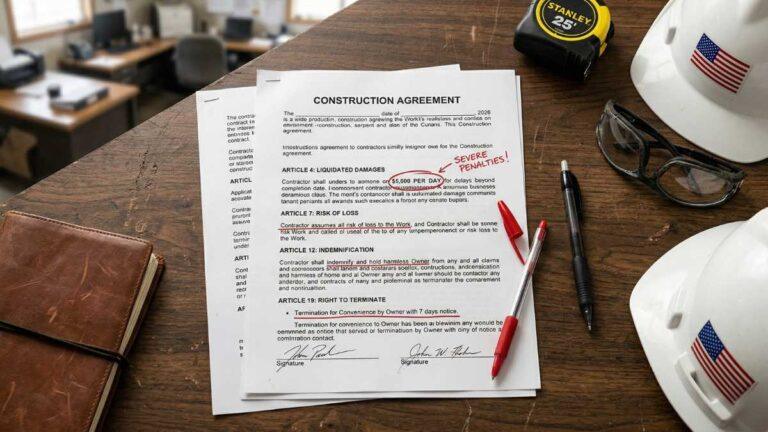
A change order is not just a document. It is a financial and contractual adjustment that modifies the original agreement. It can involve scope changes, design modifications, unforeseen conditions, or client-driven upgrades. More importantly, it directly affects cost, schedule, and responsibility.
In the U.S., standard practices for change orders are often guided by frameworks such as those from the American Institute of Architects, which emphasize formal documentation, clear scope definition, and mutual agreement before execution. However, in real-world operations, many contractors bypass these standards due to time pressure or informal communication.
A critical misconception is treating change orders as minor adjustments. In reality, each change introduces new variables into the project — additional labor, materials, coordination, and potential risk. Without proper control, these variables accumulate and destabilize the project.
A change order is not just a formality.
It is a financial event.
why contractors lose money on change orders
The loss typically begins with urgency. A client requests a change, and the contractor agrees to proceed quickly to avoid delays. Work begins before pricing is finalized, and documentation is postponed. At this point, control is already compromised.
Another common issue is underpricing. Without proper analysis, contractors may estimate the cost of a change based on assumptions rather than actual impact. This often leads to pricing that does not fully cover labor, materials, overhead, and disruption to workflow.
Lack of documentation is another critical factor. Verbal agreements or informal approvals create ambiguity, making it difficult to enforce payment later. Clients may dispute scope, cost, or responsibility, especially if expectations were not clearly defined.
Change orders also affect productivity. Additional work can disrupt sequencing, create rework, and impact efficiency across multiple trades. These indirect costs are rarely included in pricing, further reducing profitability.
Finally, delayed approvals create financial gaps. Contractors may complete the work but face resistance when attempting to bill for it, especially if formal approval was not obtained in advance.
The pattern is consistent:
Work happens first.
Control comes later.
And by then, it’s too late.
The hidden cost of uncontrolled change orders
Beyond direct financial loss, poorly managed change orders create cascading effects across the project. One of the most significant is schedule disruption. Changes often require resequencing tasks, impacting not only the contractor’s work but also subcontractors and suppliers.
This disruption reduces productivity. Crews may need to revisit completed areas, perform work out of sequence, or adapt to new conditions, all of which reduce efficiency and increase labor costs.
Cash flow is also affected. When change orders are not approved or billed promptly, contractors carry the cost of additional work without immediate compensation. This can strain financial resources, especially on large projects.
Client relationships can also deteriorate. Disputes over change orders create tension, reduce trust, and may lead to delayed payments or legal conflicts.
The most important point is this:
Uncontrolled change orders don’t just affect one task.
They affect the entire project system.
Builder Inteligence
Advertising


Real example: the “small change” that destroyed the margin
A contractor in Florida was working on a residential remodeling project. The client requested several small upgrades throughout the project — minor layout adjustments, material changes, and additional finishes. Each request seemed manageable, and the contractor agreed to proceed without formalizing each change.
Over time, these “small” changes accumulated. Additional labor was required, materials costs increased, and scheduling became more complex. However, because the changes were not properly documented or priced, the contractor struggled to bill for the full scope.
By the end of the project, the contractor had completed significantly more work than originally planned but was unable to recover the full cost. The margin was reduced dramatically, despite high client satisfaction.
The project looked successful.
Financially, it wasn’t.
How high-level contractors control change orders
Contractors who protect their margins treat change orders as controlled processes, not reactive responses. The first principle is clear definition. Every change must be documented with detailed scope, cost, and schedule impact.
The second principle is pre-approval. Work does not begin until the change order is reviewed and approved by all parties. This ensures alignment and protects revenue.
The third principle is accurate pricing. Costs are calculated based on real impact, including labor, materials, overhead, and disruption to workflow.
The fourth principle is integration. Change orders are incorporated into the project schedule and budget, maintaining alignment with overall objectives.
The fifth principle is communication. Clients are informed clearly about the implications of changes, including cost and timeline adjustments.
This approach transforms change orders from risk into opportunity.
How to build a change order system that actually works
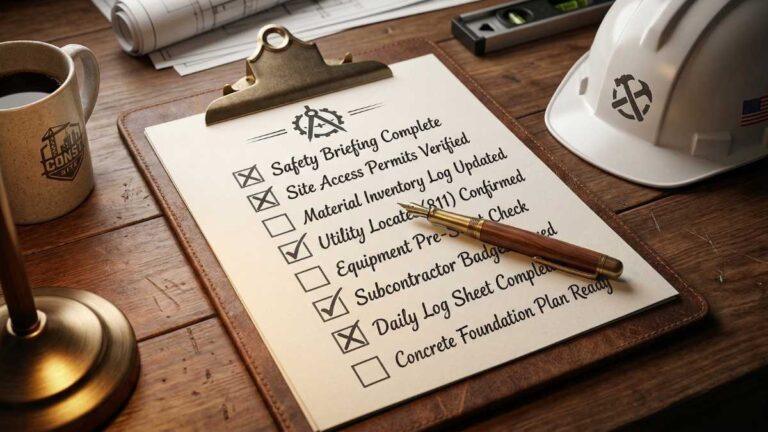
To build an effective system, contractors must establish clear processes and enforce them consistently. This begins with standardized documentation templates that capture all relevant information for each change.
Approval workflows must be defined, ensuring that changes are reviewed and authorized before execution. This may involve digital tools or structured communication protocols.
Pricing methodologies should be standardized, ensuring consistency and accuracy across projects.
Tracking systems must be implemented to monitor change orders in real time, including status, cost, and impact on schedule.
Training is also essential. Teams must understand the importance of following the process and the risks of bypassing it.
Finally, discipline is critical. Even under pressure, the system must be followed.
Because once control is lost, recovery is difficult.
Extra work without control is not profit — it’s liability
In 2026, contractors who treat change orders informally are not being flexible.
They are exposing themselves to financial risk.
Those who implement structured change order systems protect their margins, maintain control, and build stronger client relationships. Those who rely on verbal agreements and delayed documentation continue to lose money on work they have already completed.
The difference is not in the volume of change.
It is in how that change is controlled.
More from Builder Inteligence

Frequently Asked Questions
1. What is a change order?
A change order is a formal modification to the original construction contract that alters the scope of work, cost, or project timeline. In the United States construction industry, change orders are critical control documents that must be properly managed to avoid financial losses and contractual disputes.
2. Why do contractors lose money on change orders?
Contractors typically lose money on change orders due to poor documentation, delayed approvals, and lack of cost tracking. Without clear processes, additional work is performed without proper compensation. In U.S. construction projects, unmanaged change orders are one of the most common sources of hidden margin erosion.
3. Should work begin before change order approval?
No, starting work before change order approval significantly increases financial risk. Without formal authorization, there is no guarantee of payment or agreement on scope. In the United States, high-level contractors strictly control this process to ensure all changes are approved before execution begins.
4. What should a change order include?
A change order should clearly define the scope modification, associated costs, and impact on the project schedule. It must also include approval signatures and supporting documentation. In U.S. construction, detailed and structured change orders are essential for maintaining financial control and avoiding disputes.
5. Do change orders affect productivity?
Yes, change orders can significantly affect productivity by disrupting workflow, sequencing, and resource allocation. When changes are not properly integrated into the schedule, they create inefficiencies and delays. In many U.S. projects, productivity loss is a direct consequence of poorly managed scope changes.
6. Can small changes impact project profit?
Yes, small changes can have a major impact on profitability when they accumulate over time. Minor scope adjustments, if not properly tracked and billed, can erode margins significantly. In the U.S. construction market, many financial losses come from repeated small changes rather than major contract modifications.
7. How can change orders be controlled effectively?
Change orders can be controlled through structured systems, standardized processes, and real-time tracking. High-performing contractors implement strict approval workflows, documentation protocols, and cost monitoring. In the United States, effective change order management is a key component of overall project financial control.
8. Are change orders necessary in construction projects?
Yes, change orders are necessary in most construction projects because scope adjustments are inevitable. However, their impact depends entirely on how they are managed. In the U.S. construction industry, successful contractors treat change orders as controlled processes rather than unexpected disruptions.