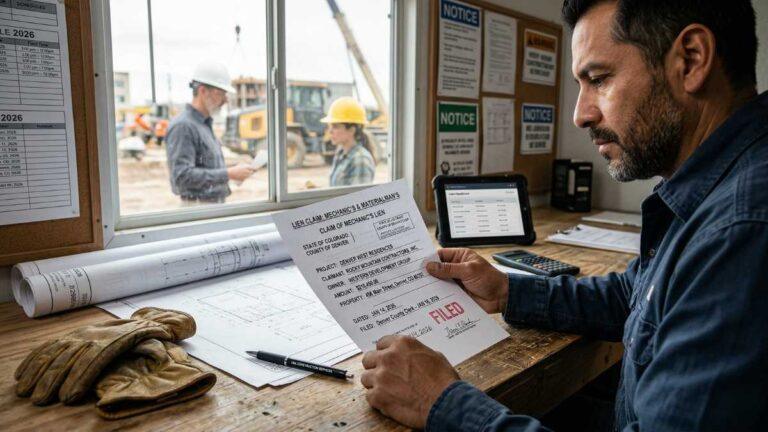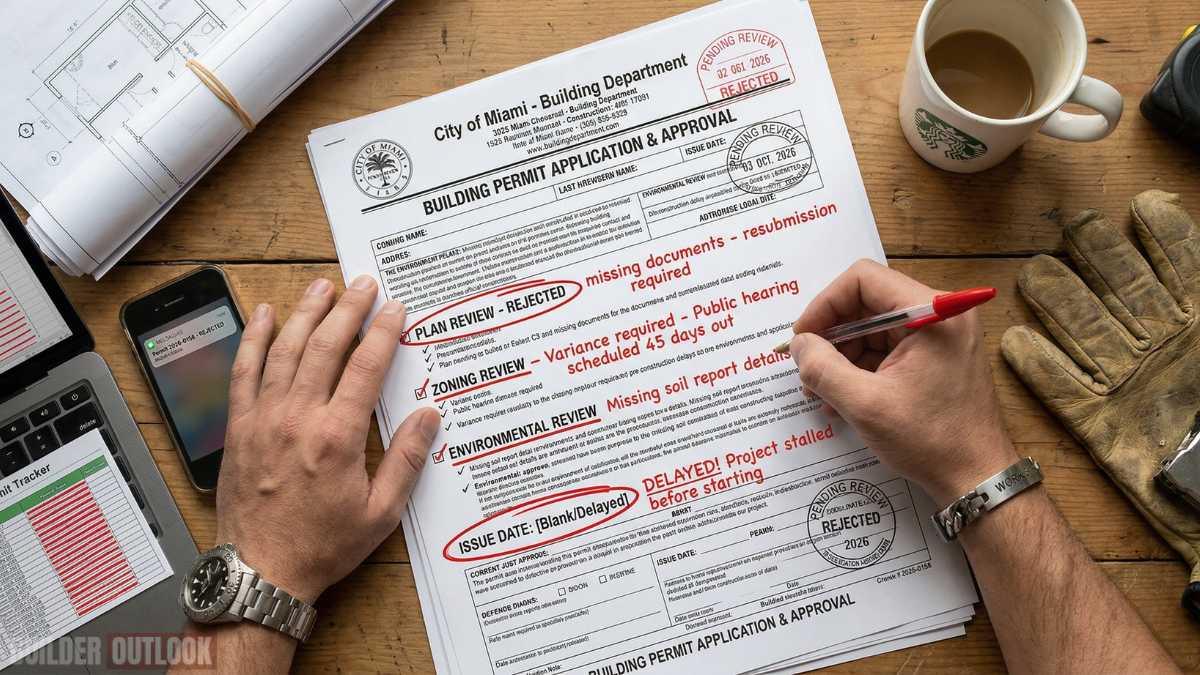
Construction permits in the United States industry, one of the most underestimated risks is not related to labor, materials, or execution. It begins before any physical work starts — at the permit stage. In 2026, contractors are still losing weeks, sometimes months, before breaking ground, not because they lack capacity, but because they lack a structured permitting strategy.
Most contractors treat permits as a procedural step: submit documents, wait for approval, and move forward. This passive mindset creates immediate vulnerability. Permitting is not a neutral process — it is a regulatory system with its own timelines, requirements, bottlenecks, and inconsistencies across jurisdictions. When not actively managed, it becomes the first point of delay in the project lifecycle.
The consequences go far beyond the start date. Delayed permits affect scheduling, disrupt subcontractor planning, delay material procurement, and create gaps in cash flow. In many cases, contractors mobilize teams or commit resources based on expected approval timelines that do not materialize, leading to inefficiencies and financial pressure.
The reality is clear:
The project does not start when construction begins.
It starts when the permit process is controlled.
WHAT CONSTRUCTION PERMITS REALLY REPRESENT
Construction permits are not just legal authorizations to build. They are formal approvals that confirm compliance with local building codes, zoning regulations, safety standards, and environmental requirements. Each permit represents a checkpoint in the regulatory system, ensuring that the project meets specific criteria before proceeding.
In the U.S., permitting requirements vary significantly by jurisdiction. Local building departments enforce codes based on frameworks such as those developed by the International Code Council, but implementation and interpretation differ from city to city. This creates variability that contractors must navigate strategically.
Permits also define sequencing. Certain activities cannot begin without specific approvals, and inspections are often required at multiple stages. This means that permitting is directly connected to scheduling — not separate from it.
A permit is not permission.
It is a control gate.
WHY PERMITTING DELAYS ARE WORSE IN 2026
The permitting landscape in 2026 has become more complex due to increased regulatory scrutiny, higher construction activity, and limited staffing in many local building departments. This has created longer review cycles, stricter documentation requirements, and less predictability in approval timelines.
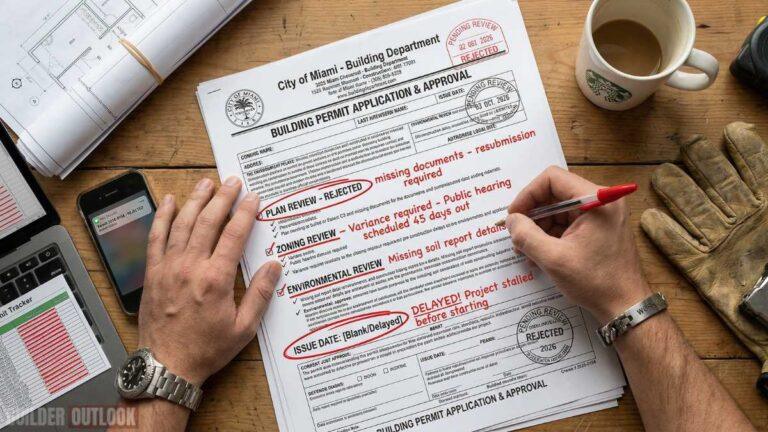
One of the main causes of delay is incomplete or incorrect submissions. Missing information, inconsistencies in plans, or failure to meet local requirements can result in rejection or requests for revision. Each revision cycle adds time and creates uncertainty.
Another critical factor is lack of proactive coordination. Contractors who submit permits without engaging with local authorities often face unexpected issues during review. Requirements that could have been clarified early become obstacles later.
Additionally, design changes during the permitting phase can restart the review process, further delaying approval. Without alignment between design teams and permitting requirements, projects become trapped in cycles of revision.
Permitting delays are not random.
They are predictable failures of preparation.
WHERE PERMITTING BREAKS PROJECT TIMELINES AND CASH FLOW
Permitting issues impact projects at multiple levels, often in ways that contractors do not fully anticipate. The most immediate effect is delayed mobilization. Crews, equipment, and subcontractors may be scheduled based on expected start dates that shift due to permit delays, creating idle time and inefficiencies.
Material procurement is also affected. Orders may be delayed to avoid storage costs, or worse, materials may be purchased prematurely and sit unused, tying up capital.
Scheduling becomes unstable. Without confirmed start dates, sequencing of activities becomes uncertain, affecting coordination between trades and increasing the risk of further delays once construction begins.
Cash flow is directly impacted. Delayed project starts mean delayed billing, creating gaps in revenue. Contractors may continue to incur overhead costs without corresponding income, increasing financial pressure.
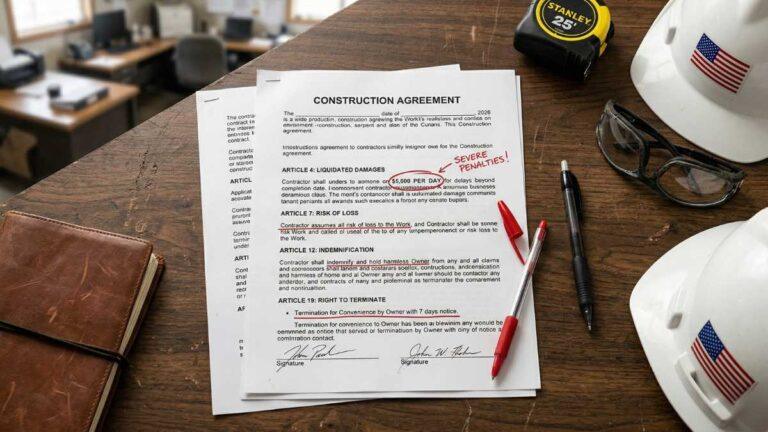
In some cases, contractual obligations are affected. If start dates are tied to permit approval and delays are not properly managed, contractors may face disputes or penalties.
Permits do not just delay projects.
They disrupt entire systems.
Builder Inteligence

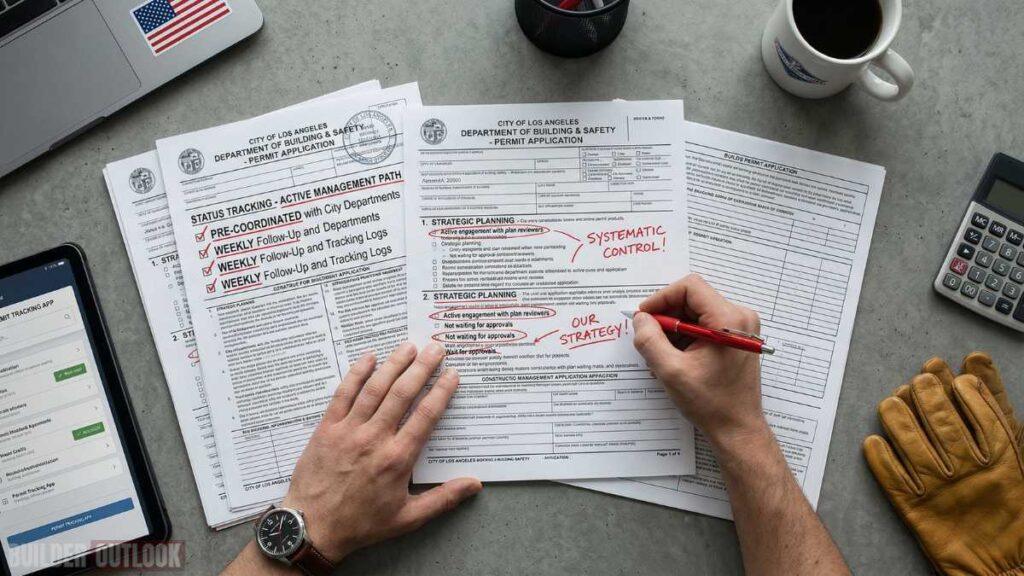
HOW HIGH-LEVEL CONTRACTORS CONTROL THE PERMIT PROCESS
Contractors who consistently avoid permitting delays treat the process as a strategic component of project planning. They do not wait for approvals — they manage the path to approval actively and systematically.
The first principle is early engagement. Contractors communicate with local building departments before submission to understand specific requirements, identify potential issues, and clarify expectations. This reduces the likelihood of rejection and accelerates the review process.
The second principle is complete and accurate documentation. Submissions are prepared with precision, ensuring that all required information is included and aligned with local codes. This minimizes revision cycles.
The third principle is integration with design teams. Contractors work closely with architects and engineers to ensure that plans meet permitting requirements before submission.
The fourth principle is tracking and follow-up. Permit applications are monitored actively, and contractors follow up with authorities to address questions or issues quickly.
The fifth principle is contingency planning. Contractors anticipate delays and incorporate flexibility into scheduling and resource allocation.
This approach transforms permitting from a bottleneck into a controlled process.
REAL EXAMPLE: A PROJECT DELAYED BEFORE IT STARTED
A contractor in Florida prepared to begin a residential construction project with a tight schedule. Subcontractors were lined up, materials were planned, and the client expected a fast start. The permit application was submitted without prior coordination with the local building department.
During review, the application was flagged for missing information related to zoning compliance and structural details. The contractor had to revise and resubmit the plans multiple times, each cycle taking several weeks.
The project start was delayed by over two months. Subcontractors had to be rescheduled, material orders were postponed, and the client became frustrated with the lack of progress.
The issue was not execution.
It was the absence of a permitting strategy.
HOW TO BUILD A PERMITTING SYSTEM THAT ACTUALLY WORKS
To control permitting effectively, contractors must build structured processes that integrate regulatory requirements into project planning. This begins with research. Contractors must understand local requirements, timelines, and common issues before submission.
The next step is coordination. Design teams, engineers, and consultants must align their work with permitting standards, ensuring that plans are complete and compliant.
Documentation is critical. Submissions must be detailed, accurate, and organized, reducing the likelihood of rejection.
Tracking systems must be implemented to monitor the status of applications and ensure timely follow-up.
Contractors should also build relationships with local authorities, improving communication and facilitating problem resolution.
Finally, permitting must be integrated into scheduling and financial planning. Start dates, resource allocation, and cash flow projections should reflect realistic permitting timelines.
Permitting is not a step.
It is a system.
YOUR PROJECT DIDN’T START LATE — YOUR PERMIT STRATEGY FAILED
In 2026, contractors are not losing time because projects are complex.
They are losing time because they treat permitting as a formality.
Those who control the permitting process start projects with clarity, maintain stable schedules, and protect their cash flow. Those who ignore it begin every project already behind.
The difference is not in the market.
It is in preparation.
More from Builder Inteligence


Frequently asked questions.
1. What is a construction permit?
A construction permit is a legal authorization issued by local authorities that allows a project to begin based on approved plans, safety standards, and regulatory compliance. Without proper permits, contractors risk fines, work stoppages, legal issues, and long-term liability that can severely impact project profitability and business reputation.
2. Why do permits delay projects?
Construction permits often delay projects due to incomplete documentation, regulatory complexity, and multiple review cycles required by local authorities. Factors such as zoning conflicts, missing technical details, or overloaded permitting departments can extend timelines significantly, forcing contractors to adjust schedules, manage client expectations, and absorb indirect costs.
3. Do permits affect scheduling?
Yes, construction permits directly control when a project can legally begin, making them a critical factor in scheduling. Any delay in approval shifts timelines, affects subcontractor coordination, and can disrupt material delivery planning, ultimately impacting the entire project flow from mobilization to completion.
4. Can contractors speed up permitting?
Contractors can significantly reduce permitting delays through proper preparation, accurate documentation, and proactive communication with local authorities. Working with experienced architects, engineers, and permit specialists helps streamline approvals, avoid rejections, and accelerate the process by anticipating regulatory requirements before submission.
5. What causes permit rejection?
Permit rejections typically occur due to incomplete submissions, non-compliance with local building codes, or inconsistencies in architectural and engineering plans. Errors in documentation, missing signatures, or failure to meet zoning and safety requirements can lead to resubmissions, increasing project delays and administrative costs.
6. Should contractors communicate with authorities?
Yes, early and consistent communication with permitting authorities is essential to avoid delays and misunderstandings. Contractors who engage proactively can clarify requirements, resolve issues faster, and reduce the risk of rejections, creating a smoother approval process and improving overall project efficiency.
7. Do permits affect cash flow?
Permits have a direct impact on cash flow because construction revenue typically starts only after project initiation. Delays in approvals postpone billing cycles, increase holding costs, and create financial pressure, especially for contractors managing multiple projects simultaneously.
8. Can a permit strategy improve projects?
A well-defined permit strategy improves project predictability, reduces delays, and strengthens operational control. Contractors who treat permitting as a strategic phase rather than a bureaucratic step gain a competitive advantage by starting faster, managing risks better, and maintaining consistent project timelines.