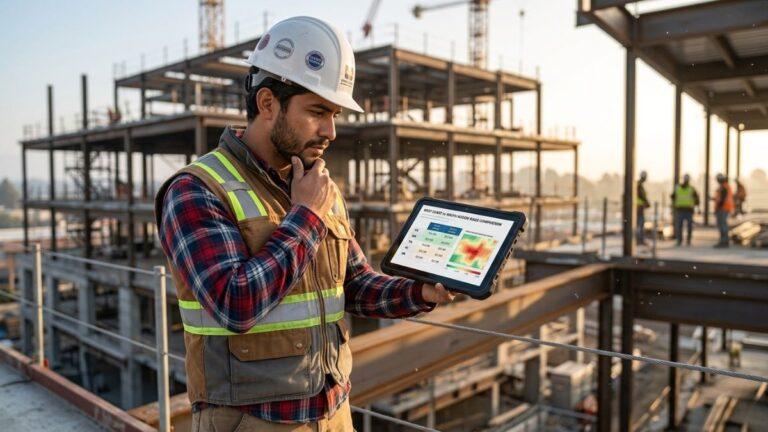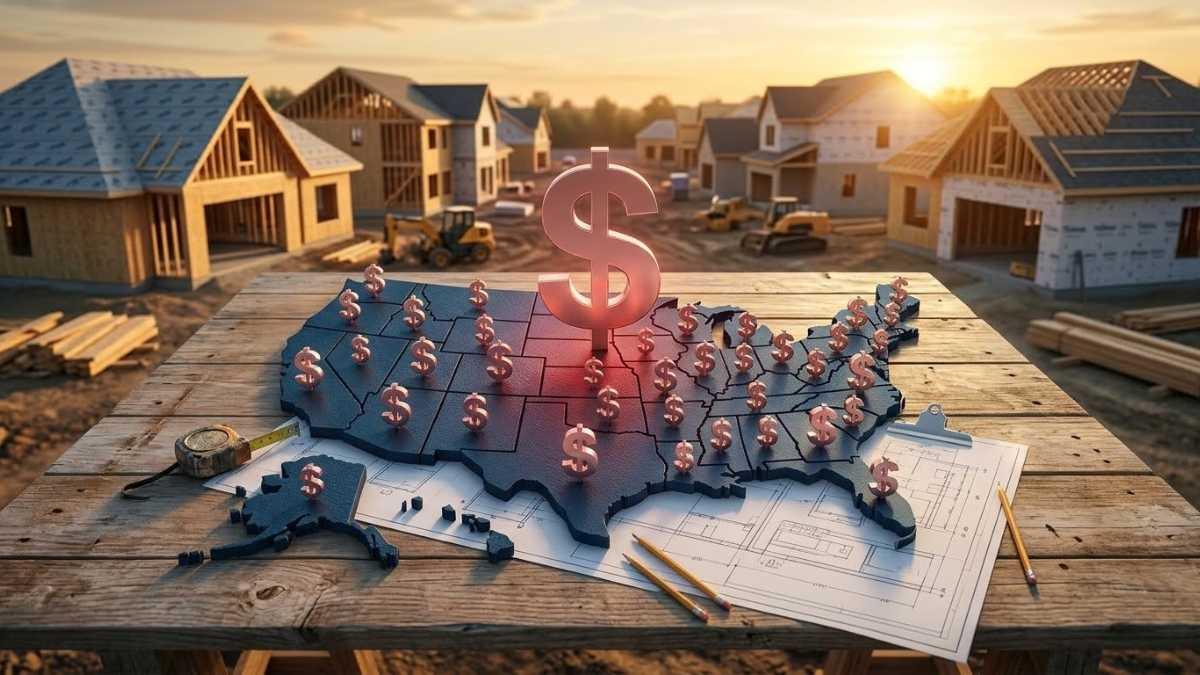
Construction costs in the United States have become one of the most critical factors affecting builders, developers, and contractors. Over the past decade, the cost of building materials, labor, regulatory compliance, and project financing has increased significantly, forcing construction professionals to rethink how projects are planned and executed.
Understanding construction costs is no longer just a financial exercise. For contractors, it has become a strategic requirement that influences bidding strategies, project feasibility, and long-term profitability. Builders who fail to analyze cost trends carefully often underestimate budgets, lose competitive bids, or encounter serious financial challenges during project execution.
Several major forces influence construction costs across the United States. These include supply chain fluctuations, labor shortages, regulatory requirements, insurance premiums, and regional economic conditions. Because these factors vary across different states and metropolitan areas, builders must develop strong cost analysis skills to evaluate projects accurately.
Reliable industry data and cost forecasting reports are frequently published by organizations such as:
U.S. Bureau Of Labor Statistics
and
Engineering News-Record Construction Cost Index
These institutions track construction price trends, labor costs, and material price fluctuations that affect project budgets nationwide.
For builders who want to remain competitive in the American construction market, understanding cost drivers is essential for both short-term project planning and long-term business strategy.
The main components of construction costs
Construction costs can generally be divided into four primary categories: materials, labor, equipment, and soft costs. Each category contributes significantly to the final project budget, and changes in any of these components can dramatically affect overall construction expenses.
Material costs represent one of the most visible components of construction budgets. Materials such as steel, concrete, lumber, glass, drywall, insulation, and electrical systems fluctuate constantly depending on global supply chains, manufacturing capacity, and transportation costs. Events such as trade disruptions, energy price increases, or natural disasters can quickly affect the price of essential construction materials.
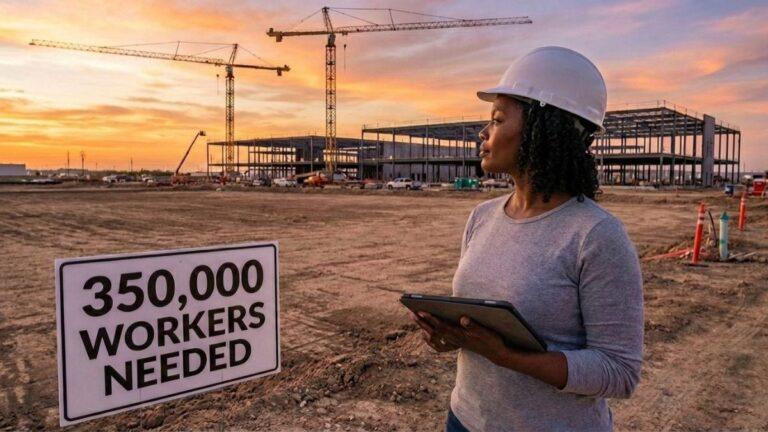
Labor costs represent another major expense within construction projects. Skilled construction workers such as electricians, plumbers, carpenters, ironworkers, and heavy equipment operators command competitive wages due to persistent labor shortages across the industry. According to labor statistics, the United States construction workforce continues to face a gap between available jobs and qualified workers, which places upward pressure on wages.
Equipment costs include machinery rental, equipment maintenance, fuel consumption, and transportation expenses. Heavy machinery such as cranes, excavators, bulldozers, and concrete pumps represents a significant operational expense for many construction companies.
Soft costs include architectural design services, engineering consultations, permit fees, insurance coverage, legal expenses, and financing costs. While these costs may not be directly related to physical construction, they often represent a significant percentage of the total project budget.
Builders who carefully analyze each of these cost categories are better prepared to estimate project budgets accurately and avoid unexpected financial challenges.
Regional differences in construction costs across the united states
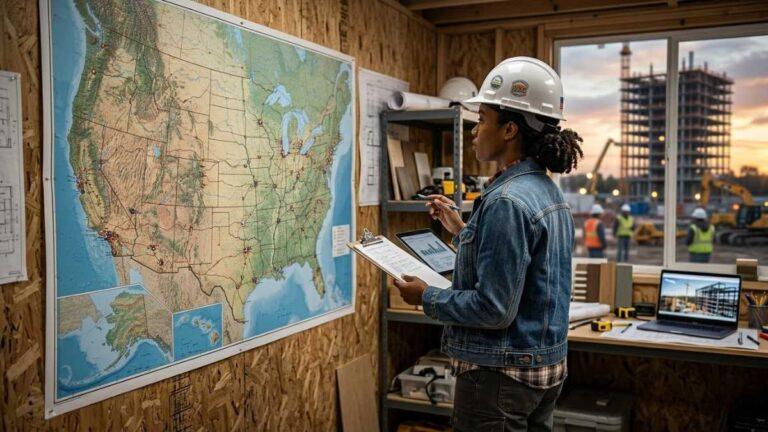
Construction costs vary significantly depending on geographic location. Major metropolitan areas often experience higher construction costs due to increased labor wages, stricter building regulations, and higher land prices.
Cities such as New York, San Francisco, Los Angeles, and Boston consistently rank among the most expensive construction markets in the country. In these locations, both labor and regulatory compliance costs can be substantially higher than the national average.
In contrast, construction costs in smaller cities or rural areas are often lower due to reduced labor expenses and less complex regulatory environments. However, remote locations may introduce other cost factors such as transportation expenses for materials and equipment.
Regional cost analysis reports are regularly published by organizations such as:
RSMeans Construction Cost Database
These reports provide detailed cost comparisons across hundreds of U.S. cities and are widely used by contractors and project estimators when preparing construction budgets.
Understanding regional cost differences allows contractors to prepare more competitive bids and evaluate project opportunities more effectively.

Material price volatility and supply chain challenges
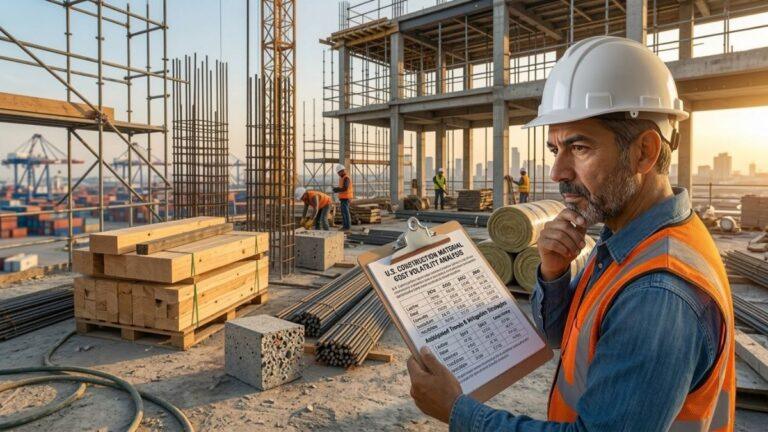
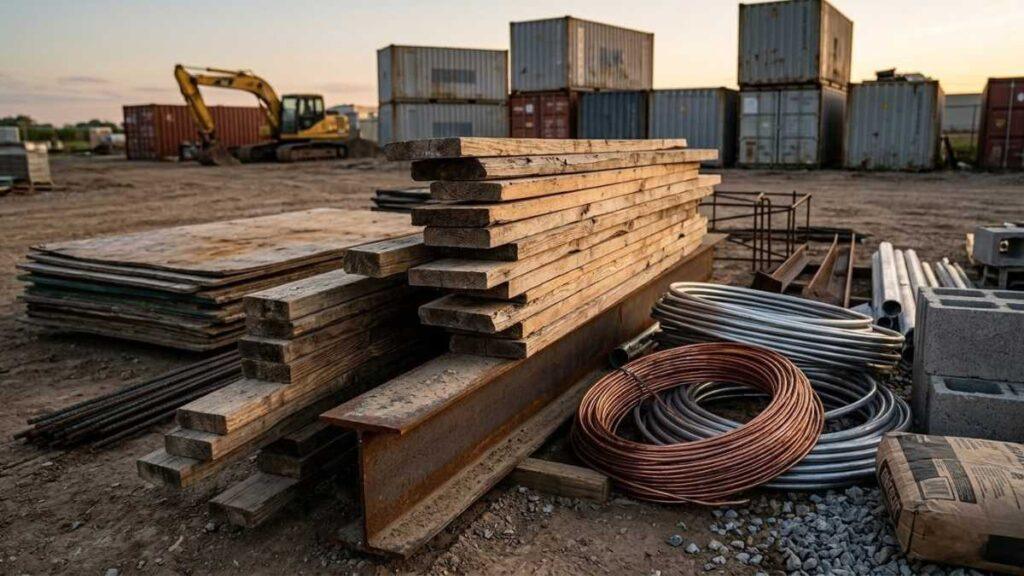
One of the most significant challenges facing builders in recent years has been material price volatility. Global supply chain disruptions have created rapid price fluctuations for key construction materials such as lumber, steel, aluminum, copper, and concrete.
Lumber prices, for example, experienced dramatic spikes during recent years due to increased housing demand and production constraints. Steel prices have also fluctuated due to international trade policies and energy market changes.
These price fluctuations can significantly affect project budgets, especially for projects with long construction timelines. Contractors must therefore incorporate contingency planning into cost estimates to account for possible material price increases.
Many builders monitor commodity price trends through industry organizations such as:
National Association Of Home Builders
This organization regularly publishes data and research on construction material costs and housing market trends.
Monitoring supply chain developments allows contractors to anticipate price changes and adjust procurement strategies accordingly.
Labor shortages and workforce cost pressures
Labor availability remains one of the most important factors influencing construction costs. The construction industry has experienced persistent labor shortages for more than a decade as experienced workers retire and fewer younger workers enter skilled trades.
The shortage of qualified electricians, plumbers, welders, heavy equipment operators, and carpenters has increased competition among construction companies seeking skilled labor. As a result, wages have risen significantly in many regions.
Contractors are increasingly investing in workforce development programs, apprenticeships, and training initiatives to attract and retain skilled employees.
Workforce research and labor statistics are available through organizations such as:
Associated Builders And Contractors
These reports help construction companies understand workforce trends and plan hiring strategies.
Companies that prioritize workforce development are often better positioned to maintain productivity and control labor costs over time.
Strategies builders use to control construction costs
While many cost factors are outside the direct control of contractors, builders can still implement strategies to manage construction expenses more effectively.
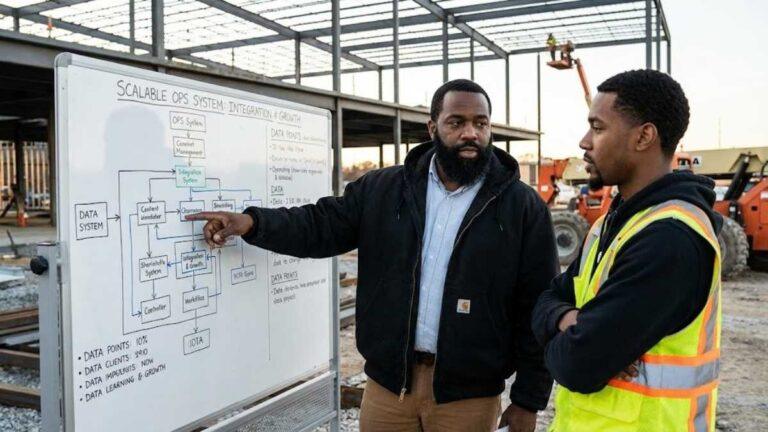
Accurate project estimation is one of the most important tools for cost control. Builders who use detailed cost databases, historical project data, and digital estimating software can generate more reliable project budgets.
Strategic procurement is another important strategy. Contractors who establish long-term relationships with suppliers may obtain more favorable pricing or priority access to critical materials.
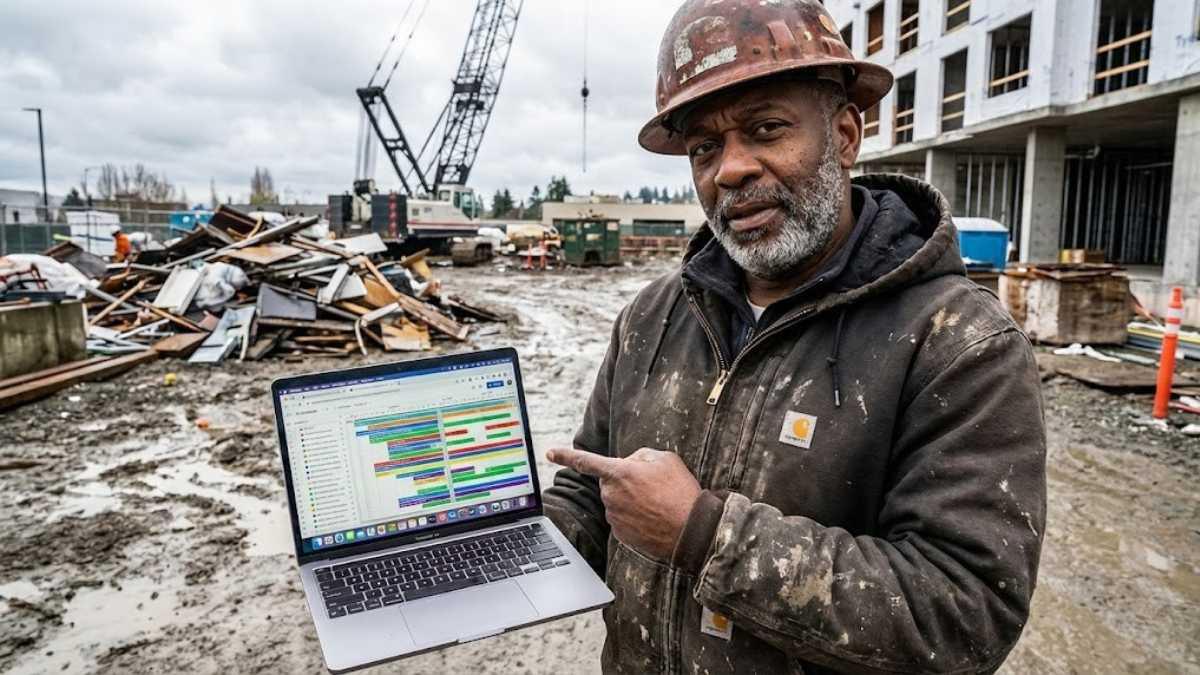
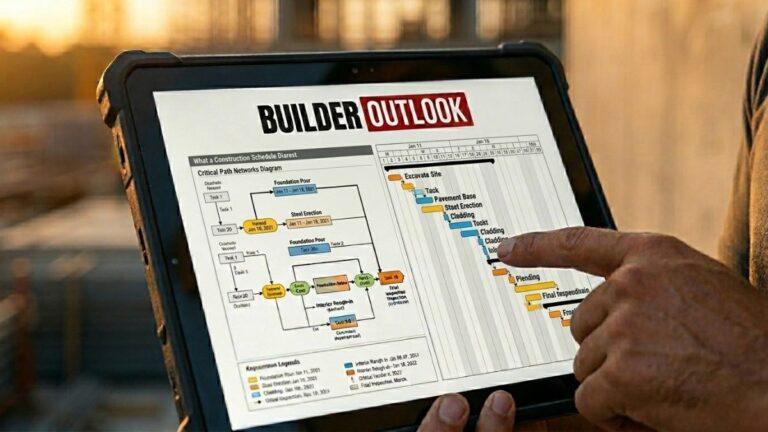
Efficient project scheduling can also reduce costs by minimizing equipment downtime and labor inefficiencies. Construction management software platforms allow project managers to coordinate timelines more effectively and avoid costly delays.
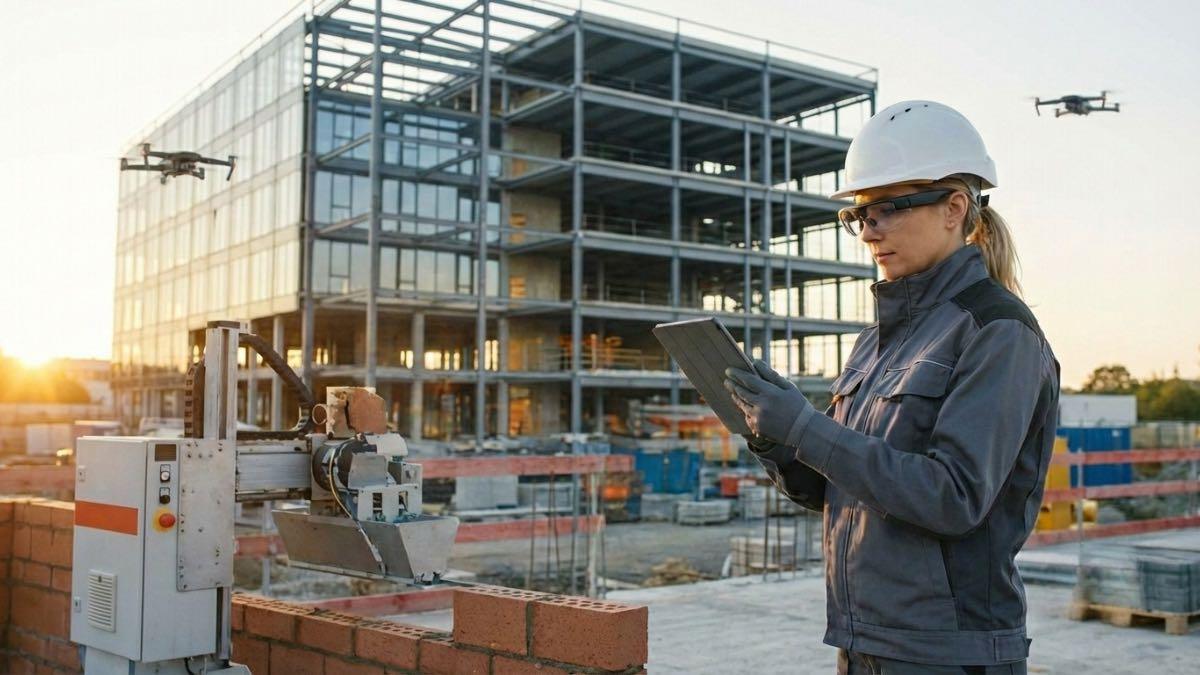
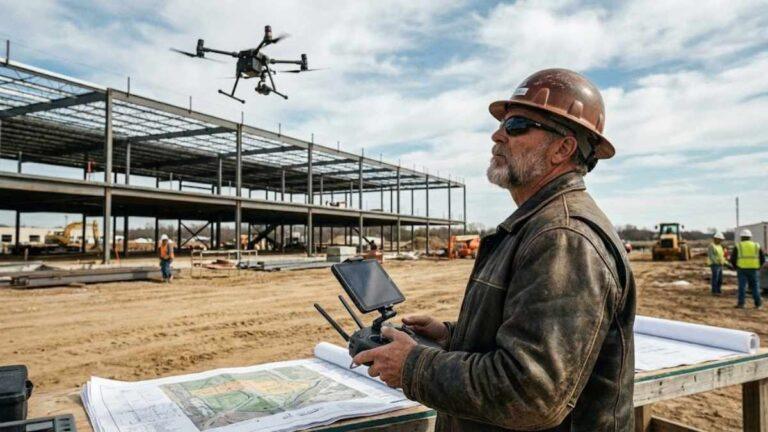
Technology adoption also plays a growing role in cost control. Digital project management tools, building information modeling (BIM), and scheduling software allow contractors to identify potential problems early and improve coordination among project teams.
Builders who combine financial discipline with operational efficiency are better equipped to maintain profitability even when construction costs increase.


FAQ – Construction costs in the united states: what builders need to know in 2025
1. What are the main factors affecting construction costs in the united states?
Construction costs are influenced by material prices, labor wages, equipment expenses, regulatory requirements, insurance costs, and regional economic conditions.
2. Why have construction costs increased in recent years?
Rising labor shortages, supply chain disruptions, material price volatility, and increased regulatory requirements have contributed to higher construction costs.
3. Do construction costs vary between states?
Yes. Construction costs vary significantly depending on local labor markets, material transportation costs, and regional regulatory requirements.
4. What materials affect construction budgets the most?
Steel, lumber, concrete, copper, and aluminum are among the materials that have the greatest influence on overall construction project costs.
5. How do contractors estimate construction costs?
Contractors typically use cost databases, historical project data, supplier quotes, and digital estimating tools to calculate project budgets.
6. What are soft costs in construction?
Soft costs include architectural design fees, engineering services, permit fees, legal services, insurance coverage, and financing costs.
7. How can builders reduce construction costs?
Builders can control costs by improving project estimation accuracy, optimizing procurement strategies, using construction management software, and improving workforce productivity.
8. Where can contractors find reliable construction cost data?
Contractors can consult organizations such as the Bureau of Labor Statistics, RSMeans, and construction industry associations for cost data.