Population migration within the United States has become one of the most powerful forces shaping the construction industry. Over the past decade, millions of Americans have relocated from high-cost metropolitan areas to more affordable regions, particularly in the southern and western states. These migration patterns have dramatically changed housing demand, infrastructure requirements, labor markets, and long-term development opportunities across the country.
For builders and developers, migration trends represent one of the most important indicators of future construction demand. When large numbers of people relocate to specific regions, the need for new housing, transportation infrastructure, schools, healthcare facilities, and commercial developments increases rapidly. Contractors operating in these growing regions often experience sustained demand for new projects, while builders in slower-growth areas may face reduced construction activity.
Understanding where people are moving—and why—allows construction companies to anticipate future development opportunities. Migration trends influence land values, housing development patterns, rental markets, and local economic growth. Builders who study demographic shifts carefully can position themselves in markets where construction demand will remain strong for many years.
Migration patterns also affect labor markets within the construction industry. As populations shift toward certain states, construction companies in those regions must recruit additional workers to meet growing demand. At the same time, regions experiencing population decline may face reduced construction activity and slower housing markets.
For contractors, developers, and investors, migration trends provide valuable insight into where the construction industry is likely to expand in the future.
Major migration patterns within the United States
Internal migration within the United States has accelerated in recent years as individuals and families search for better economic opportunities, lower living costs, and improved quality of life. Several large-scale migration trends have become particularly visible during the past decade.
One of the most significant patterns is the movement of residents from high-cost coastal states toward more affordable regions in the south and southwest. States such as California and New York have experienced net population outflows as housing costs increased dramatically. Many households relocated to states such as Texas, Florida, Tennessee, Arizona, and North Carolina where housing is generally more affordable and economic growth remains strong.
These migration flows are well documented by demographic data collected by federal agencies.
U.S. Census Bureau – domestic migration statistics
Census migration data shows that states experiencing strong population inflows also tend to experience increased demand for residential construction, infrastructure expansion, and commercial development.
Another migration trend involves movement from dense urban centers toward suburban and secondary metropolitan areas. Many households have sought larger homes, lower population density, and improved affordability in suburban communities. This shift has increased demand for residential developments in areas surrounding major cities.
For builders, these migration trends create new development opportunities outside traditional urban cores.
Why people are relocating to new construction markets
Several economic and social factors explain why millions of Americans have relocated to new states during the past decade. Housing affordability is one of the most important drivers. In high-cost states, home prices and rental costs increased significantly during the past twenty years. Many families discovered that relocating to another state could dramatically reduce housing expenses while improving overall quality of life.
Tax policy also plays a role in migration decisions. Some states have lower income taxes or more favorable business environments, which attract both individuals and companies. When businesses relocate or expand operations in new regions, employment opportunities increase and population growth often follows.
Climate and lifestyle preferences also influence migration patterns. Warmer climates in southern states attract retirees and remote workers seeking improved quality of life. In addition, the expansion of remote work opportunities has allowed many professionals to relocate away from expensive metropolitan areas while maintaining employment with companies located elsewhere.
Economic development organizations track these migration patterns carefully because they influence long-term regional growth.
Federal Reserve Bank – regional economic data
These demographic changes create significant opportunities for construction companies operating in rapidly growing states.
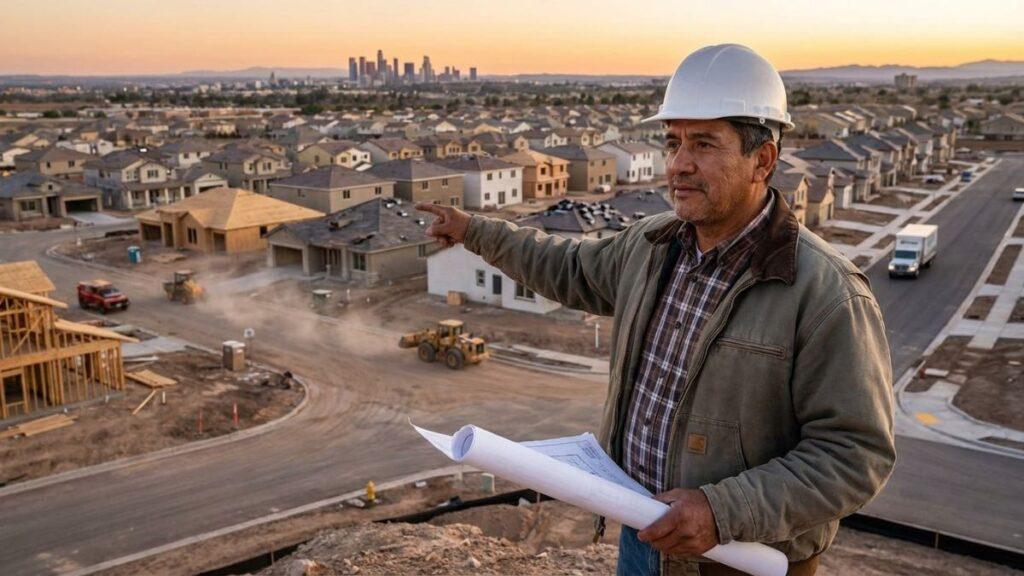
How migration drives housing demand
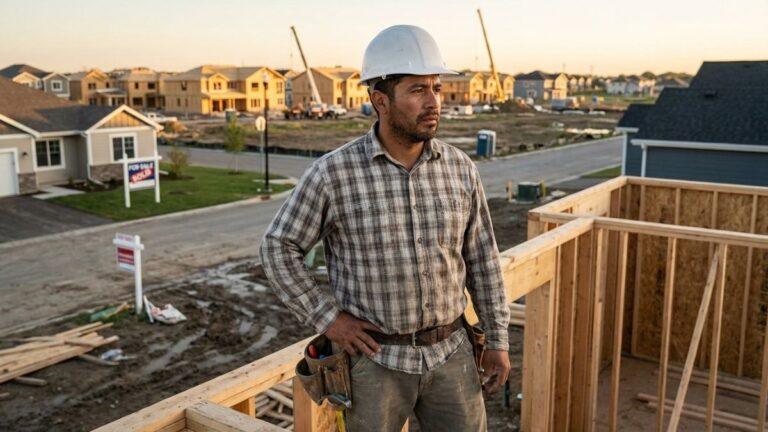
Population growth within specific regions immediately increases demand for housing. When thousands of new residents move into a metropolitan area, the local housing supply may struggle to accommodate the sudden increase in demand. As a result, builders often accelerate residential construction to meet the needs of new households.
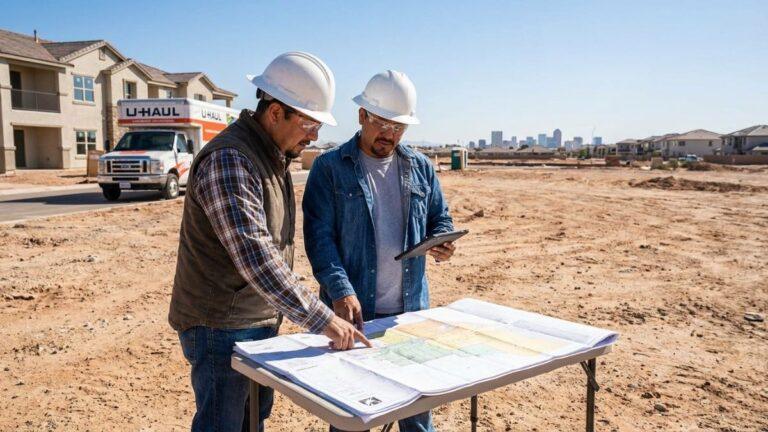
Single-family housing developments frequently expand in suburban areas surrounding fast-growing cities. These communities offer larger homes and more affordable land compared to urban centers. As suburban housing expands, infrastructure development becomes necessary to support new residents. Roads, utilities, schools, healthcare facilities, and retail centers must be constructed to serve these growing communities.
Multi-family housing construction also increases in rapidly growing urban areas. Apartment developments, townhouses, and mixed-use residential buildings help accommodate population growth in cities where land availability is limited.
For contractors specializing in residential construction, migration-driven housing demand can create long-term project pipelines.
Infrastructure demand created by population growth
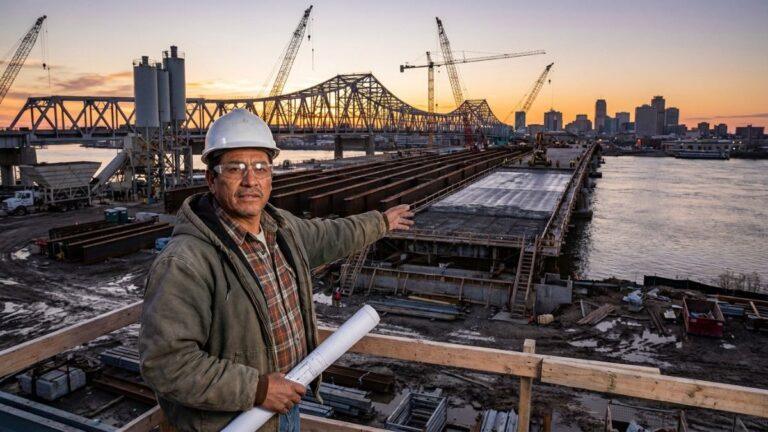
Migration trends do not only influence housing development. Population growth also creates substantial demand for infrastructure expansion. Roads, bridges, water systems, power distribution networks, and public transportation systems must all expand to accommodate growing populations.
Local governments often respond to population growth by investing in infrastructure projects designed to support new communities. These projects may include highway expansions, public transit development, water treatment facilities, and energy infrastructure improvements.
Infrastructure construction represents a significant portion of total construction spending in rapidly growing regions. Contractors specializing in civil engineering projects often experience strong demand in states experiencing population inflows.
Infrastructure planning data can be found through federal transportation agencies.
U.S. Department Of Transportation – infrastructure planning resources
https://www.transportation.gov
These investments create additional opportunities for construction companies beyond residential housing development.
How builders can identify emerging construction markets
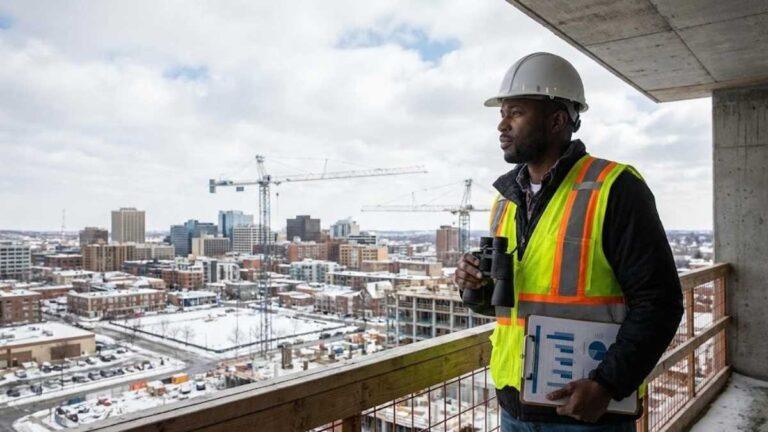
Successful builders closely monitor demographic and economic data to identify regions experiencing strong population growth. Population statistics, employment trends, housing demand indicators, and infrastructure investment plans all provide insight into future construction opportunities.
Contractors often analyze data from multiple sources when evaluating new markets. Population growth statistics, housing price trends, employment expansion, and migration flows help builders determine where demand for construction services is likely to increase.
The U.S. Census Bureau provides demographic data that can help builders identify fast-growing regions.
U.S. Census Bureau – population growth statistics
Builders who understand migration trends early can acquire land, establish supplier relationships, and build subcontractor networks before competition intensifies.
Advertising

FAQ – Migration trends reshaping the construction industry in the united states
1. Why are migration trends important for the construction industry?
Migration trends determine where housing demand will increase in the future. Builders who understand where populations are moving can identify regions where residential construction, infrastructure development, and commercial projects will expand.
2. Which states are receiving the most population growth in the united states?
States such as Texas, Florida, Arizona, Tennessee, and North Carolina have experienced significant population growth during the past decade due to economic opportunities and housing affordability.
3. How does migration affect housing markets?
When populations increase in certain regions, demand for housing rises. This often leads to increased residential construction as builders attempt to meet growing demand.
4. Why are people leaving high-cost states?
Many households relocate due to high housing prices, taxes, and living costs in certain metropolitan areas. Moving to more affordable regions can significantly reduce overall expenses.
5. How does migration affect infrastructure development?
Population growth increases demand for infrastructure such as roads, water systems, utilities, and public services. Governments often invest heavily in infrastructure projects to support expanding communities.
6. Do migration trends influence construction labor demand?
Yes. Regions experiencing rapid population growth often require more construction workers to build housing and infrastructure projects.
7. Where can contractors find migration data for market analysis?
Reliable migration statistics are available through the U.S. Census Bureau and other government economic research institutions.
8. Can builders profit from migration trends?
Builders who identify fast-growing regions early can develop residential projects and infrastructure partnerships that benefit from strong population growth.