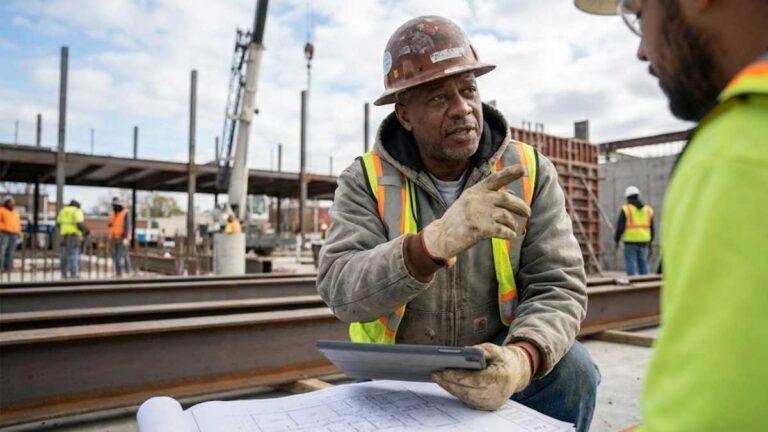
Workforce strategies, recruiting channels, and hiring systems used by successful contractors
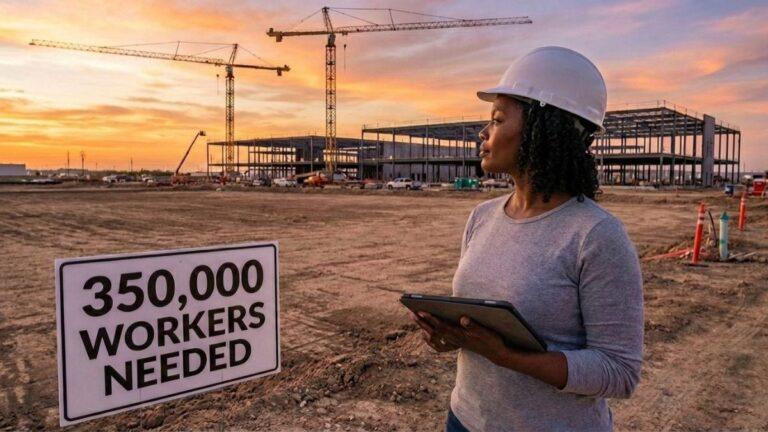
Hiring skilled construction workers has become one of the most critical challenges facing the U.S. construction industry. While demand for new housing, infrastructure, and commercial development continues to grow across the country, the supply of experienced construction professionals has not kept pace. Contractors in nearly every region report difficulty finding qualified electricians, plumbers, carpenters, equipment operators, and project supervisors.
This labor shortage is not simply a temporary labor market fluctuation. It reflects deeper structural changes affecting the workforce pipeline. For decades, fewer young workers have entered the construction trades, while many experienced workers from previous generations are approaching retirement age. At the same time, increased construction activity in rapidly growing states such as Texas, Florida, Arizona, and North Carolina has intensified competition for skilled workers.
For builders, the ability to hire and retain skilled construction workers is now a defining competitive advantage. Companies that establish strong recruiting systems, training programs, and workforce partnerships can secure reliable crews even during labor shortages. Contractors who rely solely on informal hiring methods often struggle to find workers quickly enough to meet project schedules.
Understanding how to hire skilled construction workers requires a structured approach. Builders must evaluate recruiting channels, training pipelines, compensation strategies, and workforce retention policies. Companies that treat workforce development as a strategic priority rather than a reactive process are far more likely to build stable, high-performing teams.
Understanding the construction workforce shortage
The construction workforce shortage has been widely documented by industry organizations and labor economists. Surveys conducted by construction associations consistently show that contractors across the United States report difficulty filling open positions. The shortage affects nearly every trade within the construction industry.
Several long-term trends contribute to this workforce gap. One of the most significant factors is demographic change. A large portion of the construction workforce entered the industry during the building boom of the 1970s, 1980s, and 1990s. Many of these workers are now approaching retirement age, reducing the total number of experienced tradespeople available to work on projects.
Another contributing factor is the decline in vocational education programs in many school systems. Over the past several decades, many high schools shifted emphasis toward college preparation rather than skilled trades training. As a result, fewer young workers have entered apprenticeship programs or trade schools that prepare them for careers in construction.
Industry reports published by the Associated Builders and Contractors organization highlight the scale of the workforce challenge.
Associated Builders and Contractors – Construction Workforce Shortage Analysis
Understanding these structural factors helps contractors recognize that workforce development must be addressed proactively rather than waiting for the labor market to improve.
The most effective recruiting channels for construction workers
Contractors who rely only on traditional hiring methods often miss many potential recruiting opportunities. Skilled construction workers are found through a variety of channels, and successful builders typically combine multiple recruiting strategies to build their workforce pipeline.
Online job platforms have become an important recruiting tool in the construction industry. Websites that specialize in trade employment allow contractors to connect directly with experienced workers seeking new opportunities. These platforms can help builders expand their reach beyond local networks and identify candidates with specific trade skills.
However, online recruiting alone is rarely sufficient. Many experienced tradespeople find new work through professional networks, referrals from other workers, or relationships developed through previous projects. Contractors who build strong reputations for reliability and fair compensation often attract workers through word-of-mouth referrals.
Another valuable recruiting source is partnerships with vocational training programs and trade schools. These institutions train new workers in specialized construction skills such as electrical systems, welding, carpentry, and HVAC installation. Contractors who collaborate with these programs gain early access to graduates entering the workforce.
The U.S. Department of Labor maintains information about apprenticeship programs that train skilled workers across many construction trades.
U.S. Department of Labor – Apprenticeship Programs
https://www.apprenticeship.gov
These programs represent one of the most reliable pipelines for developing new construction workers.


Apprenticeship programs and workforce development
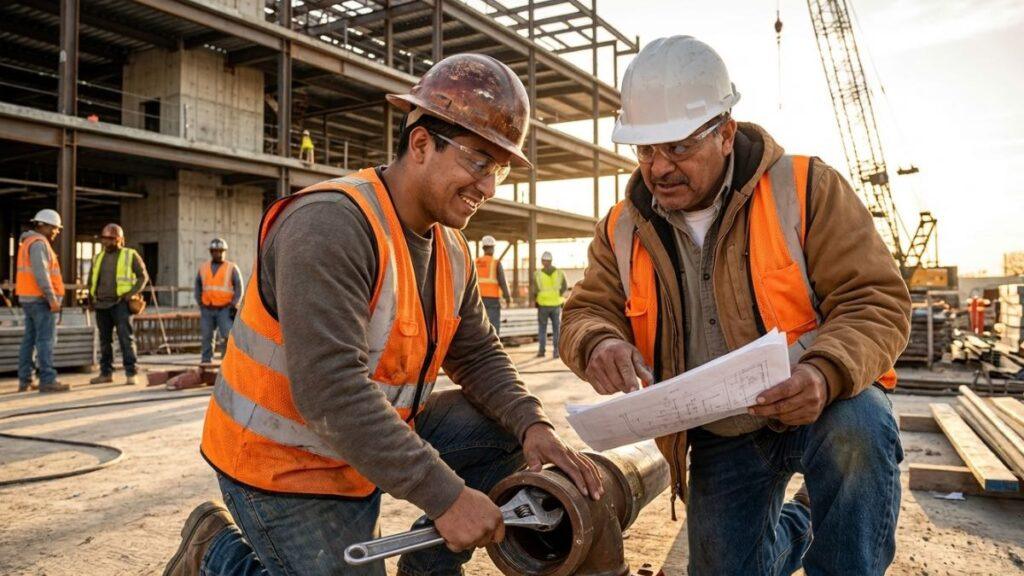
Apprenticeships play a central role in building the skilled construction workforce. These programs combine classroom instruction with on-the-job training, allowing workers to develop practical skills while earning wages. Apprenticeships are widely used across many construction trades including plumbing, electrical work, carpentry, and heavy equipment operation.
For contractors, participating in apprenticeship programs provides several important advantages. Companies gain access to workers who are actively developing technical skills while learning industry standards and safety practices. Apprenticeships also help contractors build long-term relationships with workers who often remain with the company after completing their training.
Many apprenticeship programs are sponsored by industry associations, trade unions, or contractor organizations. These programs follow standardized training curricula designed to ensure workers develop the competencies required for their specific trades.
Information about apprenticeship opportunities and program standards is available through federal workforce development resources.
U.S. Department of Labor – Registered Apprenticeship System
Contractors who invest in apprenticeship programs contribute to solving the workforce shortage while building a stronger internal labor pipeline.
Compensation strategies for attracting skilled workers
Compensation plays an important role in recruiting construction workers, but wages alone rarely determine whether workers choose one contractor over another. Experienced tradespeople evaluate a combination of factors when deciding where to work, including job stability, working conditions, safety culture, career advancement opportunities, and management quality.
Competitive wages remain essential because the construction labor market is highly competitive in many regions. Contractors who offer wages significantly below local market rates will struggle to attract experienced workers. Builders must therefore monitor regional wage trends regularly to ensure their compensation packages remain competitive.
However, benefits and workplace conditions are equally important. Many contractors attract workers by offering health insurance, retirement plans, training opportunities, and consistent project schedules that reduce uncertainty between jobs. Workers often prefer employers who provide stable employment rather than short-term project assignments.
Companies that invest in employee development programs often experience higher retention rates because workers see opportunities for long-term career growth. Training programs that help workers develop additional certifications or trade specialties can significantly improve workforce stability.
Improving retention in the construction workforce
Hiring skilled construction workers is only part of the workforce challenge. Retaining experienced workers is equally important because high turnover disrupts project schedules and increases recruiting costs. Contractors who build stable teams benefit from higher productivity, improved safety performance, and stronger working relationships among crew members.
Retention begins with effective leadership on job sites. Workers are more likely to remain with companies that provide clear communication, fair treatment, and organized project management. Job sites that are chaotic, unsafe, or poorly supervised often experience high turnover rates because workers prefer to move to better-managed companies.
Safety culture also influences retention. Construction workers value employers who prioritize safety and provide appropriate training, equipment, and procedures. Companies with strong safety records often attract experienced workers who want to work in professional environments where their well-being is respected.
Recognition programs can also strengthen retention. Workers who feel their contributions are valued are more likely to remain with their employers. Contractors who create positive workplace cultures often develop loyal teams that stay with the company for many years.


FAQ – How to hire skilled construction workers in the united states
1. Why is it difficult to hire skilled construction workers in the United States?
The construction industry faces a workforce shortage caused by demographic shifts, fewer young workers entering the trades, and increased demand for construction services. Many experienced workers are retiring while the number of new workers entering apprenticeship programs remains insufficient to replace them.
2. What are the best ways to recruit construction workers?
Contractors typically recruit workers through a combination of job platforms, industry networks, trade schools, apprenticeship programs, and referrals from existing employees. Using multiple recruiting channels increases the likelihood of finding qualified workers with specialized trade skills.
3. Are apprenticeship programs effective for hiring construction workers?
Apprenticeship programs are one of the most effective workforce development systems in the construction industry. These programs combine classroom instruction with jobsite training, allowing workers to develop practical skills while contractors gain access to motivated trainees.
4. How important are wages when hiring construction workers?
Competitive wages are essential for attracting skilled workers, but compensation packages also include benefits, job stability, training opportunities, and workplace culture. Contractors who offer balanced compensation structures often attract more experienced workers.
5. What construction trades are most difficult to hire?
Many contractors report shortages in trades such as electricians, plumbers, carpenters, HVAC technicians, and heavy equipment operators. These trades require specialized training and certification, which limits the number of qualified workers entering the workforce.
6. How can contractors retain skilled workers long term?
Retention improves when contractors provide consistent work, safe job sites, competitive wages, professional management, and opportunities for career advancement. Workers are more likely to remain with companies that treat employees respectfully and support long-term development.
7. Do construction companies hire workers directly or through subcontractors?
Many construction companies use a combination of direct employees and subcontractors. Large contractors often maintain core teams for key trades while subcontracting specialized work to companies with expertise in specific construction disciplines.
8. Where can contractors find official information about apprenticeship programs?
Contractors can find information about apprenticeship programs through the U.S. Department of Labor and industry organizations that sponsor training programs for construction trades.