How professional contractors identify, control, and reduce operational risks in the U.S. construction industry
The construction industry operates in one of the most complex risk environments in the modern economy. Unlike many service or digital industries where risks are primarily financial or reputational, construction companies face simultaneous exposure to physical hazards, legal liabilities, financial volatility, project delays, labor shortages, supply chain disruptions, and regulatory compliance issues. Because projects involve multiple stakeholders, high capital investment, and dynamic jobsite conditions, risk management becomes one of the most critical competencies for contractors seeking long-term stability.
Many contractors assume risk management simply means purchasing insurance policies or complying with safety regulations. While those components are important, they represent only a small portion of the broader discipline. Effective risk management requires a structured process that identifies potential threats before they occur, evaluates their probability and impact, and implements systems that reduce or control those risks. Contractors who fail to adopt this proactive mindset often find themselves reacting to crises rather than preventing them.
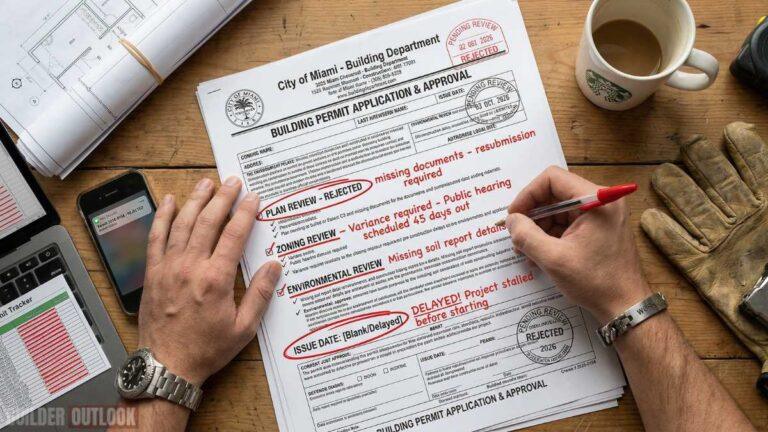
In the United States, risk management in construction has become increasingly important due to rising project complexity, stricter regulatory oversight, and growing financial pressures across the industry. Delays caused by supply chain interruptions, labor shortages, and fluctuating material prices have demonstrated how vulnerable projects can be when companies lack structured planning. As projects grow larger and contracts become more sophisticated, contractors must develop systems that address operational, financial, and legal risks simultaneously.
This article explains how professional construction companies manage risk in the United States. It explores the most common categories of risk faced by contractors, practical strategies used to control those risks, and the organizational structures that allow builders to operate safely and sustainably in a highly competitive industry.
Understanding the main categories of construction risk
Construction risk is not a single problem. It is a collection of different risk categories that interact with one another throughout the lifecycle of a project. Contractors who approach risk management effectively begin by understanding these categories and developing strategies to control them.
The most significant types of construction risk include operational risk, financial risk, contractual risk, safety risk, and market risk.
Operational risk refers to the uncertainties associated with executing construction work. These risks include scheduling delays, labor productivity problems, equipment failures, supply chain interruptions, and coordination challenges between subcontractors. Construction projects rely on precise sequencing of activities, and small disruptions can cascade into major schedule impacts if not addressed quickly.
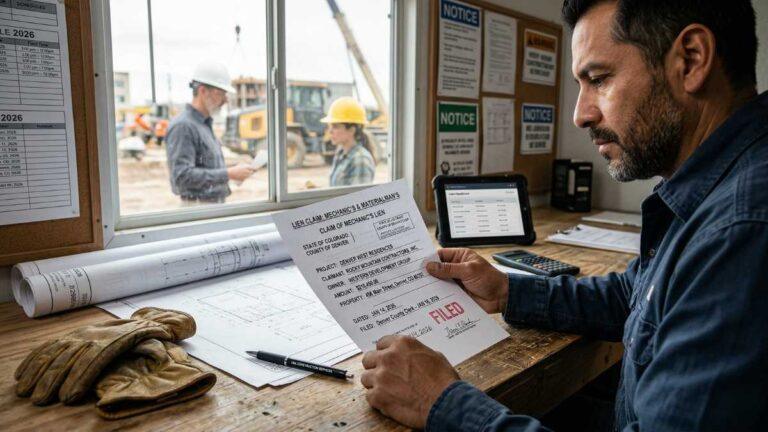
Financial risk is equally significant in construction. Contractors must finance labor, materials, and equipment before receiving payments tied to project milestones. If a client delays payment or a project experiences cost overruns, the contractor’s cash flow may be affected. This is one of the reasons financial planning and strong accounting systems are essential components of risk management.
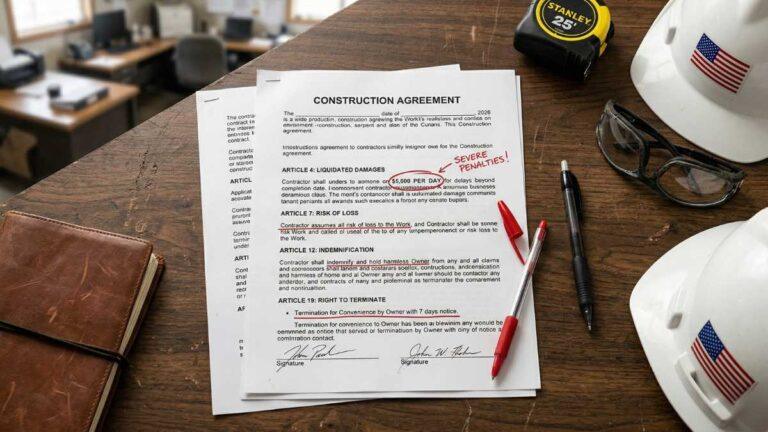
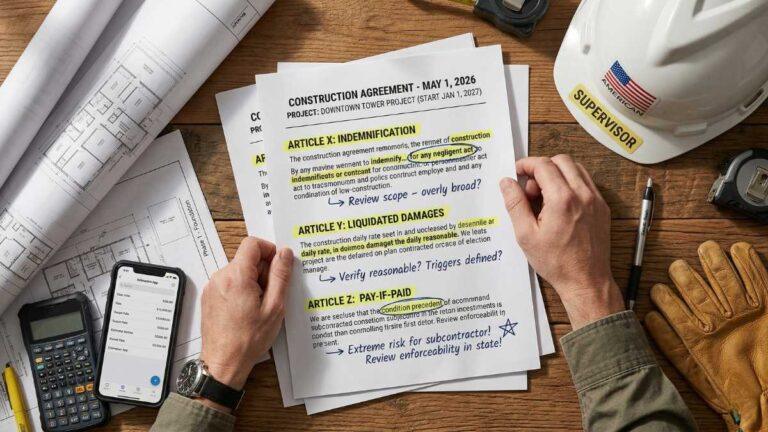
Contractual risk arises from the legal obligations defined in construction agreements. Poorly written contracts, unclear scopes of work, unrealistic timelines, and unfavorable payment terms can create serious financial exposure. Contractors who fail to analyze contracts carefully may unknowingly accept risks that threaten project profitability.
Safety risk is one of the most visible forms of construction risk. Jobsites involve heavy equipment, elevated work areas, electrical hazards, and physically demanding tasks. Accidents can result in injuries, lawsuits, regulatory penalties, and project delays.
Finally, market risk reflects broader economic conditions affecting the construction industry. Changes in interest rates, housing demand, infrastructure spending, or regional development trends can influence the availability of projects and the financial stability of construction companies.
Professional contractors understand that these risks cannot be eliminated entirely, but they can be managed through disciplined planning and organizational systems.
The role of safety programs in construction risk management
Safety programs represent one of the most visible components of construction risk management, but they are often misunderstood. A safety program is not simply a regulatory requirement imposed by government agencies. It is a structured system designed to protect workers, prevent accidents, and reduce financial exposure for the company.
The Occupational Safety and Health Administration (OSHA) is the primary federal agency responsible for regulating workplace safety in the United States. OSHA provides extensive guidelines and standards for construction operations, including fall protection requirements, equipment safety protocols, hazard communication procedures, and training obligations for workers.
Official OSHA construction safety standards can be found here:
Occupational Safety and Health Administration – Construction Industry Standards
https://www.osha.gov/construction
Companies that implement structured safety programs experience fewer accidents, lower insurance costs, and improved operational efficiency. Effective safety programs include regular training sessions, jobsite inspections, hazard identification procedures, and clear communication protocols between supervisors and workers.
Beyond compliance, safety programs create a culture of accountability that strengthens the entire organization.
Advertising

Contract management as a risk control strategy
Contracts define the legal framework of every construction project. Yet many contractors focus heavily on bidding and project execution while paying insufficient attention to contract terms. This oversight can expose companies to significant financial risk.
Professional contractors analyze contracts carefully before signing them. Key areas requiring attention include scope of work definitions, change order procedures, payment schedules, retainage conditions, dispute resolution mechanisms, and termination clauses.
Organizations such as the American Institute of Architects (AIA) provide standardized construction contract templates widely used across the United States. These documents help clarify responsibilities between project owners, architects, contractors, and subcontractors.
American Institute of Architects – Contract Documents
https://www.aiacontracts.org
Using well-structured contracts reduces misunderstandings and provides clear procedures for resolving disputes when they arise.
Financial risk control through project planning
Financial risk in construction often arises from poor project planning rather than unexpected events. Contractors who begin projects without accurate cost estimates, realistic schedules, and disciplined financial monitoring are far more likely to experience cost overruns and cash flow problems.
Professional contractors rely on structured estimating processes, historical job cost data, and detailed scheduling systems to reduce financial uncertainty. By analyzing past projects, companies can identify cost patterns and productivity benchmarks that improve future estimates.
Cash flow forecasting also plays a major role in financial risk management. Contractors must anticipate payment schedules, material purchases, payroll obligations, and equipment expenses to ensure that sufficient funds remain available throughout the project lifecycle.
Companies that maintain strong financial visibility are better equipped to absorb unexpected disruptions without jeopardizing the entire business.

FAQ – Risk management strategies for construction companies
1. What is construction risk management?
Construction risk management is the process of identifying, analyzing, and controlling potential threats that could affect the success of construction projects. These risks include safety hazards, financial instability, legal disputes, scheduling delays, and market fluctuations that influence project profitability.
2. Why is risk management important for construction companies?
Risk management helps contractors prevent accidents, control project costs, avoid legal disputes, and maintain stable operations. Companies that proactively manage risk are better prepared to handle unexpected challenges and maintain long-term financial sustainability.
3. What are the most common risks in construction projects?
The most common risks include labor shortages, project delays, cost overruns, safety incidents, contractual disputes, and supply chain disruptions. These risks can significantly impact project timelines and financial performance if not managed properly.
4. How do safety programs reduce construction risk?
Safety programs reduce risk by identifying hazards, training workers, implementing protective equipment requirements, and enforcing jobsite procedures. Strong safety cultures reduce accidents, protect workers, and lower legal and insurance costs.
5. Why are construction contracts important for risk management?
Contracts define responsibilities between project stakeholders. Well-structured agreements clarify payment schedules, scope of work, and dispute resolution processes, which reduces misunderstandings and protects contractors from legal and financial exposure.
6. How does financial planning reduce project risk?
Financial planning ensures that contractors understand project costs, cash flow requirements, and payment timelines before work begins. This preparation helps companies avoid cost overruns and maintain financial stability during project execution.
7. Can risk management improve construction profitability?
Yes. Contractors who manage risk effectively reduce delays, avoid disputes, and control costs more efficiently. These improvements directly increase profit margins and operational stability.
8. What organizations provide guidance on construction risk management?
Organizations such as OSHA, the American Institute of Architects, and industry associations like AGC provide resources and guidelines for managing construction risks effectively.