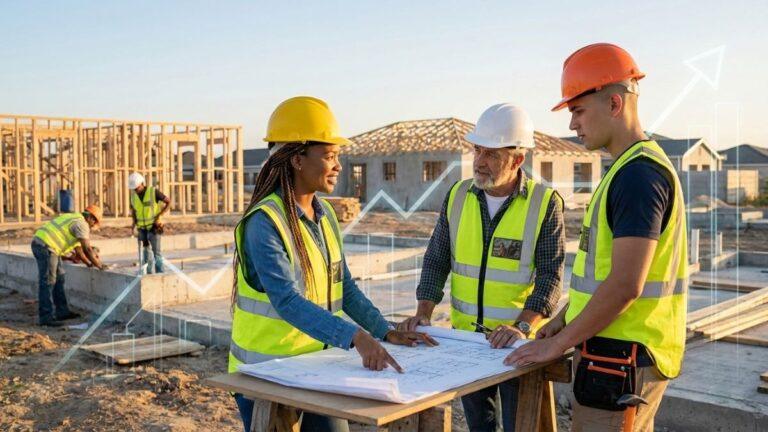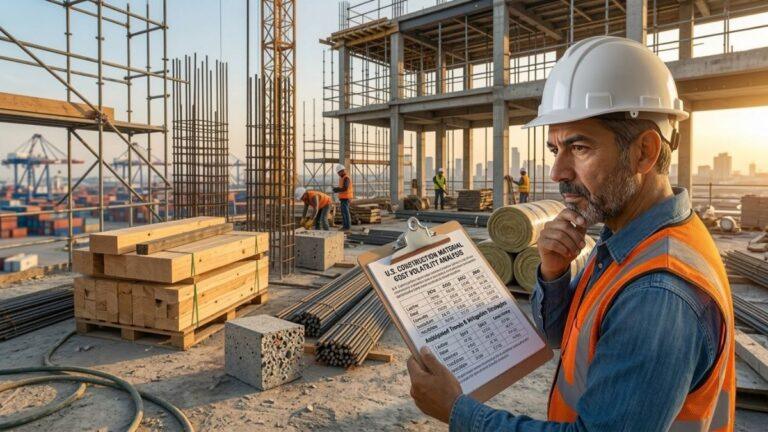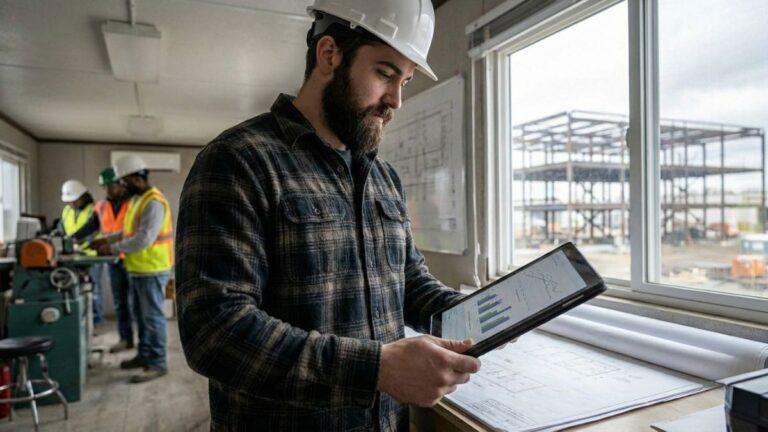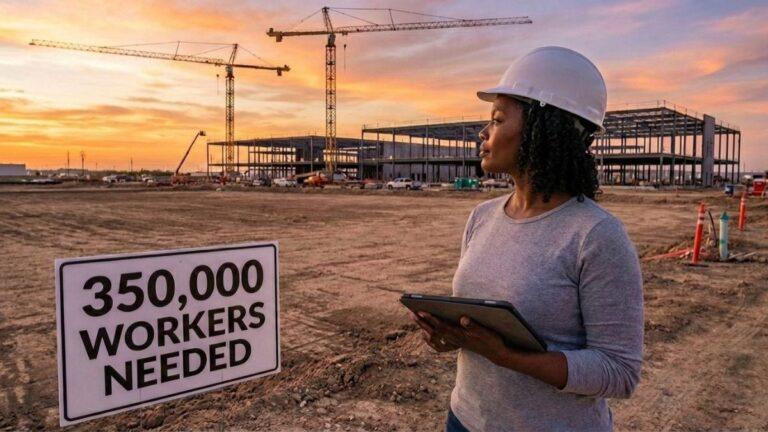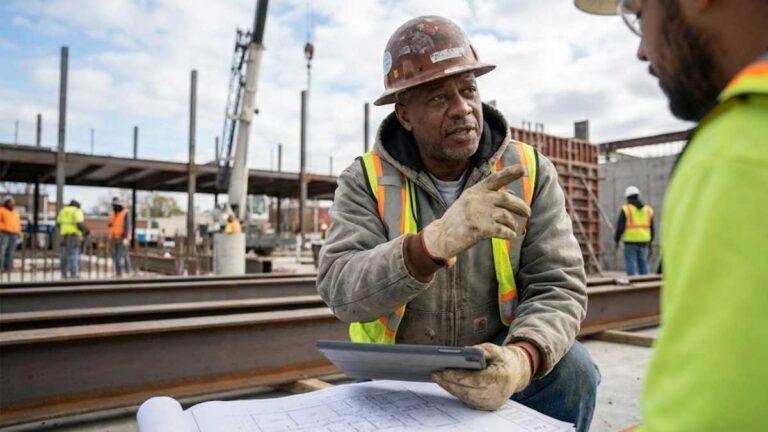
Managing finances in the construction industry is significantly more complex than in most other sectors of the economy. Contractors must deal with irregular project cash flow, subcontractor payments, equipment costs, permit fees, and multiple overlapping job budgets. Without a proper accounting system designed specifically for construction businesses, even profitable companies can quickly run into financial instability.
Construction companies operate in a project-based environment where each job must be tracked independently. Unlike retail or service businesses that generate steady revenue streams, contractors often receive payments in phases tied to project milestones. This structure makes financial forecasting, cost control, and job profitability analysis essential parts of running a successful construction business.
Many contractors begin their businesses using simple bookkeeping tools or general accounting software. However, as projects increase in scale and complexity, standard accounting systems often fail to provide the visibility needed to manage construction operations effectively. Specialized accounting practices such as job costing, progress billing, and retainage tracking become necessary to maintain financial clarity.
Understanding construction accounting systems allows contractors to control project costs, protect cash flow, and build companies that remain financially stable even during market fluctuations. Builders who implement strong accounting systems early gain a significant competitive advantage as their companies grow.
Why construction accounting is different from traditional business accounting
Construction accounting differs from traditional accounting primarily because construction companies operate through projects rather than continuous product sales. Each project represents a temporary financial ecosystem with its own costs, contracts, materials, labor expenses, and profit margins.
Because projects may last months or even years, contractors must track revenue and expenses in a way that reflects the real financial performance of each job. Traditional accounting systems often record transactions in chronological order, but construction accounting must organize financial data by project and contract.
Another unique feature of construction accounting is progress billing. Contractors rarely receive full payment upfront. Instead, payments are made in stages based on completed work. This payment structure requires detailed tracking systems that monitor project completion percentages and corresponding billing schedules.
Job costing: the backbone of construction accounting
Job costing is the most important financial system used by construction companies. It involves assigning every expense related to a project—including materials, labor, equipment, subcontractors, and permits—to a specific job. This process allows contractors to evaluate whether each project is profitable.
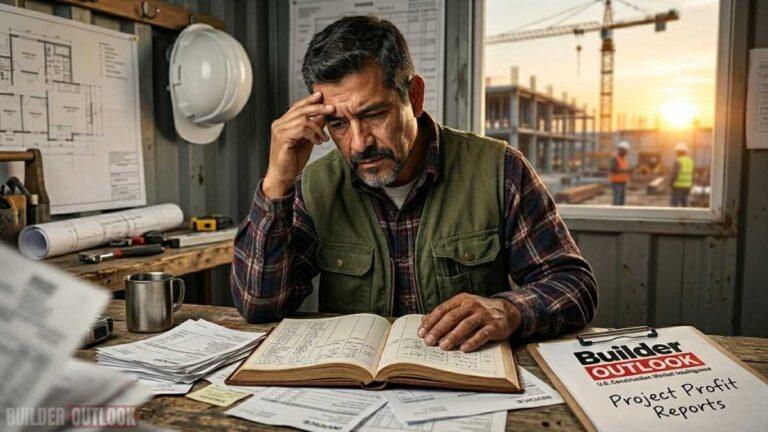
Without accurate job costing, contractors cannot determine which projects generate profit and which ones erode margins. Even large construction companies sometimes experience financial losses simply because job costs were not monitored carefully during the execution of projects.
Job costing also allows contractors to improve future bidding strategies. By analyzing historical job data, construction companies can better estimate future projects and avoid underbidding contracts that later become financially unsustainable.
Cash flow management in construction companies
Cash flow management is one of the most critical financial challenges facing construction companies. Projects often require significant upfront spending on materials, labor, and permits before contractors receive payments from clients.
Because construction payments are frequently tied to milestone completion or monthly progress billing, contractors must carefully plan their financial resources to ensure they can continue operating while waiting for payment cycles. Poor cash flow planning is one of the most common reasons construction businesses fail.
Construction accounting systems help contractors forecast incoming payments, schedule outgoing expenses, and maintain sufficient financial reserves to sustain operations during slow payment periods.


Retainage and progress billing explained
Many construction contracts include retainage clauses, which allow project owners to hold a portion of each payment until the project is completed. Retainage typically ranges between five and ten percent of the contract value and is intended to ensure that contractors complete projects according to contractual specifications.
Progress billing is closely related to retainage management. Contractors submit payment requests based on the percentage of work completed during each phase of the project. Accurate accounting systems track these billing cycles and ensure that contractors receive the payments they are contractually entitled to.
Without proper tracking systems, contractors may lose track of retained funds or fail to bill clients correctly for completed work.
Construction accounting software and tools
Modern construction companies increasingly rely on specialized accounting software designed specifically for project-based financial management. These tools integrate accounting with project management, job costing, payroll, and contract administration.
Examples of widely used construction accounting platforms include systems that track project budgets, subcontractor payments, equipment expenses, and contract billing schedules. These platforms help contractors maintain real-time visibility into financial performance across multiple projects.
Builders who invest in proper accounting technology often experience improved financial discipline and greater operational efficiency.
Building financial discipline in construction companies
Strong accounting practices help contractors move beyond reactive financial management and toward strategic business planning. Contractors who understand the financial performance of each project can make better decisions about pricing, staffing, and expansion.
Financial discipline also strengthens relationships with lenders, investors, and bonding companies. Construction firms with transparent financial systems are more likely to secure financing and qualify for larger projects.
Ultimately, accounting is not simply a compliance requirement—it is one of the core systems that determines whether a construction company can survive and grow in a competitive industry.


FAQ – construction accounting for contractors: financial systems every construction company needs
1. Why is construction accounting different from regular business accounting?
Construction accounting is different because construction companies operate through individual projects rather than continuous product sales. Each project must be tracked separately for revenue, costs, and profitability. This structure requires systems such as job costing, progress billing, and contract-based financial tracking that traditional accounting methods do not provide.
2. What is job costing in construction accounting?
Job costing is a financial system that assigns all project-related expenses—including labor, materials, subcontractors, and equipment—to specific construction projects. This allows contractors to determine the profitability of each job and improve bidding accuracy for future projects by analyzing historical financial performance.
3. Why is cash flow management critical for contractors?
Construction companies often spend money on materials and labor before receiving payments from clients. Because payments are tied to project milestones, contractors must manage cash flow carefully to ensure they have sufficient funds to continue operations while waiting for payment cycles.
4. What is retainage in construction contracts?
Retainage is a portion of project payment withheld by the client until the construction project is completed. This amount typically ranges between five and ten percent of the contract value and is designed to ensure contractors finish projects according to contractual obligations.
5. What accounting systems should construction companies implement first?
The most important accounting systems for construction companies include job costing systems, progress billing tracking, subcontractor expense monitoring, and cash flow forecasting. Implementing these systems early allows contractors to maintain financial control as projects increase in size and complexity.
6. Can construction accounting help contractors win larger projects?
Yes. Contractors with strong accounting systems are more likely to qualify for project bonding, secure financing, and demonstrate financial stability to project owners. Many large construction contracts require proof of financial discipline before awarding projects.
7. What role does accounting software play in construction companies?
Construction accounting software integrates financial tracking with project management systems. These tools allow contractors to monitor job costs, track billing cycles, manage payroll, and maintain real-time financial visibility across multiple projects simultaneously.
8. Why do many construction companies struggle financially despite having projects?
Many construction companies experience financial stress because they fail to track job profitability and manage cash flow properly. Without accurate accounting systems, contractors may underprice projects, overspend on labor or materials, or experience payment delays that create financial instability.