In the United States construction industry, payment disputes are not uncommon. Contractors frequently invest significant resources into projects long before receiving full payment for their work. Materials must be purchased, subcontractors must be paid, and crews must remain on site while work progresses. Because of these financial realities, the legal system provides contractors with a powerful tool designed to protect their right to payment: the mechanic’s lien.
However, in order for payment processes to function smoothly within construction projects, contracts often require the use of lien waivers. These documents play a critical role in the payment process by confirming that contractors, subcontractors, and suppliers waive their right to file a mechanic’s lien once payment has been received.
Lien waivers help owners ensure that they will not face future legal claims after making payments to contractors. At the same time, contractors must understand how these documents operate to avoid unintentionally giving up their legal right to collect payment for completed work.
The relationship between mechanic’s liens and lien waivers forms a critical part of the financial structure of construction projects across the United States. Contractors who understand how lien waivers work can protect their businesses while maintaining trust with project owners and financial institutions.
What a mechanic’s lien is and why it matters
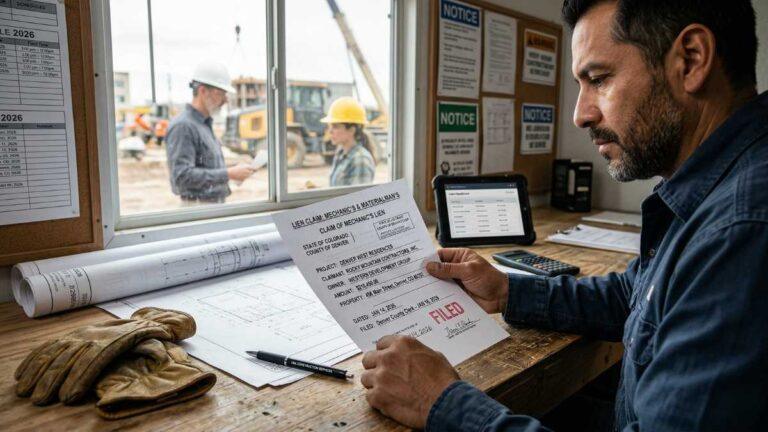
A mechanic’s lien is a legal claim against a property that allows contractors, subcontractors, and suppliers to seek payment for labor or materials provided during construction. If a contractor is not paid, the lien gives them the legal right to pursue payment through the property itself.
Mechanic’s lien laws vary by state, but the basic concept remains consistent across the country. These laws recognize that construction professionals contribute tangible value to real estate by improving the property. Because of this contribution, contractors are granted the ability to place a legal claim on the property if payment disputes occur.
Mechanic’s lien statutes exist in every state, though the procedures and deadlines differ significantly. Contractors must follow strict notice requirements and filing deadlines to preserve their lien rights.
Official state-level guidance on mechanic’s lien laws can often be found through state contractor licensing boards or construction regulatory agencies. Examples include:
California Contractors State License Board
URL: https://www.cslb.ca.gov
Texas Department of Licensing and Regulation
URL: https://www.tdlr.texas.gov
Florida Construction Industry Licensing Board
URL: https://www.myfloridalicense.com
Understanding lien rights is essential because these legal protections represent one of the most effective tools contractors have for securing payment.
What lien waivers are and how they work
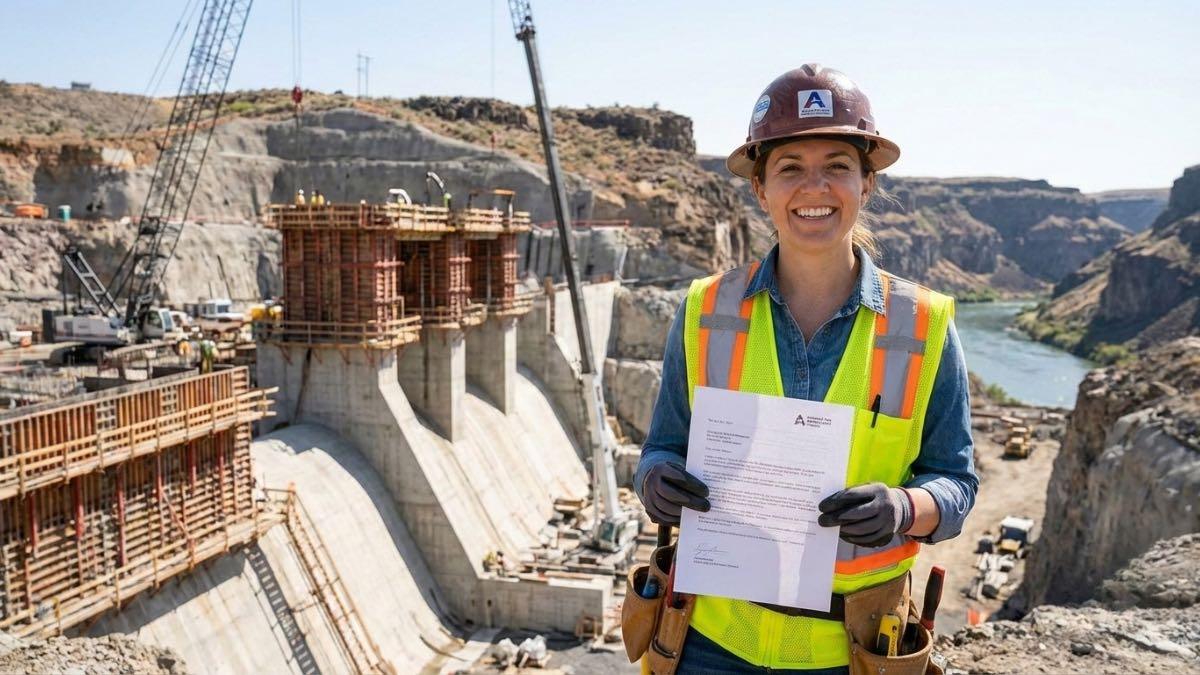
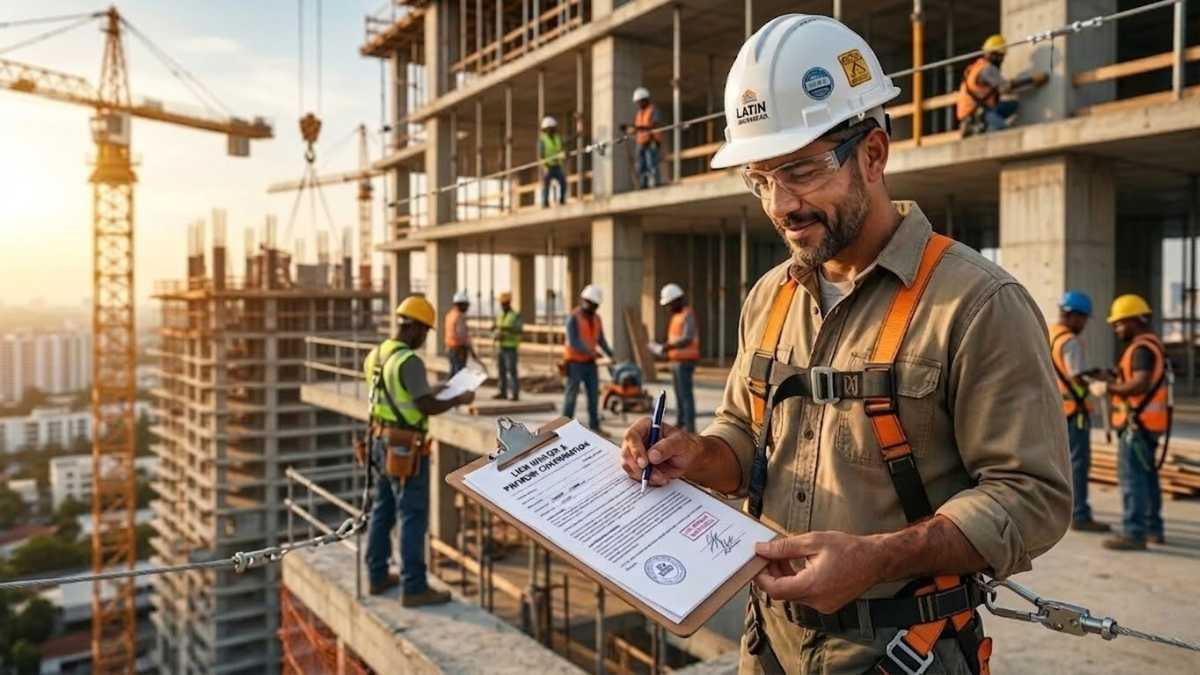
A lien waiver is a legal document used in construction projects to confirm that a contractor, subcontractor, or supplier waives their right to file a mechanic’s lien after receiving payment. These documents are commonly required during the payment process to reassure project owners and lenders that no future lien claims will arise related to the work that has already been paid.
Lien waivers are typically submitted alongside payment applications. When a contractor receives payment for a portion of the project, they may be required to sign a lien waiver confirming that they waive lien rights for the work covered by that payment.
For example, if a contractor submits a payment application for $100,000 of completed work and the owner issues the payment, the contractor may sign a lien waiver confirming that they waive lien rights for that $100,000 portion of the project.
This process protects project owners and lenders by ensuring that they are not exposed to future lien claims related to work that has already been paid.
However, contractors must understand exactly what they are waiving before signing these documents.
The four main types of lien waivers
In the United States construction industry, lien waivers generally fall into four categories. Understanding these distinctions is essential for contractors seeking to protect their legal rights.
Conditional waiver on progress payment
This document states that lien rights are waived only after the payment has been successfully received and processed. If the payment fails or is reversed, the waiver does not become effective.
Unconditional waiver on progress payment
This waiver confirms that lien rights are waived immediately upon signing, regardless of whether payment has actually cleared. Because of the financial risk involved, contractors should be cautious when signing unconditional waivers.
Conditional waiver on final payment
This document waives lien rights after the contractor receives the final payment for the project. Like the conditional progress waiver, it becomes effective only after payment is successfully received.
Unconditional waiver on final payment
This waiver permanently releases lien rights once it is signed. Contractors must ensure that final payment has been received before signing this document.
These four waiver types are widely recognized across the construction industry, though some states provide standardized forms to ensure clarity.
For example, the state of California provides statutory lien waiver forms that must be used for construction projects.
California statutory waiver forms
URL: https://www.cslb.ca.gov/resources/guidesandpublications
/lienreleaseforms.pdf

Why lenders require lien waivers
Construction projects are often financed through loans provided by banks or financial institutions. These lenders must ensure that the property securing their loan remains free of legal claims that could threaten their investment.
If contractors or subcontractors file mechanic’s liens against a property, those liens can complicate financing arrangements and potentially affect the lender’s priority in recovering funds.
Because of this risk, lenders frequently require lien waivers before releasing progress payments from construction loan funds. By collecting lien waivers from contractors and subcontractors, lenders confirm that all parties involved in the project have been paid for their work.
This process protects lenders while helping ensure that contractors receive payment in a structured and transparent manner.
Common mistakes contractors make with lien waivers
One of the most common mistakes contractors make is signing unconditional lien waivers before payment has actually cleared. If the payment is delayed or canceled after the waiver is signed, the contractor may lose their ability to file a lien.
Another common mistake involves signing lien waivers that cover more work than the payment actually represents. Contractors should carefully review waiver language to ensure that the waiver applies only to the specific payment amount being received.
Contractors should also maintain clear records of lien waivers submitted during the project. Organized documentation helps prevent confusion if disputes arise regarding which payments have been made and which lien rights remain valid.
By approaching lien waivers carefully and understanding their legal implications, contractors can avoid giving up important financial protections.
Why lien waiver management is critical for contractors
While lien waivers protect project owners and lenders, they also create potential risks for contractors if not handled properly. Contractors must balance their obligation to provide lien waivers with their need to maintain legal leverage when payment disputes occur.
Professional construction companies often implement formal processes for managing lien waivers. These processes ensure that waivers are issued only after payment is verified and that the waiver language accurately reflects the payment received.
When handled correctly, lien waivers help maintain trust between contractors, owners, and financial institutions. They allow construction projects to proceed smoothly while ensuring that all parties remain protected from unnecessary legal disputes.
Ultimately, understanding lien waivers is an essential part of managing financial risk in the construction industry. Contractors
who master this process protect not only their payment rights
but also their professional reputation within the industry.


FAQ – Construction lien waivers explained: how contractors protect payment rights in construction projects
1. What is a lien waiver in construction?
A lien waiver is a document that confirms a contractor, subcontractor, or supplier gives up their right to file a mechanic’s lien after receiving payment for construction work.
2. Why do project owners require lien waivers?
Owners require lien waivers to ensure that contractors who have already been paid cannot later file mechanic’s liens against the property.
3. What is the difference between conditional and unconditional lien waivers?
Conditional waivers become effective only after payment is successfully received, while unconditional waivers take effect immediately when signed.
4. Can signing a lien waiver prevent contractors from collecting unpaid money?
Yes. If contractors sign an unconditional lien waiver before payment is confirmed, they may lose their legal right to file a lien for that portion of the work.
5. Are lien waiver rules the same in every state?
No. Lien waiver procedures and legal requirements vary by state, and contractors must follow the laws applicable in the state where the project is located.
6. Do subcontractors also need to submit lien waivers?
Yes. Subcontractors and suppliers are often required to submit lien waivers before general contractors receive payment from project owners.
7. Why do banks require lien waivers in construction projects?
Banks require lien waivers to ensure that contractors have been paid and that the property used as loan collateral will not face lien claims.
8. Where can contractors find official lien waiver forms?
Some states provide official lien waiver templates through licensing agencies. For example, California statutory waiver forms are available at
https://www.cslb.ca.gov/resources/guidesandpublications
/lienreleaseforms.pdf