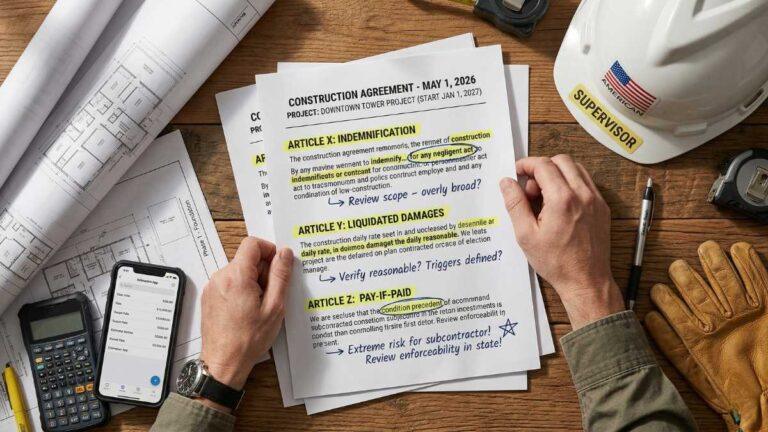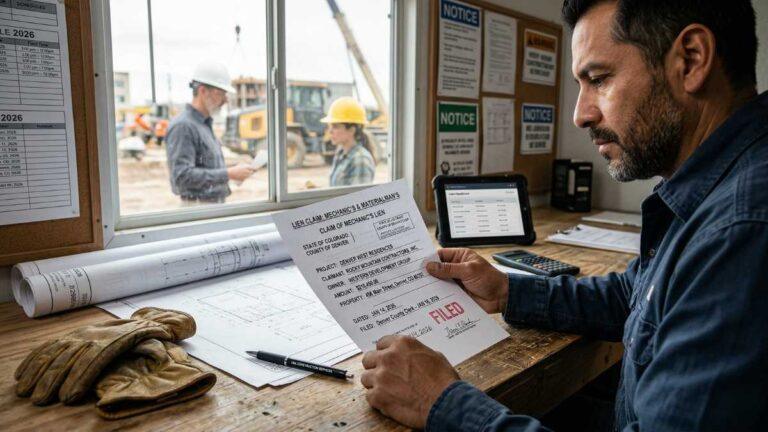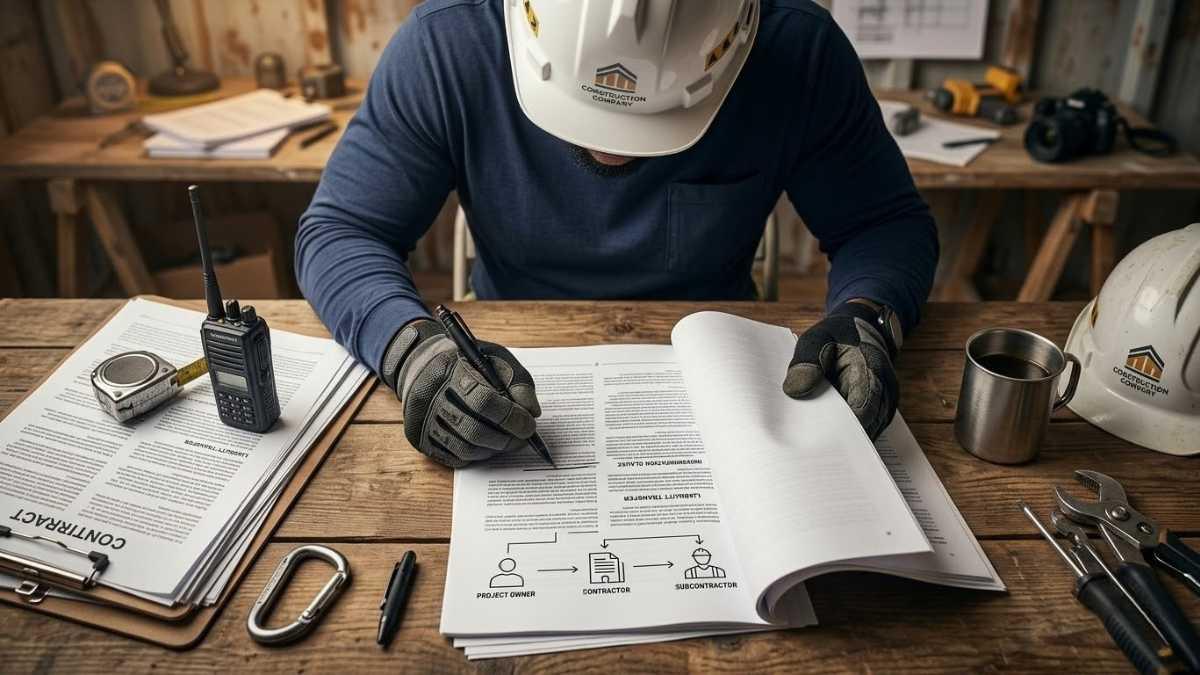
One of the most powerful yet frequently misunderstood sections of a construction contract is the indemnification clause. While many contractors focus heavily on pricing, scheduling, and scope definitions during contract negotiations, the indemnification language buried within the legal sections of the agreement can have far greater long-term financial consequences. These clauses determine how legal liability is distributed among contractors, subcontractors, project owners, architects, and other stakeholders if something goes wrong during the project.
In the construction industry across the United States, projects involve complex interactions between multiple companies and professional disciplines. Contractors coordinate with subcontractors, engineers, suppliers, equipment operators, and project managers. With so many participants working simultaneously on a jobsite, accidents, property damage, and contractual disputes are unfortunately possible. Indemnification clauses attempt to define in advance which party will be responsible for defending and compensating others if legal claims arise.
At its core, indemnification means that one party agrees to protect another party from certain financial losses, including legal expenses, damages, or settlement costs. In construction contracts, indemnification clauses often require contractors to assume responsibility for damages resulting from their work or from the actions of their subcontractors. However, the exact language of these clauses can vary significantly from one contract to another.
For contractors, failing to understand the implications of indemnification clauses can expose their businesses to substantial legal and financial risks. Some indemnification provisions may require contractors to assume liability even for issues that were not directly caused by their actions. For this reason, reviewing indemnification language carefully before signing a contract is essential for protecting the long-term stability of a construction business.
What indemnification means in construction agreements
Indemnification provisions establish a legal obligation for one party to compensate another party if certain losses occur. In construction contracts, this obligation typically applies when a claim arises related to property damage, personal injury, or financial loss connected to the construction work.
For example, if a subcontractor working under a general contractor causes damage to a neighboring property during construction, the indemnification clause may require the contractor to defend the project owner against legal claims and cover any resulting damages. In other words, the contractor agrees to “indemnify” the owner against losses resulting from the contractor’s work.
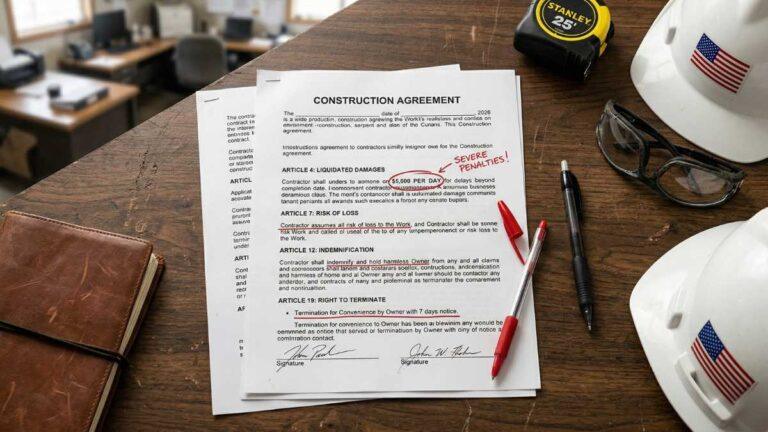
These clauses often include language requiring contractors to defend, indemnify, and hold harmless the owner and other project participants. While these phrases are commonly used together, they represent slightly different legal concepts. Defending typically means paying for legal representation if a lawsuit arises, while indemnifying refers to compensating the other party for financial losses.
The precise wording of indemnification clauses determines the scope of this responsibility. Because construction projects involve numerous potential liabilities, these provisions can significantly influence the overall risk distribution within the contract.
Types of indemnification clauses used in construction contracts
Construction contracts may include several different types of indemnification clauses depending on how liability is allocated between the parties. The three most common categories are limited indemnity, intermediate indemnity, and broad indemnity provisions.
Limited indemnity clauses require contractors to indemnify the owner only for damages directly caused by the contractor’s negligence. Under this structure, contractors are responsible only for their own mistakes and not for the actions of other parties involved in the project.
Intermediate indemnity clauses expand this responsibility slightly by requiring contractors to indemnify the owner even if the owner shares partial responsibility for the incident. In this scenario, the contractor may still bear most of the financial burden even if multiple parties contributed to the problem.
Broad indemnity clauses represent the most aggressive form of liability transfer. These provisions attempt to require contractors to indemnify the owner for nearly all damages associated with the project, including incidents partially caused by the owner’s own negligence. Because these clauses place significant financial risk on contractors, many states restrict their enforceability through anti-indemnity laws.
Understanding which type of indemnification clause appears in a contract is essential before agreeing to its terms.
Anti-indemnity laws and contractor protection
Many states in the United States have enacted anti-indemnity statutes designed to prevent unfair transfer of liability within construction contracts. These laws limit the ability of project owners to require contractors to assume responsibility for damages caused by the owner’s negligence.
Anti-indemnity laws vary significantly from state to state. Some jurisdictions prohibit broad indemnification clauses entirely, while others allow certain forms of risk transfer if the contract language meets specific requirements.
Because these laws differ across jurisdictions, contractors must understand the legal framework governing indemnification provisions in the state where the project is located. In some cases, contract language that appears enforceable may actually be invalid under local law.
Consulting legal professionals familiar with construction law can help contractors evaluate whether indemnification clauses comply with applicable regulations.

The relationship between indemnification and insurance
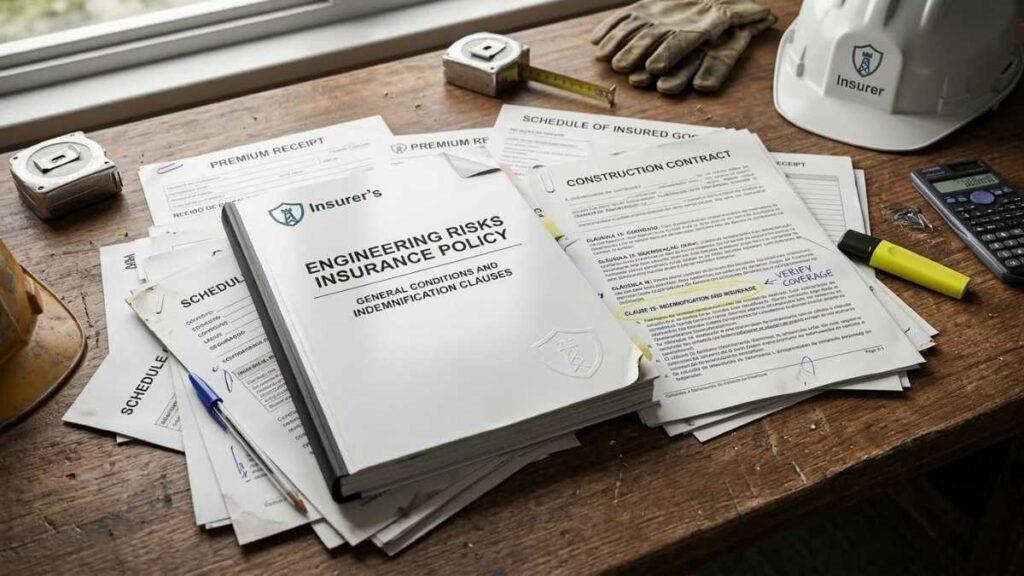
Indemnification clauses are closely connected to construction insurance policies. Contractors often rely on insurance coverage to satisfy their indemnification obligations if claims arise during the project.
General liability insurance policies, builder’s risk insurance, and umbrella policies may all play roles in covering damages related to construction activities. However, insurance coverage does not automatically apply to every indemnification obligation written into a contract.
Some indemnification provisions may exceed the limits or scope of available insurance coverage. If this occurs, the contractor may be personally responsible for the remaining financial exposure.
For this reason, contractors should review indemnification language alongside their insurance policies. Ensuring that insurance coverage aligns with contractual obligations helps prevent unexpected liability.
Negotiating fair indemnification provisions
Contract negotiation provides an opportunity for contractors to establish balanced indemnification terms. Contractors should carefully evaluate whether the clause requires them to assume responsibility only for their own actions or whether it attempts to transfer excessive risk.
One common negotiation strategy involves limiting indemnification obligations to damages caused by the contractor’s negligence or misconduct. Contractors may also seek to exclude liability for damages caused by other parties involved in the project.
Another important consideration involves clarifying how indemnification obligations interact with insurance coverage. Contractors should ensure that the contract does not require indemnification for risks that are not covered by their insurance policies.
Although negotiating legal clauses may appear intimidating, addressing these issues before signing the contract can prevent major financial problems later.
Why contractors must understand liability transfer
Construction projects operate within a complex legal environment where multiple parties share responsibility for project outcomes. When accidents occur or disputes arise, determining which party must pay for damages can become extremely complicated.
Indemnification clauses attempt to simplify this process by establishing liability rules in advance. However, these rules must be fair and legally enforceable to protect all participants involved in the project.
Contractors who understand indemnification provisions are better equipped to evaluate project risks and negotiate contracts that reflect realistic responsibilities. By carefully reviewing indemnification clauses and aligning them with insurance coverage and legal protections, contractors can reduce exposure to costly legal disputes.
Ultimately, mastering the legal language of construction contracts is just as important as managing schedules, materials, and labor on the jobsite. Contractors who understand how liability is transferred through indemnification provisions gain a significant advantage in protecting their businesses while delivering successful projects.


FAQ – Indemnification clauses in construction contracts: how liability is transferred between contractors and project owners
1. What is an indemnification clause in a construction contract?
An indemnification clause is a provision requiring one party to compensate another party for losses, damages, or legal claims arising from the construction project. These clauses define how liability is transferred between contractors and project owners.
2. Why are indemnification clauses included in construction contracts?
Indemnification clauses establish financial responsibility if accidents, property damage, or legal disputes occur during construction. They help determine which party must defend and compensate others if claims arise.
3. What does “defend, indemnify, and hold harmless” mean?
This phrase typically means that one party agrees to pay legal defense costs, compensate for damages, and protect the other party from financial losses related to specific claims.
4. Are all indemnification clauses enforceable in the United States?
Not always. Many states enforce anti-indemnity laws that restrict contract provisions transferring excessive liability to contractors.
5. What is the difference between limited and broad indemnification?
Limited indemnification applies only to damages caused by the contractor’s negligence, while broad indemnification may attempt to hold the contractor responsible for nearly all damages related to the project.
6. How does insurance relate to indemnification obligations?
Insurance policies often cover damages associated with construction activities. However, contractors must ensure that insurance coverage aligns with the indemnification responsibilities described in the contract.
7. Can contractors negotiate indemnification clauses?
Yes. Contractors frequently negotiate these clauses to limit liability exposure and ensure that responsibilities are balanced between project participants.
8. Why should contractors review indemnification provisions carefully?
Because these clauses determine who pays for damages if something goes wrong during the project. Poorly written indemnification language can expose contractors to major financial risks.